Human-made Hazards to Wildlife
American Robin. Photo: Mick Thompson/Audubon Photography Awards
Humans present special hazards to wildlife beyond their natural framework of producer/consumer, prey/predator, life and death struggles. We put our thumb on the scales, often without realizing how we are adversely impacting life around us.
It makes no sense to work at creating habitat and attracting wildlife to use our spaces then put them in danger through our less conscious actions. Here we call attention to the manmade hazards in hopes that we will all take steps to minimize the danger on our own property and share this mindfulness with others to the benefit of us all.
Browse the Articles
Use the filters on this page to find a particular topic, or simply browse the list.
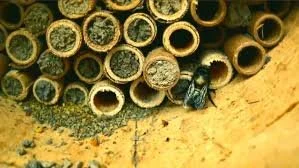
Whenever we offer manmade structures to wildlife for feeding and nesting we are risking concentrating animals and with them, the potential spread of disease or threat from opportunist predators. Here are some examples.
Some traps are intentional, to rid your space of pests that belong outdoors and some are wholly unintentional manmade objects left where wildlife encounter and cannot escape them. With awareness
Setting out poison (called rodenticides for pests, e.g. to control rats feeding on grain or grass seed in your back shed, will probably kill the rats but will also kill other
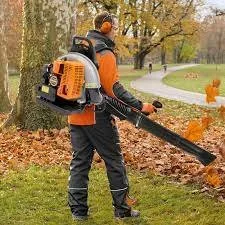
Power equipment such as lawnmowers, tillers, and string trimmers are a danger to snakes, turtles, baby rabbits, ground-nesting birds, toads/frogs, lizards and salamanders.
If you have ever participated in NestWatch or Project FeederWatch, your data may have informed the study summarized in How Noise Pollution Can Negatively Impact Bird Populations which finds that birds are
Artificial light disrupts natural behavior for migrating birds and for flying insects.. Some species of migrating birds are drawn to lighted buildings and structures and can become confused,
Second only to habitat loss, predation by domestic cats is the most important direct, human-caused threat to birds in the United States and Canada.
Window Collisions kill up to 1 billion birds each year following window collisions. Glass is invisible to birds. They perceive glass reflections of vegetation, landscapes, or sky to be real and they attempt to reach
Our conservation work is only possible with YOU!
Northern Virginia Bird Alliance relies on our members and volunteers to power our conservation work. Consider joining us, making a contribution or becoming a volunteer to help protect northern Virginia’s birds and the habitat they need.
Pesticides are usually chemicals (organic or not) that are designed to interrupt the normal lifecycle of its target species. When pesticides are sprayed on foliage or the ground they kill not only the target “pest” but