

Bird Counts and Surveys
Bird counters. Photo: Rusty Moran
Why count birds…?
It’s a way for us to monitor environmental trends in our local area, identify potential problems and share data with other organizations.
Birds are the "canary in the coal mine" for our environment. Their health, abundance and distribution can signal trends in the health of the larger environment. NVBA has a long history of documenting bird life in our community and promoting conservation of birds and wildlife.
Resource managers of parks and other public lands rely on bird count long-term and geographically fixed data in their land management decisions. NVBA sends the count results to organizations—like the Fish and Wildlife Service, Bureau of Land Management, and the National Park Service—who use the information to better manage their natural resources.
Without habitat, we would have no birds. Eleven percent (11%) or 1,111 of the world's species of birds are at risk. Two hundred could disappear within 20 years. The primary threat to birds is habitat loss. Since 1967, there's been a 70% decline in common backyard birds because of habitat fragmentation or development.
Your counting counts! Even if you’ve never participated in a count or survey before, you’ll be matched with more experienced volunteers who can teach you the “tricks of the trade” and help you build new skills that will add to your bird-watching enjoyment. Plus your efforts will make a difference in helping to protect our local habitats.
Annual NVBA Counts and Surveys
Winter Waterfowl Count - February
Christmas Bird Count (CBC) - December
Other Surveys
Great Backyard Bird Count (GBBC) - February, led by National Audubon Society and the Cornell Lab of Ornithology
Northern Virginia Bird Survey (NVBS) - June
Counts and surveys aren’t just good for birds!
NVBA also hosts ongoing surveys of several sites around Occoquan Bay where volunteer citizen scientists gather monthly to survey insects, plants and other natural resources, collecting valuable, consistent data about the health of these unique local ecosystems.
We organize two types of surveys throughout the year:
Natural Resource Surveys: Held monthly year-round at Occoquan Bay National Wildlife Refuge (NWR) and Meadowood Special Recreation Management Area (SRMA)
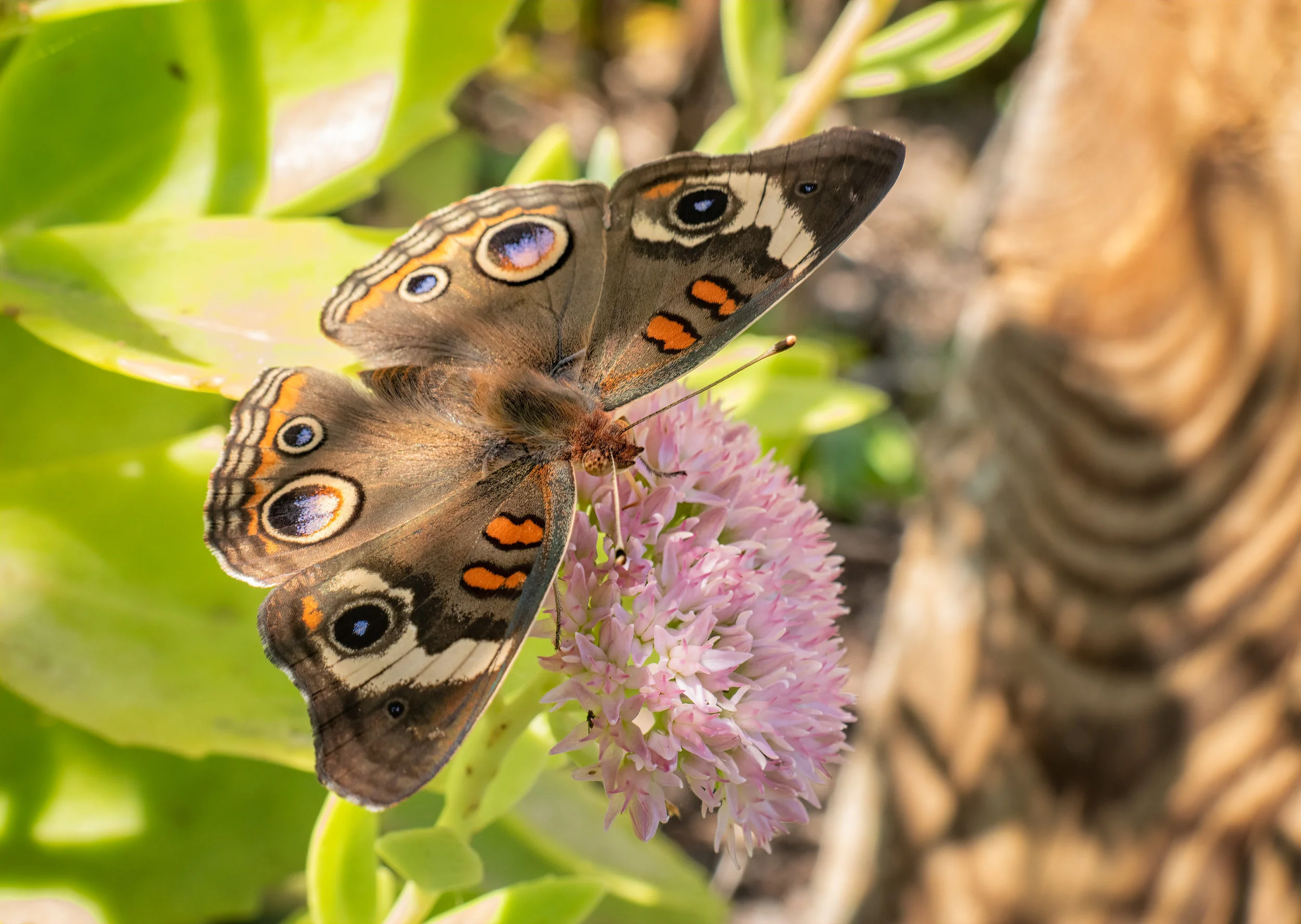
Butterfly and Dragonfly Surveys: Held monthly from April-October at Occoquan Bay NWR, Meadowood SRMA, Metz Wetlands, Occoquan Regional Park, and Dyke Marsh Wildlife Preserve
Common Buckeye butterfly at Meadowood SRMA. Photo: Rusty Moran
Our conservation work is only possible with YOU!
Northern Virginia Bird Alliance relies on our members and volunteers to power our conservation work. Consider joining us, making a contribution or becoming a volunteer to help protect northern Virginia’s birds and the habitat they need.