
Northern Virginia Bird Alliance
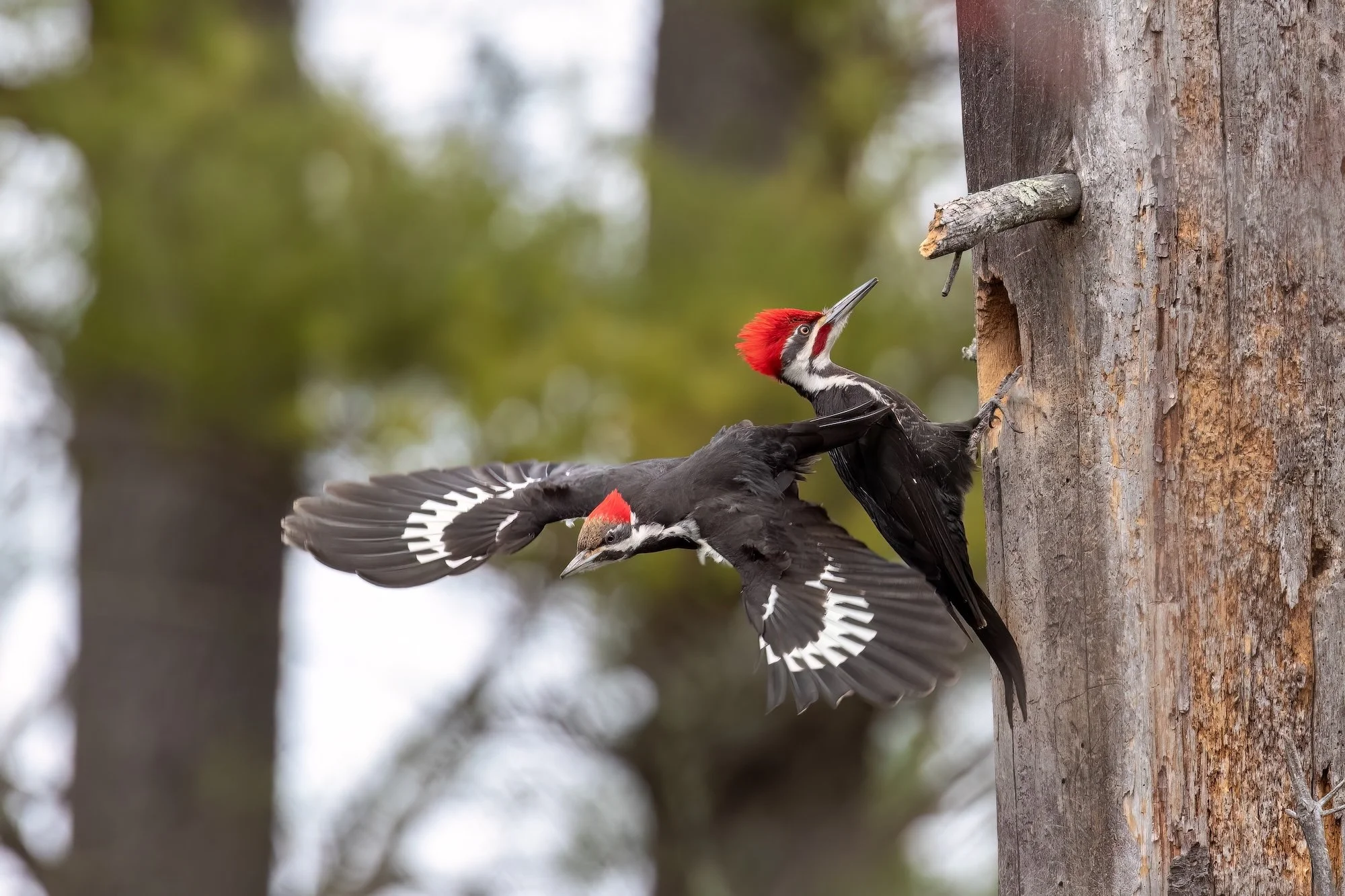
Pileated Woodpeckers. Photo: Wayne Wetherbee/Audubon Photography Awards
Enjoying, Conserving and Restoring Nature
in Northern Virginia

About Us
NVBA is made up of passionate, conservation-driven individuals who care deeply about birds and nature. We envision a world where people, wildlife, and their habitats thrive.
Established in 1984, NVBA is a proud, independent chapter of the National Audubon Society (NAS). Our NAS roots connect us to a larger national network, but we set our own mission, priorities and goals for conservation work based on what’s needed right here in northern Virginia.
Our Mission
To engage all northern Virginia communities in enjoying, conserving, and restoring nature for the benefit of birds, other wildlife, and people. We advance our mission through educational programs, citizen science, conservation initiatives, and advocacy initiatives.
Eastern Screech Owl. Photo: Randy Streufert/NVBA Photo Contest
Help Keep NVBA Aloft. Join Our Flock!
When you join NVBA’s local membership program, you are joining a community of committed, passionate people from all walks of life that care about birds and the habitat they need right here in northern Virginia. Join us!
Join Us for an Event!
NVBA offers a wide variety of classes and events open to members and the general public throughout the year in both virtual and in-person formats.
Our programs are centered around birds, nature and conservation and include bird outings, educational workshops, citizen science surveys, volunteer opportunities and author events.
Check our schedule often, as we are always adding new events! You can also watch recordings of past virtual events on our Online Programs page.
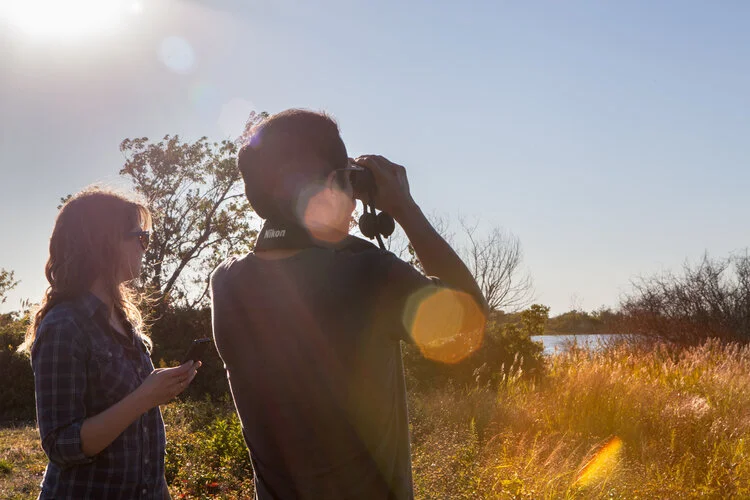
Birding together. Photo: Camilla Cerea/Audubon
News and Articles from NVBA
The latest stories, news and informative articles from NVBA on northern Virginia birds, birding, conservation, local environmental advocacy, native plants, habitat gardening for wildlife and more. Looking for a particular topic? Try searching our site.
Our conservation work is only possible with YOU!
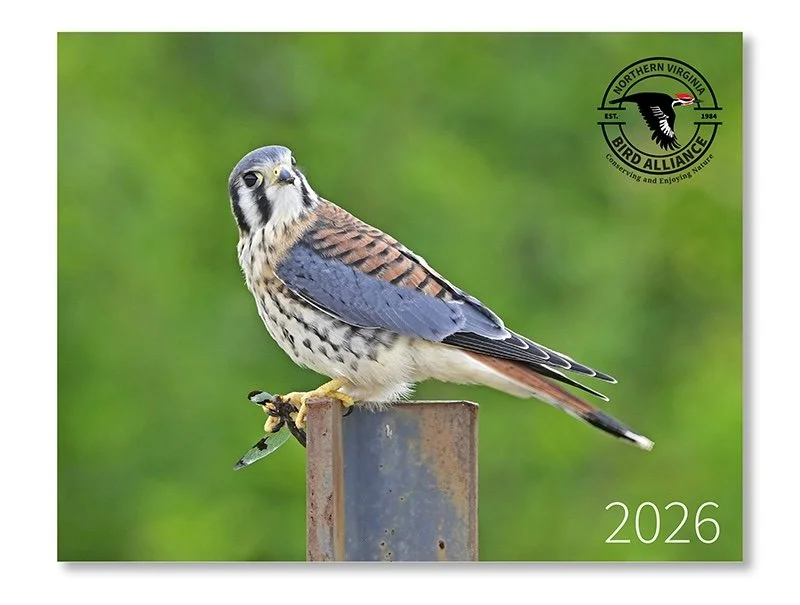
Northern Virginia Bird Alliance relies on our members and volunteers to power our conservation work. Consider joining us, making a contribution or becoming a volunteer to help protect northern Virginia’s birds and the habitat they need.
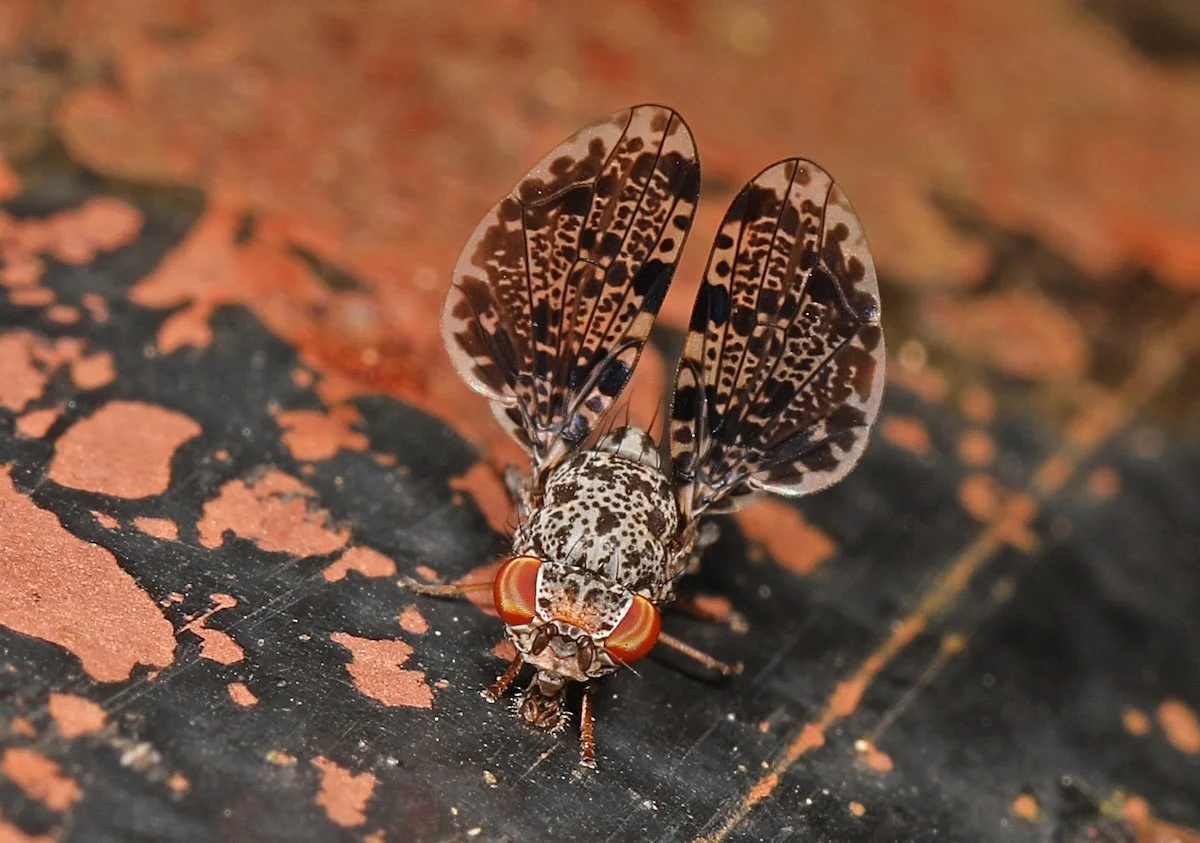
October is spider time! These mysterious 8-legged creatures capture our imaginations this time of year, but they also provide great benefits to both humans and birds.