Welcome to the Wildlife Sanctuary Almanac!
This series of articles shares timely tips and observations about engaging with nature through the seasons in your own personal wildlife sanctuary.
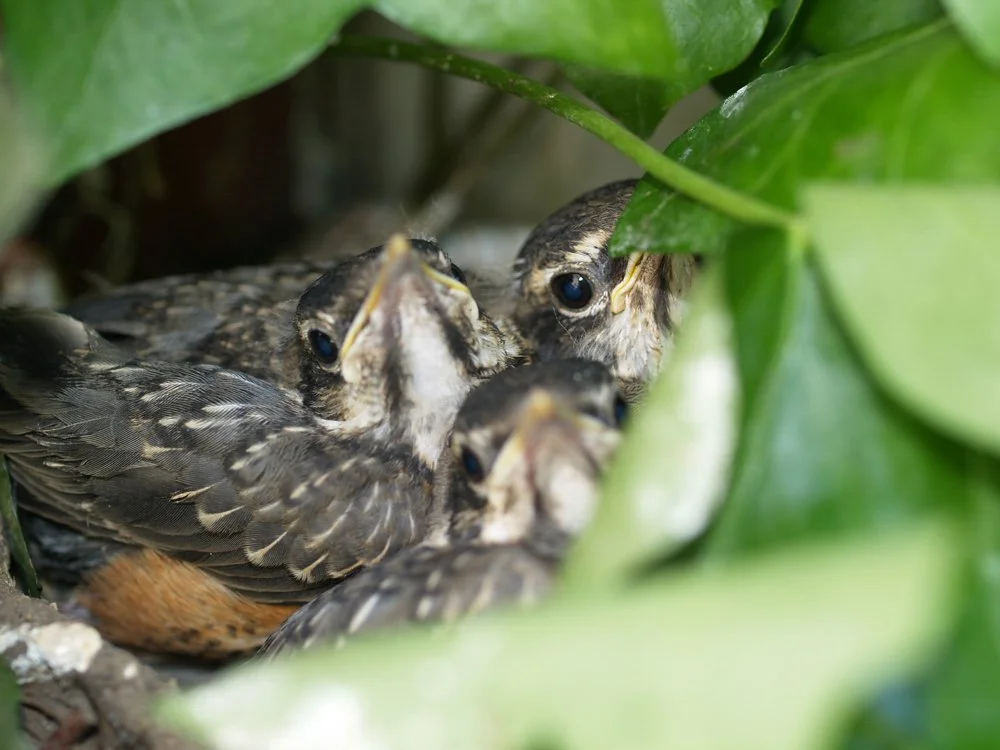
Pruning can be good for the tree and good for us, but it isn’t always good for birds. Done wrong, it can disturb nesting sites, remove protective cover and prevent plants from flowering or fruiting. Here are a few tips for bird-friendly pruning this winter and spring.
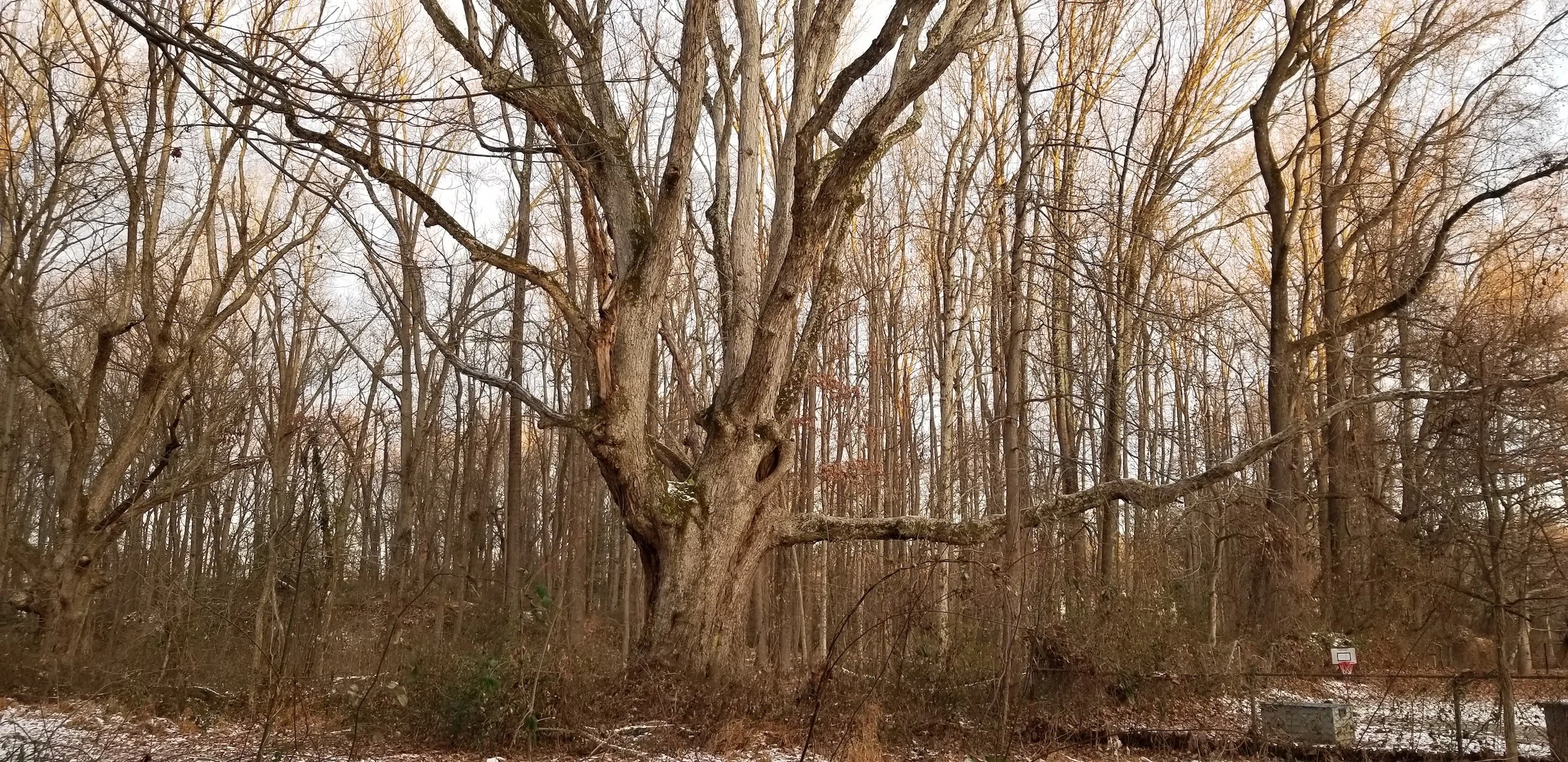
Native species of oak trees are abundant across our region. Northern Red Oaks and White Oaks in particular are among our most dominant keystone species, contributing to the ecosystem in ways that are mighty indeed.
It’s a beautiful plant - evergreen, red berries, soft foliage - but evil lurks in its heart. Nandina, a.k.a. Heavenly Bamboo or Nandina domestica, is a woody shrub native to Asia. It is not a true bamboo but, just like its namesake, it is a real problem in the landscape.
Now is the time to clean and fill the feeders to help birds make a living when other food sources are scarce. It’s also time to think about providing next year’s winter bird food by planting more native plants, including native grasses, wildflowers, and woody plants, such as shrubs, vines and trees, that provide sustenance all winter long.
One hallmark of autumn is the appearance of goldenrods along roadsides and in wild spaces; however, until recently, goldenrods have rarely been used deliberately in gardens.
Fall is coming and gardeners’ thoughts may turn to collecting seeds for planting next spring.
Do you want more butterflies around your home? Consider creating a butterfly habitat that will attract not just adult butterflies passing through but will support butterflies throughout their life cycles.
Pollinators are important to our daily lives. Without insects, around 80 percent of flowering plants would not be pollinated.
Have you taken steps to create bird habitat in your yard? Now is your chance to see the fruits (or rather, birds) of your labor by observing how many species visit your yard in a single day.
A recent presentation highlighted how conventional mosquito spraying is jeopardizing efforts to create thriving wildlife habitats and offered effective alternatives that protect both people and pollinators.
If you followed the advice to forgo an annual autumn garden cleanup and instead left fallen leaves and dead plant stems in place to provide winter habitat for wildlife, your yard helped lots of local bugs and birds survive the winter and prepare for spring.
When it’s a snowy, icy and cold winter, there’s little gardening you can or want to do in the yard. But there are a few steps you can take to supplement the work you have already done by providing natural food sources and shelter.
Chickadees need a yard full of native plants. How can that be? Chickadees eat seeds, so why do they need native plants?
We know now that migration on earth accounts for the disappearance and reappearance of birds. But what about other creatures?
Fall-fruiting native shrubs and trees not only provide nutritious, fatty berries for birds, but also display beautiful fall color. That’s not for our benefit: what’s called foliar fruit flagging is the way the plants signal to birds that fruits are ripe and ready for plucking—just in time for migration.