
Conservation Bird of the Year
Each year, NVBA selects a Northern Virginia bird species whose local numbers are in decline to serve as our Conservation Bird of the Year.
We highlight the bird’s unique features and habits to help familiarize our community with the species and help us feel connected to it. In turn, we hope to create awareness around the challenges these birds face, and what can be done to help protect them.
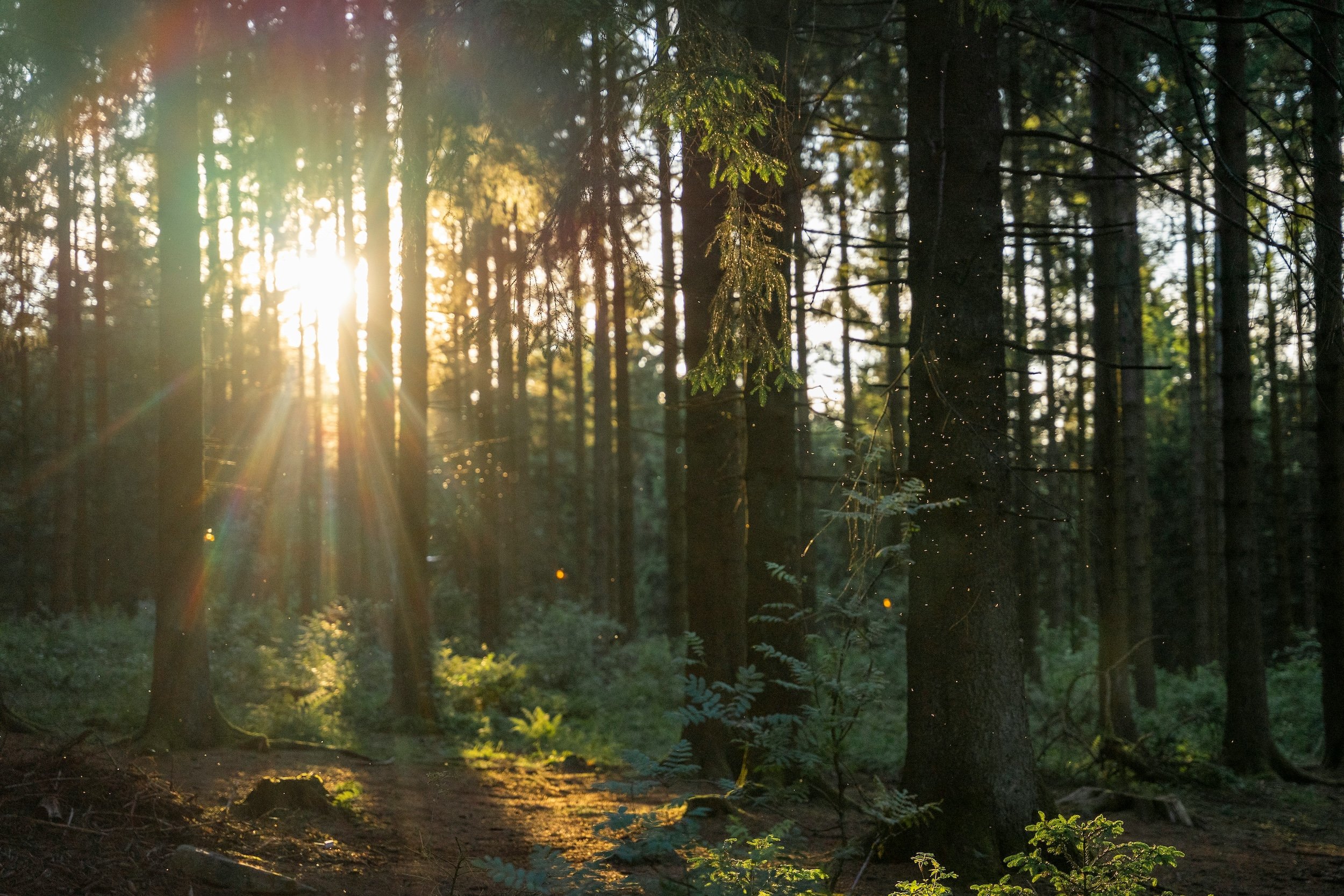
Imagine walking through a mature forest.
It’s spring in Northern Virginia, and low morning sun passes through the dense array of tree trunks in front of you, creating soft streaks of light on the path ahead.
The air is cool and moist, and every so often you catch the aroma of wet leaves and dirt on the breeze.
The tree canopy soars above you, filling in with fresh green leaves and insulating you from the noise of this highly developed area.
It’s quiet except for the occasional rustle of a squirrel in the leaves or the cracking of fallen twigs under your shoe.
Then you hear it…the ethereal, magical song
of the Wood Thrush.

Meet the Wood Thrush
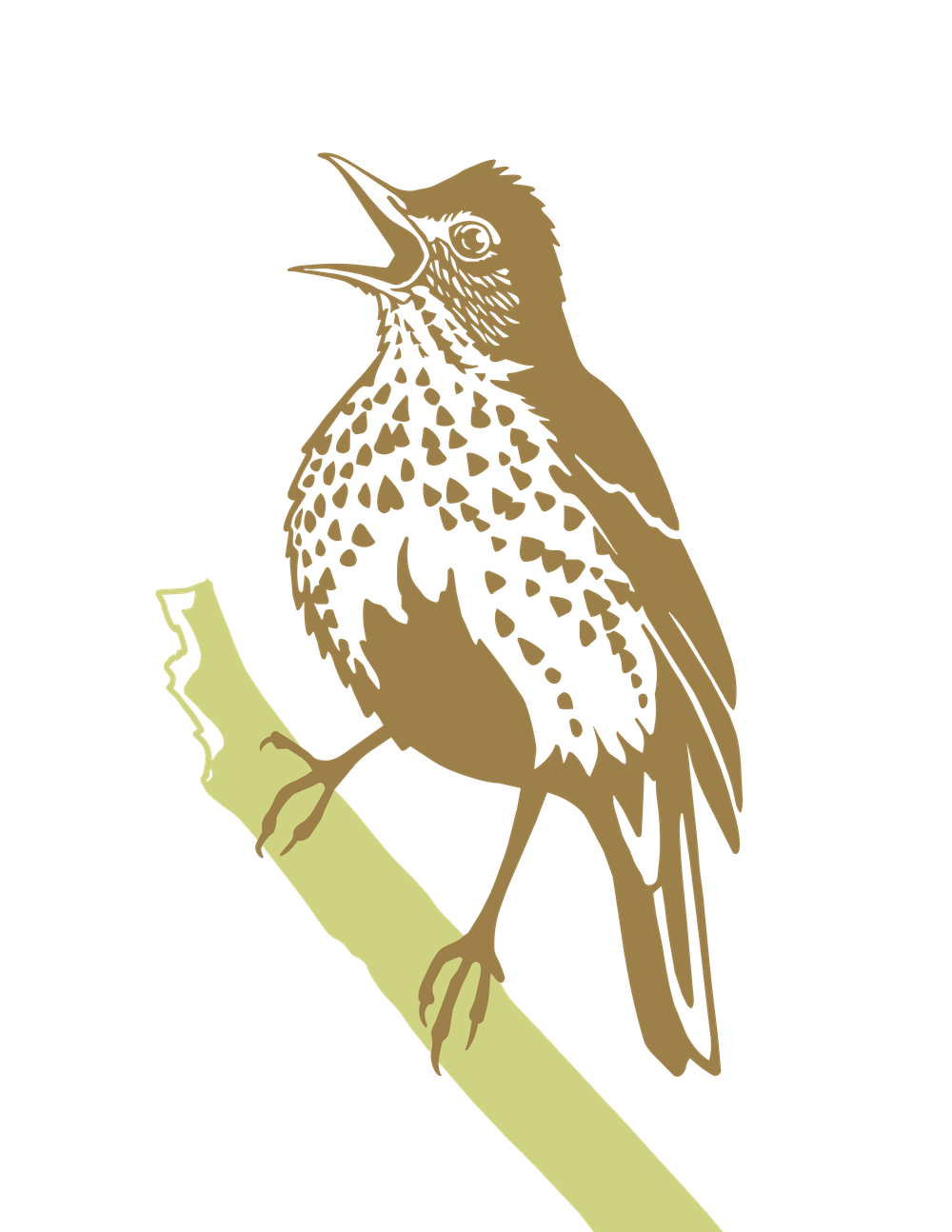
If you've walked through a Northern Virginia forest on a spring morning, you may have heard a Wood Thrush before you ever saw one.
Its rich, flute-like song carries through the trees, while the bird itself often remains hidden in the forest understory.
But the Wood Thrush is becoming harder to find. Its population has declined dramatically over the past several decades, as the large forests tracks it depend on face fragmentation, degradation and other pressures.
That's why NVBA has selected the Wood Thrush as our 2027 Conservation Bird of the Year.
Wood Thrush. Photo: Juan Zamora/Audubon Photography Awards
One Bird Tells a Bigger Story
Throughout the year, we'll follow Winnie, a fictional Wood Thrush whose journey is based on the real biology of Wood Thrushes.
We'll follow them from their wintering grounds in Central America, through spring migration to Northern Virginia, into the breeding season, and eventually south again in the fall. Along the way, we'll explore what Wood Thrushes need to survive—and what their lives can teach us about the health of our forests.
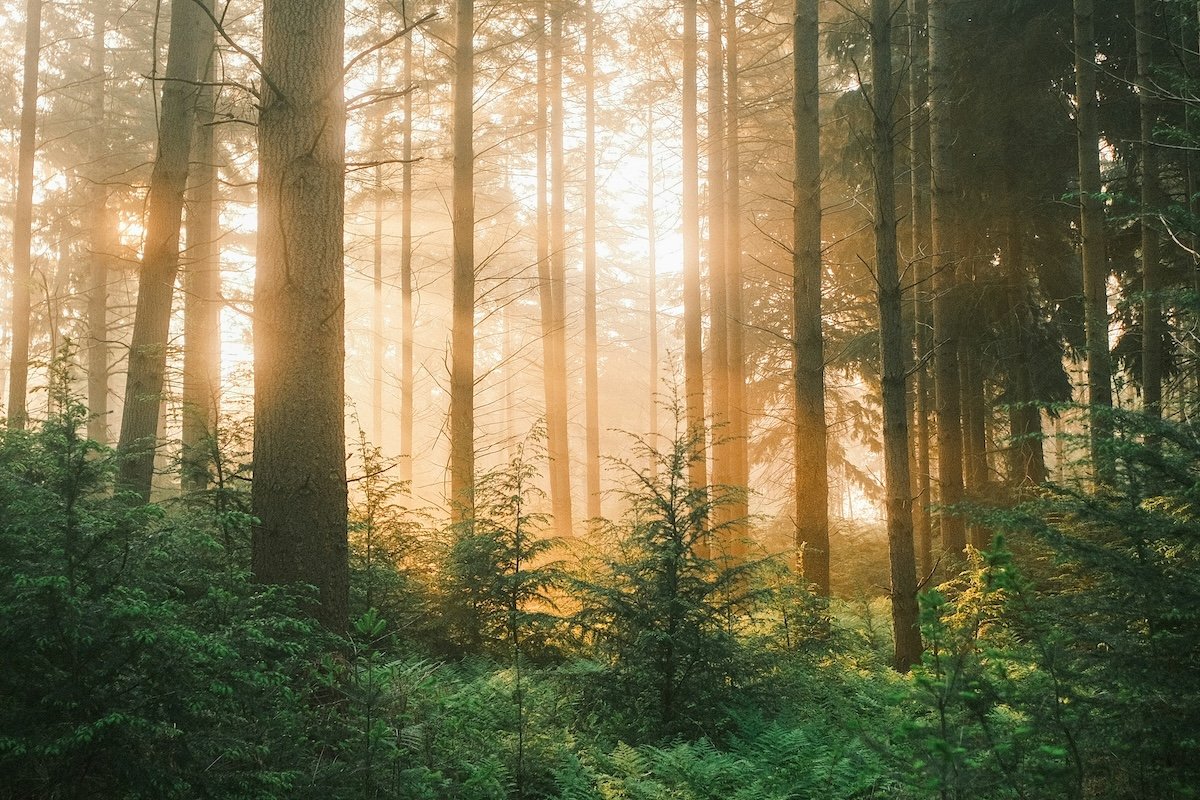
A healthy Wood Thrush forest needs more than trees. It includes mature canopy trees, smaller trees and shrubs, native plants, leaf litter, insects and fruit. Protecting these conditions helps not only the Wood Thrush, but an entire community of birds, plants, insects and other wildlife.
Where are Winnie and Walter this month? What is happening in the life of a Wood Thrush? And what can we do to help?
Follow along through the year with bird walks, programs, conservation projects and monthly opportunities to take action for Wood Thrushes.
Timeline
Wood thrush trivia?
pledge and pledge counter
Our conservation work is only possible with YOU!
Northern Virginia Bird Alliance relies on our members and volunteers to power our conservation work. Consider joining us, making a contribution or becoming a volunteer to help protect northern Virginia’s birds and the habitat they need.