
Discussion with David Bulova, VA Secretary of Natural and Historic Resource
This special discussion with Secretary Bulova shares the administration’s emerging priorities and strategies for wildlife conservation, habitat restoration and resilience across the Commonwealth, with a particular focus on northern Virginia and bird conservation.
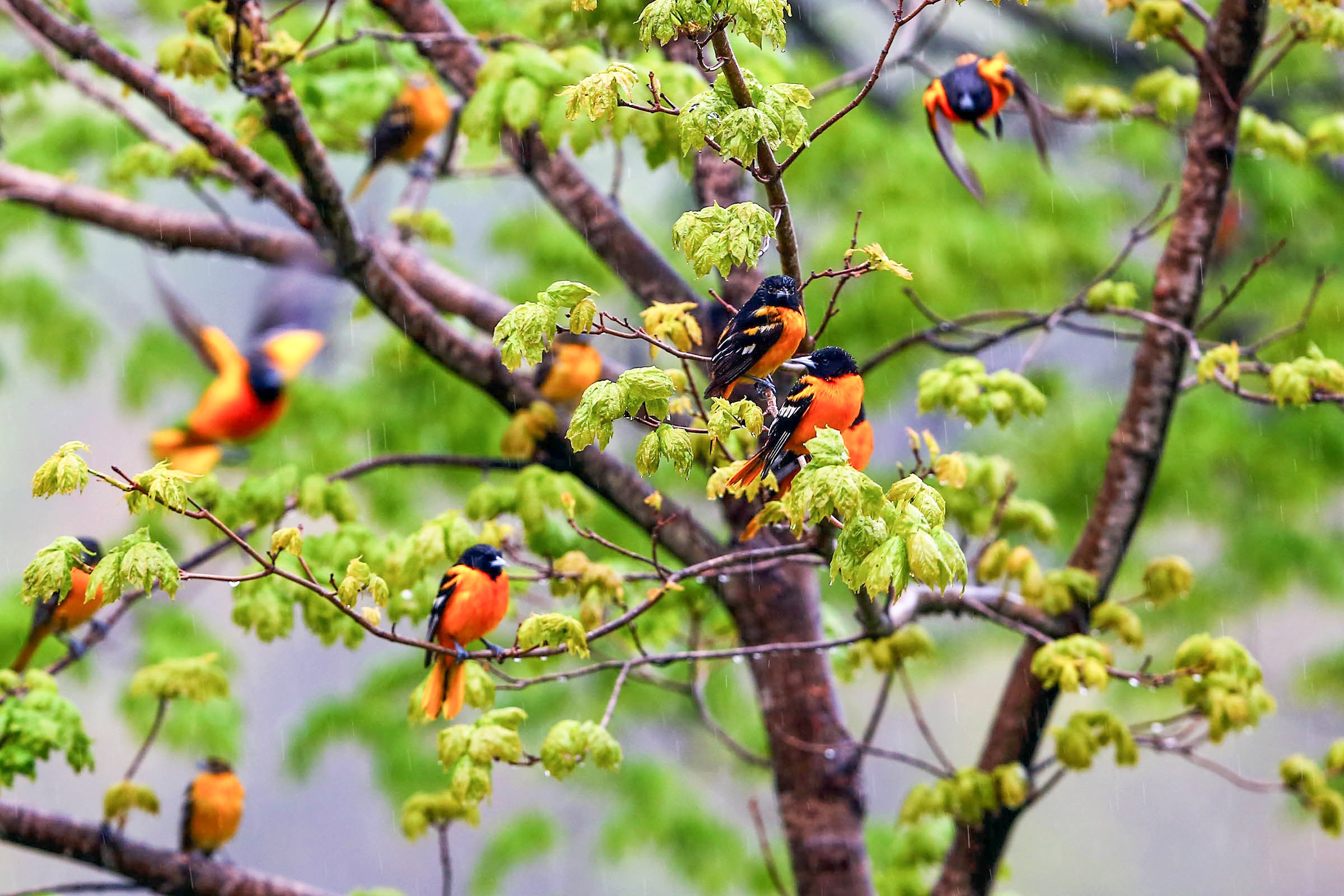
Photo: Baltimore Orioles, Eric Nie/Audubon Photography Awards
Original program date: June 2, 2026
Join us for a special conversation with Virginia Secretary of Natural and Historic Resources David Bulova, a longtime Northern Virginia environmental leader and member of Governor Spanberger’s cabinet. Secretary Bulova will share the administration’s emerging priorities and strategies for wildlife conservation, habitat restoration, and resilience across the Commonwealth, with a particular focus on Northern Virginia and bird conservation. This is a unique opportunity to hear directly from one of Virginia’s top environmental leaders about the future direction of conservation policy in our region.
The Well-Rounded Birder: Reimagining Birding for This Moment with Jason Hall
Watch the recording of this presentation by Jason Hall, founder of the In Color Birding Club, in celebration of Black Birders Week! Jason will focus on how birding can be a joyful, inclusive space for everyone right now, and what that means for expanding access and community in the field today.
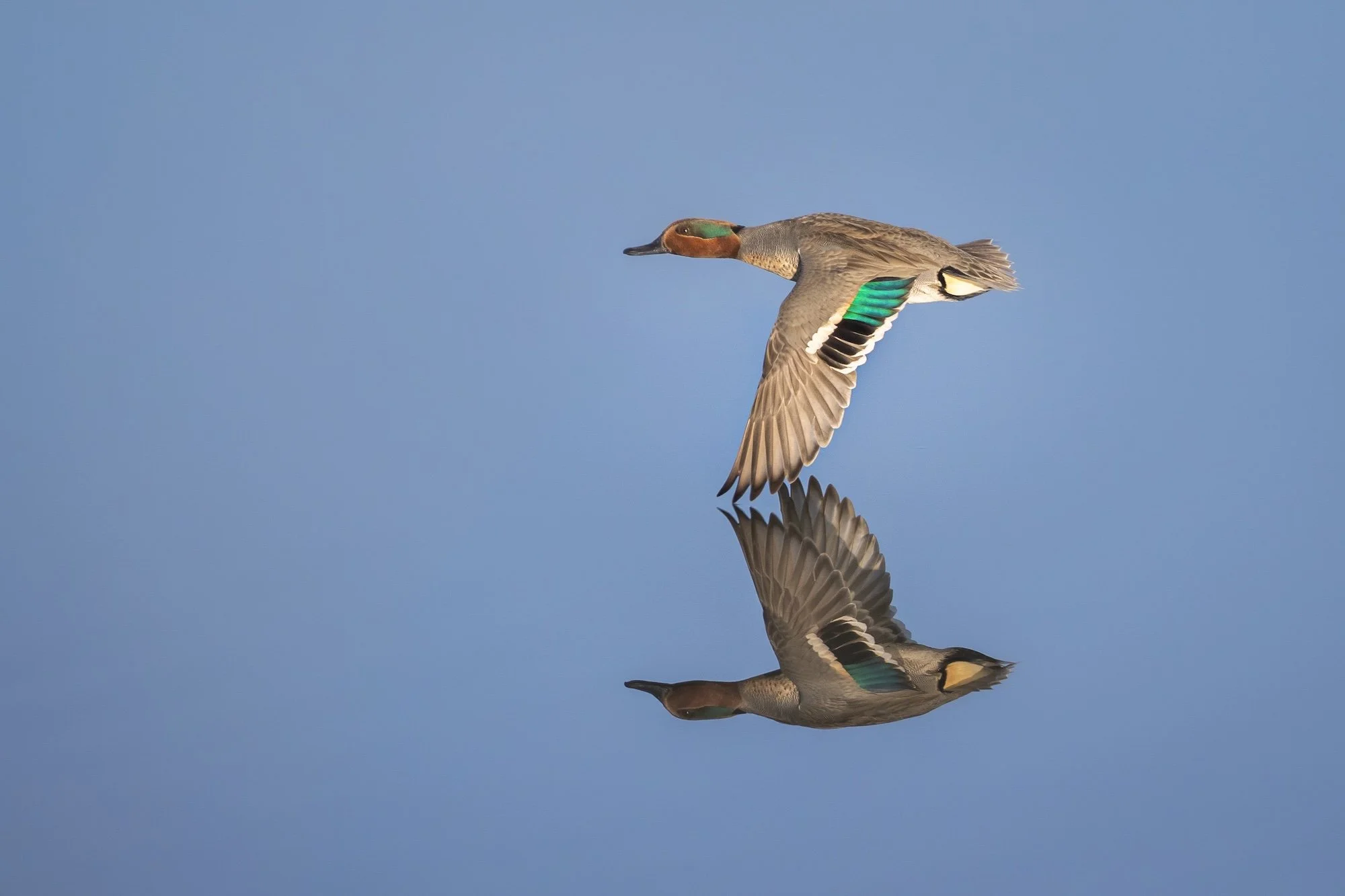
Photo: Green-winged Teal, Krisztina Scheef/Audubon Photography Awards
Original program date: May 26, 2026
Join us for a virtual presentation by Jason Hall, founder of the In Color Birding Club, in celebration of Black Birders Week! Jason will focus on how birding can be a joyful, inclusive space for everyone right now, and what that means for expanding access and community in the field today.
About the Speaker:
Over the years, Jason Hall has turned a love of birding into something much bigger: a movement rooted in community, curiosity, and joy. A son of Southern California and an adopted son of Philadelphia, Jason is the founder of the In Color Birding Club (ICBC), a nonprofit creating welcoming, joyful entry points into birding for people who have not always felt included in outdoor spaces.
Through ICBC, Jason and his board partner with local organizations across the Philadelphia region to bring people closer to nature. That looks like bird outings that center connection, buses that get public school students into green spaces, classroom supply scholarships for teachers, and community food drives that give back in meaningful ways.
In 2024, Jason teamed up with Dexter Patterson to launch the Bird Joy Podcast, a vibrant space where birders of all backgrounds can explore the stories, ideas, and everyday magic that make birding such a powerful connector.
Outside of birding, Jason works as an Executive Director of Large Molecule Analytical Sciences in the pharmaceutical industry. He lives in Montgomery County, Pennsylvania with his wife and two children.

Reducing Bird Collisions: Practical Solutions for Building Glass and Light
Find out how important it is to reduce outdoor lighting, particularly during bird migration, and make buildings safer for birds.
Photo: Purple Martins, Keith Kingdon/Audubon Photography Awards
Original program date: April 15, 2026
ZOOM PASSCODE: nKyn03#q
Find out how important it is to reduce outdoor lighting, particularly during bird migration, and make buildings safer for birds.
Over 100 million birds will migrate through northern Virginia in this spring, and eighty percent of our migrating birds travel at night. They use a variety of cues to keep themselves on track, including the stars. For that reason, excessive lights at night can be deadly for them. Some birds crash into buildings at night, injuring or killing themselves, and others can be distracted from their migration routes, flying around lights and wasting the energy they need to reach their destinations. During daylight, birds mistake reflective glass surfaces for open space, fly into them and die. Over 1 billion birds die from building collisions in the United States each year.
Hear from our speakers Joelle Gehring, the Acting Assistant Regional Director for the U.S. Fish and Wildlife Service Migratory Bird Program, and Jo Anna Lutmerding, a Biologist, also with the U.S. Fish and Wildlife Service. Join them to learn how outdoor lights affect bird migration and birds’ health and reproduction throughout the year and how you can make buildings and houses safer for birds.
Note that this is a recorded Zoom meeting and you will need the passcode to view: nKyn03#q
Understanding White-throated Sparrow Breeding Codes
This one-hour virtual course explores one of North America’s most fascinating songbirds: the White-throated Sparrow.
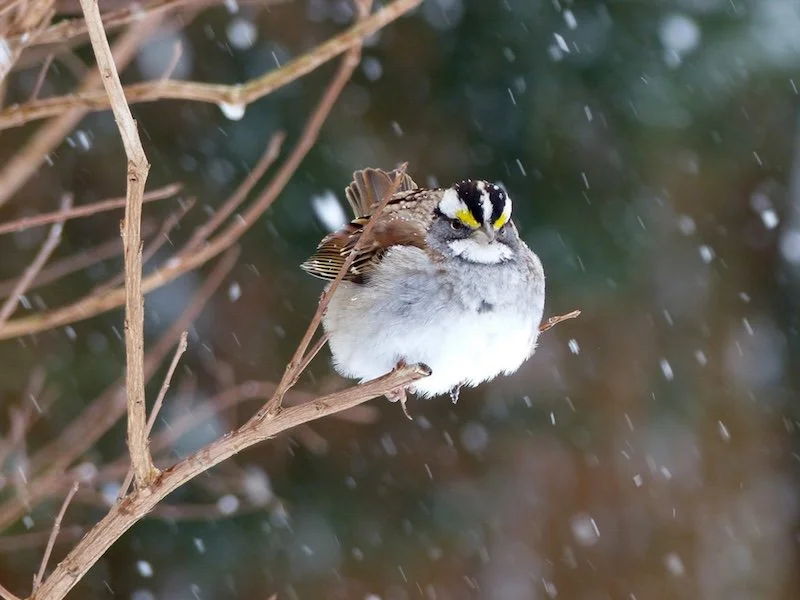
Photo: White-throated Sparrow, Dawn Phillips/Audubon Photography Awards
Original program date: March 20, 2026
This one-hour virtual course explores one of North America’s most fascinating songbirds: the White-throated Sparrow. While it may look like an ordinary backyard bird, this species has a truly unusual breeding system. Want to learn more? Join this class, taught by Professor Kiersten Newtoff, to explore their evolution, behavior, and more.
This course is not intended to teach sparrow identification; instead, it focuses on the science behind one of the many birds you can observe in this region.
About the professor:
Kiersten Newtoff (MS, Marine Biology) is an associate professor of biology at Montgomery College, a community college in Maryland. Her master's thesis examined mercury distributions in pelican colonies in North Carolina and she worked at NASA Goddard Space Flight Center using satellite imagery to answer ecological problems. Over the past several years, she has been teaching her students about the local avifauna, which led to the development of the campus nestbox trail where 300 + fledglings have called Montgomery College their home. Kiersten is working on her PhD in Biology at UMBC to better understand the impacts of urbanization on Eastern Bluebird reproductive success. She also holds a Master Banding Permit to assist with her research. When she’s not working on teaching or research, she can be found doing yard work, playing boardgames (like Wingspan!), or crafting up a fun cocktail.

2026 Bird of the Year Webinar: Woodpeckers with Matt Felperin
Join NVBA and special guest Matt Felperin for a virtual event on National Bird Day (January 5th) to celebrate our 2026 Bird of the Year, the Pileated Woodpecker. Matt’s presentation also includes lots of information on our other native woodpeckers.
Photo: Pileated Woodpeckers, Anne Bielamowicz/NVBA Photo Contest
Original program date: January 5, 2026
Join NVBA and special guest Matt Felperin for a virtual event on National Bird Day (January 5th) to celebrate our 2026 Bird of the Year. After a brief discussion on why NVBA chose the Pileated Woodpecker as our inaugural Bird of the Year, Matt will expand the conversation to woodpeckers as a whole. His presentation will include fun woodpecker facts, identification tips, where to find woodpeckers in Northern Virginia, and conclude with time for questions!

Effective Advocacy in Virginia with Delegate Kathy Tran
Learn how to be a more effective advocate through this dicussion with Honorable Kathy Tran, Representative for Virginia District 1.
Photo: Virginia State Capitol Building, Wikimedia user Skip Plitt via CC BY-SA 3.0
Original program date: December 16, 2025
Do you want to learn how to be a more effective advocate? Join NVBA and Loudoun Wildlife Conservancy for a virtual program, “Effective Advocacy in Virginia,” with the Honorable Kathy Tran, Representative for Virginia District 18 and Majority Caucus Chair for the Virginia House of Delegates.

Italy's Birds and Conservation Efforts
Join us for a discussion with Marco Valtriani, an Italian biologist who has over twenty-five years of experience guiding birders and nature lovers through Italy.
Photo: Eurasian Collared Dove, Beverly Hallberg/Audubon Photography Awards
Original program date: November 24, 2025
Join us in welcoming Marco to northern Virginia where he will share how Italy’s passion for birds, nature, and conservation has shaped the country’s landscapes through history. You’ll also get an opportunity to learn more about Marco’s ongoing ecotourism initiatives with S-Cape Travel, which offers unique opportunities for birding adventures across famous Italian “boot.”

Spectacular Spiders with Judy Gallagher
Spiders capture our imagination in a way most insects don’t. From Spiderman to spooky Halloween spiders, they're everywhere in our popular culture. However, most of us don't know much about these spectacular creatures or the important roles they play in our ecosystems and daily lives.
Photo: Jumping Spider, Judy Gallagher
Original program date: October 28, 2025
Spiders capture our imagination in a way most insects don’t. From Spiderman to spooky Halloween spiders, they're everywhere in our popular culture. However, most of us don't know much about these spectacular creatures or the important roles they play in our ecosystems and daily lives.
This webinar will take you on a journey through the incredible world of spiders. NVBA Board Member and insect expert Judy Gallagher will present photographs and her personal insights on these often-misunderstood marvels.
Whether you're facinated, spooked, or completely unaware of spiders, this is a great opportunity to view them in a new light!
Virtual Symposium on Spatial Approaches to Priority Setting in Conservation
This webinar provides examples for GIS applications in different settings (all on locations in NOVA) and offers participants an opportunity to learn from these examples, ask questions and build relationships with other organizations that could help them better achieve their goals.
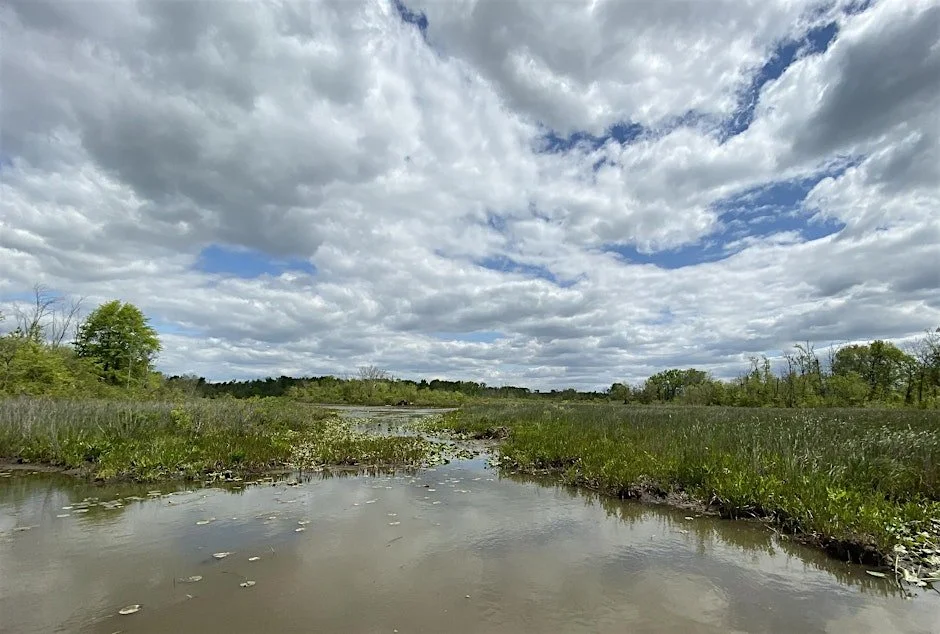
Photo: Occoquan Bay National Wildlife Refuge, Judy Gallagher
Original program date: October 15, 2025
Federal, State and local government authorities charged with conservation of our biodiversity and natural resources have limited means, which forces them to prioritize their interventions. The same applies for NGOs, foundations and private organizations that are active in conservation. Geographical Information Systems (GIS) are an important tool for spatial targeting of conservation efforts. However, using GIS effectively is not a trivial undertaking.
This webinar provides examples for GIS applications in different settings (all on locations in NOVA) and offers participants an opportunity to learn from these examples, ask questions and build relationships with other organizations that could help them better achieve their goals.
Our target audience includes professionals and volunteers working in government or non-governmental roles focusing on conservation who have an interest in how GIS analysis can help in developing conservation priorities and strategies. In-depth knowledge of GIS tools and applications is not required. Students of environmental sciences (or similar fields) with an interest in GIS are welcome.

Birdability Webinar with Cat Fribley
Join us and our local partner, DC Bird Alliance, as we work to promote Birdability’s mission through this free educational webinar on inclusive birding practices!
Photo: Boardwalk, SmellyPumpy via Pixabay
Original program date: October 2, 2025
Birding is for everybody and there are many practices that can make this amazing hobby truly accessible for all. Join Northern Virginia Bird Alliance (NVBA) as we learn about these practices from the Executive Director of Birdability, Cat Fribley (she/her). Cat began birding to support her own mental health journey and has since worked to find more ways to make birding accessible to others.
Birdability is a nonprofit dedicated to sharing birding with people who have disabilities while ensuring that the hobby is accessible for everybody. As such, Birdability Week, held during the third week of each October (20-26th), is a celebration of birders with disabilities or health concerns.
Join us and our local partner, DC Bird Alliance, as we work to promote Birdability’s mission through this educational webinar on inclusive birding practices!
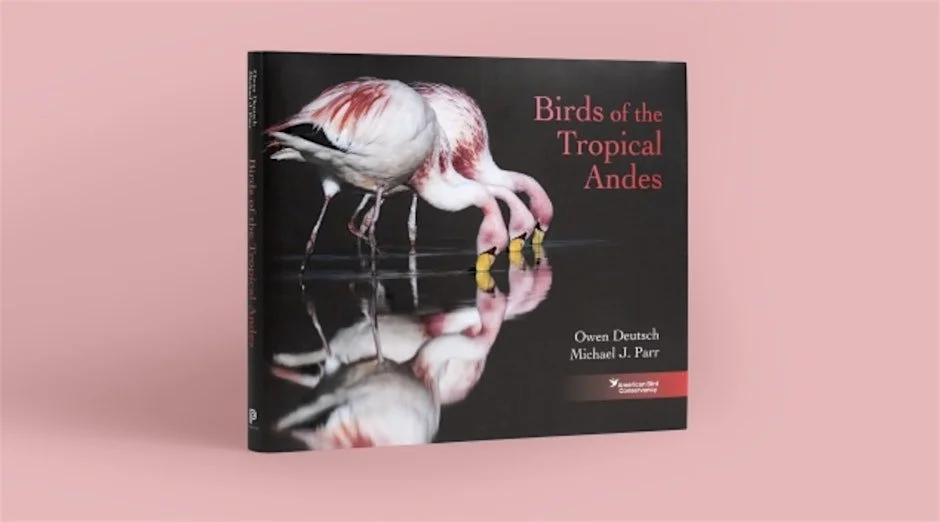
Author Talk: Birds of the Tropical Andes with Michael Parr
Michael Parr, president of American Bird Conservancy and author of several bird guides and articles, discusses his newest book, Birds of the Tropical Andes.
Photo: Birds of the Tropical Andes, courtesy of Princeton University Press
Original program date: September 24, 2025
Michael Parr, president of American Bird Conservancy and author of several bird guides and articles, discusses his newest book, Birds of the Tropical Andes. This gorgeous photographic guide is dedicated to the birds of the tropical Andes that contribute to the abundance of biodiversity in the region.
This event is part of NVBA's Hispanic Heritage Month programming. While free to attend, any donations will go directly to supporting supporting new and diverse birding programmin in Northern Virginia!

Fall Butterfly Identification with Larry Meade
Brush up on your butterfly identification skills! Larry Meade will walk us through the common species and help us differentiate some of the trickier look-a-like species.
Photo: Variegated Fritillary, David Illig
Original program date: September 9, 2025
The sight of butterflies fluttering around on a warm day is one of the most iconic signs of summer, but they can still be found well into the fall months. These beautiful insects usually live for only a few weeks as adults, but they make quite an impression while they are in their full glory. There is a large variety of butterfly species in our area. Larry Meade will walk us through the common species and help us differentiate some of the trickier look-a-like species.
A good way to prepare this program is to review Butterflies of the Mid-Atlantic, a Field Guide, by Robert Blakney and Judy Gallagher. Judy Gallagher is a member of the ASNV Board, and the field guide is available for purchase on the NVBA website.
Larry Meade is president of the Northern Virginia Bird Club and a member of the NVBA Adult Education Committee. He is a frequent bird walk leader and has been involved in numerous Audubon Christmas Bird Counts and NABA Butterfly Counts. He is the compiler of the Alexandria Circle NABA Butterfly Count
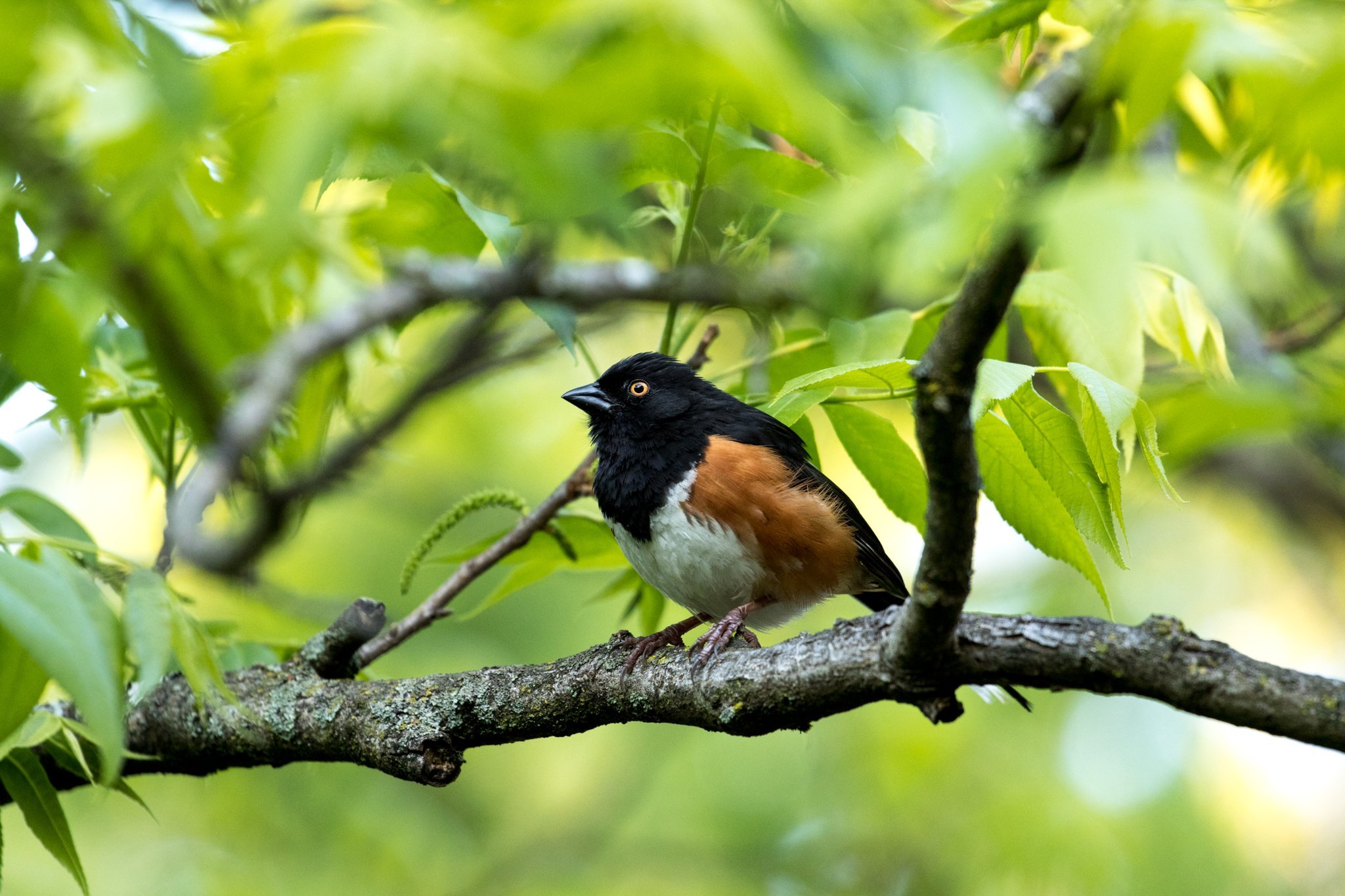
2025 Backyard Bird ID Workshop - Get Ready for Birdathon at Home!
Join us for an exciting backyard bird identification workshop, where we’ll dive into the fascinating world of local birds and seasonal visitors!
Photo: Eastern Towhee, Calli Cook/Audubon Photography Awards
Original program date: March 20, 2025
Join us for an exciting backyard bird identification workshop, where we’ll dive into the fascinating world of local birds and seasonal visitors! Whether you’re watching from your window, patio, or garden, you’ll gain the confidence to identify and appreciate the birds around you.
During this workshop, we’ll cover:
Common backyard bird species you’re likely to see year-round
Migratory warblers that might pass through your yard this Spring
Essential birding tools—from field guides to apps and binoculars
How to use Merlin to identify unfamiliar birds
How to use eBird to report birds you observe
Tips for creating a team and participating in Birdathon
This event is perfect for those looking to compete in the Backyard Birdathon category of Birdathon, our Spring Fundraiser, where you create a team to count as many unique species as you can in one day!
This is also a great opportunity for Wildlife Sanctuary Program participants to brush up on how to identify the Sanctuary Species that visit their yards. You need to document 10 sanctuary species to get your certification! Board Member Betsy Martin will join us to speak about that program and how we can all make our yards friendlier to birds.
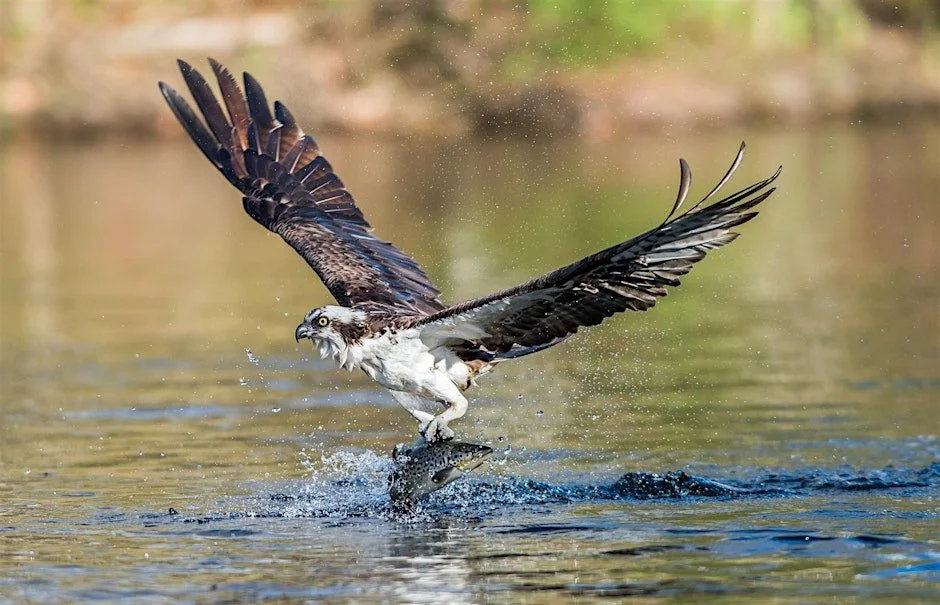
Ospreys in the Chesapeake Bay Watershed with Joanie Millward
Did you know that the osprey is one of the greatest environmental success stories? Learn more about this fish-eating bird of prey with Joanie Millward, founder and Executive Director of the Virginia Osprey Foundation.
Photo: Osprey, Doug German/Audubon Photography Awards
Original program date: March 11, 2025
Ospreys are a fish-eating bird of prey that can be found all over the world. Did you know that the osprey is one of the greatest environmental success stories? Osprey numbers crashed in the early 1950s to 1970s, when pesticides poisoned the birds and thinned their eggshells. Along the coast between New York City and Boston, for example, about 90% of breeding pairs disappeared. Osprey studies provided key support for wider legal arguments against the use of persistent pesticides. Learn more about their history, the challenges this species faces today in the Chesapeake Watershed and how you can help.
Joanie Millward is the founder and Executive Director of the Virginia Osprey Foundation. The Virginia Osprey Foundation based in Colonial Beach, VA is a 501 (c) (3) non-profit organization dedicated to the conservation, protection, and stewardship of the majestic Osprey species and their fragile habitats throughout the Commonwealth of Virginia. Our mission is to foster a sustainable environment where Ospreys thrive, inspiring a harmonious coexistence between humans and wildlife.

Audubon Afternoon: Glaciers to the Open Ocean, Using eBird to Study Rare Bird Behavior
Will Brooks describes how he used eBird data to study birds on glaciers, an enigmatic ecosystem, and birds lost offshore, a rarely observed event.
Photo: Antarctic Shag, Sunil Singh/Audubon Photography Awards
Original program date: January 12, 2025
Will Brooks describes how he used eBird data to study birds on glaciers, an enigmatic ecosystem, and birds lost offshore, a rarely observed event. The eBird app has transformed birding and promises to do the same for ornithological research. With 930,000 users and 1.6 billion bird observations, eBird captures rarely observed events that would have been missed by the few observers in a more traditional study. Ebird records, made possible by birders, give researchers the opportunity to tackle new scientific questions, producing new findings. Based on these studies and his perspective as a birder, Brooks provides tips on how you can make your eBirding more useful for science.
Will Brooks has been an avid birder for 18 years. His interest in scientific research emerged in college at the University of Puget Sound, when he discovered that birds were great for studying broader patterns in the natural world. He completed an undergraduate research project studying how song may drive speciation in sparrows before spending a few years gaining field research experience. He now studies bird responses to deforestation in Malaysian Borneo as part of his PhD at University of Puget Sound.

2025 Ducks and Waterfowl Identification with Greg Butcher
Join Greg Butcher, NVBA board member and retired migratory species coordinator for the U.S. Forest Service International Programs, for an introduction to waterfowl identification.
Photo: Green-winged Teal, James Fatemi/Audubon Photography Awards
Original program date: January 16, 2025
Join Greg Butcher, NVBA board member and retired migratory species coordinator for the U.S. Forest Service International Programs, for an introduction to waterfowl identification. Get to know many of the species that winter in the open waters of our region. You’ll learn how to tell a Bufflehead from a Hooded Merganser, and, you’ll learn the features (and hear the call) of the beautiful Tundra Swans that winter in Northern Virginia. Strategies will include identification by shape and color pattern.

Building Back Bird Diversity: Best Management Practices that Really Work!
Join us for Justin Proctor’s presentation on bird-friendly best management practices to apply across rural, suburban, and urban landscapes.
Graphic: Evan Barrientos/Audubon
Original program date: December 17, 2024
Join us for Justin Proctor’s presentation on bird-friendly best management practices to apply across rural, suburban, and urban landscapes. His talk explores strategies, technical assistance, and cost-share programs that can greatly simplify and accelerate your adopting and putting into effect practices that increase habitat and biodiversity on your property. Specific practices to be covered include how to convert lawns into functional grasslands, transitioning to zero emission landscaping equipment, reducing and refining landscape management, dark skies lighting, and many more.
Justin Proctor is a conservation biologist with the Smithsonian's Virginia Working Landscapes program. He is based in Front Royal, VA. He coordinates the Virginia Grassland Bird Initiative, working to assist producers and landowners in adopting a suite of best management practices for bird conservation on their landscapes. Justin has spent 15+ years working in the fields of science, education, and conservation, affording him opportunities to conduct ornithological research across the western hemisphere. Justin is excited to be a part of an initiative that takes science and turns it into action that benefits biodiversity, landscape resiliency, farmer livelihoods, and local communities.
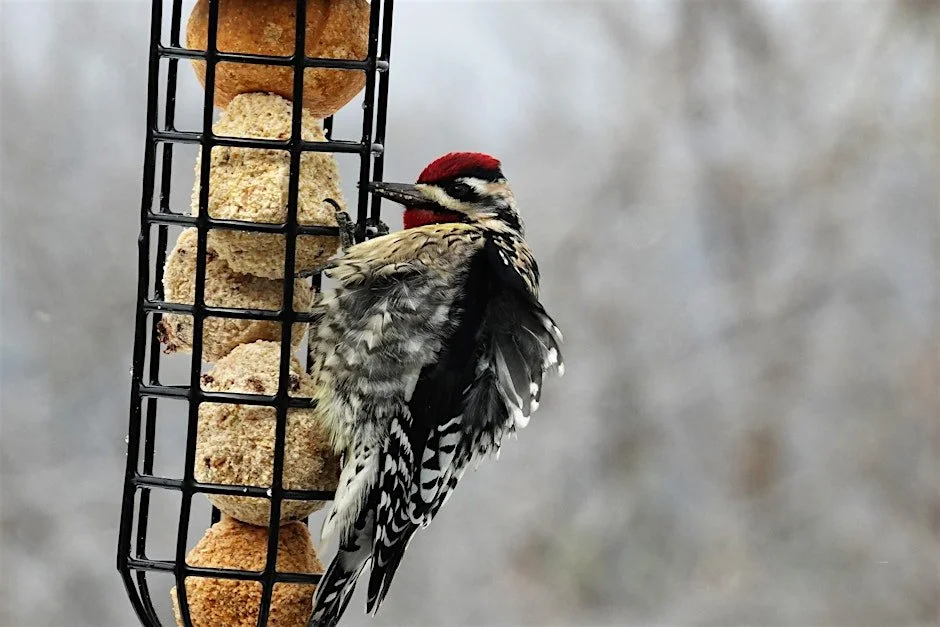
Project FeederWatch Workshop with Greg Butcher
Greg Butcher covers a bit of Project FeederWatch history, its purpose, tips for identifying birds, and the protocols to be followed while counting.
Photo: Yelllow-bellied Sapsucker, Pamela Brown/Audubon Photography Awards
Original program date: November 21, 2024
From the comfort of your home, you simply count the winter birds that visit your feeders and report your data to Cornell Lab of Ornithology.
This FREE workshop covers a bit of Project FeederWatch history, its purpose, tips for identifying birds, and the protocols to be followed while counting.
Greg Butcher, formerly on the Board of NVBA, served as the Migratory Species Coordinator for the U.S. Forest Service’s International Programs, and also worked at the National Audubon Society, American Birding Association, Partners in Flight, and Cornell Lab of Ornithology. He also served as editor of Birder’s World magazine. He now leads birding tours around the world and volunteers on the NVBA Conservation Committee.
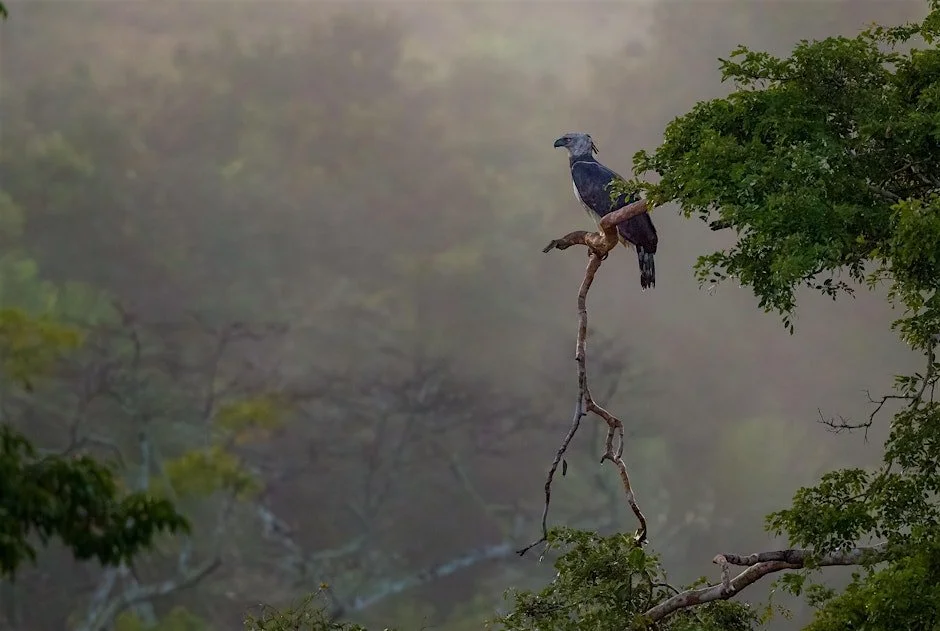
Strengthening Bird Habitats and Coastal Resilience in Panama
Join us for a presentation by Julio Montes de Oca and Adriana Moreno on Audubon Americas’ work supporting bird conservation in Panama.
Photo: Harpy Eagle, Keith Freeburn/Audubon Photography Awards
Original program date: October 29, 2024
Although it is only about three-quarters the size of Virginia, Panama has recorded more than 1,000 bird species. Each year millions of migratory shorebirds fuel their journeys across this narrow isthmus that connects the continents, making this small country tremendously important to migratory avifauna. Panama Bay alone hosts a third of the global population of Western Sandpipers, a fifth of the world’s Semipalmated Plovers, and dozens of other North American migratory bird species.
Join us for a presentation by Julio Montes de Oca and Adriana Moreno on Audubon Americas’ work supporting bird conservation in Panama. Audubon America has been working in Panama since 2006. Its most recent focus has been a collaboration with the Inter-American Development Bank and Panama Audubon Society on the “Blue Natural Heritage Project,” a project supporting carbon capture, biodiversity, human well-being, and coastal resilience. The project aims to elevate the importance of Panama’s coastal mangrove ecosystems and related wetlands, the carbon they sequester, and the biodiversity and livelihoods they support.
Learn How to Protect Northern Virginia's Birds
Watch this recorded program to learn more about the dangers our birds face from window collisions and other man-made hazards and what you can do to make their lives less risky.
Photo: Purple Martins, Keith Kingdon/Audubon Photography Awards
Original program date: October 9, 2024
Over 100 million birds migrate through northern Virginia each spring, and 160 million migrate through each fall. Their journeys are perilous because they can be attracted to and disoriented by brightly lit buildings and crash into them or waste precious energy flying around the lights.
Birds that live here risk colliding with glass and other reflective surfaces, and light pollution disrupts their feeding, sleeping and reproduction, as well as that of the plants and insects on which they depend.
NVBA has established a partnership with Loudoun Wildlife Conservancy, DarkSky Virginia, DarkSky NOVA, Nature Forward, the Friends of Dyke Marsh and the Friends of Little Hunting Creek to initiate a Bird Safe NOVA campaign. Watch this recorded program to learn more about the dangers our birds face and what you can do to make their lives less risky. Our speakers include Greg Butcher, the recently retired Migratory Species Coordinator for U.S. Forest Service’s International Programs; Christine Sheppard, the American Bird Conservancy’s Bird Collisions Campaign Director; and Laura Greenleaf, the volunteer leader of DarkSky Virginia.