NATIVE BEES
photo by Judy Gallagher
Native Bees
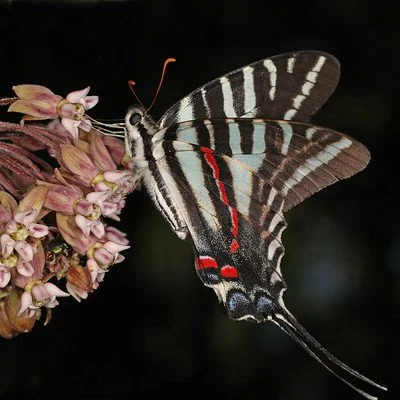
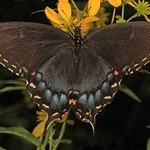
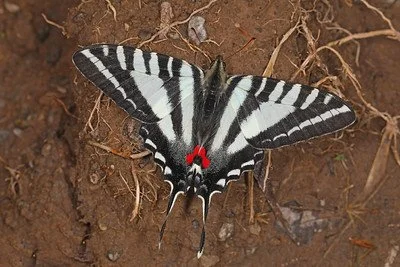
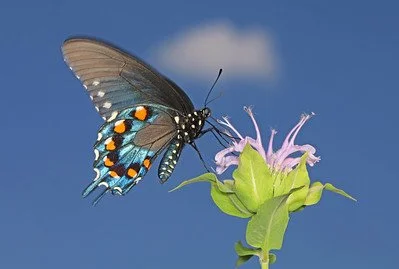
Zebra Swallowtail - Photo by Judy Gallagher
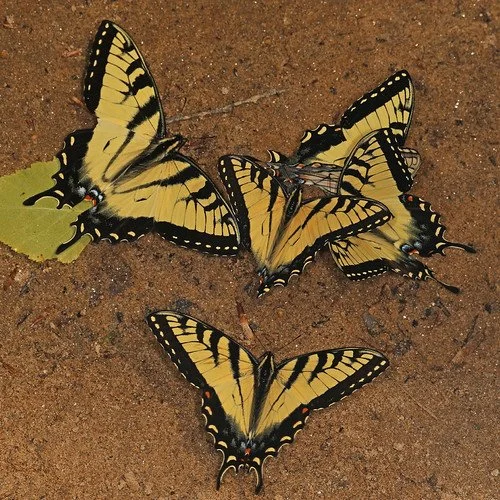
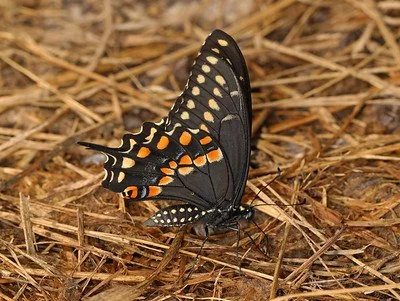
Tiger Swallowtails Puddling - Photo by Judy Gallagher
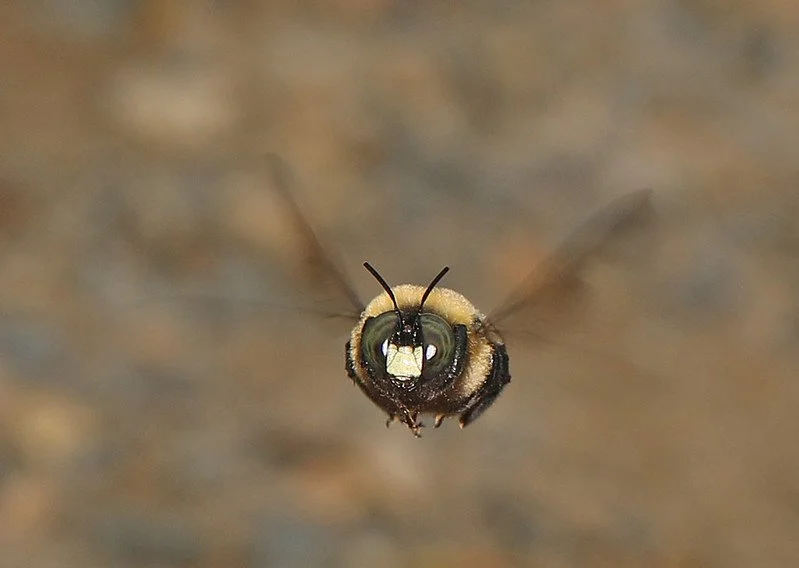
According to recent estimates, there are 456 native bee species in Virginia. They are in six families whose common names often reflect their nesting habits: Carpenter bees build their nests in bare wood, mining bees (or Andrenids) dig nests in bare ground, leafcutter bees cut small holes out of leaves to line nesting cells for immature bees, and mason bees cap their nest cells with mud. Sweat bees are so named because they are attracted to people’s sweat, for the salt, and bumble bees bumble and buzz as they forage on flowers.
Most native bees are solitary rather than social and do not nest in colonies. With no colony to defend, solitary bees, as a rule, do not sting. Bumble bees are the only truly social native bees in the U.S. (honey bees are also social but are not native). Native bees range in size from less than 1/8” to over 1” long. They vary greatly in color from brown or black to metallic green or blue and may have stripes of red, white or yellow. Many look like small flies.
Native bees play a vital role in pollinating native plants and trees as well as food crops. Bumble bees are particularly important pollinators because they buzz pollinate by vibrating their flight muscles while clasping a flower, dislodging pollen that is difficult to access. This ability makes bumble bees more effective pollinators of many plants than other bees, such as honeybees, that cannot buzz pollinate. Bumble bees are highly efficient pollinators for food crops as well as native plants and are vital to tomatoes (one of the only insects that can pollinate them), cranberries, blueberries, plums, apples, peppers, and alfalfa.
The life cycle of bees resembles that of butterflies, in that they metamorphose from egg to larva to pupa to adult. Individual bees may live a year or longer, but only a few weeks are spent as adults. Most of a bee’s life is spent in a nest cell provisioned by its mother with a loaf of pollen to nourish the developing bee.
Many bee species are generalists and gather pollen from any flower source. Others are specialists who are very particular about the pollen they collect for their offspring. There are 123 specialist bee species in Virginia that gather pollen only from certain native plant species. The mutual relationship between specialist bees and their special plants evolved over millennia, and both bees and plants suffer without the other.
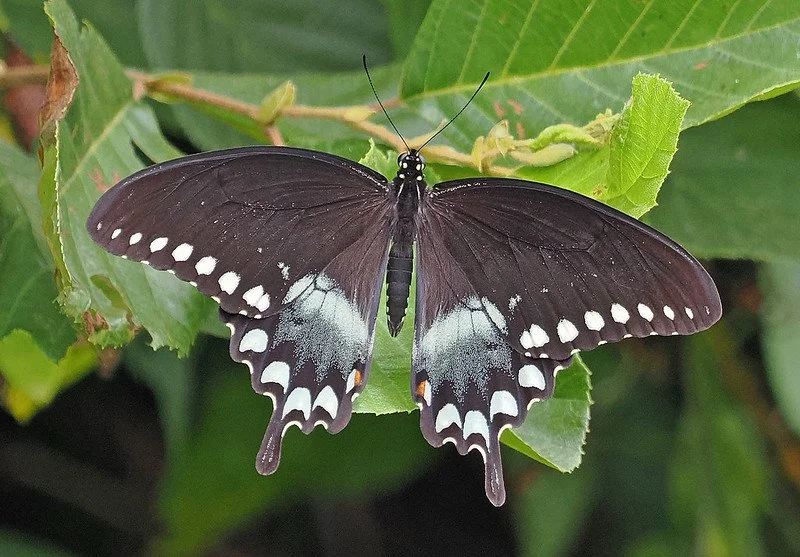
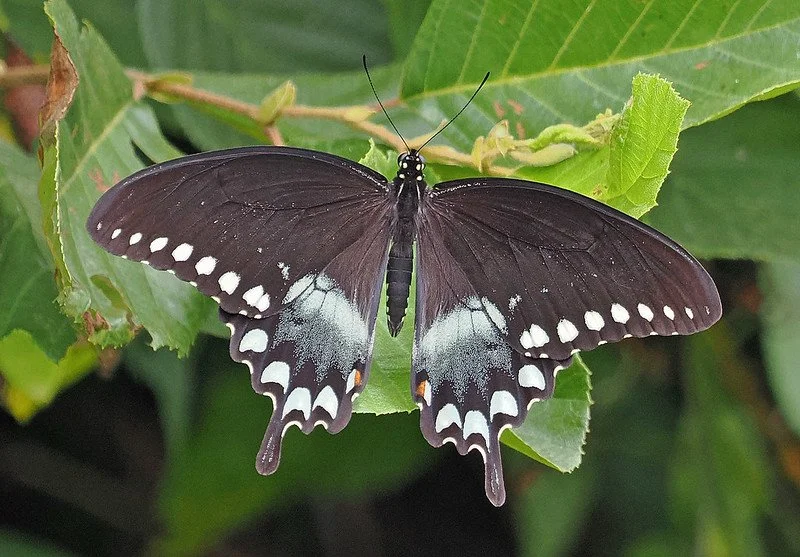
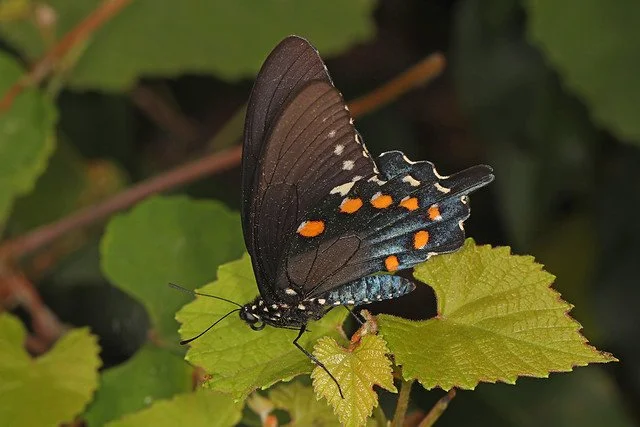
Spicebush Swallowtail - Brown - Judy Gallagher
| What Native Bees Need | How Can We Help |
|---|---|
| Food and Water: Bees' nutritional needs are almost entirely met by flowers. Adult bees eat a little pollen and a lot of nectar, and they feed their larvae a lot of pollen, often mixed with a little nectar.
|
|
| Breeding and nesting: Solitary bees may nest together if a good site is found, but construction, food gathering, and egg-laying are individual. Most species dig a tunnel in bare or partially vegetated soil. Some use abandoned beetle burrows or rodent burrows. Others nest in tree and plant cavities, including hollow stems. A few species construct nests out of mud, plant resins or saps, along with tiny particles from rocks or trees. Mason bees and leafcutter bees use soil or leaf material to separate individual larval cells. Some nests have only a single brood cell, but most have 10-50 or more. |
|
| Reduce hazards: Bees are threatened by habitat loss and by use of pesticides. Broadcast spraying for mosquitoes kills bees and other insects. Diseases and parasites may spill over from commercial agricultural and managed bee operations into wild bee populations. One bee species (the Rusty patched bumblebee, Bombus affinis, found in Fauquier and four western Virginia counties) is the only insect federally listed as an endangered species. |
|
Resources:
To identify flowering native plants that will provide nectar and pollen throughout the bloom period, consult Plant Nova Natives' bloom timetable and their more comprehensive Plantfinder which includes bloom times for native flowering plants in Northern Virginia.
To learn more about the native plants required by specialist bees, see Virginia Native Plant Society's summary of a presentation by Sam Droege and their list of plants for specialist bees.
To identify specialist bees and their plants, see Pollen Specialist Bees of the Eastern United States, by Jarrod Fowler and Sam Droege, 2020.
Where to see Swallowtails and their habitat:
Huntley Meadows Park, Occoquan Bay National Wildlife Refuge, Manassas Battlefield Park, and Meadowlark Gardens Regional Park.