

Lawnmowers, Yard Equipment
Power equipment such as lawnmowers, tillers, and string trimmers are a danger to snakes, turtles, baby rabbits, ground-nesting birds, toads/frogs, lizards and salamanders.
Power equipment such as lawnmowers, tillers, and string trimmers are a danger to snakes, turtles, baby rabbits, ground-nesting birds, toads/frogs, lizards and salamanders. We recommend surveying areas of tall grass you plan to mow to so you can avoid wildlife in hiding or encourage them to move out of your way.
The Wildlife Rescue League says when you mow your yard in the spring “please be careful! Rabbit nests and baby bunnies can sometimes be hidden in tall grass, so before you mow make sure you do a quick review of your lawn. Rabbit nests typically look like patches of dead grass. If you do find a rabbit’s nest, be sure not to mow within 10 feet of it to ensure the safety of the litter. Rabbits will leave their nests at about 3 weeks old, so you can go back and check after a few weeks to see if it’s still inhabited before mowing again. If you find injured rabbits in your lawn, be sure to call our helpline at (703) 440-0800 for more information!
Need Wildlife Rescue Help?
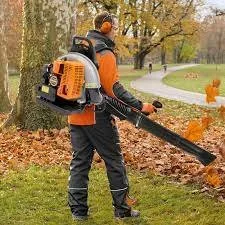
Noise Pollution
If you have ever participated in NestWatch or Project FeederWatch, your data may have informed the study summarized in How Noise Pollution Can Negatively Impact Bird Populations which finds that birds are
If you have ever participated in NestWatch or Project FeederWatch, your data may have informed the study summarized in How Noise Pollution Can Negatively Impact Bird Populations which finds that birds are significantly affected by noise, including while trying either to attract mates via song, establish nests, or listen for predators, and that noise pollution can increase birds’ stress levels and reduce their sizes and life spans.
You can limit the noise by using electric or human-powered lawn equipment rather than gas powered, such as raking leaves instead of using a leaf blower, keeping music volumes at outdoor events at a modest level,
encouraging your community to set aside one day a week not to mow, and limiting the use of fireworks to July 4th.

Light Pollution
Artificial light disrupts natural behavior for migrating birds and for flying insects.. Some species of migrating birds are drawn to lighted buildings and structures and can become confused,
Artificial light disrupts natural behavior for migrating birds and for flying insects..
Some species of migrating birds are drawn to lighted buildings and structures and can become confused, circling for hours until they are exhausted. This is often in urban settings where landing puts them at risk of window collisions during the day, lack of protective cover, food, and water.. Stay informed about what species are birds are migrating through your area in the spring and fall with Bird Cast Migration Tools . Learn more about how you can help from the Lights Out program.
Outdoor lighting is a magnet for many nocturnal insects and is contributing to the rapid decline in insect populations. Light Pollution is contributing to the Insect Apocalypse. Artificial light at night can affect every aspect of insects’ lives, the researchers said, from luring moths to their deaths around bulbs, to spotlighting insect prey for rats and toads, to obscuring the mating signals of fireflies. We can help by using warm-spectrum LED lights bulbs 3,000 K or less (which don’t attract moths) and by installing motion-detectors to control essential lighting, assuming any outdoor lighting is needed at all. Lighting up our properties at night is as rude to our non-human neighbors as playing loud music outdoors is to our human ones, only with more lethal consequences.
View an online program, World Migratory Bird Day: Lights Out For Birds, recorded on May 5, 2022, about bird migration, how it can be impacted by light pollution, and how you can reduce this risk on your property.

Outdoor Cats: The #2 Manmade Threat to Birds
Second only to habitat loss, predation by domestic cats is the most important direct, human-caused threat to birds in the United States and Canada.
Second only to habitat loss, predation by domestic cats is the most important direct, human-caused threat to birds in the United States and Canada.
In the United States and Canada, free-roaming cats are the top source of direct, human-caused bird mortality. Free-roaming cats kill an estimated 2.4 billion birds and 12.3 billion small mammals every year in the United States alone. Although this number may seem unbelievable, it represents the combined impact of tens of millions of outdoor cats, including feral cats as well as those owned but kept outdoors. Outdoor cats also kill millions of frogs, lizards, and oher wildlife each year. The magnitude of this level of wildlife mortality by an introduced predator has contributed to significant conservation impacts. Learn more about this problem here.
Need Wildlife Rescue Help?

Bird-Window Collisions: A Major Threat to Birds
Window Collisions kill up to 1 billion birds each year following window collisions. Glass is invisible to birds. They perceive glass reflections of vegetation, landscapes, or sky to be real and they attempt to reach
Window Collisions kill up to 1 billion birds each year following window collisions. Glass is invisible to birds.
They perceive glass reflections of vegetation, landscapes, or sky to be real and they attempt to reach habitat, open spaces, or other attractive features either reflected by the window glass or natural plantings and sky visible through either through windows or free-standing glass.
The American Bird Conservancy provide comprehensive information on the problem and tested solutions to prevent window collisions in urban and rural, residential and commercial settings.
Need help applying bird tape or film on your windows at home? Try asking a window washing company to do it for you.
RELATED: Artificial Light
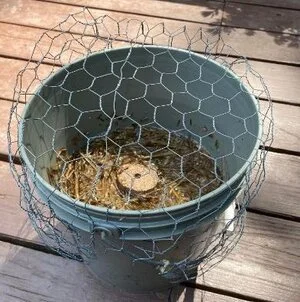
Build an Effective Mosquito Trap
Try this effective DIY Mosquito Larvae Trap
This DIY larval stage mosquito trap is an effective alternative to the broad-spectrum sprays that pose a risk to all invertebrates including the ones your habitat is designed to attract.
https://www.audubonva.org/news/how-to-set-up-a-mosquito-larva-trap
Fall is the best time to plant!
We are exploring ways to provide information to Audubon at Home clients This post is to check out the behavior of a squarespace blog page.
Monthy Message:
La
La
La
La
Getting rid of that bark mulch for native ground cover plants?
What’s happening out there? Check out our habitat happenings calendar here
Point to calendar of events
Share your story