NVBA NEWS BLOG
Welcome to the blog for Northern Virginia Bird Alliance, a wealth of resources about northern Virginia birds, wildlife, habitat conservation and restoration, native plants, wildlife-friendly gardening, advocacy and more.
Avian Influenza in Ducks in and near Virginia
Several dead ducks have been found in and around Virginia to have avian influenza (AI). These birds include a Green-winged Teal in Virginia Beach, a Lesser Scaup in Kent County Maryland, and 17 ducks of several species in North Carolina.
Photo: Mallard, Northern Pintail, American Widgeon, Steve Lefkovits
Several dead ducks have been found in and around Virginia to have avian influenza (AI). These birds include a Green-winged Teal in Virginia Beach, a Lesser Scaup in Kent County Maryland, and 17 ducks of several species in North Carolina.
The recent detections of a Eurasian strain of AI in these wild birds serve as an early warning system for people in the U.S. to look for groups of dead or sick waterfowl and to protect poultry and pet birds from AI.
If you encounter sick or dead birds in Virginia, please submit an event report here. If you must remove dead birds, wear gloves and a mask, and place birds in a sealable plastic bag to dispose with household trash. (Note: This AI has not been shown to be harmful to humans.)
If you want to track recent reports, you can visit here.
The version of avian influenza we are experiencing is often called Highly Pathogenic Avian Influenza (HPAI) or H5N1, referring to just one of many types of AI. H5 is a highly transmissible form among birds.
AI has the potential to infect humans, but there are few cases among humans so far, and none were serious that we know of. People in close proximity to poultry (mostly chickens and ducks) are most at risk, but we discourage handling of any dead birds without the use of gloves and a mask.
Updated Guidance on Feeding Birds from the VA DWR
On August 19, the DWR issued new guidance on feeding birds in light of the outbreak of avian disease this summer. Read on for the entire press release.
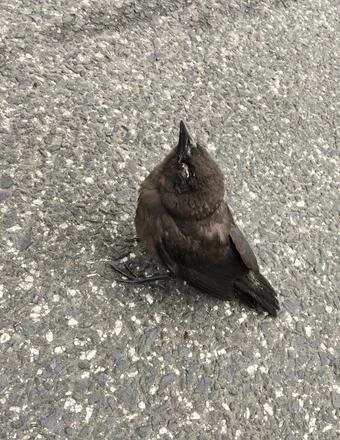
Photo: Blue Jay, courtesy of DWR
RECENT UPDATE ON FEEDING BIRDS
On Thursday, August 19, 2021 the Virginia Department of Wildlife Resources released the following advice about feeding birds:
WR Advises Following Best Practice Guidelines to Resume Feeding Bird
Press Release – Virginia Department of Wildlife Resources
In late May, wildlife managers in multiple states, including Virginia, began receiving reports of sick and dying birds that were exhibiting eye issues (swelling, crusts, discharge, etc.), along with neurological symptoms. No definitive cause(s) of illness or death have been determined. No human health or domestic livestock and poultry issues have been documented. As of mid-August, reports of sick and dead birds have declined in many jurisdictions, and the Virginia Department of Wildlife Resources (DWR) is lifting its previous recommendation to cease feeding birds in affected areas.
Virginia was one of the first states that received reports of birds displaying eye and neurological signs. Beginning in early June, the DWR, along with other local collaborating organizations, began documenting dead or sick bird reports and submissions to local wildlife rehabilitation hospitals. From these data, the DWR was able to target its response guidance to the areas of Virginia most likely to be affected by this mortality event, which included Alexandria, Arlington, Clarke, Fairfax, Falls Church, Fauquier, Frederick, Loudoun, Manassas, Prince William, Shenandoah, Warren, and Winchester. The DWR recommended removal of bird feeders in these affected areas beginning in June in order to limit potential disease transmission.
Natural resource management agencies in the affected jurisdictions continue to work with diagnostic laboratories to investigate the cause(s) of this event. The U.S. Geological Survey’s National Wildlife Health Center, the University of Georgia Southeastern Cooperative Wildlife Disease Study, the University of Pennsylvania Wildlife Futures Program, the Indiana Animal Disease Diagnostic Laboratory, and multiple state labs have been involved.
As reported previously, based on results received to date, the following pathogens have not been detected in any of the birds tested: Salmonella and Chlamydia (bacteria); avian influenza virus, West Nile virus, coronaviruses, Newcastle disease virus, herpesviruses, and poxviruses; and Trichomonas parasites. Toxicology tests have been negative for heavy metals, common pesticides, and herbicides. Additional diagnostic tests, including metagenomics work, are ongoing.
Residents that choose to feed birds or provide water in bird baths should remain vigilant for avian mortalities and consider the following best practice guidelines:
Clean feeders and bird baths at least once a week, then disinfect with a 10% bleach solution to prevent potential infectious disease spread between birds and other wildlife. After cleaning, rinse well with water and allow to air dry.
Wear disposable gloves when handling bird feeders and baths and wash your hands when finished.
When feeding birds, follow expert recommendations, such as those listed in Audubon International’s Guide to Bird Feeding.
Keep pets away from sick or dead wild birds.
Avoid handling wild birds. If you must do so, wear disposable gloves or place an inverted plastic bag over your hand to avoid direct contact with the bird. Dispose of dead birds in a closed plastic bag in household trash. Alternatively, you may bury bird carcasses at least 3 feet to prevent any disease transmission to scavenging animals.
If you observe any additional bird mortalities in Virginia, submit a mortality event to the DWR.
Bird mortality events are not uncommon. Several aspects make this particular event unique, including the extensive geographic scope, the duration of reported mortalities, and the fact that the initial reports were received from an urban area. The response and resulting recommendations to this and most all avian mortality events, however, is essentially the same. Affected birds are sent to a wildlife health laboratory for diagnostic investigation and residents of known affected areas are advised to minimize potential disease transmission by removing bird feeders and baths until the event has concluded. Once all of the diagnostic investigations involving this event are complete, the DWR hopes to be able to better tailor its diagnostic investigative response and guidance to the public for future bird mortality events.
Wildlife disease investigations can be inherently challenging and sometimes are unable to identify a definitive cause(s). The DWR greatly appreciates the assistance of the public and cooperating localities and facilities during this event, and when additional significant diagnostic results come to light, updated information will be shared. For additional information on this mortality event in Virginia, please visit dwr.virginia.gov/wildlife/diseases/2021-bird-mortality-event/
ACTION ALERT: Help Prevent the Possible Spread of Avian Disease
As hard as it is for bird watchers to take their feeders down, there is now a critical reason to do so. Recent unexplained bird deaths in our region prompted organizations such as the U.S. Geological Survey and the Virginia Department of Wildlife Resources to recommend that citizens remove their feeders and bird baths until the cause of the mortality is determined.
TAKE YOUR FEEDERS DOWN & CLEAN YOUR BIRD BATHS
As hard as it is for bird watchers to take their feeders down, there is now a critical reason to do so. Recent unexplained bird deaths in our region prompted organizations such as the U.S. Geological Survey and the Virginia Department of Wildlife Resources to recommend that citizens remove their feeders and bird baths until the cause of the mortality is determined.
If you do find a sick or dead bird, please report it to the VA Department of Wildlife Resources here.
For more specific information about avian deaths and how to possibly prevent them, read below.
From U.S. Geological Survey
Release Date: JUNE 9, 2021
In late May, wildlife managers in Washington D.C., Virginia, Maryland and West Virginia began receiving reports of sick and dying birds with eye swelling and crusty discharge, as well as neurological signs. No definitive cause of death is identified at this time.
Leslie Frattaroli, NPS
This bird was found in the Washington, D.C. metro region with swollen eyes and crusty discharge, a sign observed on most birds affected by a May/June 2021 mortality event in the area.
The District of Columbia Department of Energy and Environment, Maryland Department of Natural Resources, West Virginia Division of Natural Resources, Virginia Department of Wildlife Resources and National Park Service are continuing to work with diagnostic laboratories to investigate the cause of mortality. Those laboratories include the USGS National Wildlife Health Center, the University of Georgia Southeastern Cooperative Wildlife Disease Study and the University of Pennsylvania Wildlife Futures Program.
Birds congregating at feeders and baths can transmit disease to one another. Therefore, the state and District agencies recommend that the public in the outbreak area:
Cease feeding birds until this wildlife mortality event has concluded;
Clean feeders and bird baths with a 10% bleach solution;
Avoid handling birds, but wear disposable gloves if handling is necessary; and
Keep pets away from sick or dead birds as a standard precaution.
If you encounter sick or dead birds, please contact your state or District wildlife conservation agency. If you must remove dead birds, place them in a sealable plastic bag to dispose with household trash. Additional information will be shared as diagnostic results are received.
Read previous information from VA Department of Wildlife Resources here.