

NVBA News Blog
American Robin. Photo: Mick Thompson/Audubon Photography Awards
Welcome to the blog for Northern Virginia Bird Alliance, a wealth of resources about northern Virginia birds, wildlife, habitat conservation and restoration, native plants, wildlife-friendly gardening, advocacy and more.

From the Executive Director
There’s so much happening at NVBA in the coming months, and there’s so much more to do. See how joining our new local membership program will help us keep working for birds right here in northern Virginia.

Who is Missing from our Birding Community?
From September 12–20, communities across the country will celebrate Latino Conservation Week, a time to recognize the important contributions of Latino communities to conservation and to encourage greater participation in protecting and enjoying our natural world.
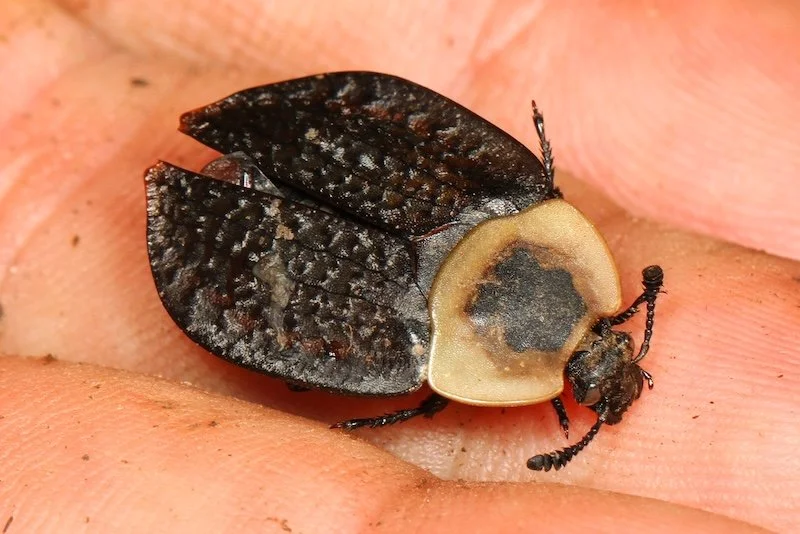
A Closer Look: Nature All Around Us
Judy Gallagher is an NVBA board member and a regular surveyor of local wildlife who also captures photos of what she sees, in particular the less common species.
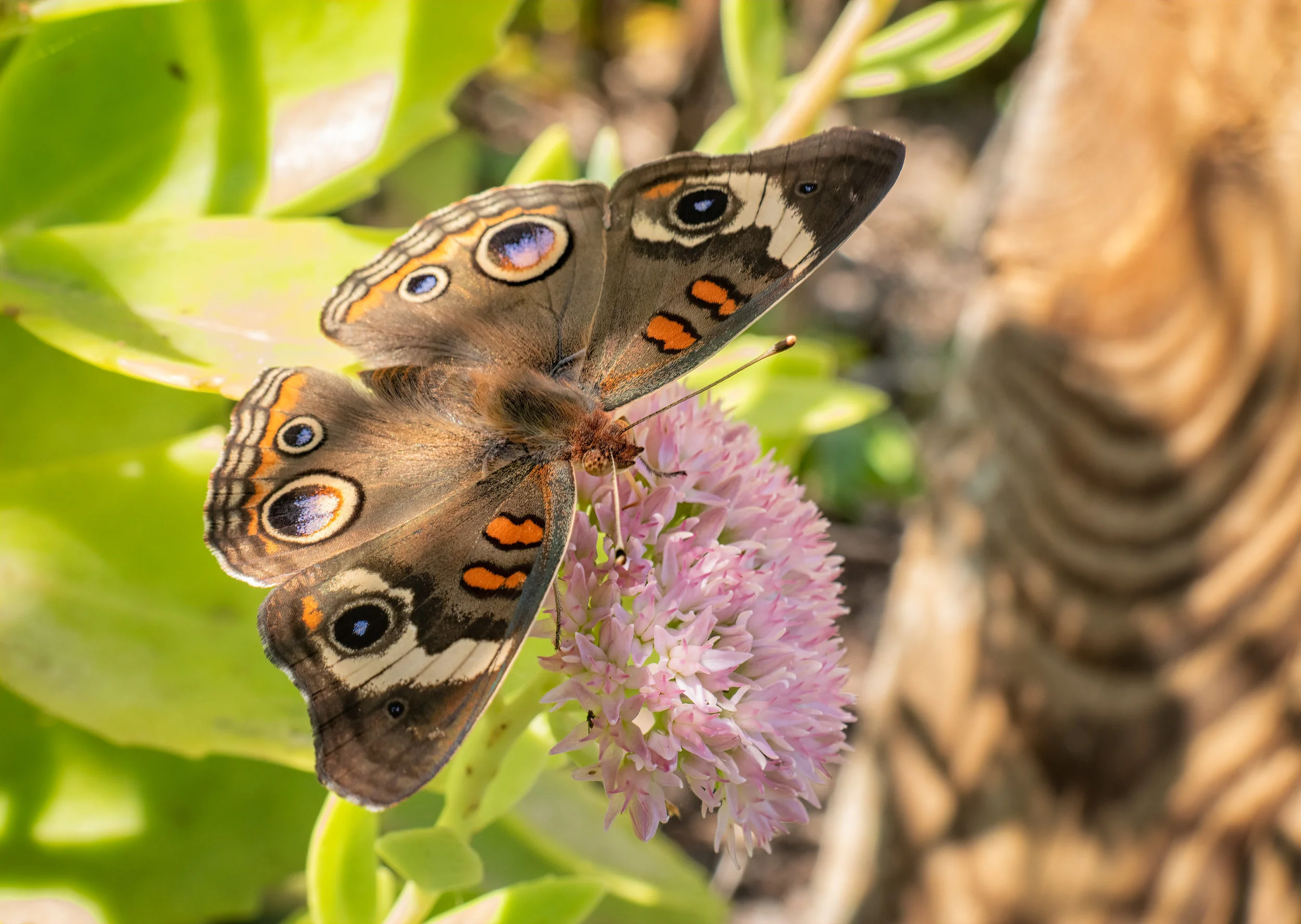
Butterflies Need Our Help
Butterflies are with us once again, moving softly and quietly across the landscape. They’ve been called flying flowers, floating poems, nature’s confetti, and many other appreciative metaphors. But words fall short every time.
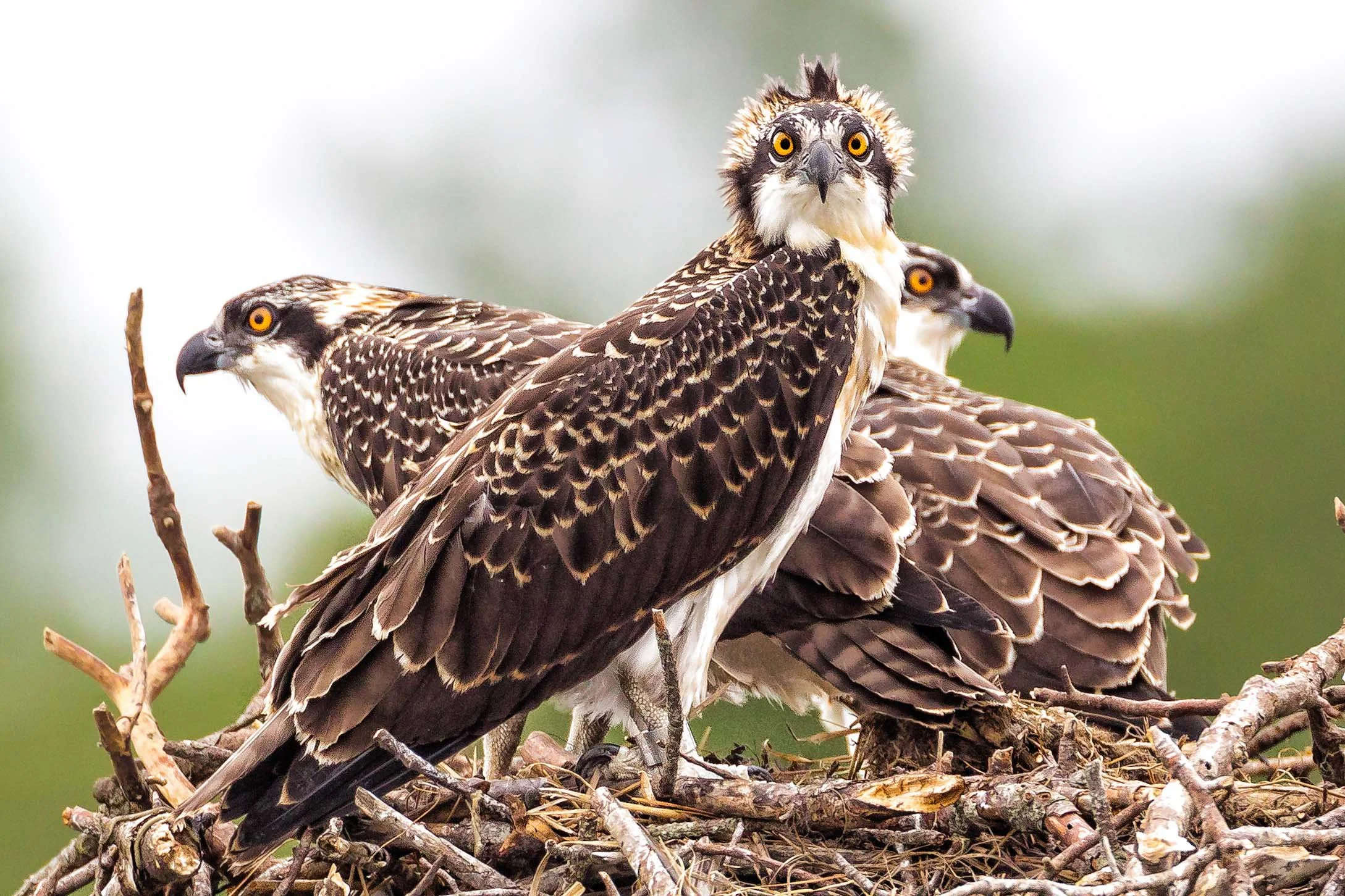
Osprey Populations are Plummeting in the Chesapeake Bay
The population of Osprey in the saltier portions of the Chesapeake Bay is declining dramatically due to the overfishing of menhaden on which the Osprey rely as a principal food source.
Seeking an Editor for the Potomac Flier
NVBA is looking for the next editor of our newsletter, The Potomac Flier! If you love writing and have a passion for birds and conservation, this volunteer position could be a great fit for you.
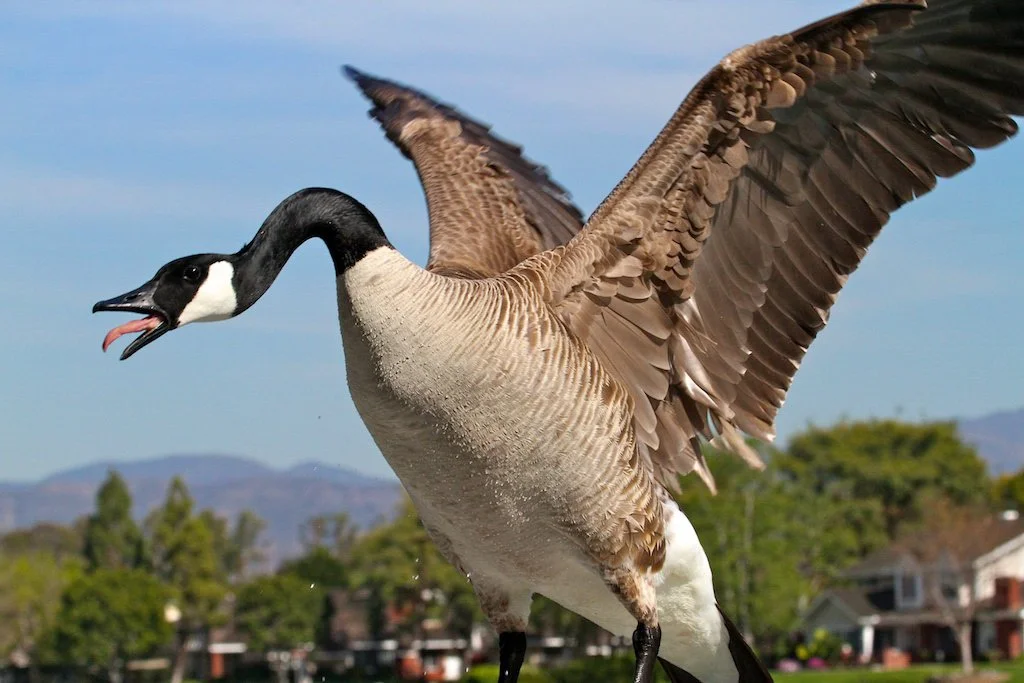
Birds as Co-workers
We've been watching the birds of northern Virginia very closely. Maybe too closely.
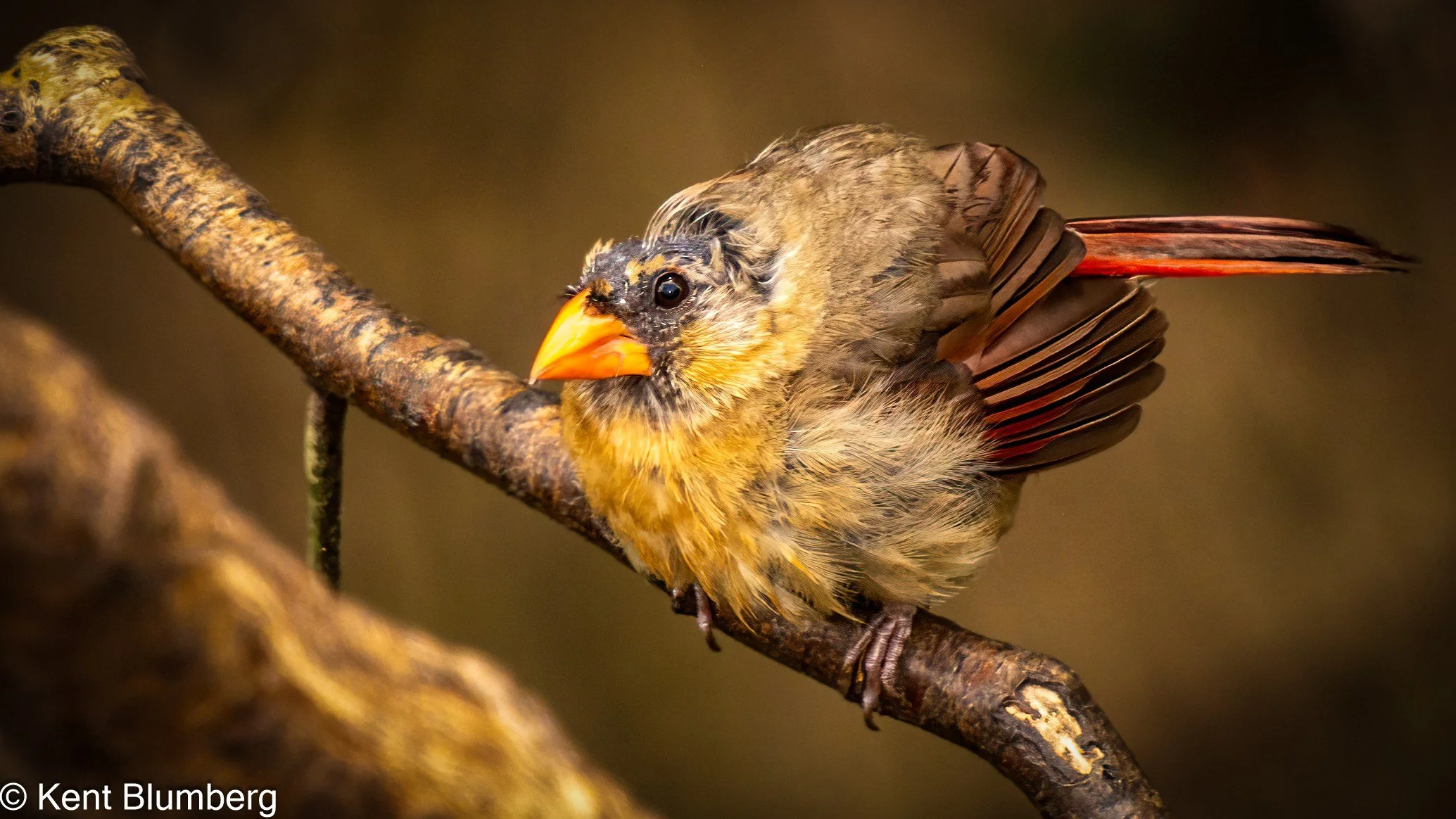
Bad Feather Days: Molt in Backyard Birds
Why is that Northern Cardinal bald? We all have bad hair days. Birds have bad feather weeks every late summer as they go through molt. Some, like Northern Cardinals, take the process to the extreme.
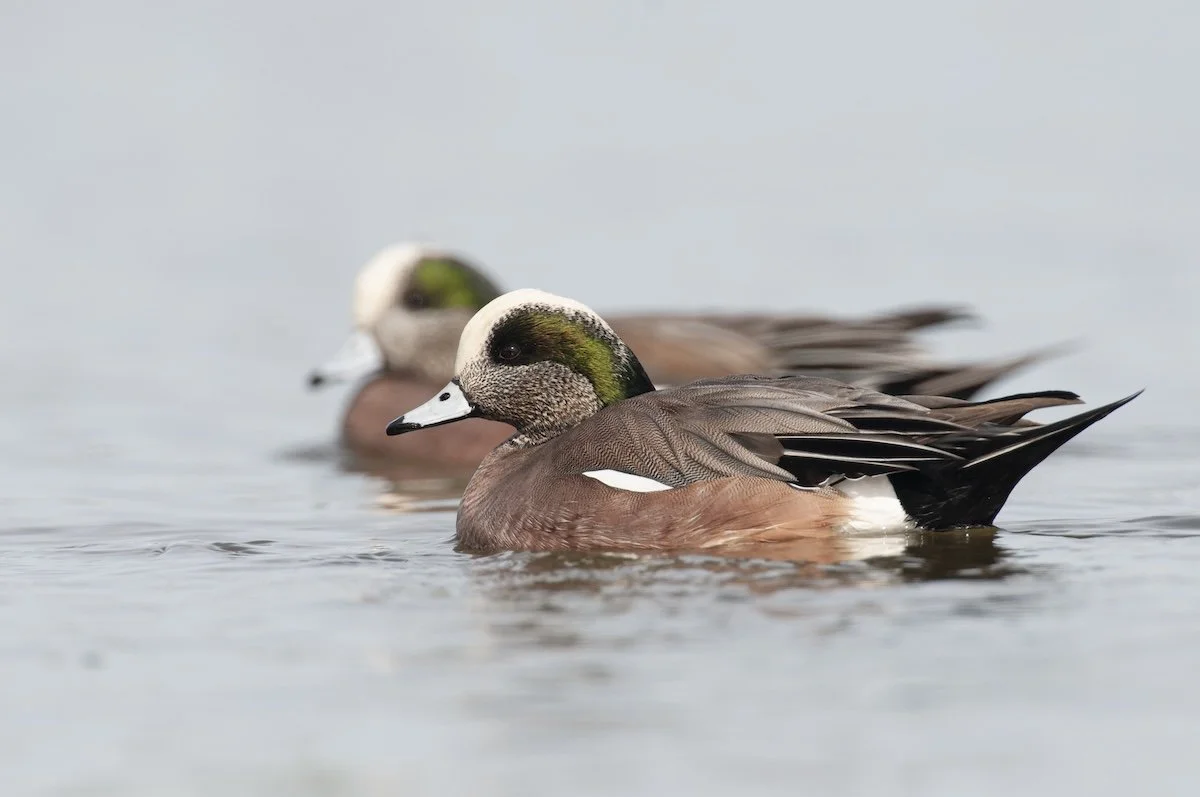
Results of the 2026 Winter Waterfowl Count
The 2026 Winter Waterfowl Survey, sponsored by NVBA, was conducted on February 14 and 15. Nearly 70 participants monitored areas along the Potomac River from western Loudoun County to Quantico Marine Base in Prince William County.
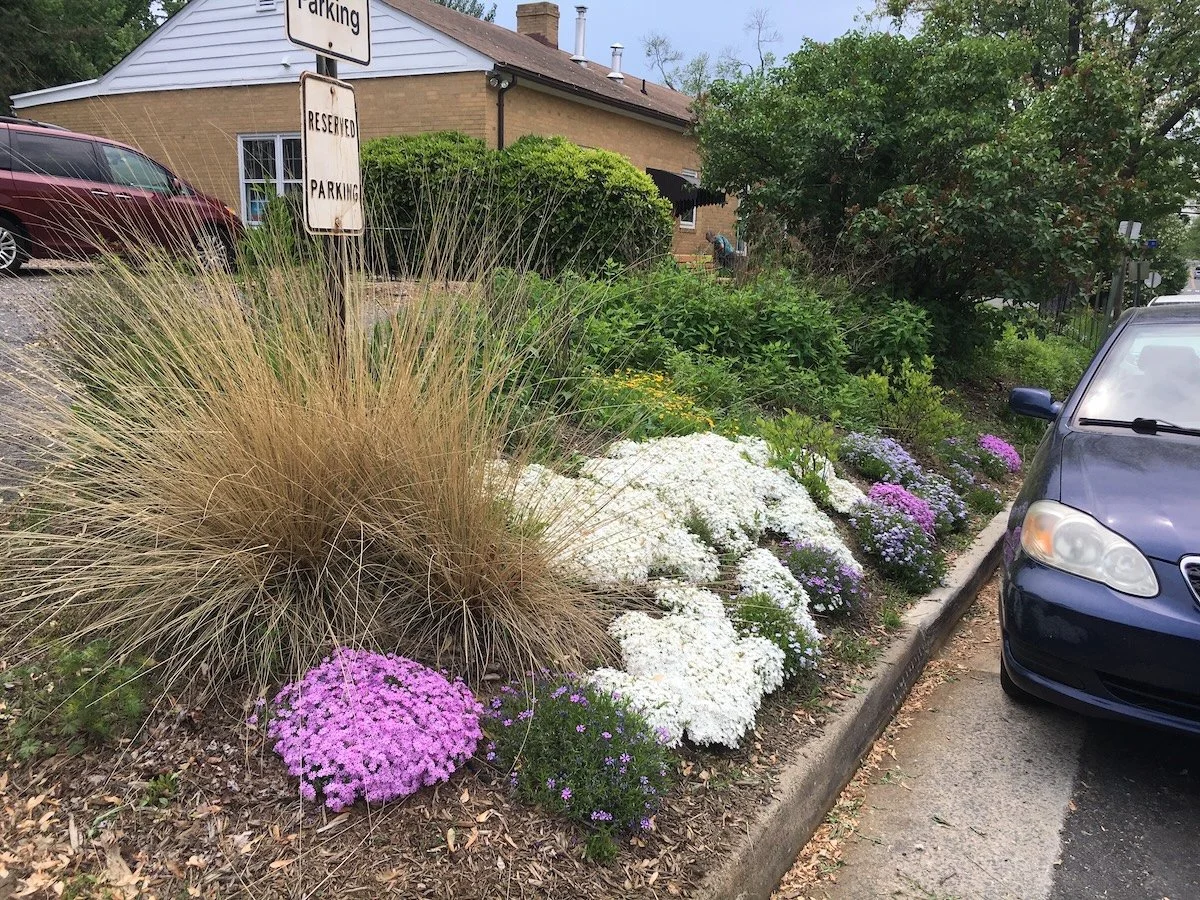
Plant the Slant: Tips for Gardening on Slopes
Depending on its position and angle, planting a slope isn’t always easy. But the rewards can be considerable.

The Gray Catbird
One of my favorite sights (and sounds) of spring is my first Gray Catbird (Dumetella carolinensis) of the season. I’ve always found them elegant-looking, with a sleek, slaty body, jaunty black cap and rusty patch under the tail.
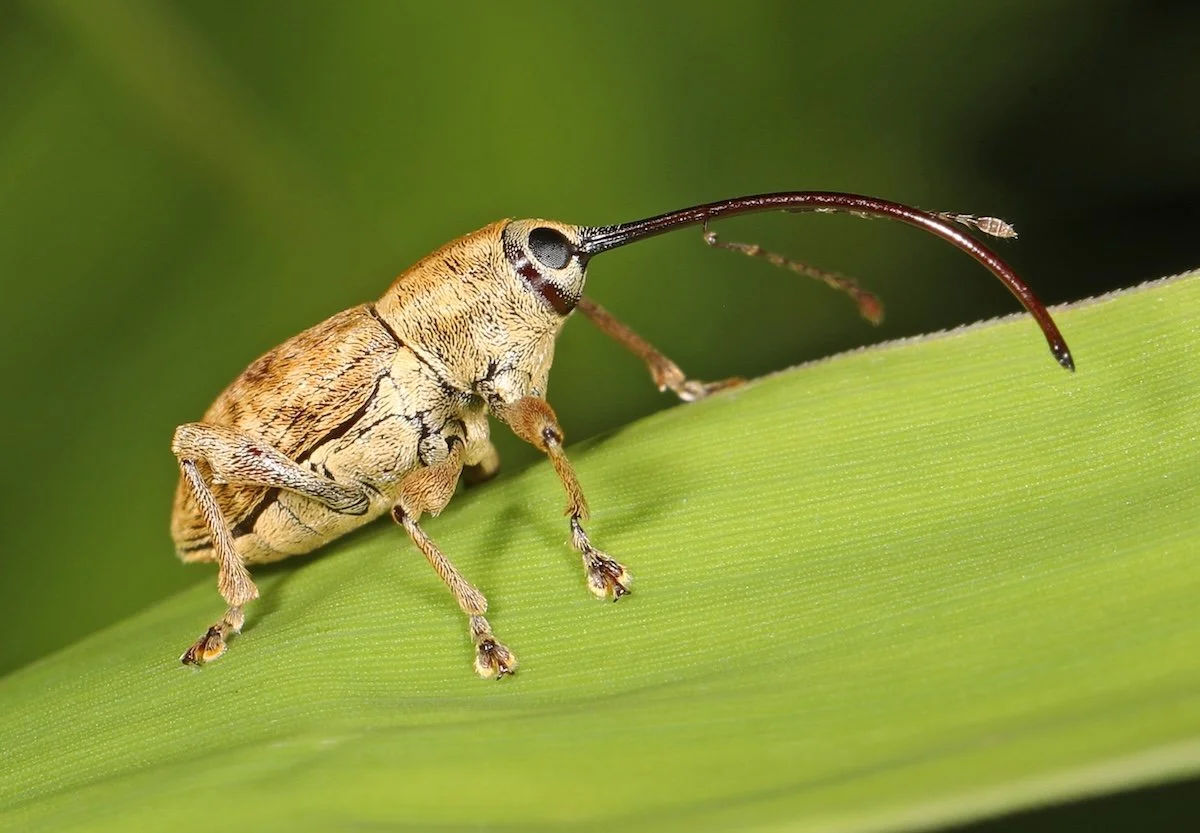
A Closer Look: Nature All Around Us, June 2026
Judy Gallagher is an NVBA board member and a regular surveyor of local wildlife who also captures photos of what she sees, in particular the less common species.
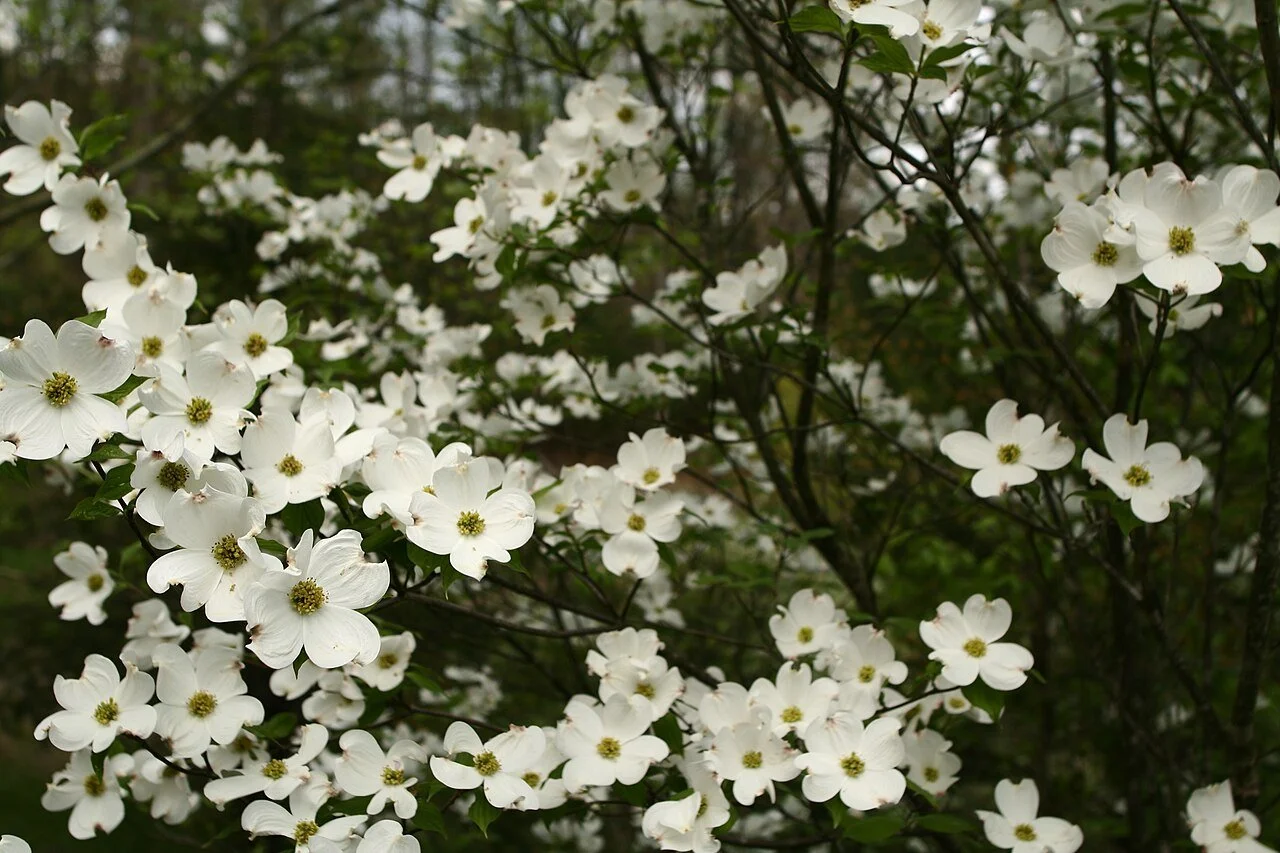
Wildlife Sanctuary Almanac: Native Dogwoods are Better for Birds
There are both native and non-native dogwoods available in the nursery trade, as well as hybrid crosses. It is important to know that all dogwoods are not created equal when it comes to their value to wildlife.
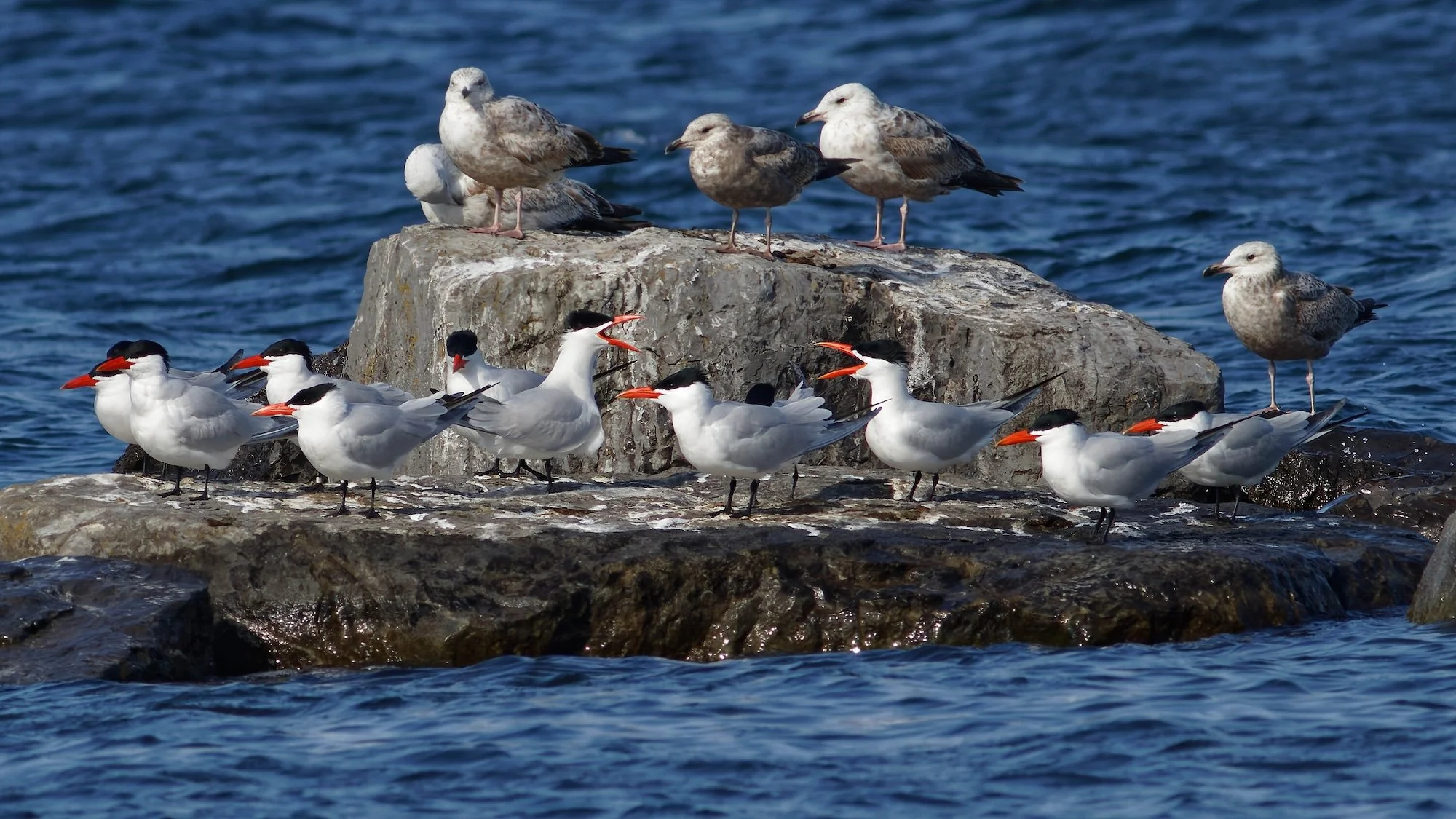
Flyways and Freedom: A Black Birder's Reflection
Black Birders Week changed my life. It changed the way I see myself in environmental spaces. It was the reason I joined the Northern Virginia Bird Alliance board and gave me the opportunity to meet Black birders, photographers, artists, conservation leaders, and other Black nature enthusiasts.

Citizen Scientists Are Down to Earth
National Geographic defines citizen science as “the practice of public participation and collaboration in scientific research to increase scientific knowledge.” Projects usually do not require specialized knowledge, and volunteers often train new ones.

Uncertainty Looms at National Refuges, While Other Protected Areas in Virginia Expand
National Wildlife Refuges are entering a period of uncertainty that could undermine the vital protections they offer to around 800 bird species across the country. Northern Virginia’s refuges are not immune from the looming pressures, but area refuges outside the federal system are thriving.
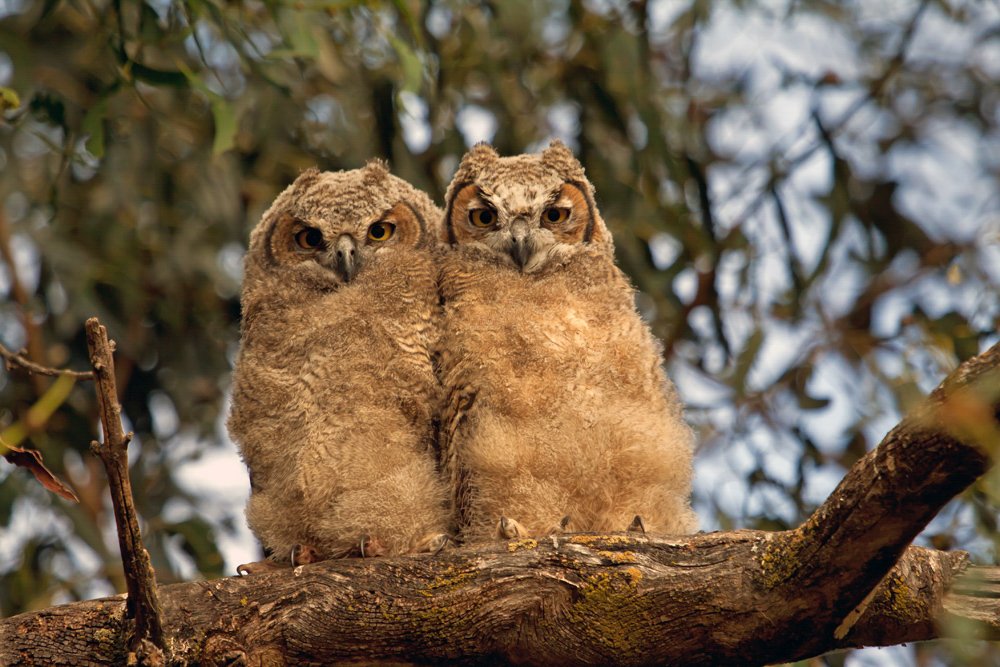
Birding with Purpose: Six Principles for Ethical Birding
It’s the time of year when more of us are spending time outdoors, watching and photographing birds. It’s also a good time to review the principles of ethical birding.
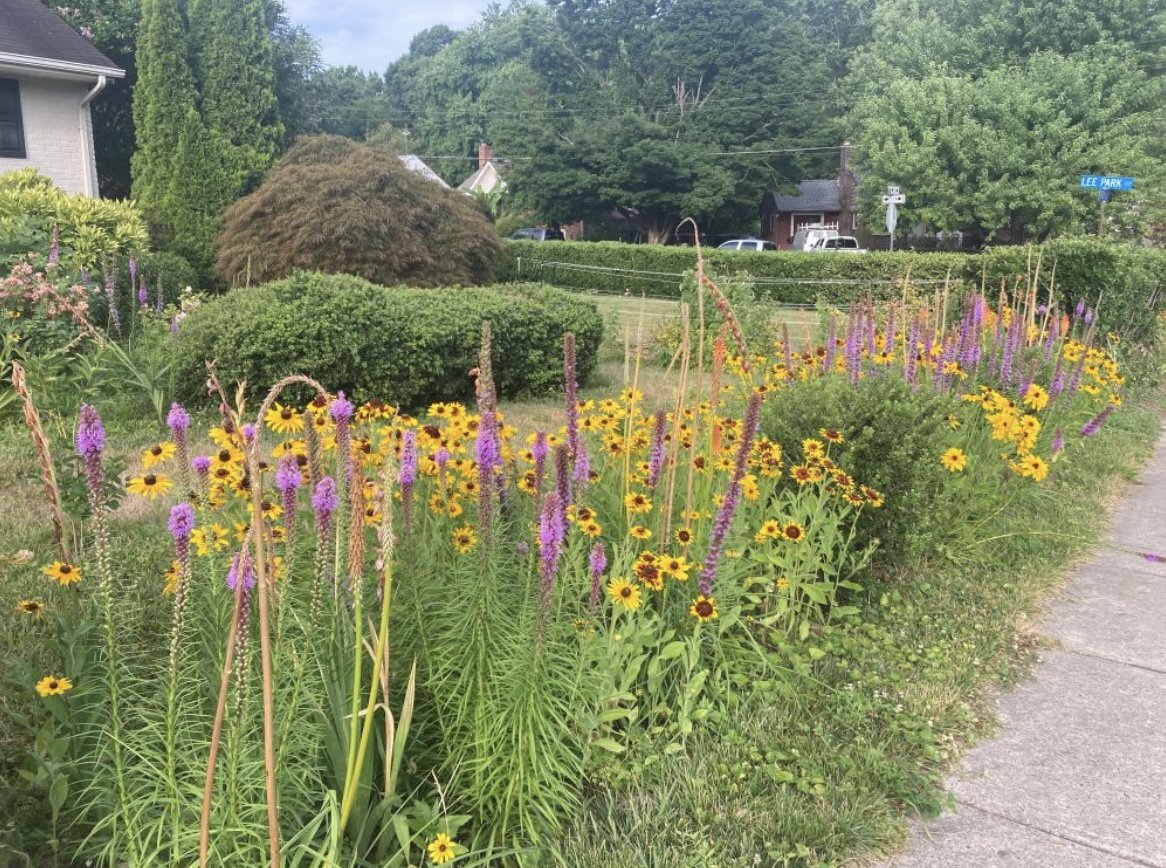
Your Yard Can Help Save Our Streams
Northern Virginia’s stream and river water quality is not great. Although agriculture is the largest contributor by far of nutrient and sediment loads in Virginia’s streams, rivers, and the Chesapeake Bay, urban and suburban stormwater runoff is the second-largest and the fastest-growing contributor to these pollutants.

Victims of Window Collisions May Help Scientists
Sadly, many of us have come across a dead bird, whether near a window or out on a trail, often a result of its collision with a window or other object. When birds do die, can they be of use to scientists?
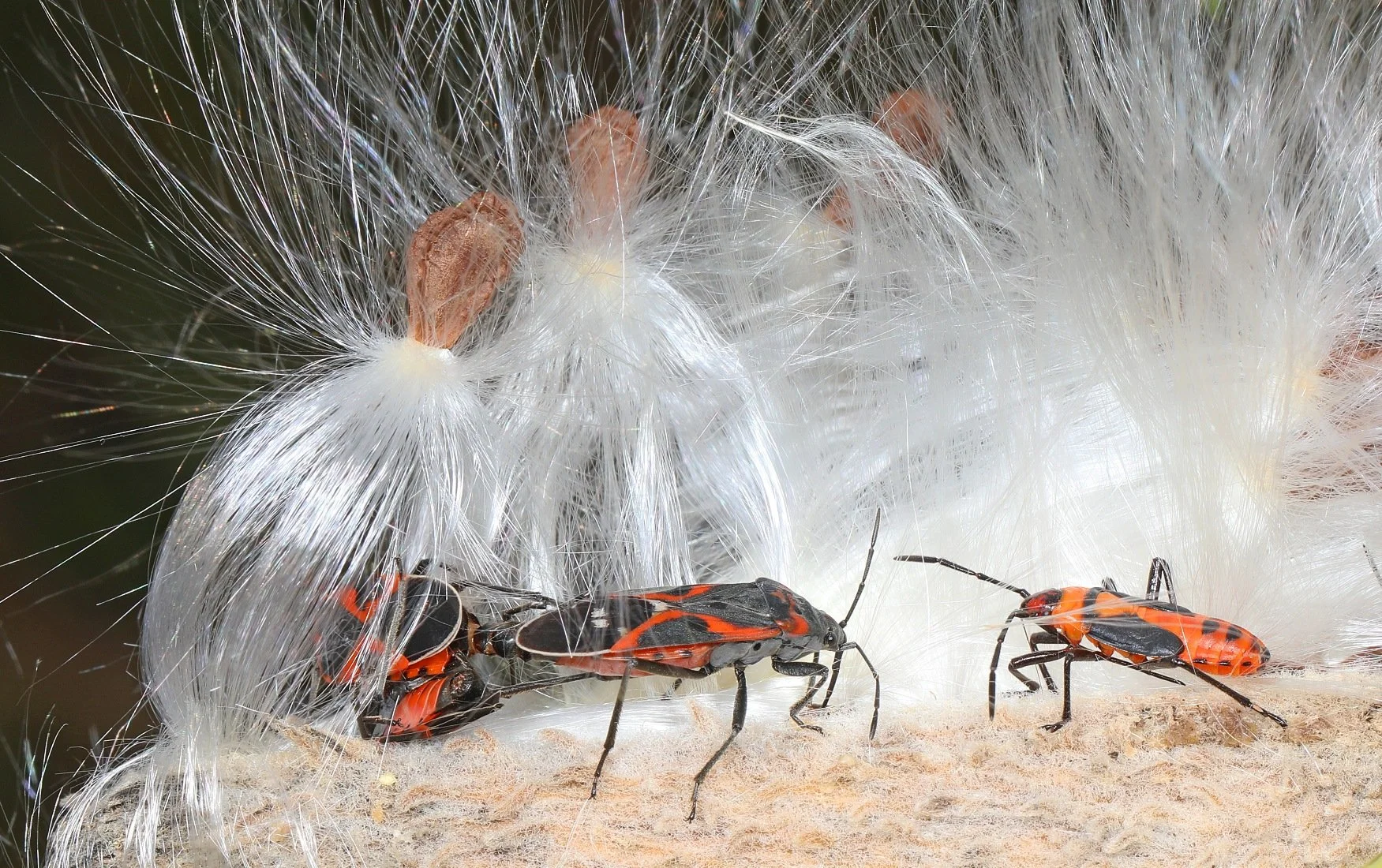
A Closer Look: Nature All Around Us, May 2026
Judy Gallagher is an NVBA board member and a regular surveyor of local wildlife who also captures photos of what she sees, in particular the less common species.