NVBA NEWS BLOG

Welcome to the blog for Northern Virginia Bird Alliance, a wealth of resources about northern Virginia birds, wildlife, habitat conservation and restoration, native plants, wildlife-friendly gardening, advocacy and more.
News Jess Michetti News Jess Michetti

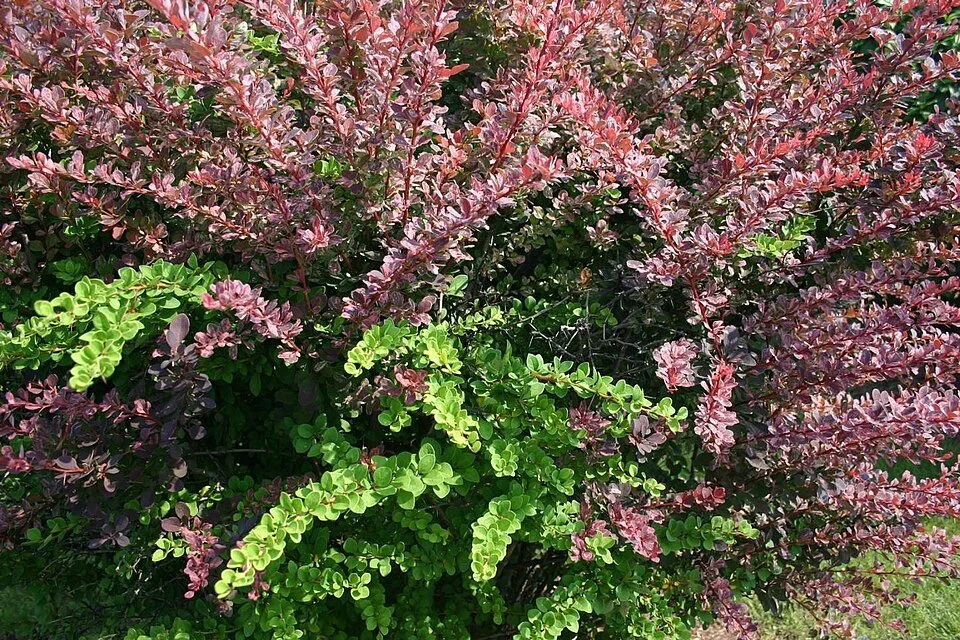
Here’s Another Reason to Get Rid of Your Invasive Japanese Barberry

If Japanese Barberry’s thorns, poisonous berries and dense thickets aren’t enough to convince you to get rid of it, here’s another reason.
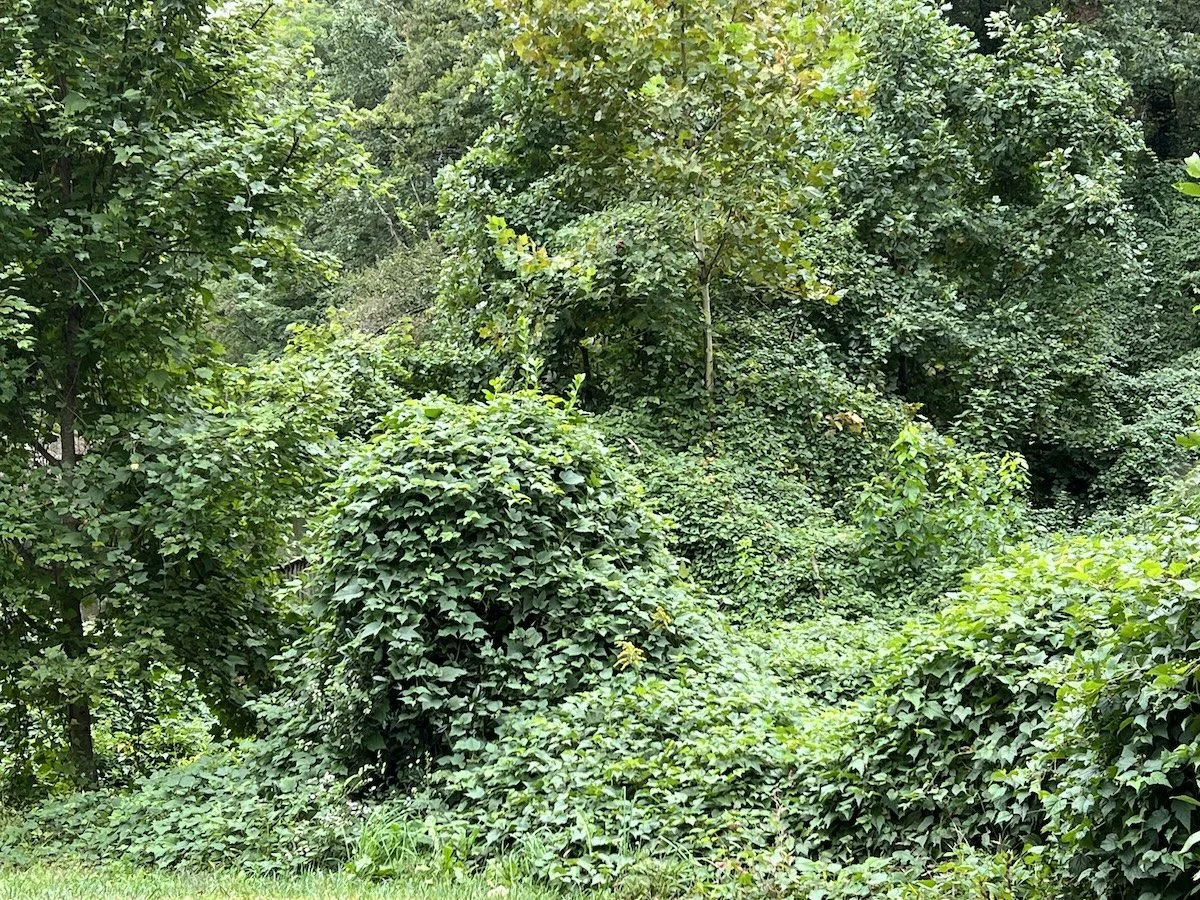
Photo: Japanese Barberry, Leslie J. Mehrhoff, University of Connecticut, Bugwood.org, CC BY 3.0 US , via Wikimedia Commons

Tom Blackburn

The April Potomac Flier ran my essay outlining reasons to remove invasive plants such as Japanese Barberry. If Barberry’s painful thorns; berries that are poisonous to people, birds and other animals; and tendency to create dense, impenetrable thickets isn’t enough to convince you to get rid of it, here’s another reason. Barberry creates ideal conditions for the survival of black-legged ticks, which transmit Lyme disease. Lyme disease can cause fever, fatigue, joint pain, muscle weakness, heart problems and long-term neurological conditions. There is no vaccine for Lyme disease. You can learn more about Barberry, black-legged ticks and Lyme disease in reports of studies by the Connecticut Agricultural Experiment Station and researchers from Trinity College and South Dakota State.

So, take out your Barberry before it takes you out! And remember to check yourself carefully for ticks afterwards.

Read More
News Jess Michetti News Jess Michetti

Invasive Plant Legislation Moves Forward in the Virginia Legislature

The Virginia legislature appears to be intent on taking steps to slow the environmental and economic harm that invasive plants are causing. State legislators introduced seven bills relating to invasive plants in the 2026 legislative session, and all of them are proceeding through the legislative process. 

Photo: Invasive vines, Valerie Morgan

Tom Blackburn

Anyone who walks in local parks or drives the highways can see invasive plants overwhelming trees, shrubs and meadows. Invasive plants are estimated to cost the state $1 billion per year. I am pleased to report that the Virginia legislature appears to be intent on taking steps to slow the environmental and economic harm that invasive plants are causing. State legislators introduced seven bills relating to invasive plants in the 2026 legislative session, and all of them are proceeding through the legislative process. 

Invasive vines smothering a tree. Photo: Valerie Morgan

Local government control of invasive plants: House Bill 388 and Senate Bill 89 are essentially identical bills that would permit local governments that have established service districts to use tax revenues to control the spread of plants on the state’s list of invasive plants. The House and Senate each has passed its bill by unanimous vote, meaning that it is virtually certain that the bills will be consolidated and sent to the Governor for signature. Congratulations to the Fairfax Invasive Removal Alliance, which first championed this bill and convinced other environmental organizations to support it. 

Ban on selling state-designated noxious weeds: Current law allows retailers to sell plants included on the state list of noxious weeds, even though they are the most destructive of the invasive plants, if they are commercially viable. As introduced, House Bill 109 would have banned the sale of noxious weeds outright. However, the House passed the bill by a vote of 96 to 2 with an amendment that phases in the ban over two years for grasses, forbs, and vines; four years for shrubs; and seven years for trees. The Senate Agriculture, Chesapeake and Natural Resources Committee reported the bill to the Senate, where it is awaiting final action. 

Ban on invasive plants along state highways: House Bill 88 would prohibit the Commonwealth Transportation Board and Commissioner of Highways from planting any plant on the state list of invasive plants along any state right-of-way. As introduced, the bill would have required the state to establish a plan for the removal of all invasive plants from the right-of-way, but that provision was removed from the bill before the House passed it by a unanimous vote. Two Senate committees have reported the bill unanimously, and it is now pending before the full Senate.

Civil fines for failing to notify landowners before planting invasive plants: House Bill 710 and Senate Bill 383 are essentially identical bills that establish civil penalties for tradespeople who propose or install plants listed on the state’s invasive plant list without first notifying the property owner in writing. The House bill passed with only two dissenting votes and the Senate bill passed unanimously. It is virtually certain that a consolidated bill will be sent to the Governor for signature.

Volunteers’ using herbicides on state property: In the last session of the General Assembly, the legislature passed and the Governor signed legislation permitting volunteers under supervision of a certified applicator to use herbicides on property owned by local governments. Senate Bill 163 would expand that law by making it applicable to state-owned property. The bill passed the Senate by unanimous vote and the House Agriculture, Conservation and Natural Resources Committee has voted unanimously to send the bill to the full House for a vote. 

Next steps: House Bills 88 and 109 must be passed by the Senate and Senate Bill 163 must be passed by the House before they can be sent to the Governor for signature. 

A big thank you to the 28 members of NVBA’s Advocacy Committee and other NVBA members who have agreed to write to their delegates and senators to support environmental legislation. We will continue to write to our legislators about these three bills and other bills that preserve and enhance our environment.

This story was updated on Wednesday afternoon, February 25. For further developments on the bills, go to the Virginia Legislative Information System and type the bill number into the search box identifying the chamber (HB or SB) and the bill number.

Read More
News Jess Michetti News Jess Michetti

New Law Requires Signs: Some Plants Are Invasive

Thanks to NVBA advocates’ and many others’ efforts, Virginia has a new law that requires, by January 1, 2027, retailers to conspicuously post “in proximity to each invasive plant display” signs indicating that a plant is invasive and “encouraging consumers to ask about alternatives.” 

Photo: English Ivy, Chris Light, CC BY-SA 4.0, via Wikimedia Commons

Glenda C. Booth

Most plant shoppers are baffled by the array of choices awaiting purchase at garden shops, especially at big box stores, and may choose a plant for its color, distinctive shape or “curb appeal.” Whether it is suitable for a planned site, native or not native, can be a big guess. 

Thanks to NVBA advocates’ and many others’ efforts, Virginia has a new law that requires, by January 1, 2027, retailers to conspicuously post “in proximity to each invasive plant display” signs indicating that a plant is invasive and “encouraging consumers to ask about alternatives.” 

Governor Glenn Youngkin signed the bill into law on March 24. Delegate Holly Seibold and Senator Saddam Salam introduced and shepherded identical bills through the 2025 state legislature. 

The law lists 39 specific plants by their scientific name, plants like English ivy, heavenly bamboo, periwinkle and Japanese wisteria. You can read the final bills and the full list of plants on the Virginia Legislative Information System site at HB1941 and SB1166.

The 39 listed plants were negotiated with stakeholders and settled on because they are commonly sold and are on the Virginia Invasive Plant Species List managed by the Department of Conservation and Recreation (DCR), a list that has 103 species on it.

Informed Consumers

Advocates argued that invasive plants degrade habitat and agricultural land and displace more valuable native plants that support native wildlife with which they co-evolved and are interdependent. The new law benefits native plants and animals, especially insects and birds.

Supporters maintained that economic losses in Virginia due to invasive species may be as high as $1 billion annually, costs that the new law can help reduce.

The bill’s supporters also argued that many people who buy plants may not know that some are invasive and cause environmental harm. Many sales employees are not knowledgeable about native and invasive plants and can only provide limited guidance to consumers. Having information at the point of sale is critical to educating consumers, encouraging the purchase of native plants and avoiding invasive plants. 

Senator Salim told NVBA, "As a volunteer on neighborhood cleanups, I have seen firsthand the harm that invasive species are causing to Virginia's natural environment. Invasive plants displace native flora, threatening wildlife and pollinators in ways that disrupt our parks, agricultural lands and even habitats for endangered species. 

“I'm proud to have championed legislation in my first term in the Virginia Senate that gives the power to consumers by educating them at the point of sale about alternative, native plant options. Together, we're taking meaningful steps to preserve the beauty, balance and biodiversity of our Commonwealth for generations to come."

Delegate Seibold told NVBA, “In April 2023, fresh off my very first session in Richmond, I met with a group of local women in a small coffee shop in Vienna who had been spending their weekends removing invasive species for years. The data was startling and the damage was breathtaking. I knew right there and then that we must do something to prevent the further spread. As a former teacher, the first bill I wanted to carry on this topic was one that would educate the consumer about the harmful effects of invasive plants at the point of sale. 

“The bill received bi-partisan support and garnered lots of support from the community and advocates in the 2024 Session and passed the General Assembly; however, it was vetoed by the Governor. But we didn’t give up! We returned to the 2025 Session with an updated bill and lots of community members, advocates and stakeholders ready to work together to make this dream into a reality! "

Next Steps

The new law charges the head of the Virginia Department of Agriculture and Consumers Services, in consultation with the Virginia Invasive Species Working Group, with determining the format, size and content of the signs by October 1, 2025.

The Virginia Invasive Plant Coalition, which consists of 83 organizations including NVBA, will monitor the working group’s efforts and continue to advocate for more legislation in the coming years to curtail the sale and use of invasive plants. NVBA will continue to work with the coalition. Additional information is available from the coalition’s website and from Plant NOVA Natives.

Read More
News Jess Michetti News Jess Michetti

Wildlife Sanctuary Almanac: Violets

Common Blue Violets (Viola sororia) are blooming. You may think of them as pesky weeds growing unwanted in your lawn and pull them up, as I used to do, but they are native and of value to wildlife.

Photo: Blue Violets, Bernt Fransson, CC BY-SA 4.0 , via Wikimedia Commons

Betsy Martin

Such an early spring this year! With spring, a gardener’s thoughts turn to FLOWERS.

Already, native spring ephemerals, such as Virginia Bluebells (Mertensia virginiana), are coming up, and by the time you read this they will begin blooming. In some places, such as Bull Run Regional Park, Merrimac Farm Wildlife Management Area, and Riverbend Park, Bluebells carpet the floodplain forest floor in spring, creating a spectacular show and providing an early nectar source for bees, butterflies, and hummingbirds. Ephemeral wildflowers bloom early in spring to capture the early season sun before the trees get their leaves and shade them out. Then they set seed and go dormant in the summer, only to grow back next spring. You can easily grow bluebells in your own yard, by sowing seeds in moist fertile soil in the fall.

Great Spangled Frittilary, Judy Gallagher

Common Blue Violets (Viola sororia) are blooming. You may think of them as pesky weeds growing unwanted in your lawn and pull them up, as I used to do, but they are native and of value to wildlife. Mourning Doves and Dark-eyed Juncos eat violet seeds. Violets rely mostly on solitary bees for pollination. They are a host plant for Fritillary butterflies (such as Great Spangled Fritillary, Meadow Fritillary, and Variegated Fritillary), among other insect species. The dark, spiny Fritillary caterpillars feed only at night, leaving irregular holes in the leaves. Look beneath the fed-upon plant, where the caterpillars hide in the leaf litter in the daytime. 

You probably already have violets growing in your yard (who doesn’t?). So, consider leaving a patch of this humble native wildflower for the bees and the butterflies—violets like to grow, and spread, in moist, shady areas.

You might want to add additional flowers to your patch of violets, or elsewhere. If so, think about planting species suited to the moisture and shade conditions you’ve got. You can use Plant NOVA Natives’ Plantfinder to find appropriate species. By planting species that bloom at different times, you’ll support a greater number and diversity of pollinators. This table shows native flowering species that support pollinators from March to December. 

You may be thinking, “That’s nice, but I don’t really care about insects and pollinators: I want to bring birds to my yard.” Ah, there’s the rub—most bird species require insects, especially caterpillars, to feed their nestlings. You must have insects to support the birds, and you must have native plants to support the insects. The native plants are not only, or even primarily, a nectar source, but also are host food for caterpillars. 

Think about that the next time you’re tempted to pull up those weedy Violets (or Asters, or Goldenrods). 

Read More
News Jess Michetti News Jess Michetti

Did You Know There is a Grass that has Evil Superpowers? It’s Called “Running Bamboo”

Running bamboo may not be able to leap tall buildings, but it can run underground as much as 15 feet a year, including going under a road and emerging on the other side. Running bamboo can even be found as far away as 100 feet from its parent plant.

Photo: Running bamboo, Margaret Fisher

By Elaine Kolish

Running bamboo may not be able to leap tall buildings, but it can run underground as much as 15 feet a year, including going under a road and emerging on the other side. Running bamboo can even be found as far away as 100 feet from its parent plant. Its horizontal rhizomes also can go through brickwork and weak spots in concrete. This means it can damage sidewalks, driveways, pool liners, decks and foundations. Unfortunately, it also suppresses native plant species, including our much-needed native trees. Although some may argue that bamboo at least provides some benefit in sequestering carbon, native plants that it can suppress provide the same climate change benefits while also serving as an essential food source for native wildlife. 

How extensive is the Running Bamboo invasion?

Originally, non-native bamboo was imported from Asia for garden decoration and screening. But its aggressive growth habit did not respect private or public property lines. It now can be found in large groves in yards, and acres of it can be found in local parks. For example, the Fairfax County Park Authority (FCPA) has estimated that it has 250 acres of bamboo spread across more than 185 patches on its properties. Fortunately, FCPA has received $400,000 to start tackling this enormous problem. But it needs far more. It estimates it will take more than $9 million and 15 years to treat the affected acreage it has identified. Simply put, with no natural controls from insects, diseases or wildlife, this grass has become a nightmare. Our National Zoo doesn’t even have Giant Pandas any more that could at least eat a teeny-tiny portion of our available supply.

How can homeowners stop running bamboo in their yards?

Although there are no estimates of how extensive running bamboo is on private property, it is easy to spot throughout our neighborhoods. Consequently, homeowners have an important role to play in containing or eliminating this destructive grass. Running bamboo will start growing again in the spring, and this is a good time to start getting rid of it. But be aware, its growth pattern makes it difficult to remove, and a sustained, multi-year effort usually is necessary. Below are four methods you can try.

Barriers. One containment method involves installing vertical root barriers 30 inches below ground (and 6 inches above) to deflect rhizomes so they go towards the owner’s property and to make the rhizomes visible at the barrier. Strong materials, such as metal or high-density plastic, must be used for the barrier. Regular monitoring and cutting back rhizomes that have escaped also is necessary.

Mowing. Another containment method involves frequently mowing the bamboo so that the rhizomes eventually become depleted of nutrients and give up trying to grow. It could take two to three years to see any success.

Herbicides. The “hack and squirt” method involves cutting the bamboo close to the ground carefully and immediately (within five minutes) applying herbicide with a foam brush to the cut top. A high concentration of glyphosate or another herbicide that states on the label that it treats bamboo is necessary. Remember to always read and follow the directions on the herbicide container!

Digging. Alternatively, a homeowner might wish to remove the bamboo completely. Digging it out of larger groves may require heavy equipment. Don’t forget to call the official utility locator before you dig.

What can you do when bamboo from your neighbor’s yard invades your property?

Several local jurisdictions in Northern Virginia have addressed this situation: Fairfax, Stafford and Fauquier Counties. The Fairfax County Bamboo Ordinance went into effect on January 1, 2023. It is designed to help homeowners experiencing incursions of bamboo from their neighbors’ properties. The ordinance says that bamboo owners, whether or not they planted the bamboo, must not allow their bamboo to spread from their yards to any public right-of-way or any adjoining property. Although maintaining bamboo on one’s own property is legal, it is illegal to allow bamboo to spread beyond your property’s boundaries. Violators may incur a fine. In Fairfax County, you must dispose of all cut bamboo and roots in the TRASH, not in a compost pile or bin for lawn debris. If you want to dry the culms or canes for another use, such as stakes or crafts, do not do so on soil, which will risk the bamboo taking root.

What are alternatives to bamboo for screening?

There are many native plants and grasses that can provide screening and ecological benefits. Plant NOVA Natives, for example, has a whole section on hedges and screening options on its website. Similarly, Master Gardeners of Northern Virginia has a fact sheet on bamboo and native alternatives

Don’t wait. Come spring, be a superhero: contain or eliminate that invasive bamboo in your yard. Your actions will make a difference!

Read More
News Jess Michetti News Jess Michetti

Wildlife Sanctuary Almanac: Invasive Vines

Today (March 1) is the last day of National Invasive Species Awareness Week! Appropriately, this is the perfect time of year to remove certain invasive vines from your own yard.

Photo: Fallen Sycamore, Betsy Martin

Betsy Martin

Today (March 1) is the last day of National Invasive Species Awareness Week!

Appropriately, this is the perfect time of year to remove certain invasive vines from your own yard. At this time of year, native plants have mostly died back for the winter, but evergreen invasive vines such as English ivy, Wintercreeper, Asiatic bittersweet, and Japanese honeysuckle are green and visible. They are busily growing up trees, which they will eventually overtop, shade out and kill. 

Oriental Bittersweet and English Ivy on a tree, Margaret Fisher

The weight of these invasive vines can bring a tree down. In a storm, they act as a sail to uproot a tree, and the vines become even heavier with water trapped in the dense foliage. They trap moisture next to the tree’s trunk, causing disease. They create habitat conducive to rats, ticks, and the spread of Lyme disease and West Nile virus. They displace native plants, creating a food desert for birds—native insects cannot eat these exotic vines, and so birds cannot find caterpillars to feed their young in a forest smothered by exotic vines. 

Why is this the perfect time to tackle these vines? No mosquitoes, for one thing. It’s cool and pleasant to work, not hot and humid. Any poison ivy vines are dormant. You still should be careful, though, because you can get poison ivy from its stems. Be sure to wear gloves and wash up frequently.

You can remove invasive vines from your trees in three easy steps.

First, use loppers or clippers to cut the stems growing up the tree trunk. Cut them near the ground. You may need a hand saw to cut very thick stems, but be careful not to damage the tree or its bark with the saw.

Second, cut the stems about three feet above the ground. Pull the vines off the tree between the two sets of cuts. An old screwdriver slipped behind the stems can help pry them off. Make sure you’ve cut all the stems—don’t leave any growing up between the ground and the second set of cuts you’ve made.

The third step is—wait. The vine will die, turn brown, and eventually fall from the tree. You do not need to try to pull the vines down—that is a lot of work and can be harmful to the tree and dangerous to you, especially if you’re dealing with a large mass of vine.

Eventually, you will want to pull the vines up by the roots in nearby areas, because they will grow back up your trees. 

Excellent information about invasive plants and how to control them is provided by Plant Invaders of Mid-Atlantic Areas, Field Guide, on the Plant NOVA Natives website, and in Blue Ridge PRISM fact sheets for Asiatic bittersweet and Japanese honeysuckle

Read More
News Jess Michetti News Jess Michetti

Controlling English Ivy Saves Trees and Combats Climate Change

Unfortunately, many people think English Ivy is a benign plant that grows in the shade where nothing else grows. 

Photo: English Ivy via Wikimedia Commons

Elaine Kolish

English Ivy is everywhere, in our neighborhoods, along our roads, and in our parks. It climbs over fences, covers sheds, and carpets forest floors. Unfortunately, many people think English Ivy is a benign plant that grows in the shade where nothing else grows. 

The truth is English Ivy is harmful in many ways. Even if well-manicured and contained on the ground, English Ivy provides a resting spot for mosquitos on hot days or hides puddles where they can breed, and who wants that! More importantly, when it covers forest floors it displaces native plants and eliminates needed and productive biodiversity. When it climbs trees, it harms and eventually kills them. It eliminates the important environmental benefits trees provide as wildlife habitat as well as preventing stormwater from entering streams, cooling our environment, and combatting climate change.

Trees are one of our best tools for capturing carbon dioxide, which is necessary to fight global warming. According to the U.S. Forest Service, America’s forests sequester about 16% of the annual emissions from the United States. Because trees are such excellent carbon sinks, large-scale reforestation efforts are underway. President Biden’s Bipartisan Infrastructure Plan calls for more than one billion new trees to be planted over the next 10 years. In addition, the government’s experts know that controlling invasive species that kill trees is an important strategy for enhancing carbon capture. 

We as individuals also have an important role to play in controlling English Ivy at home and in our natural areas. Otherwise, it covers everything in its path, and, when left unchecked, English Ivy grows vertically (by rootlets on the stem). On trees, the weight of the vine weakens and breaks limbs, which can make trees more susceptible to infections, and over time the vines cover trees so totally that they die. But that’s not all. When English Ivy goes vertical it matures. It then will flower and set fruit. Birds then eat and disperse the fruit, spreading the English Ivy invasion.

English Ivy cut to save trees, Margaret Fisher

Homeowners can protect their costly landscaping and help the environment by eliminating English Ivy from their gardens or, at a minimum, by keeping it from growing up trees. Wearing gloves, cut all the vines on a tree about two feet up and again at ground level. There is no need to pull the vines off the tree. Deprived of water and nutrients from the soil, the vines will wither. You will have to repeat this occasionally if you do not remove all the ivy. Hand pulling after a rain softens the soil is the best way to get rid of English Ivy. The debris should go in the trash. Do not compost it or put it out with the brush collection as it will continue to grow and spread in these locations.

The good news is that there are lots of alternative native ground covers that will support pollinators and our environment. You can find excellent suggestions in the Native Plants for Northern Virginia guide, such as Virginia Creeper and ferns. You also can consult Alyssa Morel’s column on replacing English Ivy.

Beyond work in your own yard, you can help our neighborhoods, forests, and parks by becoming a Tree Rescuer, or by working with organizations that do invasive management, including pulling ivy. Working together, we can ensure the health of our wonderful trees and improve our environment. The work also increases our personal well-being, by increasing the time we spend in nature.

Read More
News Jess Michetti News Jess Michetti

Don't Transport Invasive Plant Hitchhikers

Many of us have spent time in our yards and area parks battling invasive plants, but we need to add a few other measures in our continuing efforts to build and sustain healthy habitat for native wildlife. STOP HITCHHIKERS!

Photo: Multiflora Rose, Wikimedia Commons

Evelyn Novins

Many of us have spent time in our yards and area parks battling invasive plants. We dig, we pull, we plant native species to take over the cleared areas, and we continue to follow up with more vigilance to attack regrowth. This is all excellent, but we need to add a few other measures in our continuing efforts to build and sustain healthy habitat for native wildlife. STOP HITCHHIKERS!

First, a review of what invasives are and why we are finding them almost everywhere: They are plants that are not native to our area, that is, they were not present before European settlement. Second, they have a detrimental effect on the environment, economy or health—that is, they cause harm. They have common features: they reproduce quickly and aggressively, taking over the environment of the native species. Having no natural controls such as herbivores, parasites, or pathogens, they quickly harm or out-compete the natives. Their vigorous growth and the ability to change the soil to favor their spread add to their success. They are either no use or less useful to native wildlife that evolved with native plants. Permanent eradication of these invasives is unrealistic, but we can reduce and eliminate them in some areas.

Japanese Stiltgrass, Wikimedia Commons

So, what are hitchhikers and why are they a problem? Plants spread through their seeds and invasives have strong seed production. For example, in late summer Japanese stiltgrass sends up a flower spike that can be self-fertilized, producing between 100 and 1,000 seeds. As the seeds mature, the plant dies. The plant’s tiny, sticky seeds can be dispersed by the wind, by splashes of rain, and by animals, including deer, our pets and people! The seeds attach as easily to your dog’s coat or your shoes and clothing as they do to the hooves of deer. Think about how many times you have returned from an invasive plant pulling project and found seeds and burrs sticking to your pantlegs. Our expanded use of the outdoors during Covid has accelerated the spread of invasive plants. We take the wily and adaptable seeds out of one environment to others. 

To prevent adding invasive plants to our parks and yards we can take certain simple steps: 

  • Learn to recognize local invasives.

  • Do not buy them or add them to our gardens.

  • Rid our properties of invasives that are there.

  • AND, avoid moving seeds or plant parts into new areas.

To avoid transporting invasives to and from our local parks, we need to clean our shoes, clothes, packs and pets before and after exploring outdoors. By staying on designated trails we are less likely to gather seeds on our clothing. In addition, gaiters as well as clothing made of new, smoother fabrics may inhibit transmission, but using them doesn’t mean we stop being aware and watchful. Many parks now provide boot brushing stations, and we should be sure to use them where they are available. More information on preventing hitchhikers is available from PlayCleanGo, an outreach campaign powered by the North American Invasive Species Management Association (NAISMA). 

Multiflora Rose, Wikimedia Commons

To educate yourself about invasives, consult the Invasive Plant Atlas of the United States, a useful reference for identifying invaders anywhere you plan to travel. A Virginia Department of Forestry pamphlet identifies some of the worst offenders in Virginia such as Tree-of Heaven (ailanthus altissima), Japanese Stiltgrass (microsegium vimineum), and Multiflora Rose (Rosa multiflora), but the Virginia Department of Conservation & Recreation provides a complete list of Virginia’s plant invaders, classified by invasiveness: high, medium, and low. It also identifies some early detection species, not yet established in Virginia.

Let’s all do our part to keep invasives out of our yards and our beloved parklands.

Read More
News Jess Michetti News Jess Michetti

Virginia General Assembly Passes Two Bills to Deter Invasive Plants

The Virginia House of Delegates and Senate have approved two bills that can help deter the spread of invasive plants in Virginia and encourage use of native plants.
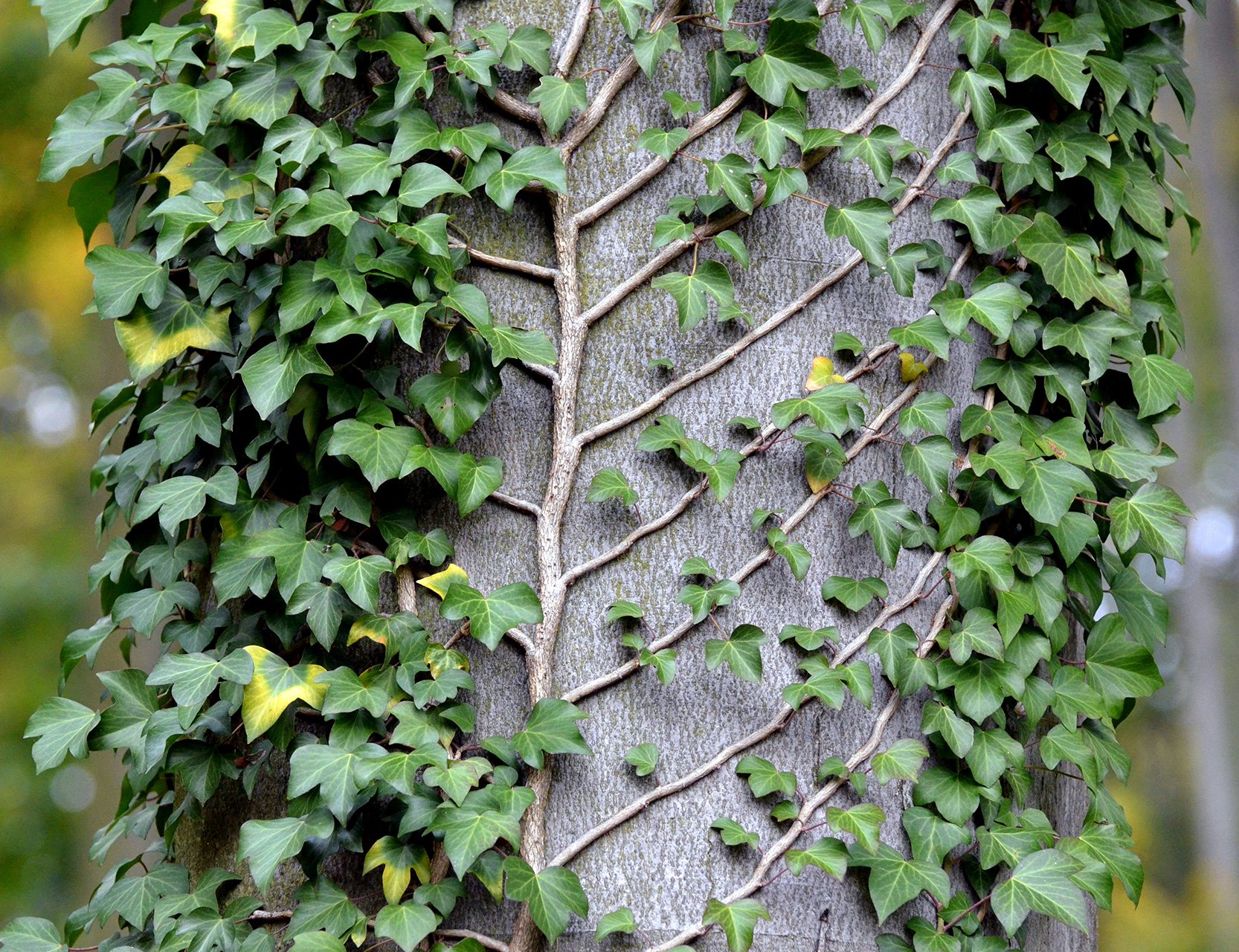
Photo: Porcelain Berry vine, Wikimedia Commons

Elizabeth Martin

English Ivy, Wikimedia Commons

The Virginia House of Delegates and Senate have approved two bills that can help deter the spread of invasive plants in Virginia and encourage use of native plants. The next step is to send the bills to the Governor for approval. The success of the bills so far is due to tireless efforts of two northern Virginia legislators, Delegate David Bulova (37th District) and Delegate Paul Krizek (44th District) and advocacy by conservation organizations and voters throughout Virginia. Thank you from ASNV and its members! Please take a few minutes to write each of them a personal thank you.

The Two Bills

Delegate Bulova’s HB 2096 requires the state agriculture board to develop a list of invasive plant species, and includes provisions to discourage their use. The bill directs the board to develop regulations requiring commercial designers and installers to notify property owners of proposed use of any plants on the state’s invasive plants list. Because plant retailers and customers often do not know which plants are invasives, the requirement to provide information allows customers to make better choices. The bill also prohibits state agencies from planting, selling, or propagating the plants except for scientific or educational purposes. It also authorizes the board to adopt regulations for permits to move, transport, deliver, ship, offer for shipment, sell, or offer for sale any invasive plant.

Delegate Krizek’s HB1998 directs state agencies to prioritize native plant species and to take steps to identify state properties for native plantings and prepare guidance to rehabilitate state properties degraded by invasive species. Because the state owns many large properties, such as universities and prisons, the bill would expand native plant habitat. It also provides the state the opportunity to set an example for responsible environmental stewardship by enhancing its properties’ habitats with native plants that serve Virginia wildlife.

So Why Is This Important?

Non-native plants were introduced into the United States intentionally or accidentally by people sometime after Europeans first arrived in North America. Many are important food crops or ornamental plants that do no harm. But many are harmful invasives, non-native plants that can spread out of control and overwhelm and displace native vegetation. They can spread dangerously because they have no natural predators in our ecosystem. Even if an invasive plant appears to be “under control” in a private yard, its seeds can spread and invade nearby parks and wildlife areas. Native plants co-evolved with local wildlife and provide the best food value to them. An area overrun with non-native invasives is a food desert for native wildlife that depends on native plants to survive.

Chickadees provide a good example of that dependence. Research shows that unless a yard is at least 70 percent native plant material, it cannot support even one family of chickadees. Chickadee nestlings depend on caterpillars to survive, and caterpillars eat very specialized native plant species. No native plants (or trees) means no caterpillars, and that means no birds. Our native wildlife is losing habitat not only to development but also to encroachment by invasive plants, and habitat loss is the largest cause of the decline of North American birds.

The annual cost of invasive plant species in the U.S. is estimated to be $35 billion. (Swearingen and Fulton, Plant Invaders of Mid-Atlantic Natural Areas, 2022, p. 10). Current Virginia law identifies only 14 plants on the state’s “noxious weeds list,” but the list of invasives recognized by the Department of Conservation and Recreation is much longer. Common invasive plants in Northern Virginia include English ivy, running bamboo, Bradford pear trees, tree-of-heaven, oriental bittersweet, privet, porcelain berry and stilt grass. Virginia law allows the sale of most of them, and they have invaded our parks and reserves. Change, like that called for in the Bulova and Krizek bills, is sorely needed.

What You Can Do

Here are the links to track the further progress of Delegate Krizek’s HB 1998 and Delegate Bullova’s HB 2096. If you’re interested in learning more about how to advocate for legislation to improve wildlife habitat and halt the decline in bird populations, contact the ASNV Advocacy Committee using this link]

There’s more information available about invasive species, the harm they do, and what you can do about them here. And if you’d like to tackle invasives in your own yard, request a visit here from an Audubon at Home Ambassador who can help you identify them, tell you how to remove them, and advise on native plants that will enhance the habitat value of your property.

Read More
News Jess Michetti News Jess Michetti

You Can Help Stop the Spread of Invasive Plants

What do English ivy, barberry, butterfly bush, and mimosas (the tree, not the drink) have in common? You can find them in most Northern Virginia neighborhoods, and you can buy them at many local nurseries, garden shops and big box stores. But they are all invasive plants in Northern Virginia.

Photo: English Ivy, an invasive species in Northern Virginia, Wikimedia Commons

What do English ivy, barberry, butterfly bush, and mimosas (the tree, not the drink) have in common?  You can find them in most Northern Virginia neighborhoods, and you can buy them at many local nurseries, garden shops and big box stores. But they are all invasive plants in Northern Virginia and can harm the environment. Although they threaten to overwhelm us, there are some steps you can take to reduce their spread.

English Ivy, Wikimedia Commons

But before we get to actions you can take, a little background: Invasive plants are species that have been introduced by human activity into a region in which they did not evolve and cause harm to natural resources, economic activity or humans. The Virginia Department of Conservation and Recreation’s website states that invasive plants cause more than $120 billion each year in losses in the United States. They displace natural plant species that provide habitat and food for native animals, and some can clog waterways, cause crop losses and degrade soil. 

Passing state legislation to curb the sale of invasive plants in Virginia has so far mostly been unsuccessful, due largely to the opposition of growers and sellers. In February 2021, the legislature approved a bill creating a workgroup to evaluate various methods of reducing the sale of invasive plants. The workgroup, which included Glenda Booth representing ASNV, issued a report that largely failed to meet the objectives set out in the enabling legislation, concerns expressed at pages 24-25 of the report.  

In the 2022 regular General Assembly session, Delegates Paul Krizek and David Bulova introduced bills that, among other things, would have required retail establishments to label invasive plants to educate consumers about which plants are invasive and would have prioritized the use of native plants on state property. Unfortunately, the only legislation enacted requires the Commissioner of Agriculture to develop a brochure that retail establishments can use to explain the value of native plants and the harm caused by invasives. Retail establishments would have to reproduce the brochures at their own expense, and the law will expire on July 31, 2023.

Several legislators may introduce bills in the 2023, session which will begin in January, and we will report on them when they do.

Steps You Can Take Now

Would you like to help reduce the number of invasive plants in our region?  Here are four things you can do:

  1. Educate yourself on what plants are invasive before your next trip to the plant nursery.  You can get a list of invasive plants on the website of the Virginia DCR and guides to native plants on the Plant Nova Natives website.  

  2. Remove invasive plants from your yard and replace them with native plants. For guidance on making your yard a wildlife sanctuary, contact Audubon at Home for a visit.

  3. Sign a petition asking Home Depot to stop selling invasives. Having failed in their efforts to achieve significant statewide action on invasive plants, some concerned residents of Northern Virginia are trying now to convince a local retail establishment to stop selling invasives.  Lauren Taylor, who participates in Fairfax County’s Invasive Management Volunteer Program, created the online asking Home Depot to stop selling invasive plants. More than 50,000 people have signed the petition so far. The petition has garnered support from Plant NOVA Natives, Blue Ridge Partnership for Regional Invasive Species Management, and other groups.  

  4. Join the hundreds of volunteers working to better control invasive plants, through Fairfax County’s Invasive Management Volunteer Program, and programs sponsored by EcoAction Arlington, the  Friends of Dyke Marsh, and other organizations throughout Northern Virginia.

Read More