NVBA NEWS BLOG
Welcome to the blog for Northern Virginia Bird Alliance, a wealth of resources about northern Virginia birds, wildlife, habitat conservation and restoration, native plants, wildlife-friendly gardening, advocacy and more.
Thompson Wildlife Management Area in Spring
During the transition from winter to spring, nature shows off. There are a trillion different emerging sights, but few as captivating as the trilliums (Trilliaceae family).
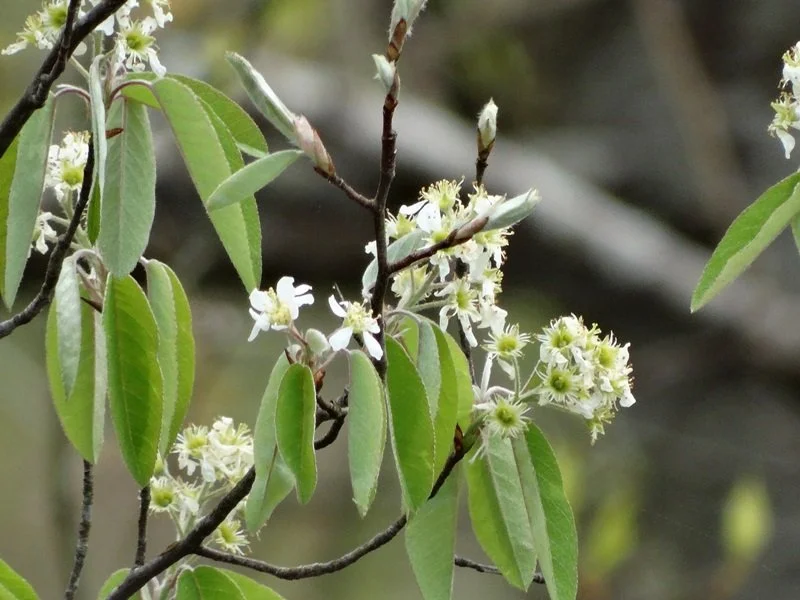
Photo: Trilliums and Mayapples in bloom, Sudhir Viswarajan, CC BY-SA 4.0, via Wikimedia Commons
Usha Hippenstiel
During the transition from winter to spring, nature shows off. There are a trillion different emerging sights, but few as captivating as the trilliums (Trilliaceae family). Boasting one of the largest concentrations of trillium in Virginia, the G. Richard Thompson Wildlife Management Area (often abbreviated to Thompson WMA) stands out as a spring destination. Managed by the Virginia Department of Wildlife Resources (DWR), the Thompson WMA is located along the eastern Blue Ridge Mountains in northwest Fauquier County, with parcels in Warren and Clarke Counties. The 4,000-acre area boasts hardwood trees, remnants of fruit trees, streams, semi-open vegetated slopes, and its famous spring ephemeral blooms.
Although the Thompson WMA is worth a trip any time of year, spring is the time to see the display of ephemerals. Beginning in late April through mid-May, the forest floor is covered by blooms. A particular two-square-mile area within the Thompson WMA hosts an extensive covering of the white trillium (Trillium Grandiflorum) and is reputed to be the largest plant community of its kind in Virginia - with some arguing it might even be the largest in the United States. The DWR website provides guidance for viewing the spring wildflower display.
It’s worth remembering that at one point the habitat was at risk of being fragmented and lost. In 1990, the DWR (then known as the Virginia Department of Game and Inland Fisheries) proposed a project to log the forest in the Thompson WMA. The project called for heavy machinery and large-wheeled logging trucks that would cross through areas where the trillium population grew.
Fortunately, the Virginia Native Plant Society (VNPS) and other concerned citizens rushed into action to designate the area as the first site on the Virginia Native Plant Registry. The registry is a voluntary program designed by the VNPS to protect the native plant resources throughout Virginia. Recognition of the designation by DWR allowed the agency to manage the area to protect the spring ephemerals.
If you're planning a trip this spring, aim for around the first week of May for optimal viewing. Pay some attention to general warm or cold fronts toward the end of April because they can affect the timing. Warm springs push trillium blooming earlier and cold springs push blooming later.
While there, keep your eyes and ears out for the area’s warblers and other iconic birds of the area. Watch for flashes of yellow and you might be lucky to spot a Hooded Warbler, a Worm-eating Warbler, or the Kentucky Warbler, all of which are seen in this area more frequently than the regional average. Although not common, you could also see a Blackburnian Warbler. Other Trillium Trail favorites eBird lists as iconic include the lovely Cerulean Warbler and Scarlet Tanager, but any springtime visit will provide views of many of the 135 species eBird lists for that hotspot.
Consider taking a trip to the Thompson WMA this spring if you desire a lovely day surrounded by wildflowers and other emerging sights and sounds of spring!
Usha Hippenstiel is a young, passionate, DC-based environmentalist working in the natural resource sector.
Wildlife Sanctuary Almanac: Plant a Butterfly Nursery in the Shade
Everybody loves butterflies, but caterpillars can be less charismatic. However, without caterpillars, we don’t have butterflies.
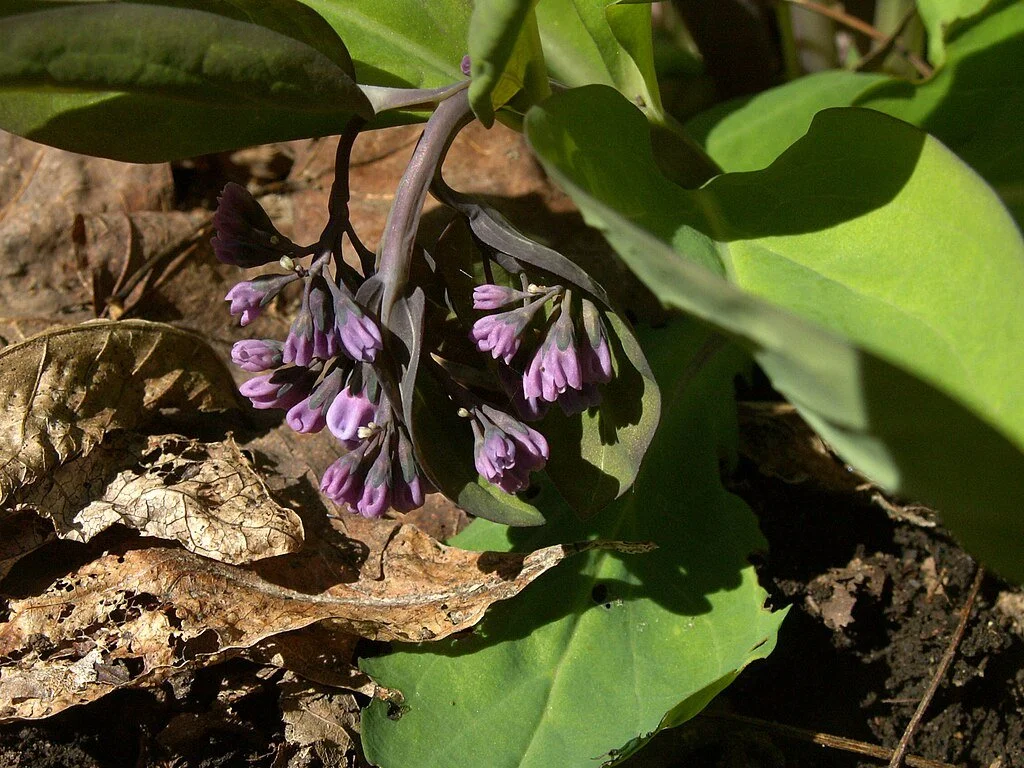
Photo: Canadian Serviceberry, USFWS/Southeast, Public domain, via Wikimedia Commons
Julie Udani
Once there was a client who hired a landscape designer to create a pollinator garden for her. It looked beautiful and she was very happy to see butterflies flitting around throughout the summer and fall. The next spring, though, she called the designer very upset. “Caterpillars have infested all my flowers,” she said, “I had to have them sprayed.” True story.
Canadian Serviceberry, a host plant for Summer Azure butterfly larvae. Photo: USFWS/Southeast, Public domain, via Wikimedia Commons
Summer Azure butterfly caterpillar. Photo: Jacy Lucier, CC BY-SA 4.0, via Wikimedia Commons
Everybody loves butterflies, but caterpillars can be less charismatic. However, without caterpillars, we don’t have butterflies. Caterpillars are important to birds, too. Baby birds don’t eat seeds and berries. Overwhelmingly, bird parents rely on caterpillars to feed their young. According to Doug Tallamy, a brood of nestling chickadees needs between 6,000 and 9,000 caterpillars to reach adulthood.
Summer Azure butterfly. Photo: xpda, CC BY-SA 4.0, via Wikimedia Commons
This is good news for those of us with shady yards who want to support pollinators. Instead of focusing on typical pollinator gardens, full of nectar-bearing flowers that need full sun, we can plant a butterfly nursery. Most butterflies can only lay their eggs on a small group of plants. Monarchs famously prefer milkweed, but other species of Lepidoptera prefer other species of plants. And many of these can grow in the shade.
Just a few examples include dogwood and serviceberry trees that host, respectively, the Summer Azure and Viceroy butterflies. Shrubs that are larval hosts include the spicebush (Spicebush Swallowtail), the mountain laurel (Brown Elfin), and the black chokeberry (Coral Hairstreak). And shade perennials can bloom in all seasons to make a gorgeous butterfly nursery garden. Spring bloomers include violets (Aphrodite Fritillary, Great Spangled Fritillary, Meadow Fritillary) and golden alexander (Black Swallowtail). Summer perennials include white turtlehead (Baltimore Checkerspot) and black cohosh (Appalachian Azure). Fall features white woods aster (Silvery Checkerspot) and blue woods aster (Pearl Crescent). Even most of the sedges are larval hosts.
Don’t leave the butterfly gardens to your neighbors. Welcome them into your shady yard - and the caterpillars, too!
Catch up on past Wildlife Sanctuary Almanac articles here.
Wildlife Sanctuary Almanac: It's Spring! Is it Time to Plant?
Spring arrives on March 20. Those occasional warm sunny days that occur in early spring may signal that it is time to add to your native plant gardens. But don’t move too fast!
Photo: Mertensia virginica (Virginia Bluebells), Cbaile19, CC0, via Wikimedia Commons
Alda Krinsman
Spring arrives on March 20. Those occasional warm sunny days that occur in early spring may signal that it is time to add to your native plant gardens. But don’t move too fast! Despite their reputation for being able to adapt to our local climate conditions, even native plants, when newly planted, can be damaged or killed by frosts or freezes that occur after the first day of spring.
Rather than the first day of spring, the best date to use as a guide for spring planting should be the average last frost date, which varies by specific location. In northern Virginia, this date in 2026 can vary from April 1-15 in Alexandria to April 15-25 in Winchester.
Fragaria virginiana (Wild Strawberry). Photo: Walter Siegmund, CC BY-SA 3.0, via Wikimedia Commons
Chrysogonum virginianum (Green and Gold). Photo: David J. Stang, CC BY-SA 4.0, via Wikimedia Commons
If you plan to order native plants online, it would be best to request a shipping date after the average last frost date in your area. This is especially true if the grower is located in an area with an average last frost date that is earlier than that in your area. You want to avoid shocking plants that may be starting to emerge from dormancy by having them arrive in an area still at risk of frost or even freezing. As noted above, average frost dates can vary throughout the DMV, so even if you purchase native plants from local growers at sales in March and April, it would still be wise to hold off planting until the last average frost date for your specific locale.
Once your average last frost date has passed, also consider the soil conditions before you plant. The soil where you plan to plant should be workable. Soil conditions can vary throughout your property. If the soil is still frozen, it is too early to plant despite the air temperature. Soil in some areas of your property may still be frozen even after the last average frost date, especially in areas in deep shade. Also consider the moisture level of the soil. If water pools in the hole as you dig, it is still too early to plant. If you grab a handful of soil and it clumps and even drips when you squeeze, it is too early to plant. Planting in wet soil will compact the soil. Compacted soil deprives plants of oxygen and interferes with root growth, which can be fatal for your plant. If the soil crumbles and falls apart in your hand, it is workable, and if the last average frost date in your area has passed, it is probably safe to plant. As a final precaution, it would be wise to check the 10-day forecast for your area to ensure there are no unusual frosts or freezes predicted.
Catch up on past Wildlife Sanctuary Almanac articles here.
Early Spring Blooms for the Garden
Our woodlands and meadows are about to awaken and burst into a vibrant display of spring ephemerals, the transient native beauties we love to see, especially after the cold and snowy days of winter.
Photo: Spring Beauty, Margaret Fisher
Plant NOVA Natives
Our woodlands and meadows are about to awaken and burst into a vibrant display of spring ephemerals, the transient native beauties we love to see, especially after the cold and snowy days of winter. They are among the first spring plants to emerge and are indeed ephemeral. They don’t last long, completing their life cycle in a matter of weeks to take advantage of the sunlight that filters through the canopy before the trees leaf out.
Spring Beauty, Margaret Fisher
Virginia Bluebells are a well-known and popular example of a spring ephemeral, celebrated during bluebell festivals around the region in April. But the show starts earlier, with Spring Beauty sprinkling the ground starting in late March, followed by a whole array of fascinating species including Trout Lilies and Dutchman’s Breeches. We can bring their splendor and interest to our homes by planting them in our landscapes and gardens. They are the native equivalent of crocuses and daffodils, a difference being that they are transplanted in pots rather than planted as bulbs.
The blooms of spring ephemerals are small and delicate, almost fairy-like in appearance, and yet they are an important early source of pollen for newly emerging bees. Our gardens can serve as a haven for these small but mighty plants that directly support the biodiversity of the region. Spring ephemerals will emerge before many of us begin active gardening, so successful cultivation requires some advance thought and planning. They need sun in late winter and early spring but require shade later on as the sun intensifies and temperatures rise. They will be at home in most woody settings on your property, so plant them under trees, shrubs, and other large perennials where the soil is moist. They are particularly charming along paths and walkways where you can enjoy them every day as you pass by. You can read about them on the Plant NOVA Natives website.
Some growers advise that early fall is the best time to plant spring ephemerals, but the plants are harder to find for sale then since they would just look like empty pots. Planting them in the spring is just fine, but you may not see blooms in the first season. Most commercial nurseries these days sell the more popular species of spring ephemerals such as Virginia Bluebell, but a wider selection of species can be found in the native plant nurseries and at the local spring native plant sales.
Please remember this important rule when considering spring ephemerals for your property. You should always buy them from a grower and never take them from the wild. They are slow to propagate and will likely die if you disturb them. They may be small and short-lived, but they are crucial to the native ecosystems and a testament to the renewal of spring. Let’s enjoy them in the wild where they have decided to plant themselves.
Before this year’s spring ephemerals come and go, it’s worth the effort to get out to see them sprinkled across wetlands and woodland floors in parks and other undisturbed preserves across northern Virginia. They are a sight for sore eyes after the drab gray of winter. Open your plant identification apps, grab your native plant guidebook, or go on one of the spring ephemeral walks such as the ones hosted by the Virginia Native Plant Society. Watch your step and stay on the paths as you take in the wonderful display. Get to know them, fall under their spell, and you will no doubt be inspired to purchase and plant several of these magical beauties for your own garden viewing pleasure.