
Wildlife Sanctuary Almanac: It's Spring! Is it Time to Plant?
Photo: Mertensia virginica (Virginia Bluebells), Cbaile19, CC0, via Wikimedia Commons
Alda Krinsman
Spring arrives on March 20. Those occasional warm sunny days that occur in early spring may signal that it is time to add to your native plant gardens. But don’t move too fast! Despite their reputation for being able to adapt to our local climate conditions, even native plants, when newly planted, can be damaged or killed by frosts or freezes that occur after the first day of spring.
Rather than the first day of spring, the best date to use as a guide for spring planting should be the average last frost date, which varies by specific location. In northern Virginia, this date in 2026 can vary from April 1-15 in Alexandria to April 15-25 in Winchester.
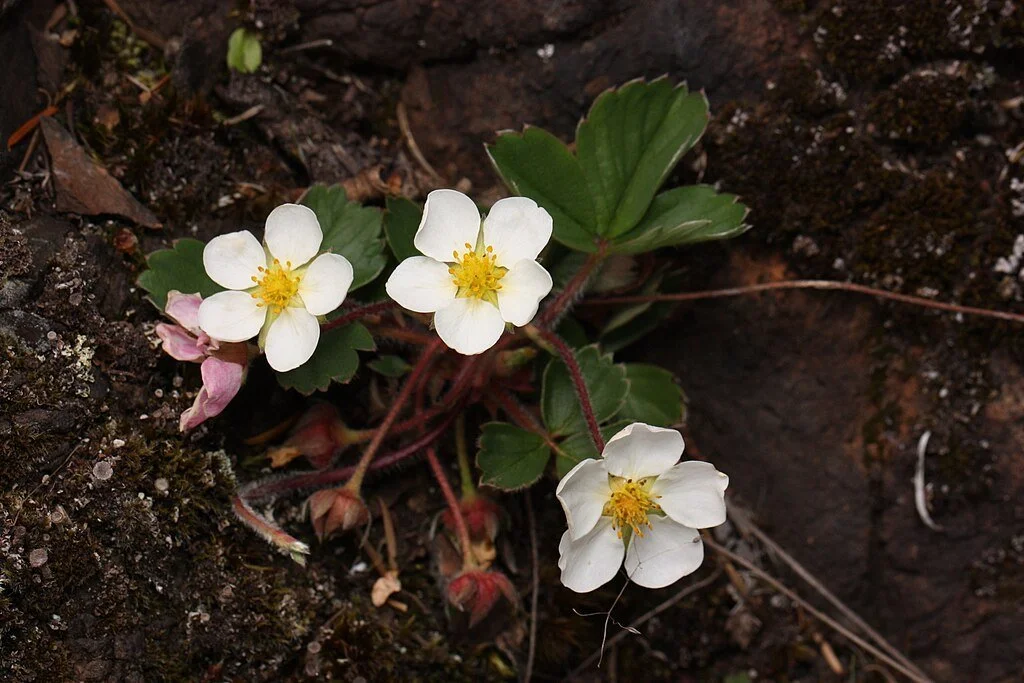
Fragaria virginiana (Wild Strawberry). Photo: Walter Siegmund, CC BY-SA 3.0, via Wikimedia Commons
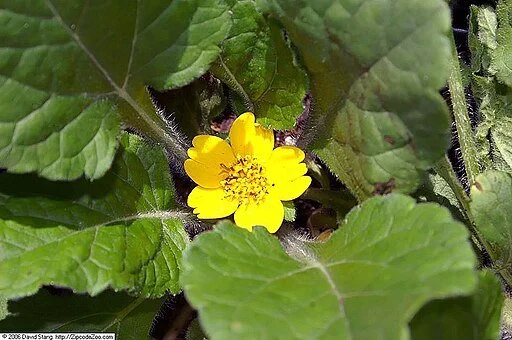
Chrysogonum virginianum (Green and Gold). Photo: David J. Stang, CC BY-SA 4.0, via Wikimedia Commons
If you plan to order native plants online, it would be best to request a shipping date after the average last frost date in your area. This is especially true if the grower is located in an area with an average last frost date that is earlier than that in your area. You want to avoid shocking plants that may be starting to emerge from dormancy by having them arrive in an area still at risk of frost or even freezing. As noted above, average frost dates can vary throughout the DMV, so even if you purchase native plants from local growers at sales in March and April, it would still be wise to hold off planting until the last average frost date for your specific locale.
Once your average last frost date has passed, also consider the soil conditions before you plant. The soil where you plan to plant should be workable. Soil conditions can vary throughout your property. If the soil is still frozen, it is too early to plant despite the air temperature. Soil in some areas of your property may still be frozen even after the last average frost date, especially in areas in deep shade. Also consider the moisture level of the soil. If water pools in the hole as you dig, it is still too early to plant. If you grab a handful of soil and it clumps and even drips when you squeeze, it is too early to plant. Planting in wet soil will compact the soil. Compacted soil deprives plants of oxygen and interferes with root growth, which can be fatal for your plant. If the soil crumbles and falls apart in your hand, it is workable, and if the last average frost date in your area has passed, it is probably safe to plant. As a final precaution, it would be wise to check the 10-day forecast for your area to ensure there are no unusual frosts or freezes predicted.
Catch up on past Wildlife Sanctuary Almanac articles here.