

NVBA News Blog
American Robin. Photo: Mick Thompson/Audubon Photography Awards
Welcome to the blog for Northern Virginia Bird Alliance, a wealth of resources about northern Virginia birds, wildlife, habitat conservation and restoration, native plants, wildlife-friendly gardening, advocacy and more.
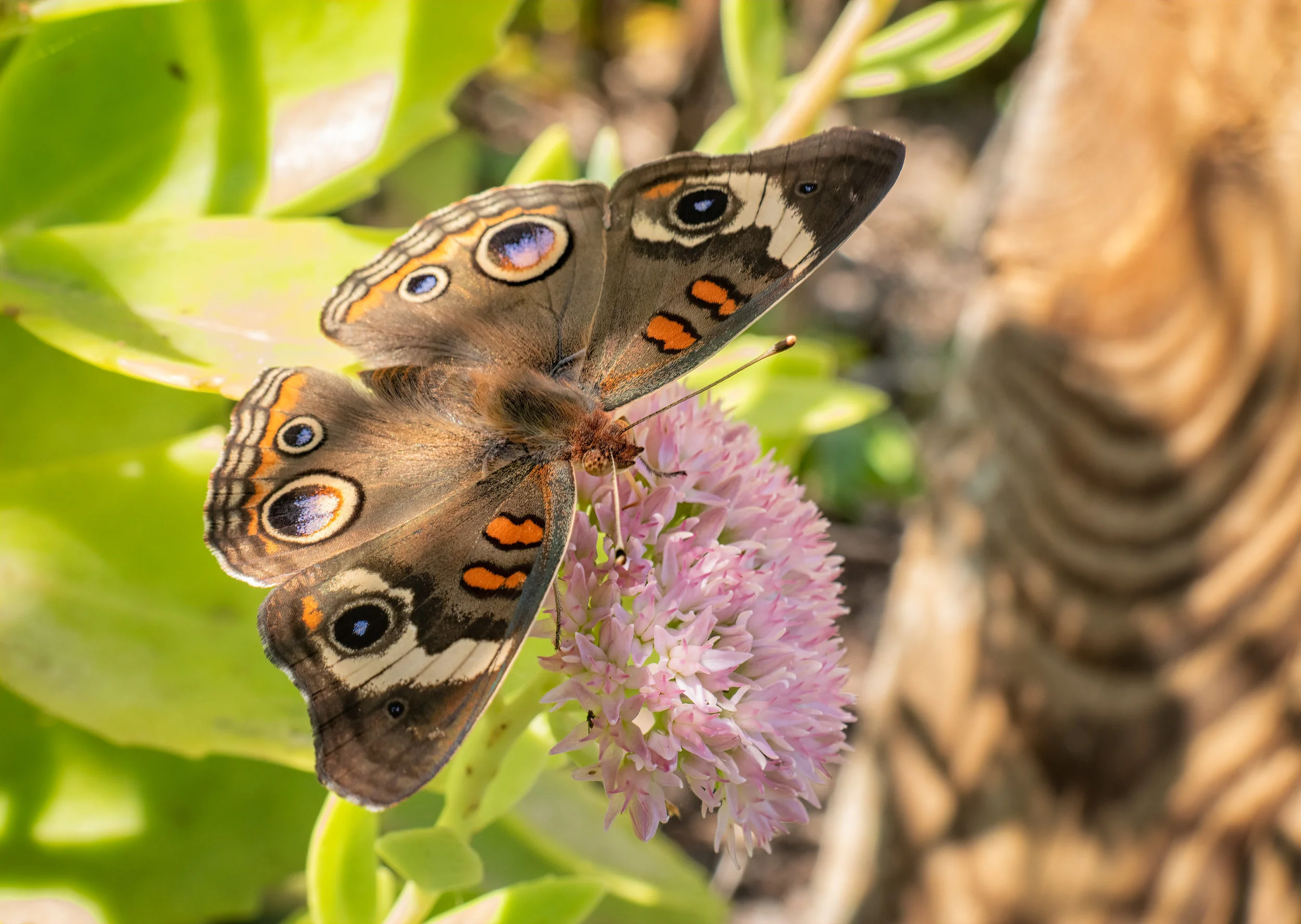
Butterflies Need Our Help
Butterflies are with us once again, moving softly and quietly across the landscape. They’ve been called flying flowers, floating poems, nature’s confetti, and many other appreciative metaphors. But words fall short every time.
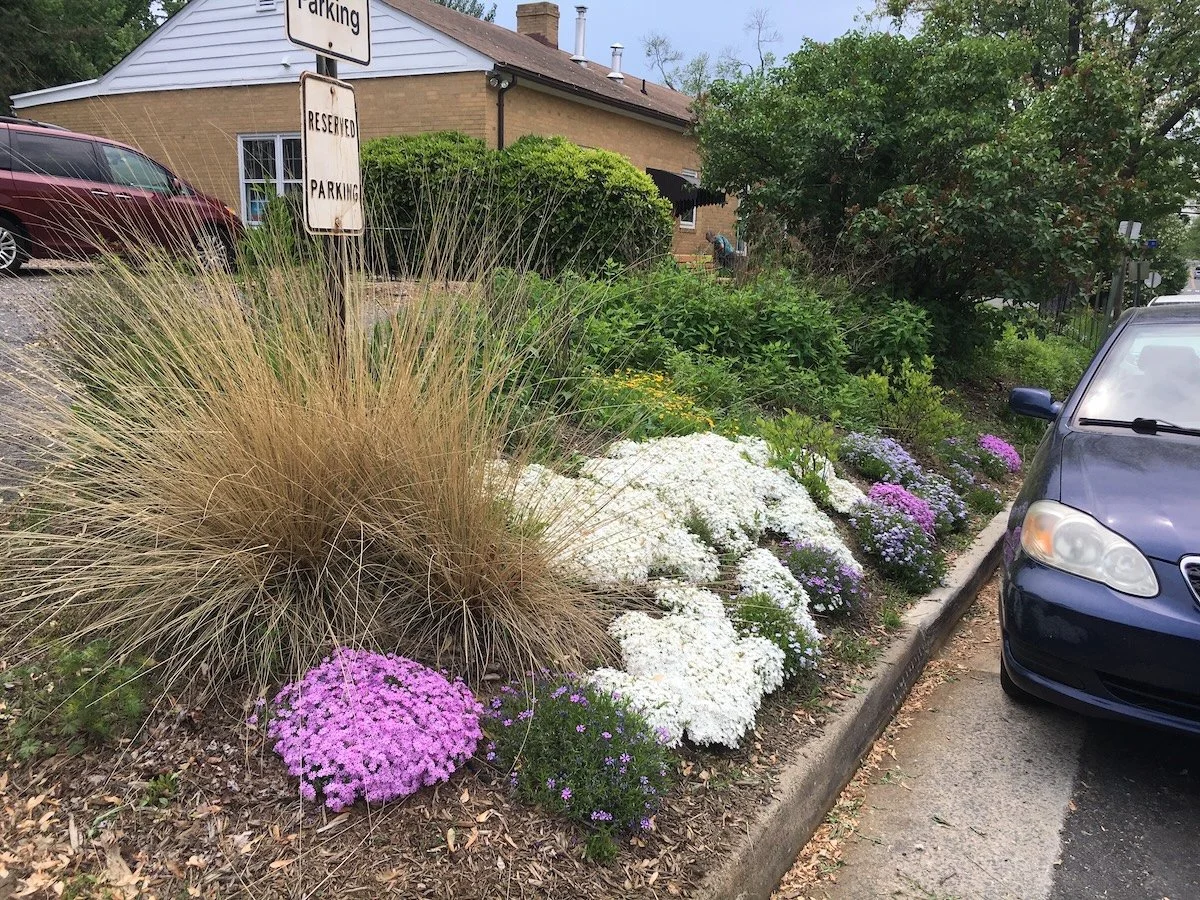
Plant the Slant: Tips for Gardening on Slopes
Depending on its position and angle, planting a slope isn’t always easy. But the rewards can be considerable.
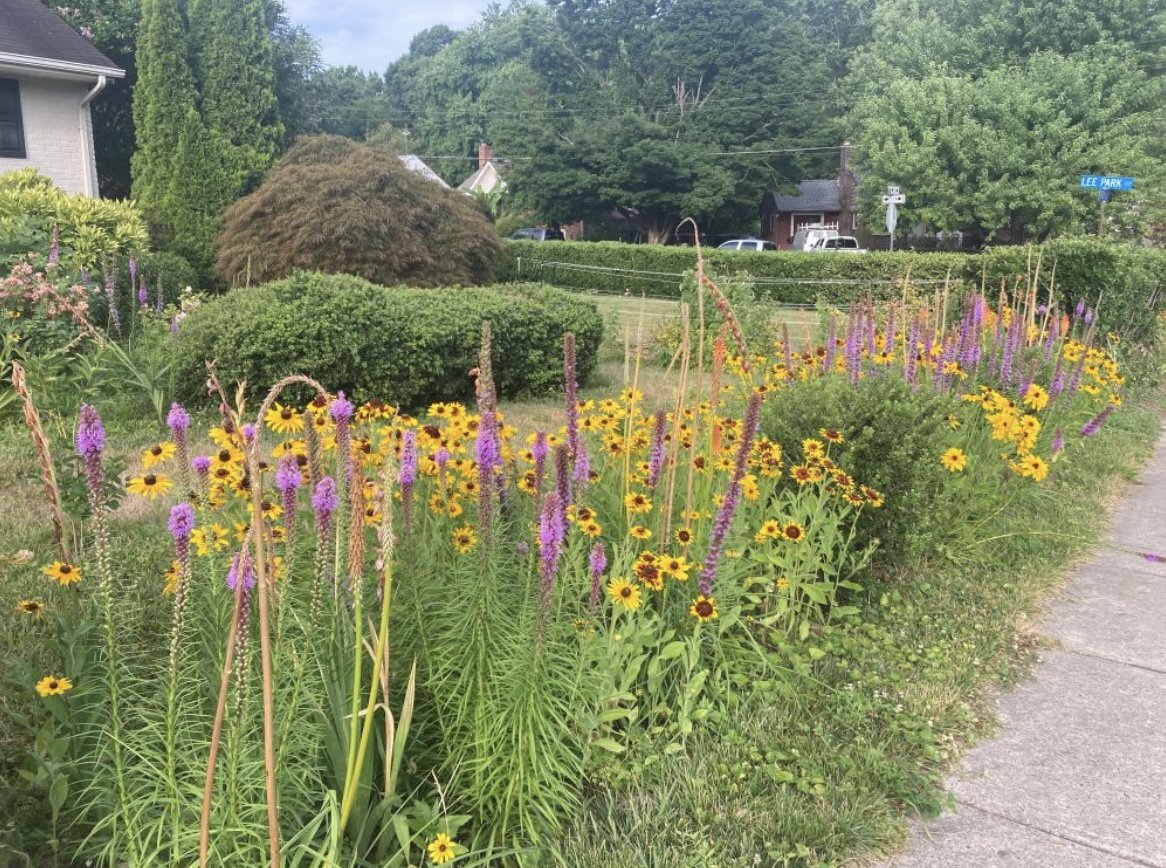
Your Yard Can Help Save Our Streams
Northern Virginia’s stream and river water quality is not great. Although agriculture is the largest contributor by far of nutrient and sediment loads in Virginia’s streams, rivers, and the Chesapeake Bay, urban and suburban stormwater runoff is the second-largest and the fastest-growing contributor to these pollutants.
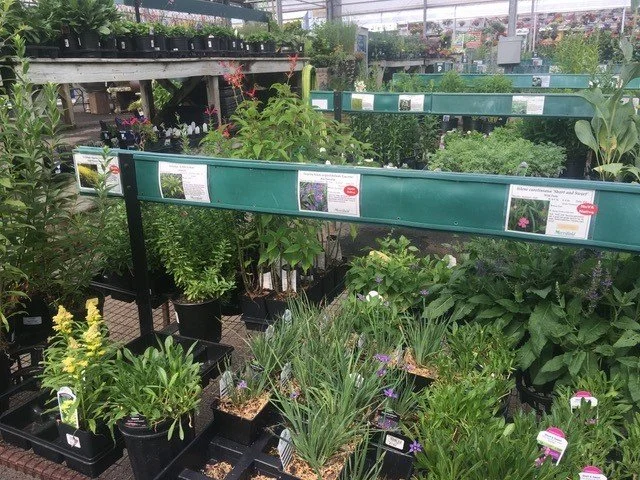
Judging a Plant by its Label
Finding natives in commercial garden centers can be challenging. Plant labels, excepting those that Plant NOVA Native volunteers have already tagged in red as “Native,” rarely offer much information and use terms that can be confusing. Here are some definitions and tips to help you find exactly what the biodiversity of the region needs.
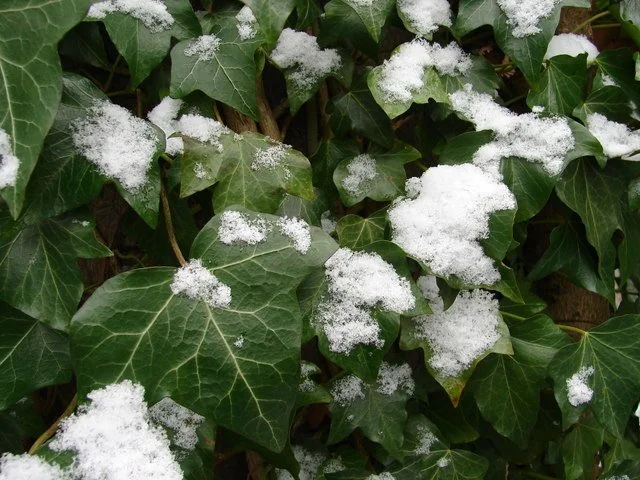
The Depths of Winter: What's a Gardener to Do?
February is a daunting, cold month for sure. But winter dormancy is for plants, not humans, and February can be the perfect time to plan additions to your native plant garden. It is also a great time to remove some invasive non-native species.

Wildlife Sanctuary Almanac: Use - and Lose - Nandina
It’s a beautiful plant - evergreen, red berries, soft foliage - but evil lurks in its heart. Nandina, a.k.a. Heavenly Bamboo or Nandina domestica, is a woody shrub native to Asia. It is not a true bamboo but, just like its namesake, it is a real problem in the landscape.

Wildlife Sanctuary Almanac: Grow a Winter Bird Feeder
Now is the time to clean and fill the feeders to help birds make a living when other food sources are scarce. It’s also time to think about providing next year’s winter bird food by planting more native plants, including native grasses, wildflowers, and woody plants, such as shrubs, vines and trees, that provide sustenance all winter long.

Be Very Brave: Plant a New Native Shrub This Fall
So, it's the right time of year to plant, and native plants are easier to find than ever before. But . . . something is still stopping you. Hmm. What could that be?

Wildlife Sanctuary Almanac: It's Time for Goldenrods
One hallmark of autumn is the appearance of goldenrods along roadsides and in wild spaces; however, until recently, goldenrods have rarely been used deliberately in gardens.

Wildlife Sanctuary Almanac: Growing Virginia Native Plants from Seed
Fall is coming and gardeners’ thoughts may turn to collecting seeds for planting next spring.

Attracting hummingbirds (and convincing them to stay a while)
With forethought and some planning, you can have a clear and frequent view of these 3.5-ounce, dive-bombing, backward-flying, shimmering, drama-obsessed, and Ferrari-engine-powered birds. If that sounds like fun, here are some tips to attract them now and get them to linger for the season.

New Law Requires Signs: Some Plants Are Invasive
Thanks to NVBA advocates’ and many others’ efforts, Virginia has a new law that requires, by January 1, 2027, retailers to conspicuously post “in proximity to each invasive plant display” signs indicating that a plant is invasive and “encouraging consumers to ask about alternatives.”

Five Great Reasons to Garden with Natives
As Margaret Atwood once said, “In the spring, at the end of the day, you SHOULD smell like dirt.” It’s very good for us on so many levels.

Early Spring Blooms for the Garden
Our woodlands and meadows are about to awaken and burst into a vibrant display of spring ephemerals, the transient native beauties we love to see, especially after the cold and snowy days of winter.

Clean Water and Native Plants
If your property contains a stream, pond, or any sort of wetland, whether its flow is permanent or intermittent in nature, this article is especially for you!

Let Dead Plant Material Lie
Dead native plant material is integral to a healthy ecosystem. An essential support for the populations of pollinators and other animals upon which we all depend, nothing comes close to replacing its role in the health of a diverse ecosystem.

Wildlife Sanctuary Almanac: Sanctuary for Chickadees
Chickadees need a yard full of native plants. How can that be? Chickadees eat seeds, so why do they need native plants?

Wildlife Sanctuary Almanac: Where Do They Go?
We know now that migration on earth accounts for the disappearance and reappearance of birds. But what about other creatures?

Wildlife Sanctuary Almanac: Grow your own bird feeder for migrating birds
Fall-fruiting native shrubs and trees not only provide nutritious, fatty berries for birds, but also display beautiful fall color. That’s not for our benefit: what’s called foliar fruit flagging is the way the plants signal to birds that fruits are ripe and ready for plucking—just in time for migration.

Supporting your garden through heat and drought
We all know the climate is getting hotter. The week of July 22 included the world’s two hottest days in recorded history. We can only anticipate more heat and more drought in the future. How can you help your garden thrive?