NVBA NEWS BLOG
Welcome to the blog for Northern Virginia Bird Alliance, a wealth of resources about northern Virginia birds, wildlife, habitat conservation and restoration, native plants, wildlife-friendly gardening, advocacy and more.
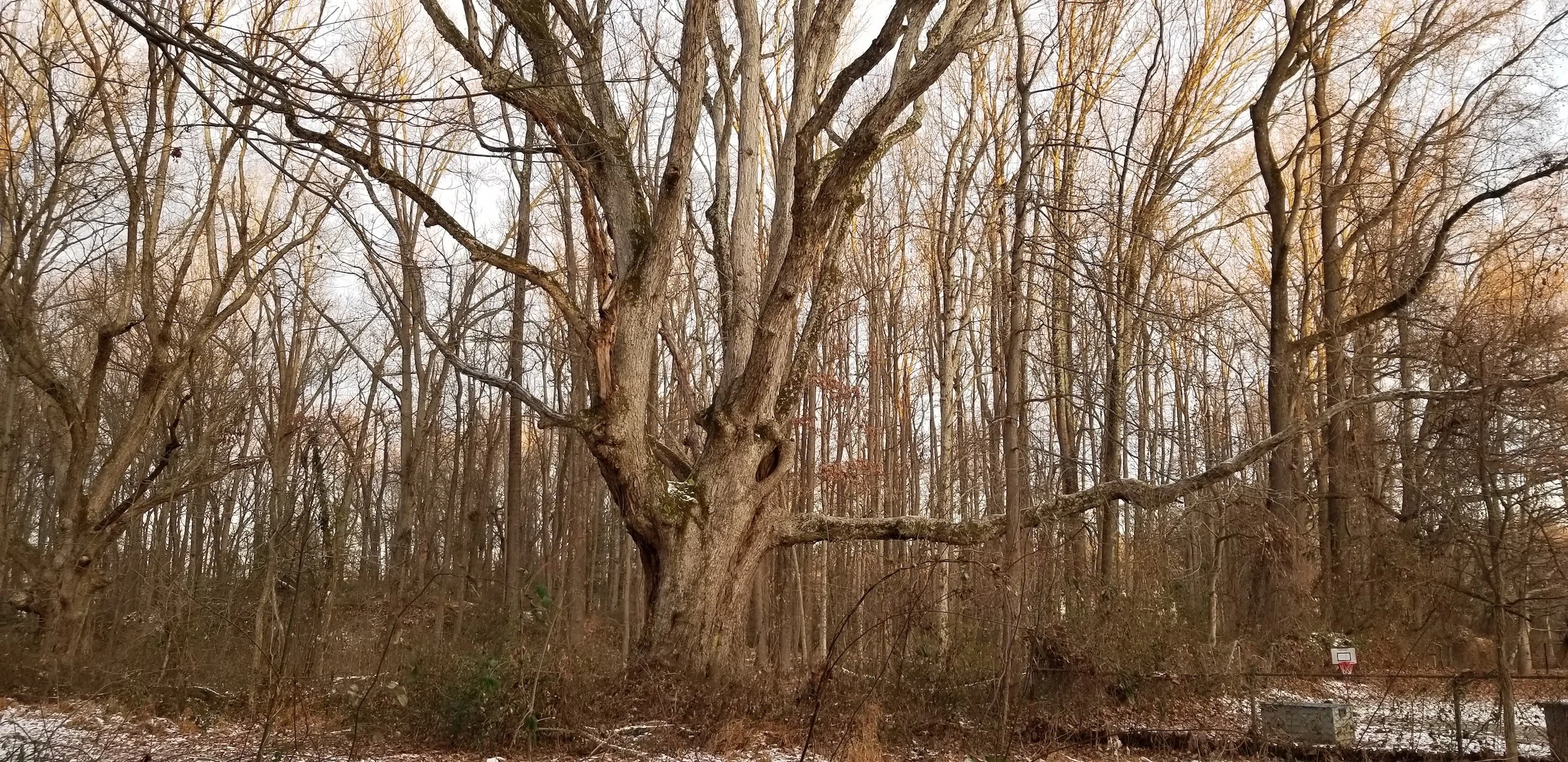
Wildlife Sanctuary Almanac: Love Our Mighty Oaks
Native species of oak trees are abundant across our region. Northern Red Oaks and White Oaks in particular are among our most dominant keystone species, contributing to the ecosystem in ways that are mighty indeed.
Photo: Swamp Chestnut Oak, Betsy Martin
Eileen Ellsworth
Native species of oak trees are abundant across our region. Northern Red Oaks and White Oaks in particular are among our most dominant keystone species, contributing to the ecosystem in ways that are mighty indeed.
Doug Tallamy has written and spoken extensively about oaks. Like all large canopy trees, they scrub air-borne pollutants, capture carbon dioxide, provide oxygen and shade, manage stormwater runoff and produce life-supporting leaf litter. But oaks are noteworthy in their ability to nurture insects – a form of life that E. O. Wilson called “the little things that run the world.” Without caterpillars, there would be no terrestrial food webs. Pause for a moment to take that in.
Tallamy estimates that oak trees are hosts for hundreds if not thousands of species of caterpillars. A full third of our native moths depend on oaks to reproduce. He estimates that only 14% of native plants produce 90% of caterpillar food, which is the reason he considers oak trees to be “keystone” to biodiversity. Caterpillars eat the oak leaves, and birds feed the caterpillars to their nestlings – many thousands of them during just one breeding season. If you want to attract a wider diversity of nesting birds on your property, plant an oak.
Oak trees provide food for wildlife in winter as well. Many small birds such as chickadees, titmice, and Golden-crowned Kinglets can be seen flitting through the canopy on the coldest days of the year. What are they doing? To find out, Bernd Heinrich, a research scientist and biology professor at the University of Vermont, examined the crops of Golden-crowned Kinglets in Maine, in January. He discovered they were filled with geometrid moth caterpillars, commonly known as inchworms. Remarkably, these caterpillars produce a kind of antifreeze that enables them to survive freezing cold temperatures. Even in the dead of winter, our native oaks support caterpillars that drive the food web.
Oaks also drop fat- and protein-rich acorns, of course, and many tons of them during a “mast year.” A single oak can produce up to 3 million acorns during its lifetime. Squirrels, deer, and chipmunks all eat acorns, as do many species of birds such as Wild Turkeys, Red-headed Woodpeckers, Red-bellied Woodpeckers, flickers, titmice, towhees, Wood Ducks, and Blue Jays.
Blue Jay with acorn, Seth Honig
Jays of all kinds enjoy a particularly ancient and beneficial relationship with acorns. They cache them. A single jay will fly up to a mile to bury an estimated 4,500 acorns each fall, only remembering where 1 in 4 are buried. They are therefore planting 3,300 oaks a year, turning oak trees into the “fastest moving” deciduous trees in the world.
The decline of our older oaks that has been going on for decades came to a head a few years ago. (See Chamberlin, Oak Decline in Virginia.) The early wet weather in 2018 and 2019, followed by summer heat and drought and winters with unusual temperature swings, stressed many tree species, but especially oaks. The combination opened the door to ambrosia beetles and other pests. Many mature oak trees died across the region. As our older oaks die off, it is important that we actively replace them with young ones.
Red-headed Woodpecker, Gary Robinette/Audubon Photography Awards
The single best way to turn your yard into a sanctuary for wildlife is to plant an oak, making sure to pick a spot where it can grow unimpeded by powerlines above ground and waterlines and other infrastructure below ground. Based on research by Tallamy and his colleagues, we tell clients that 70% or more of the plant material in a yard should be native for the yard to support wildlife effectively. A single oak can meet that standard as it grows.
When you plant a single oak tree, or spare an existing one, you will help capture carbon, protect water quality, protect insect populations, and support birds and other wildlife. You can use the Plant NOVA Natives plant finder app to find an oak (or other native tree or plant) suitable for the conditions in your yard.
Catch up on past Wildlife Sanctuary Almanac articles here.
Wildlife Sanctuary Almanac: Sanctuary for Chickadees
Chickadees need a yard full of native plants. How can that be? Chickadees eat seeds, so why do they need native plants?
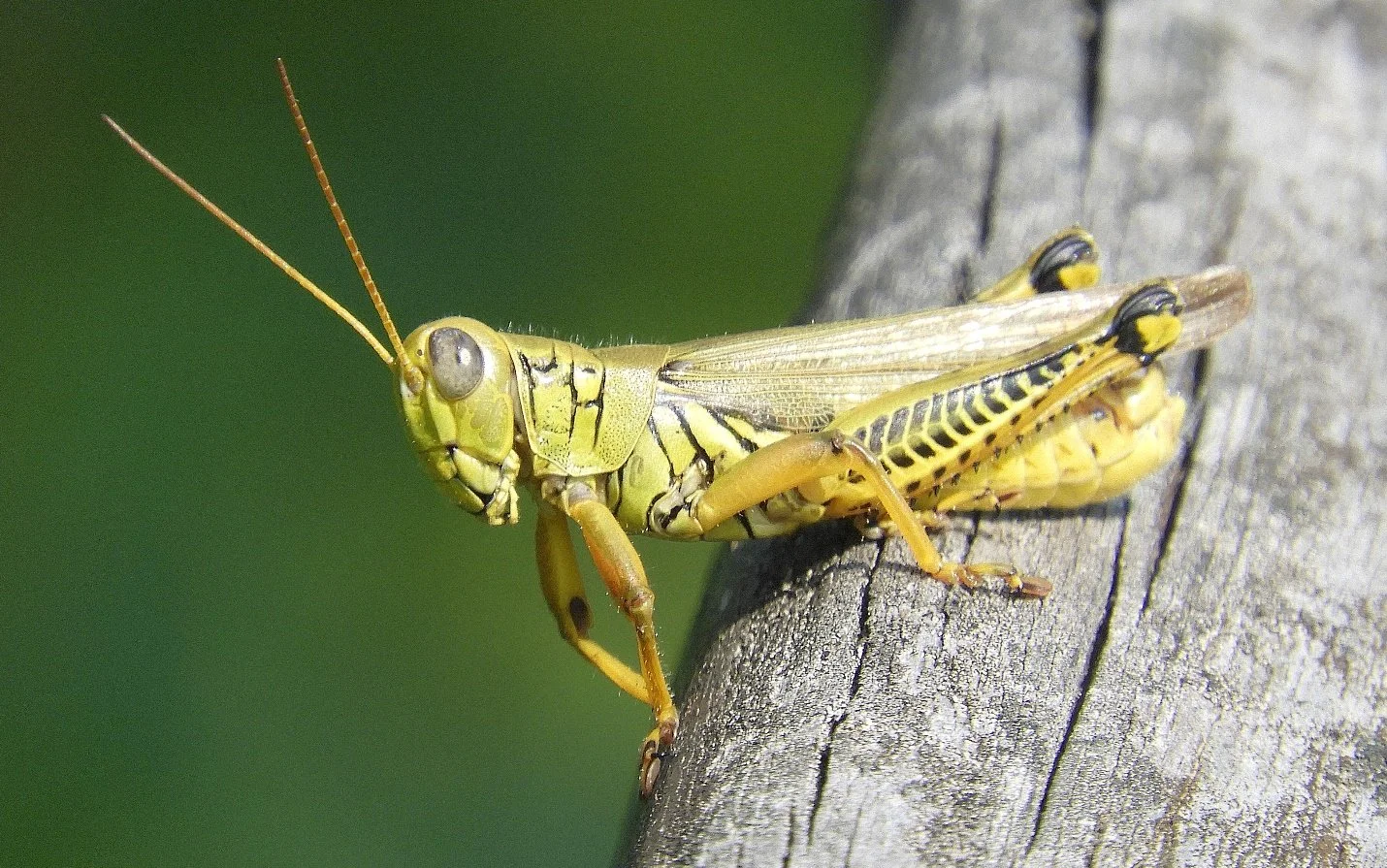
Photo: Carolina Chickadee, Gary Robinette/Audubon Photography Awards
The Wildlife Sanctuary program helps homeowners create habitat in their own yards, with the aim of attracting and supporting beneficial wildlife that breed and live in our area. There are 42 Sanctuary Species, and you can learn more about them here. A yard that attracts 10 Sanctuary Species that nest, breed, forage, shelter, or hunt in the yard can be certified as a Wildlife Sanctuary our motto is, “Let the animals decide.”
Carolina Chickadee, Maxine Okazaki/Audubon Photography Awards
One Sanctuary Species is the Carolina Chickadee (Poecile carolinensis), that common, cheery visitor to backyard bird feeders. Chickadees are winter residents, and this small bird must contend with cold and consequent heat loss. About half survive the winter. Homeowners can help them survive by planting an evergreen shrub or tree to provide shelter from cold winds, and by providing a bird feeder. Hang feeders a short distance (maybe 6 to 10 feet) from tree and shrub cover, so birds can quickly seek cover when they spot predators, like hawks or stray cats. Chickadees are sentinels and warn other wildlife of approaching predators with their Chick-a-dee-dee-dee alarm call. They are cavity-nesters, so preserve trees with cavities, dead or alive, to provide roosting and nesting sites. Chickadees will use nest boxes, too.
More than anything, though, Chickadees need a yard full of native plants. How can that be? Chickadees eat seeds, so why do they need native plants?
Native plants are required to support the insects on which Chickadees depend for over half their diet. Caterpillars and other insects are especially critical when Chickadees are raising young in spring. Because nestlings need protein to grow, they must eat insects. Most native insects are specialists: they eat only the host plants with which they co-evolved. Without the native plants, there are fewer native insects, and without the insects, the birds cannot thrive, no matter how many bird feeders are available to them.
Carolina Chickadee, Minnie Lucas/Audubon Photography Awards
An ingenious study conducted by Douglas Tallamy and his colleagues in yards right here in the DC area confirms the effect. The scientists measured the amount of native plant material in each yard, and they observed whether Chickadees nested in it, and how successful their nesting efforts were.
Yards in which less than 70% of the plant material (trees, shrubs) was native were “food deserts” that could not support enough insects to sustain chickadee families. Chickadees were less likely to nest in such yards, and those that did, had less reproductive success. The result was declines in Chickadee populations.
So, as you watch the Chickadees visit the bird feeder through your window in this cold winter weather, think ahead to spring and plan to fill your yard with native trees and shrubs to support next year’s Chickadee families.
Catch up on past Wildlife Sanctuary Almanac articles here.
Our Very Necessary Insects
People spend more time trying to kill insects than trying to save them, University of Delaware entomologist Douglas Tallamy told a Zoom gathering of 300 on September 25.
Photo: Differential Grasshopper, Bob Veltkamp
By Glenda C. Booth
People spend more time trying to kill insects than trying to save them, University of Delaware entomologist Douglas Tallamy told a Zoom gathering of 300 on September 25. Think about all those pest eradication products on hardware shelves, trucks spraying grassy lawns, and bug zappers, also aptly called electric insect killers.
Many people want to eliminate insects, he lamented, but his key message was, life as we know it depends on insects. Without insects, food webs would collapse, plants would not get pollinated, animals would disappear, insect decomposers would vanish, and people would be left with bacteria and fungi, he explained.
Tallamy quoted the late Dr. E.O. Wilson, an ant expert, who called insects “the little things that run the world,” but Tallamy stressed, though critical to life, insects are in serious decline.
Differential Grasshopper, Bob Veltkamp
A 2019 study published in Biological Conservation concluded that more than 40 percent of the world’s insect species face possible extinction, a phenomenon the media has called the “insect apocalypse.” A study published in Science Focus in 2020 found that one-quarter of land-dwelling insects have disappeared in the past 30 years. One million species face extinction in next 20 years and most will be insects, said Tallamy, citing a United Nations report. “The creatures that keep us alive are disappearing,” he warned.
Many birds depend on insects for food. Birds that winter in Costa Rica and migrate north lose 35 percent of their body weight when they cross the Gulf of Mexico. When they land, they must replace that weight by eating insects. Resident birds too need insects, especially caterpillars to feed their young. A chickadee, for example, needs 6,000 to 9,000 caterpillars to raise two young or one caterpillar every three minutes. But many bird species too are declining in numbers and at least 432 species birds in North America are threatened with extinction, a 2016 analysis found.
He showed a photo of a church surrounded by a treeless lawn and noted the irony that people were inside worshipping God’s creation, but with few to no native plants, destroying it outside.
Losing Critical Plants
Black Swallowtail, Bob Veltkamp
A major cause of these declines is that people have altered and disturbed natural habitat by replacing native plants on which native insects depend with non-native or invasive plants that give little support. Ninety percent of insects eat only vegetation from plants with which they share an evolutionary history. One of the most famous examples is the monarch butterfly. Its caterpillar eats only milkweed. Other examples: the Pandora sphinx needs Virginia creeper; the Zebra swallowtail butterfly needs pawpaw trees; the evening primrose moth, evening primrose; and the emerald moth, smooth sumac. “Plant choice matters,” Tallamy emphasized.
Oak trees are champion “keystone species,” the most productive plant, Tallamy contends. In his home state of Pennsylvania, 511 species of moths and butterflies rely on oaks, far more than other trees. Oaks support 557 species of caterpillars in the mid-Atlantic. Non-native trees like gingkos, Callery and Bradford pear and plants like barberry and amur honeysuckle do not support native insects.
Other Causes
Insects are also adversely affected by climate change, herbicides, pesticides, and light pollution. Building and street lights can increase predation on insects and cause incineration, collisions, dehydration and disruption of circadian rhythms and mating, Tallamy said.
What You Can Do
East of the Mississippi, 85.6 percent of land is privately owned so saving insects requires broad-based action, Tallamy challenged. We must “live in harmony with the natural world sustainably,” he urged, instead of “declaring war on nature.”
He offered some suggestions:
Cut lawns in half, create beds around trees, add trees, and leave the fall leaves for overwintering insects.
Plant native plants and remove invasive plants.
Reduce light pollution by using motion-sensitive lights and yellow light bulbs outside.
Avoid mosquito spraying, even if companies claim their products are “natural.” These products kill all insects, not just mosquitoes. Use a mosquito dunk or a fan instead.
Minimize insecticides and pesticides.
Don’t use bug zappers. They kill 99 percent of insects.
Tallamy concluded, “Insects are the currency in our ecological bank account. The insect decline is a global problem with a grassroots solution. We created the problem and we can solve it.”
He is the author of Bringing Nature Home, Nature’s Best Hope and The Nature of Oaks and formed Homegrown National Park to encourage private property owners to restore habitat and ecological networks with native plantings.
Libby Lyons applauded the talk “because his approach is straightforward and promises significant impact. His message is particularly powerful because he enables folks to see how each of us can make a positive difference for conservation right in our own backyards.” Lyons is president of the Audubon Society of Northern Virginia (ASNV). ASNV has free “ambassadors” that will advise property owners. Visit ASNV's Audubon at Home site.
The meeting was sponsored by the Audubon Society of Northern Virginia, Plant NOVA Natives, the Prince William Conservation Alliance and the Loudoun Wildlife Conservancy.
You can watch the talk here.
This article appeared originally in the Mount Vernon Gazette, Connection Newspapers, October 13, 2022.
How to Find Native Plants
Elizabeth Martin, Audubon at Home
The organizations sponsoring Dr. Tallamy’s September 25 talk offer resources for property owners wishing to adopt lawn and garden practices that are more friendly to wildlife and the environment. Plant NOVA Natives offers recommendations and guidance on native plants on its website. The Audubon at Home Ambassadors do on-site consultations, advising on substituting native plants for invasives. ASNV’s Audubon at Home program operates in the City of Alexandria and Arlington, Fairfax, Prince William, Fauquier, and Rappahannock Counties. The Loudoun Wildlife Conservancy operates the Audubon at Home program in Loudoun County.
Other websites with information on native plants are available from National Audubon Society and the National Wildlife Federation.
Lecture and Book Signing with Dr. Doug Tallamy
Along with the Prince William Wildflower Society, a chapter of the Virginia Native Plant Society, Audubon Society of Northern Virginia and Audubon at Home will be sponsoring an author lecture by renowned entomologist and ecologist Dr. Doug Tallamy.
Dr. Doug Tallamy, University of Delaware
Photo: Tiger Swallowtails, Sheryl Pollock
Along with the Prince William Wildflower Society, a chapter of the Virginia Native Plant Society, Audubon Society of Northern Virginia and Audubon at Home will be sponsoring an author lecture by renowned entomologist and ecologist Dr. Doug Tallamy on Sunday, February 23, 2020 from 3:00 to 5:00 PM at the Manassas Park Community Center. Dr. Tallamy, the author of Bringing Nature Home, will have his new book available for signing. Entitled Nature’s Best Hope: A New Approach to Conservation that Starts in Your Yard, it will be available from Timber Press as of February 4, 2020.
To read more about Dr. Tallamy, click here.