NVBA NEWS BLOG

Welcome to the blog for Northern Virginia Bird Alliance, a wealth of resources about northern Virginia birds, wildlife, habitat conservation and restoration, native plants, wildlife-friendly gardening, advocacy and more.
News Jess Michetti News Jess Michetti

The Latest on Avian Influenza

Spring migration is about to bring millions of birds north along the Atlantic Flyway, a welcome sight for Virginia bird-lovers emerging from a season of persistent cold and stubborn snowbanks. With these birds, concern is also returning about a bird flu outbreak that has been active in the U.S. since early 2022.
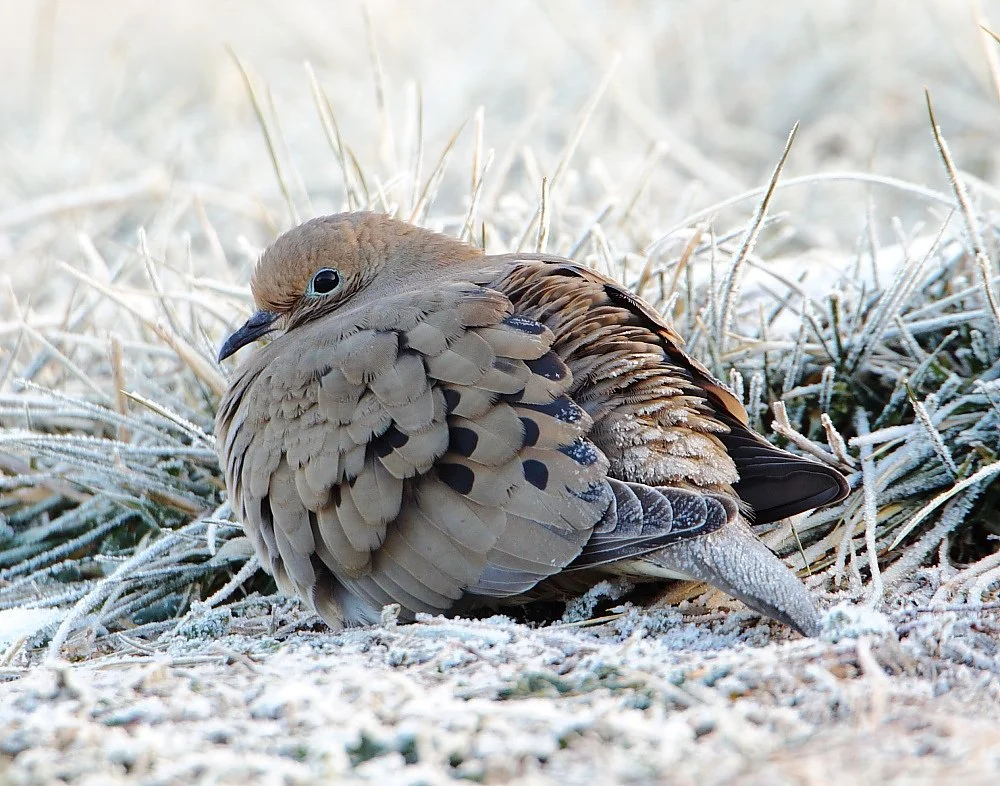
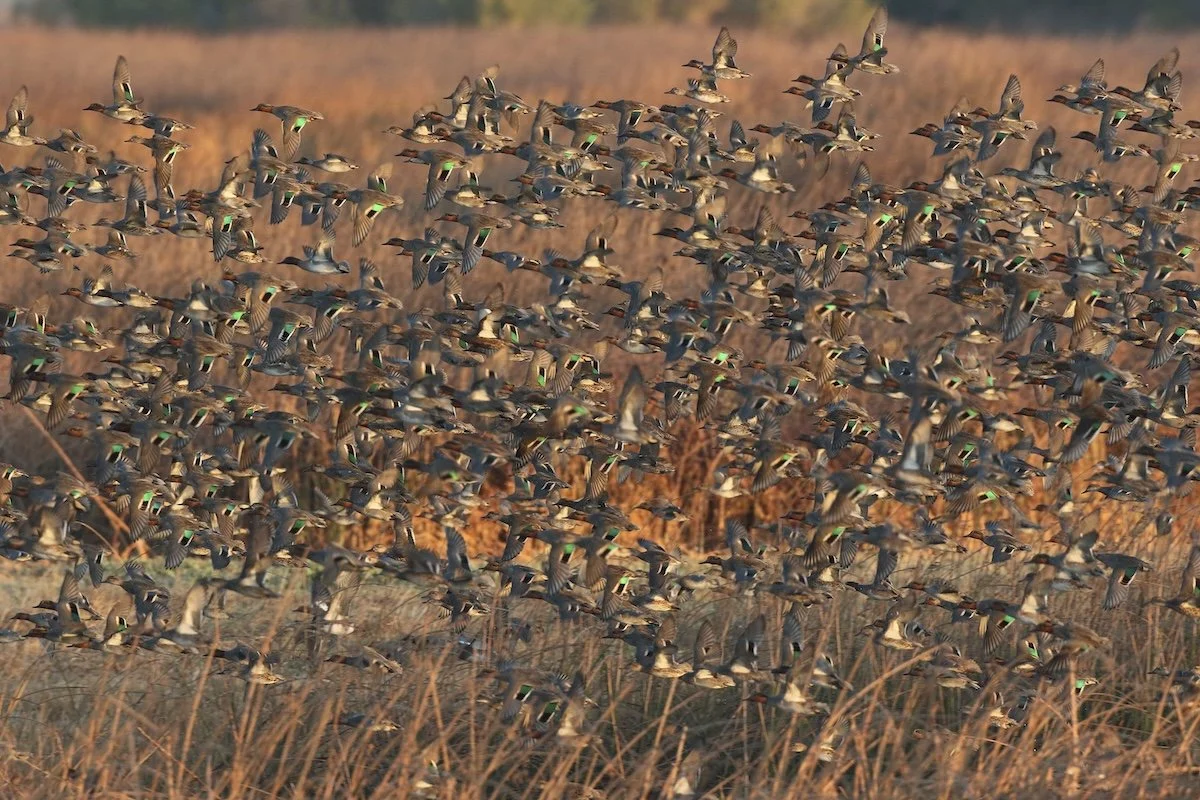
Photo: Green-winged Teal, Gary Zahm/Audubon Photography Awards

Brad Scriber

Spring migration is about to bring millions of birds north along the Atlantic Flyway, a welcome sight for Virginia bird-lovers emerging from a season of persistent cold and stubborn snowbanks. With these birds, concern is also returning about a bird flu outbreak that has been active in the U.S. since early 2022. Overall, the public health risk from the virus is low, but for certain animals and people who are likely to encounter infected birds, precautions remain important. 

Bird flu, also known as avian influenza, is a broad term for illnesses caused by a family of viruses with varying impacts on different bird species. Wild aquatic birds are reservoirs for these pathogens, which means they often carry the germs but don’t get sick. Sometimes mutations and other changes in the virus populations circulating among these birds can create new strains that do cause severe symptoms or death for these host birds. Whether or not a strain makes an aquatic bird sick, the virus can be passed on and infect poultry flocks or wild land-based birds, which may have stronger reactions. Viruses are spread through direct contact or indirectly through saliva, mucus, or feces. 

If you See a Sick or Dead Bird

Experts say not to handle sick or dead birds. If you must remove a carcass, wear protective gear (rubber gloves, a mask, and eye protection) and bury the dead bird or double bag it and place it in a secure, trash can to prevent scavengers from accessing it. Call the Virginia Wildlife Conflict Hotline at 855-571-9003 or email wildlifehealth@dwr.virginia.gov if you see:

  • Five or more dead vultures, waterfowl, shorebirds, or seabirds in the same area within five days

  • Sick or dead eagles, hawks, owls, or turkeys, excluding carcasses found on the road

  • Ten or more dead wild birds of any other species in the same area within five days

Suspected cases in backyard poultry flocks should be reported to the Virginia State Veterinarian’s Office at (804) 692-0601 or at vastatevet@vdacs.virginia.gov. You can also call the USDA toll-free at (866) 536-7593 to report suspected cases in wild or domestic birds.

Atlantic Flyway Wild Bird Infections

USDA tracking of wild bird infections shows that in the early weeks of 2026, a number of Canada Geese, Bald Eagles, crows, and Red-tailed Hawks have been found with bird flu in Fairfax County, Loudoun County, and Alexandria. Last fall, birds killed by hunters across Virginia tested positive across many species including Green-winged Teal, Ring-necked Ducks, Greater Scaup, Gadwalls, and Mallards. 

Bald Eagles. Photo: David Rein/Audubon Photography Awards

Predators and scavenger birds likely ingest the virus while feeding on infected waterfowl. Raptor infections are raising concern about the impact on population dynamics. Infected waterfowl deaths overlap with peak Bald Eagle nesting season from North Carolina to Florida and may be hindering breeding success and the recruitment of maturing birds into Bald Eagle mating populations. Some infected eagles have been observed dropping from their nests or have been found dead directly below active nesting sites.

High Risk to Farm and Backyard Poultry

Scientists tracking bird flu use the terms highly pathogenic avian influenza (HPAI) or low pathogenic avian influenza (LPAI) based on how aggressively a virus infects and kills chickens during lab testing. The virus of concern at the moment, known as H5N1, is an HPAI virus with significant risk to backyard and commercial poultry. According to an archived CDC article, the current H5N1 virus is descended from a virus that caused serious concern thirty years ago. A version of the H5N1 virus was found in domestic waterfowl in China in 1996 and caused an outbreak in poultry the following year, which eventually led to human deaths. After a lull, when cases were rarely detected, outbreaks returned in various parts of the world, eventually reaching North America.

Turkeys at a commercial facility in Indiana tested positive for the current strain in February 2022, one month after the first such infection was detected in wild birds in the United States. This broke a bird flu clean streak for the country, which had detected no infections in commercial poultry since 2020, and none in wild birds since 2016. Almost 200 million poultry have been affected since that 2022 detection, touching every state and Puerto Rico. A total of 1,137 backyard flocks and 943 commercial flocks have seen cases.

Hardest hit for the overall outbreak has been Iowa, where more than 30 million birds have been affected, but in the past month, Pennsylvania has seen the highest numbers nationwide. More than 7 million Keystone State birds have been affected in the past month, most of which were commercial egg layers in Lancaster County. The outbreak is a major reason that egg prices have soared in recent years.

Birdfeeders Are Okay, Unless You Raise Chickens

Unless you have backyard poultry, experts say there is no need to remove birdfeeders, although keeping them clean and hygienic is good practice.  

The risk of a songbird passing the virus to another songbird is small. They are less likely to carry the virus than water birds and less likely to become infected if exposed. However, because chickens and other poultry are extremely susceptible to infection and contagion from this strain of flu, even a rare instance of a sick bird visiting a feeder where poultry are present could put the resident backyard flock in danger.

Spread to Other Animals 

The USDA tracks cases of HPAI infections in mammals of all species. It has occurred in lions, tigers, and bears, among others. Mice and rats, minks and lynx, seals and dolphins, and other animals have been found to carry the virus. Cattle are of particular concern, and the USDA has found more than 1,000 infections across 19 states, mostly in the west, but also as close as North Carolina and Ohio.

In our area, three foxes in Loudoun County tested positive in 2025, as did a black bear found in North Carolina in 2022. In Pennsylvania, foxes have also tested positive for the virus, and in March of 2025, a domestic cat was found to be infected.

Cats, like raptors, can be exposed to the virus by eating infected birds. They can also catch it from eating raw milk, meat, or poultry, or exposure to infected farm animals or humans. Early symptoms include fever and lethargy, progressing to difficulty breathing, lack of coordination, and seizures. Up to 70 percent of infected cats die from the illness.  

Spread to Humans Mostly Among Food Industry Workers 

The CDC is actively tracking the bird flu, and has found 71 cases of the disease in humans, with two fatalities. Almost all of these cases have been among dairy and poultry industry workers, with the highest concentrations along the west coast. Veterinarians also risk coming into contact with infected animals and should take precautions.

The overall current public health risk is low, and there have been no cases of person-to-person spread. 

Brad Scriber is an Arlington-based writer, researcher, and bird buff.

Read More
News Jess Michetti News Jess Michetti

How Birds Survive Winter

How do our feathered friends survive winter? They have two options: migrate south to warmer temperatures or adapt to the winter weather. 

Photo: Mourning Dove, Danny Brown/Audubon Photography Awards

Jessica Pavlick

How do our feathered friends survive winter? They have two options: migrate to warmer temperatures or adapt to the winter weather. Some birds fly south to warmer temperatures and more plentiful food. Those that live in mountains can move to lower elevations. Those who choose to stay adapt to winter months through behavioral and physical changes, showing how extraordinary they are!

Winter adaptations include:

Fluffing up to increase body heat. Birds can fluff up their feathers to keep warm air near their bodies (like a warm down coat). Fluffing up creates hundreds of air pockets between their feathers that trap heat, increasing natural insulation. (Andrew del-Colle, "How Do Birds Cope With Cold Winter Weather," Jan. 24, 2024) Birds also can grow extra feathers for thicker insulation. (Laura Carberry, "Let's Go Birding -- Brrr . . . Birding Behavior in Winter," Dec. 9, 2020

Huddling up. During cold nights, birds huddle up together to increase warmth through community. According to Carberry, “Golden-crowned Kinglets will roost together with 4 or more of their friends to survive the cold winter nights. Other birds like Black-capped Chickadees and Eastern Bluebirds will find cavities or nest boxes to huddle together at night.”

Slowing metabolism. Similar to a short-term hibernation, torpor is when a bird at rest slows its metabolism below its normal level, sometimes well below. They can do this for a few hours at a time, usually at night. (Ivan Phillipsen, "How Birds Get Through the Winter," Jan. 24, 2021)

Storing Food. During the fall, it’s typical for birds to store food from feeders. They carry food to hide for later when resources are scarce. According to Del-Colle, “a single chickadee can store up to 80,000 seeds—and remember where they all are.”

Sharing Food. A high bird body temperature (typically 105 degrees) means a high metabolism. Birds need high protein energy sources and they work together when they spot one! Birds look for insects, berries and seeds, and if they see a neighbor has found food, they will join in. 

Yellow-bellied Sapsucker, Pamela Brown/Audubon Photography Awards

Birds’ adaptations are impressive, but we can still take action to help them in winter:

  • Help with warm housing: Clean nest boxes so birds can huddle together. Check them for mice periodically. If you do not have natural nesting spots in your yard, consider purchasing a nest box or roosting box.

  • Put up a bird feeder up and keep it clean and well stocked. Carberry’s article reports that birds watch each other and communicate where food sources are. 

  • Consider feeding birds high-protein food. 

  • Suet cakes are a high-protein food that you can provide for woodpeckers, nuthatches, Pine Warblers, chickadees and Tufted Titmice.

  • Birds love peanuts, seeds, insects or berries.

  • Attract bluebirds by offering mealworms.

  • Finches love thistle feeders and Nyger seeds.

  • Doves, sparrows and cardinals can enjoy millet and cracked corn.

  • Use a platform feeder to keep birds safe from predators and cats. 

  • Provide a bird bath and keep it heated and clean. Birds need a water source in the winter. 

Jessica Pavlick is a licensed psychologist and beginning birder who enjoys learning from nature.

Read More
News Jess Michetti News Jess Michetti

Wildlife Sanctuary Almanac: Use - and Lose - Nandina

It’s a beautiful plant - evergreen, red berries, soft foliage - but evil lurks in its heart. Nandina, a.k.a. Heavenly Bamboo or Nandina domestica, is a woody shrub native to Asia. It is not a true bamboo but, just like its namesake, it is a real problem in the landscape. 

Photo: Nandina, Emőke Dénes, CC BY-SA 2.5, via Wikimedia Commons

Julie Udani 

It’s a beautiful plant - evergreen, red berries, soft foliage - but evil lurks in its heart. Nandina, a.k.a. Heavenly Bamboo or Nandina domestica, is a woody shrub native to Asia. It is not a true bamboo but, just like its namesake, it is a real problem in the landscape. 

Nandina, Emőke Dénes, CC BY-SA 2.5, via Wikimedia Commons

Nandina is invasive in Virginia. But that’s not the worst part. Those pretty Nandina berries are poisonous to birds. In 2009 the University of Georgia College of Veterinary Medicine was asked to investigate the death of cedar waxwings that had been found in a backyard in Thomas County. The laboratory examined the birds and discovered that they had died of cyanide poisoning from eating Nandina fruit. The berries can contain cyanogenic compounds. Because cedar waxwings often eat large quantities of berries at a time, the Nandina is particularly deadly for them; but any hungry bird is vulnerable. Nandina is also toxic to dogs, cats, and other small animals. 

Let’s take advantage of the season and use the berries and branches in our holiday decor. The fact that this requires removing the berries - or even the whole shrub - is a bonus. (You’ll need to dig the rest of it out when the soil softens in the spring because they can resprout from the roots.) 

Winterberry Holly (Ilex verticillata)Paul R. Burley, CC0, via Wikimedia Commons

American Beautyberry (Callicarpa americana), Eric Hunt, CC BY-SA 3.0, via Wikimedia Commons

If you planted Nandina for the berries and are now feeling bitterly betrayed, there are several native alternatives. For example: Winterberry Holly (Ilex verticillata). It isn’t evergreen but it is spectacular when it drops its leaves and the generous clusters of red berries remain. The fruits can persist quite late before the birds eat them. That means more color for you in your landscape and a source of food for the birds at a time in winter when there isn’t much else available. Note that hollies are usually dioecious - that means plants are either male or female. Only the females produce berries but to get the berries you need to plant at least one male. Or switch to purple berries and plant Beautyberry (Callicarpa americana) which is absolutely gorgeous in a fall border planted with goldenrods and asters. 

Inkberry (Ilex glabra), vastateparksstaff, CC BY 2.0, via Wikimedia Commons

Doghobble (Leucothoe fontanaisiana), KENPEI, CC BY-SA 3.0, via Wikimedia Commons

For an evergreen Nandina replacement, there are dwarf cultivars of Yaupon Holly (Ilex vomitoria ‘Bordeauxor Nana) that can give you red berries and evergreen foliage in a sunny spot. For shade, swap it for Inkberry (Ilex glabra) or Doghobble (Leucothoe fontanaisiana). If you liked the soft texture of the bamboo-like foliage, look to Coastal Doghobble (Leucothoe axillaris) for a taller swap, or one of our native evergreen ferns for something shorter. Christmas Fern (Polystichum acrostichoides) and Wood Fern (Dryopteris marginalis) are evergreen and do just fine in regular garden soil. All of these options - except the Beautyberry - are also deer resistant.

So lose the evil Nandina. Cut it down - it makes a great holiday wreath. Just don’t put it where pets or children might eat the berries.


Catch up on past Wildlife Sanctuary Almanac articles here.

Read More
News Jess Michetti News Jess Michetti

Wildlife Sanctuary Almanac: Grow a Winter Bird Feeder

Now is the time to clean and fill the feeders to help birds make a living when other food sources are scarce. It’s also time to think about providing next year’s winter bird food by planting more native plants, including native grasses, wildflowers, and woody plants, such as shrubs, vines and trees, that provide sustenance all winter long.
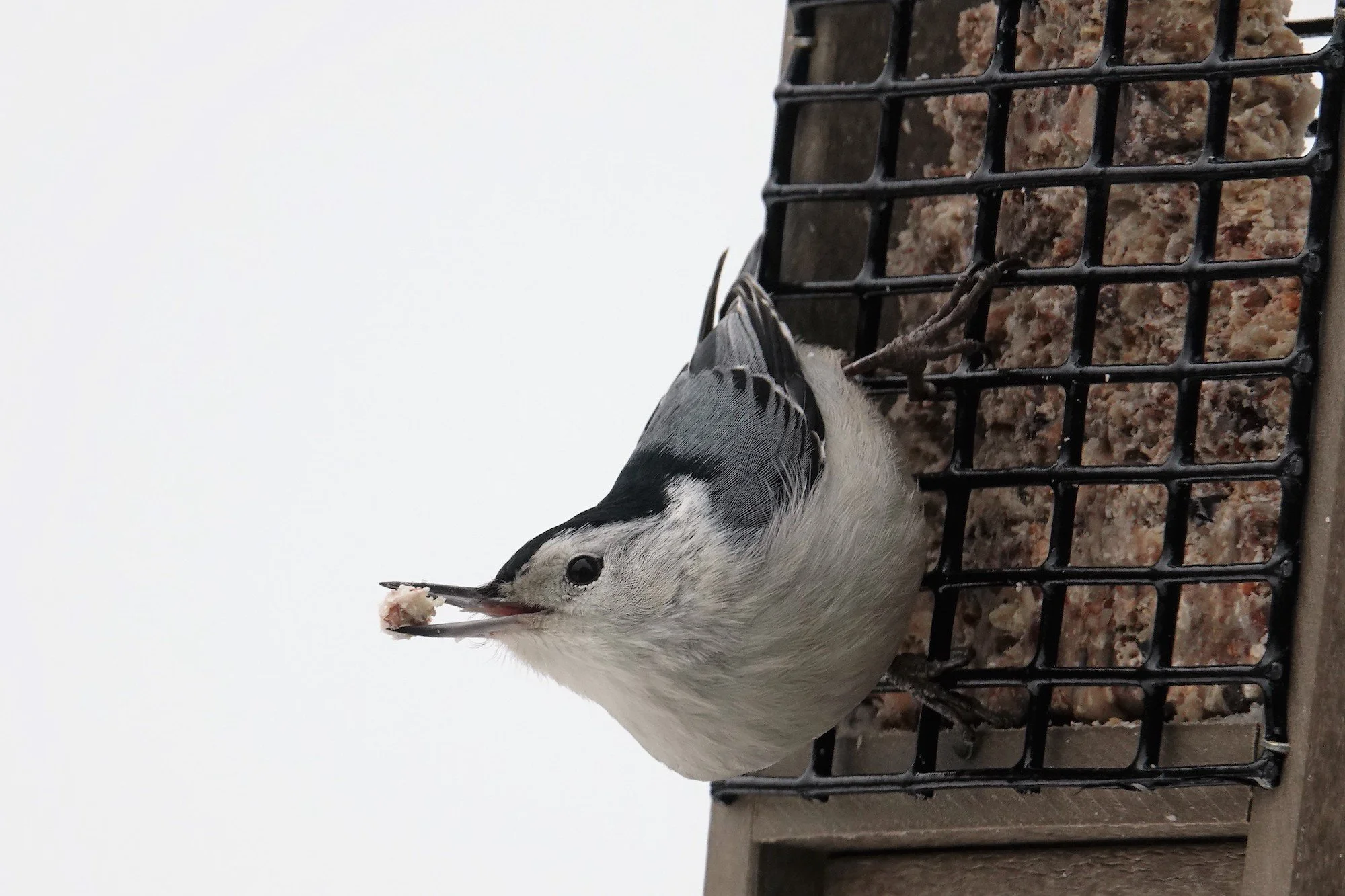
Photo: American Goldfinch, Barb D’Arpino/Audubon Photography Awards

Elizabeth Martin

Now that fall migration is winding down, the resident birds who stayed behind will be foraging and scrounging for food to survive the winter. Now is the time to clean and fill the feeders to help birds make a living when other food sources are scarce. It’s also time to think about providing next year’s winter bird food by planting more native plants, including native grasses, wildflowers, and woody plants, such as shrubs, vines and trees, that provide sustenance all winter long.

American Goldfinch feeding on seeds of New England Aster (Symphyotrichum novae angliae). Photo: Barb D’Arpino/Audubon Photography Awards

Mourning doves survive almost entirely on grain, including seeds from native grasses such as little bluestem and Indian grass. Native grasses provide high quality, carbohydrate-rich grain for birds in winter. Sparrows and dark-eyed juncos also eat grass seeds. 

Many of the best winter food sources for birds are produced by members of the sunflower family (Asteraceae). Asters, sunflowers, black and brown-eyed Susans, goldenrods, ironweeds and others all produce highly nutritious seed that ripens late in the season. Some plants produce large seed, and others produce small seed, and so different bird species are attracted to feed on them. For example, Northern Cardinals love large sunflower seeds, while finches and sparrows feed on the smaller seeds of brown-eyed Susans and goldenrods. By planting a variety of wildflowers, you’ll attract a greater variety of bird species looking for winter food. Goldfinches, chickadees, and titmice also feed on wildflower seeds. 

 A variety of dormant native grasses and herbaceous flowering plant stems left standing in winter. Avoid cutting them down until spring, if you can. They provide many ecological benefits, including food for many birds. Photo: Brandon Everett

To preserve this source of bird food, don’t deadhead or cut down dried grasses and wildflowers when they go dormant in fall. Not only will the seeds feed the birds, but the dried stems and stalks provide shelter and overwintering sites for insects, butterflies, and other little critters. 

Finally, the fruits of many native trees, shrubs and vines provide winter food for birds, especially the fruit-lovers (frugivores) like woodpeckers, American Robins, Northern Mockingbirds, Cedar Waxwings and Blue Jays. For example, Coral honeysuckle (Lonicera sempervirens) is a semi-evergreen vine which produces clusters of red berries that support finches and robins. This plant’s dense growth also provides good nest sites and shelter for birds, and its red trumpet-shaped flowers attract hummingbirds in summer—it is truly a plant for all seasons. Berries on Virginia creeper (Parthenocissus quinquefolia) cling to the vine into winter and are favored by woodpeckers. Winterberry (Ilex verticillate), a deciduous holly shrub, and the evergreen American holly tree (Ilex opaca) produce starchy drupes that are not initially palatable and are only eaten later in winter, after they have gone through several freeze and thaw cycles. When the holly drupes are finally ripe, birds may show up in large flocks and completely strip a holly tree or shrub in a matter of minutes. By the time they’re eaten, the drupes have fermented, so you may see tipsy birds staggering unsteadily in your backyard after their feeding frenzy.

Drunken birds?  You can’t get a show like that with a birdfeeder.

Northern Mockingbird feeding on Winterberry (Ilex verticillata). Photo: Barbara Driscoll/Audubon Photography Awards


Catch up on past Wildlife Sanctuary Almanac articles here.

Read More
News Jess Michetti News Jess Michetti

Wildlife Sanctuary Almanac: Winter Bird Feeders and Bird Baths

When it’s a snowy, icy and cold winter, there’s little gardening you can or want to do in the yard. But there are a few steps you can take to supplement the work you have already done by providing natural food sources and shelter.

Photo: White-breasted Nuthatch, Pamela Brown/Audubon Photography Awards

When it’s a snowy, icy and cold winter, there’s little gardening you can or want to do in the yard. But there are a few steps you can take to supplement the work you have already done by providing natural food sources and shelter. You can offer and maintain bird feeders and can provide an unfrozen source of water for drinking and bathing. Both will help local birds and provide a reliable source of entertainment as you watch from the warmth of your home.

Northern Flicker and Red-bellied Woodpecker, Wilson C Po/Audubon Photography Awards

Bird Feeders

There are some basic rules for bird feeders. 

  • Make sure that the food you offer is nutritious, providing needed fat and carbohydrates. Favorites include black-oil sunflower, hulled sunflower, Nyjer (thistle), whole peanuts, and suet. You may also want to offer some dried mealworms on a small plate on a patio table.

  • Clean the feeders well and often. Clean feeders weekly, especially during wet weather. Take them apart and scrub off debris and either scrub them with soap and water or run them through the dishwasher. To disinfect them, soak them for 10 minutes in a bleach/water solution or a weak vinegar solution, but make sure to rinse them well afterwards and dry them thoroughly before reusing them.

  • Keep the area under feeders clean. Using hulled seed helps prevent potentially moldy buildup under feeders, but a good raking now and then is still necessary.

  • Prevent predation from outdoor cats and raptors. If you notice neighborhood cats stalking the birds you have attracted, chase them away. If that doesn’t work, you should take the feeders down for a while, or even permanently. And, although predation by raptors is natural, you should remove feeders for a while if raptors such as Cooper’s or Sharp-shinned Hawks make daily visits.

  • Prevent window collisions. If birds swarming your feeders are colliding with your windows, remove the feeders until you can take steps to prevent those collisions. Information on making buildings safe from window collisions is available on NVBA’s Bird Safe NOVA site.

Red-bellied Woodpecker, Marie Schmidt/Audubon Photography Awards

Bird Baths

If you have a water feature such as a natural or constructed stream or pond, chances are it’s frozen, drained or, in the case of a feature with a pump, turned off for the time being. Because nearby natural streams and ponds also may be frozen in very cold winter months, you can help the birds by providing a bird bath with a water heater that keeps it ice-free. This will be an option only if you have a grounded outdoor outlet where you can plug in the heater. There are a variety of models you can find either online or at a local bird feeding or hardware store.

Maintaining a clean bird bath is very important, particularly if it attracts mobs of birds, which it may do when other sources of water freeze. Change the water daily, and disinfect it weekly. For the weekly cleaning, rinse and scrub it with nine parts water, one part vinegar. Although you should avoid synthetic soaps and cleansers because they can strip the essential oils off of feathers, running the bird bath through the dishwasher on the disinfect cycle and adding an additional rinse with running water afterwards is an easy way to do the weekly cleaning.

Keep warm and enjoy the view from your windows.


Catch up on past Wildlife Sanctuary Almanac articles here.

Read More
News Jess Michetti News Jess Michetti

A Bird’s Holiday Gift Guide

Although many people make charitable donations during the holidays instead of giving presents to adult friends and family, some of us still like to exchange physical presents. So, how about making some gift selections that will help the birds!

Photo: Tufted Titmouse, Katherine McEntee/Audubon Photography Awards

Although many people make charitable donations during the holidays instead of giving presents to adult friends and family, some of us still like to exchange physical presents. So, how about making some gift selections that will help the birds! Here are a few suggestions, but we’re sure you can think of others.

Helping Birds on their Wintering Grounds

Many of our most colorful and spell-binding birds spend the winter in Central and South America. Not all coffee-lovers are aware that coffee plantations can have a devastating effect on the birds’ wintering habitat. So, consider making holiday gifts that spread the word of bird-friendly coffee and help those migratory birds at the same time. Make a gift of bird-friendly coffee that carries the Smithsonian Migratory Bird Center certification. You can buy it from National Audubon Society, a local retailer, or an online vendor. Or, if the person you are buying for isn’t a coffee drinker, how about bird-friendly chocolate? It’s a great gift idea for the holidays or any time during the coming year!

Learning What Birds Are Nearby

To encourage conservation-minded behavior, help someone in your family or neighborhood gain a new awareness of the birds around them. A field guide, even a simple-foldout guide to common North American birds, is a good start. If your budget is a little more flexible, consider a gift of binoculars. There is a wide range to choose from, including some for under $150. Check out this online guide for options in all price ranges. You also can point your gift recipient to NBVA’s free online course, Introduction to Birding, available for download from our website. Or, to provide an “ear-opening experience,” consider a gift of NVBA’s “Birding by Ear” program, also available from our website for only $20. 

For those technologically-minded, and if there’s a lot of flexibility in your gift-giving budget, consider a gift of a smart device, like a “Bird Buddy,” which photographs birds that land on a backyard feeder, or a “Haiku Box,” which identifies visitors to an area by sound.

Supporting Birds in a Back Yard

Creating habitat for birds and other wildlife in a back yard supports conservation while at the same time creating enjoyment. So, how about giving family or friends a habitat boost. Plant NOVA Natives provides a list of local native plant vendors. A gift of native plants from one of those vendors, especially if it comes with a commitment to help with the planting, would be a welcome gift that would keep giving throughout the year.

Of course, a gift of bird-feeding supplies, a bird bath, or a bird bath heater can be welcome for someone interested in supporting back yard birds during the cold winter months. Although many local vendors provide a wide selection of feeders and other supplies, we suggest you start your search for a gift by consulting some guides on practices that attract birds but also keep them safe. Here’s a National Audubon guide

If you are concerned that a gift of bird-feeding supplies could put visiting birds at risk, such as from predation by an outdoor cat, or window collisions, consider a gift that mitigates the risk, such as a generous offer to build your gift recipient an outdoor “catio,” an enclosure from which the cat can watch birds without endangering them, or install of one of the collision prevention devices cited by the American Bird Conservancy on its website. 

Whether you limit your gifts to charitable donations, or mix donations with more tangible gifts, keep the birds in mind. Whatever you do to help them provides you, your family, and your friends, enjoyment throughout the year.

Read More
News Jess Michetti News Jess Michetti

Wildlife Sanctuary Almanac: Grow your own bird feeder for migrating birds

Fall-fruiting native shrubs and trees not only provide nutritious, fatty berries for birds, but also display beautiful fall color. That’s not for our benefit: what’s called foliar fruit flagging is the way the plants signal to birds that fruits are ripe and ready for plucking—just in time for migration.

Photo: Blackpoll Warbler, Kevin Sim/Audubon Photography Awards

Betsy Martin

Hurricanes Helene and Milton posed special challenges during this fall’s migration. Migration ecologist Andrew Farnsworth of the Cornell Lab of Ornithology estimated that 150 to 275 species were in the midst of migration during the hurricanes, which interrupted the migration of more than 100 million birds crossing over Alabama, according to the Washington Post.

Even without hurricanes, migration poses challenges that defy imagination. Take, for example, the Blackpoll Warbler (Setophaga striata). The Blackpoll Warbler does not breed in northern Virginia, and only shows up here while migrating to and from its breeding grounds in conifer forests far north in Alaska and Canada and its wintering grounds in South America.

This small bird weighs less than half an ounce, about as much as two quarters. Yet, it undertakes the longest migration of any North American warbler. Some individuals travel almost 5,000 miles from Alaska to Brazil. In fall, they travel south and southeast through Canada and the northeast U.S., and collect along the coastal plain between Nova Scotia and Cape Hatteras, NC. Then, it’s believed (the experts aren’t really sure), they head south and southeast over the Atlantic, and fly nearly 2,000 miles to Puerto Rico, the Lesser Antilles, or northern South America. This may involve an 88-hour nonstop flight over the open ocean! They ride northeast trade winds to direct their flight toward South America.

Sassafras drupes are a favorite of early fall migrants, such as Eastern kingbirds. The red pedicels signal the fruit is ripe. Photo: Betsy Washington

To accomplish this amazing feat, Blackpoll Warblers nearly double their weight before setting out. They add fatty fruits to their diet of bugs and caterpillars. They eat any late summer or fall fruits, but it’s the native ones that have the high fat content they need to sustain them on their long journey. 

Blackhaw. Photo: Courtesy of Dyck Arboretum of the Plains

Migrating birds make periodic stopovers to eat and replenish their energy reserves. Make your yard a wildlife sanctuary for them by planting native fruiting shrubs, trees, and vines. Good choices for migrants that also make nice landscape plants in northern Virginia include Arrowwood, Blackhaw, or Possomhaw viburnums (Viburnum dentatum, V. prunifolium, V. nudum), Virginia creeper (Parthenocissus quinquefolia), Silky, Gray, or Flowering Dogwood (Swida amomum, S. racemosum, Benthmidia florida), Spicebush (Lindera benzoin), American beautyberry (Callicarpa americana), and Sassafras (Sassafras albidum). Bayberry’s (Myrica cerifera) wax-coated fruits can only be digested by a few migrant species (Yellow-rumped warbler and Tree swallow) so this plant is not useful to most migrants. Fruits of other native fruiting trees, such as American holly (Ilex opaca) and Hackberry (Celtis occidentalis) ripen too late to be useful to fall migrants, but are good food sources for wintering species. All of these shrubs and trees set more fruit if planted where they get sun. You can find out more about their characteristics, requirements, and eventual size here

Fall-fruiting native shrubs and trees not only provide nutritious, fatty berries for birds, but also display beautiful fall color. That’s not for our benefit: what’s called foliar fruit flagging is the way the plants signal to birds that fruits are ripe and ready for plucking—just in time for migration.


Catch up on past Wildlife Sanctuary Almanac articles here.

Read More
News Jess Michetti News Jess Michetti

What You Need to Know About Bird Flu

The July 2023 Statement from the international Scientific Task Force on Avian Influenza and Wild Birds includes some alarming information about the effect of the current avian influenza or “bird flu,” H5N1, but it also includes some helpful recommendations on steps we can take to keep from exacerbating the spread of this deadly disease.
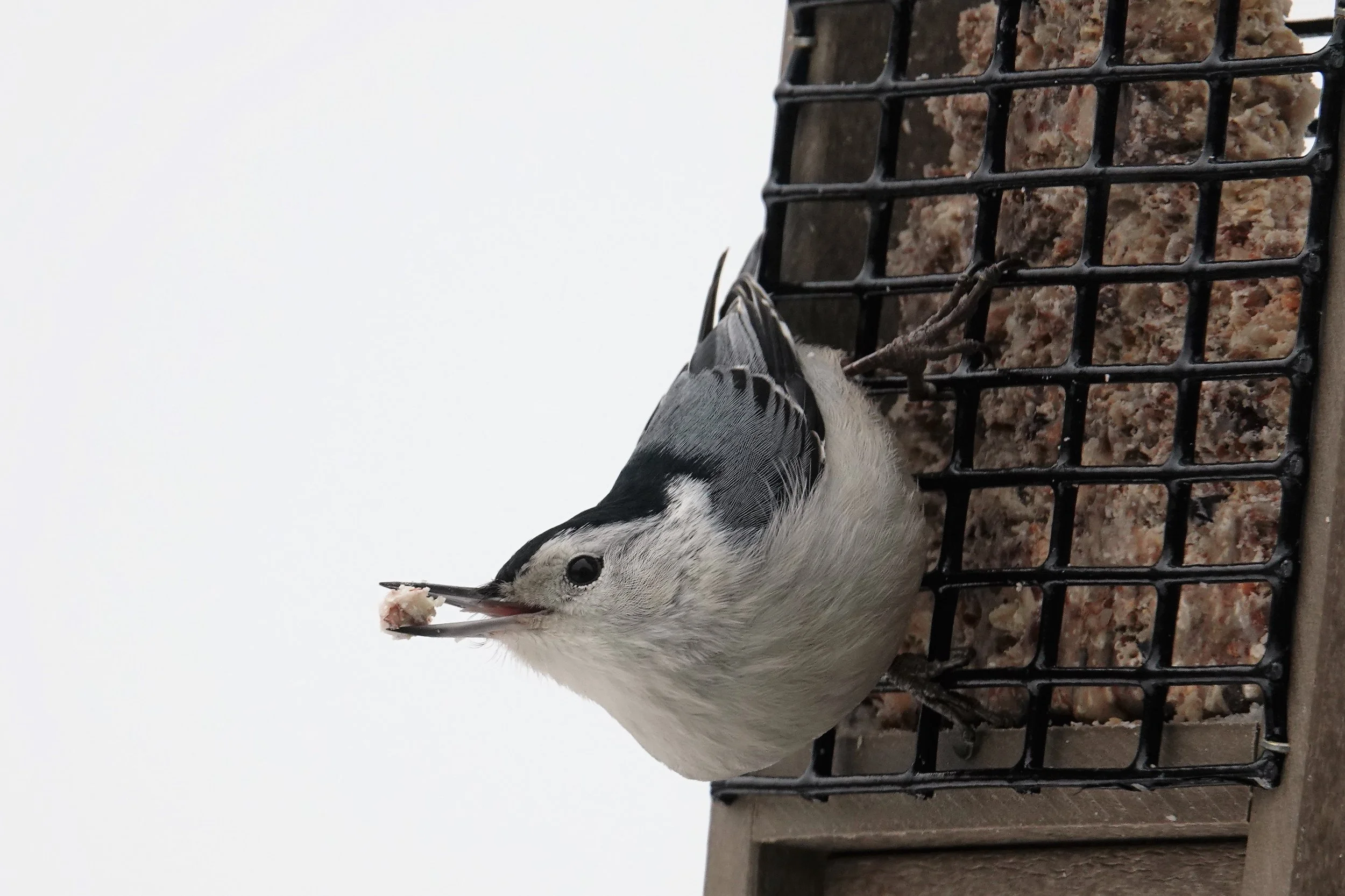
Photo: Mallard ducklings, Colleen Kerrigan/Audubon Photography Awards

Deidre Bryant

The July 2023 Statement from the international Scientific Task Force on Avian Influenza and Wild Birds includes some alarming information about the effect of the current avian influenza or “bird flu,” H5N1, but it also includes some helpful recommendations on steps we can take to keep from exacerbating the spread of this deadly disease.

Bantam Chickens in a coop, Putneypics, CC BY-SA 3.0 via Wikimedia Commons

Let’s start with some background. What is H5N1? It’s a strain of highly pathogenic avian influenza (HPAI), and it’s currently causing high mortality rates in farmed poultry, wild birds, and even mammals that feed on sick birds such as foxes, bears, opossums, and mustelids. According to the World Organization for Animal Health (WOAH), avian influenza is a complex strain of viruses that can evolve rapidly. It generally is seasonal, peaking in February and reaching its lowest in September. Because the viruses are resilient and can survive for long periods of low temperature, they can spread easily from farm to farm on equipment. The current form is particularly frightening because it spreads to free-ranging wildlife from poultry, which used to be rare. Health authorities expect it to continue spreading, especially in breeding colonies on oceanic islands. The disease occurs worldwide (except in Antarctica, Australasia, and the Pacific islands).

And, what free-ranging birds are being affected? The list is extensive with over 400 species dying, or reported to have the virus, worldwide. These include gannets, terns, gulls, herons, grebes, pelicans, penguins, cormorants, cranes, owls, corvids, vultures (and condors), parrots and some passerines. In North America, HPAI has killed hundreds of Bald Eagles, 5-15% of the nesting population of Common Eider Ducks on the St. Lawrence waterway, 58% of the breeding population of Northern Gannets in Canada, over 1,000 Caspian Terns on Lake Michigan, approximately 1,000 Snow Geese on Colorado waterways, and at least 20 critically endangered California Condors. The surviving population of California Condors is now being vaccinated. H5N1 is present in almost every state in the U.S., including Virginia. 

So, what does WHOA recommend? Its standards for the poultry industry include mitigation measures, such as culling infected birds, improved hygiene standards and less crowding. For ailing wildlife, however, it does not recommend culling, spraying toxic products, or tampering with habitats, because a focus on wildlife would misdirect critical resources away from control methods closer to the source. Also, such responses to wild bird transmission can lead to loss of biodiversity. What is effective against HPAI risks is separating poultry operations from wetland habitats and possibly moving wildlife away from human-dominated areas, such as by creating new breeding sites.

But those measures are ones to be implemented by industry and governmental authorities. What can YOU do? There are steps you can take as hunters and fishers, as suburban owners of backyard hens, as backyard bird feeders, and as bird-watchers visiting areas near breeding colonies of birds. Remember that the virus can spread by water, soil (on clothing or airborne), and from exposure to diseased birds and their products. 

  • Bird watchers approaching breeding colonies should ensure that their shoes and clothing are free of soil and debris. If they also raise poultry, they should ensure that none of their clothing or gear has come in contact with poultry, unless it is disinfected afterwards.

  • Backyard bird watchers should ensure that they regularly clean and disinfect feeders and bird baths, taking them down if they notice ailing birds visiting them.

  • Backyard birders who also keep a few hens or other domestic fowl should not put up feeders or birdbaths, or create water features for wild birds.

  • Fishers should not use poultry cuts or viscera as fishing bait.

  • Hunters should not use live decoy birds to attract wild birds during times of high risk, and at all other times should keep them in bio-secure areas away from poultry.

  • Fishers and waterfowl hunters should not allow poultry to come in contact with their fishing or hunting clothes, footwear, gear, dogs, or vehicles, which may be contaminated.

  • Anyone finding a dead or diseased animal should call local animal health authorities to take care of carcasses, so that they are not disposed of where scavengers can dig them up and spread infection.

  • Gardeners with or without backyard water features or ponds should not use poultry manure as fertilizer or fish food.

Suburban backyard “farmers” who keep chickens, ducks and geese have to take extra precautions to separate their livestock from wild animals. They need to be on the alert for signs of sickness, which often include respiratory distress or digestive ailments (extreme diarrhea), followed by a quick death. Chickens may have swelling around the head, neck, and eyes, and their heads and legs may also have purple discoloration. If you own poultry:

  • Follow the strict instructions and guidelines on your feed bags, which also provide information on HPAI.

  • Separate your flock from wildlife and wild birds with an enclosed shelter within a fenced outdoor area. Smaller mesh hardware cloth can keep out wild birds and allow your flock outdoor time.

  • Do not have contact with your birds if you have been near others’ flocks, and restrict access to your poultry if your visitors have birds of their own.

  • Keep different species of poultry and age groups separated because different traits and ages may be or less prone to disease.

  • Keep feeders and waterers clean and out of reach of wild birds, always cleaning up feed spills.

  • Change feeding practices if wild birds continue to be present.

  • Use dedicated or clean clothing and footwear when working with poultry.

  • Clean and disinfect equipment that comes in contact with your birds such as shovels and rakes.

  • Clean and disinfect poultry housing and equipment often to limit the birds’ contacting their waste.

  • Don't share equipment or reuse materials like egg cartons from neighbors and other bird owners.

  • Prevent any of your domestic ducks from grazing in wetlands.

There are more tips and guidelines available from the Virginia Department of Agriculture and Consumer Services and the Virginia Department of Wildlife Resources. With proper planning, surveillance, education, and the involvement of local health and wildlife organizations, everyone can help protect livestock, poultry farmers, and wild, free-ranging birds worldwide.

Read More
News Jess Michetti News Jess Michetti

February is National Wild Bird Feeding Month

It’s February, which often has the most severe winter weather. For this reason, back in February 1994, Illinois Congressman John Porter read a resolution into the Congressional Record naming February National Wild Bird Feeding Month, now generally known as National Bird Feeding Month.

Photo: White-breasted Nuthatch, Pamela Brown/Audubon Photography Awards

Evelyn Novins

It’s February, which often has the most severe winter weather. For this reason, back in February 1994, Illinois Congressman John Porter read a resolution into the Congressional Record naming February National Wild Bird Feeding Month, now generally known as National Bird Feeding Month. His resolution states that feeding wild birds, particularly through February, “benefits the environment by supplementing wild birds’ natural diet of weed, seed, and insects,” helping them survive the winter. He further stated that “backyard bird feeding is an entertaining, educational, and inexpensive pastime enjoyed by children and adults.” He suggested that the hobby could begin as simple feeding and progress to bird identification, to discovering the relationship between birds and specific seeds as well as the relationship between type of birds and the location of feeders. Congressional Record 140:16, p. E49, Feb. 23, 1994.

Because there are downsides to indiscriminate wild bird feeding, National Bird Feeding Month is not generally promoted by conservation organizations. ASNV, for example, through its Audubon at Home program, promotes helping wild birds by creating welcoming habitat, with native plants that nurture insects and other food sources, such as seeds and berries. The Cornell Lab, which also encourages creating good native habitat but recognizes the popularity of wild bird feeding, has created Project Feeder Watch, encouraging people who put up bird feeders to choose a two-day observation period during the winter months in which to tally bird sightings and submit the data as a citizen science project. At the same time, its Feeder Watch website provides tips on best practices to protect wild birds.

So, what are the downsides to wild bird feeding and how to mitigate them? A U.S. Fish & Wildlife Service article on feeding wild birds cites disease, predation, and collision as the greatest risks feeders pose.

European Starling and House Sparrows, Bevi Chignon/Audubon Photography Awards

First, disease: Birds swarming at feeders (often those that do not need help such as non-native House Sparrows and European Starlings) can readily transmit salmonella and E.coli, and feeders have been cited for spreading conjunctivitis in finches. So, keep the feeders clean! Clean feeders every couple of weeks and even more often during heavy use or wet weather. In addition to disassembling them and scrubbing off debris, run them through the dishwasher on a hot setting or scrub them in soap and boiling water. To ensure they are disinfected, soak them for 10 minutes in a bleach and water solution or for an hour in a weak vinegar solution, rinsing them well afterwards and drying them completely. See the Project Feeder Watch blog on cleaning for tips. In addition, make sure to rake under the feeders and clean away waste and moldy or spoiled food.

NOTE on Avian Influeza: At this writing Cornell Lab’s All About Birds has not advised people to take down bird feeders because of avian flu, unless they also keep poultry. Confirmed cases in Virginia have so far been limited to water birds (ducks, geese) and birds that feed on them (Bald Eagle, Black Vulture). If you are concerned, monitor the Cornell Lab website for updates.

The second greatest threat is predation: large groups of feeding birds invite predators. Sharp-shinned Hawks and Cooper’s Hawks are attracted to feeding swarms of birds, and you may find them haunting your feeders. If they become daily visitors and scare the birds away, take the feeders down for a few days to encourage the hawks to move on to other hunting grounds. The other very dangerous predator is the domestic cat. If you notice neighborhood cats hunting in your yard, try chasing them away with a good squirt of water. If they persist, you may have to remove your feeders permanently. ASNV works actively to educate people on the dangers cats pose to native wildlife and advocates for programs to decrease populations of free-roaming cats. See the article on its advocacy efforts in this issue of the Potomac Flier.

The third greatest threat is window collisions. Birds do not see glass and, confused by what is on the other side of a window or what shows up reflected in a window, they can crash into it, usually with fatal results. If you find birds are hitting your windows as they swarm your feeders, take steps to ensure that the birds see the windows as obstacles. Cornell’s All About Birds and the American Bird Conservancy publish information on window treatments that deter collisions. You also can watch a video on ASNV’s website that demonstrates options.

Backyard bird feeding provides us entertainment, education, and relaxation, and it’s up to us to ensure that we’re feeding birds in a responsible way. Keep the concerns we have outlined in mind, and, as a last note, make sure the food you provide is nutritious: NO bread, crackers, or popcorn, which provide no nutritional value for wild birds but can fill their stomachs without giving them the protein, fat and carbohydrates they need. Quality seeds such as black-oil sunflower, hulled sunflower, Nyjer (thistle), and whole peanuts are most nutritious to seed eating birds. Meal worms can attract wrens and bluebirds, and suet can attract woodpeckers, nuthatches, and other birds. The Project Feeder Watch site provides additional suggestions, and local feed stores can also be helpful resources.

Read More
News Jess Michetti News Jess Michetti

Updated Guidance on Feeding Birds from the VA DWR

On August 19, the DWR issued new guidance on feeding birds in light of the outbreak of avian disease this summer. Read on for the entire press release.
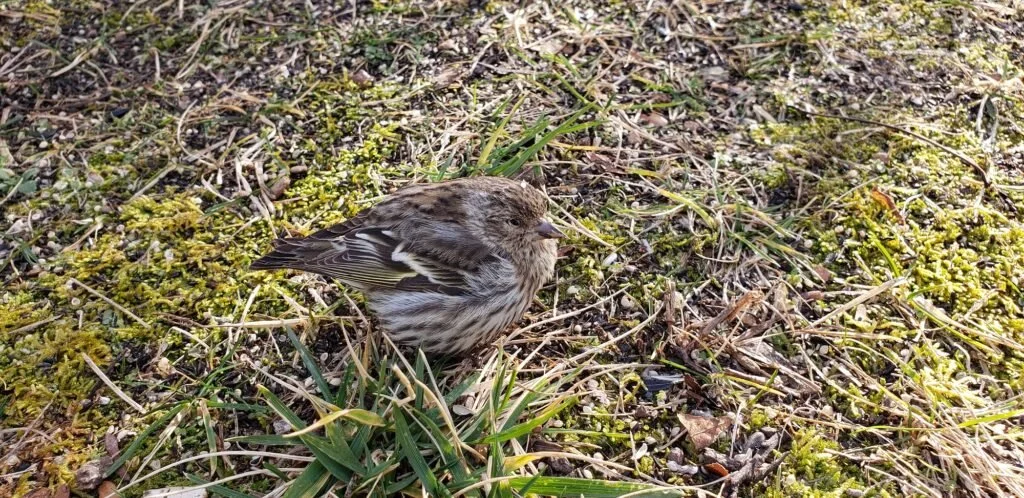
Photo: Blue Jay, courtesy of DWR

RECENT UPDATE ON FEEDING BIRDS

On Thursday, August 19, 2021 the Virginia Department of Wildlife Resources released the following advice about feeding birds:

WR Advises Following Best Practice Guidelines to Resume Feeding Bird

 Press Release – Virginia Department of Wildlife Resources

In late May, wildlife managers in multiple states, including Virginia, began receiving reports of sick and dying birds that were exhibiting eye issues (swelling, crusts, discharge, etc.), along with neurological symptoms. No definitive cause(s) of illness or death have been determined. No human health or domestic livestock and poultry issues have been documented.  As of mid-August, reports of sick and dead birds have declined in many jurisdictions, and the Virginia Department of Wildlife Resources (DWR) is lifting its previous recommendation to cease feeding birds in affected areas. 

Virginia was one of the first states that received reports of birds displaying eye and neurological signs. Beginning in early June, the DWR, along with other local collaborating organizations, began documenting dead or sick bird reports and submissions to local wildlife rehabilitation hospitals. From these data, the DWR was able to target its response guidance to the areas of Virginia most likely to be affected by this mortality event, which included Alexandria, Arlington, Clarke, Fairfax, Falls Church, Fauquier, Frederick, Loudoun, Manassas, Prince William, Shenandoah, Warren, and Winchester.  The DWR recommended removal of bird feeders in these affected areas beginning in June in order to limit potential disease transmission.

Natural resource management agencies in the affected jurisdictions continue to work with diagnostic laboratories to investigate the cause(s) of this event. The U.S. Geological Survey’s National Wildlife Health Center, the University of Georgia Southeastern Cooperative Wildlife Disease Study, the University of Pennsylvania Wildlife Futures Program, the Indiana Animal Disease Diagnostic Laboratory, and multiple state labs have been involved.

As reported previously, based on results received to date, the following pathogens have not been detected in any of the birds tested: Salmonella and Chlamydia (bacteria); avian influenza virus, West Nile virus, coronaviruses, Newcastle disease virus, herpesviruses, and poxviruses; and Trichomonas parasites. Toxicology tests have been negative for heavy metals, common pesticides, and herbicides.  Additional diagnostic tests, including metagenomics work, are ongoing.

Residents that choose to feed birds or provide water in bird baths should remain vigilant for avian mortalities and consider the following best practice guidelines:

  • Clean feeders and bird baths at least once a week, then disinfect with a 10% bleach solution to prevent potential infectious disease spread between birds and other wildlife. After cleaning, rinse well with water and allow to air dry.

  • Wear disposable gloves when handling bird feeders and baths and wash your hands when finished.

  • When feeding birds, follow expert recommendations, such as those listed in Audubon International’s Guide to Bird Feeding.

  • Keep pets away from sick or dead wild birds.

  • Avoid handling wild birds. If you must do so, wear disposable gloves or place an inverted plastic bag over your hand to avoid direct contact with the bird. Dispose of dead birds in a closed plastic bag in household trash. Alternatively, you may bury bird carcasses at least 3 feet to prevent any disease transmission to scavenging animals.

  • If you observe any additional bird mortalities in Virginia, submit a mortality event to the DWR.

Bird mortality events are not uncommon.  Several aspects make this particular event unique, including the extensive geographic scope, the duration of reported mortalities, and the fact that the initial reports were received from an urban area. The response and resulting recommendations to this and most all avian mortality events, however, is essentially the same. Affected birds are sent to a wildlife health laboratory for diagnostic investigation and residents of known affected areas are advised to minimize potential disease transmission by removing bird feeders and baths until the event has concluded. Once all of the diagnostic investigations involving this event are complete, the DWR hopes to be able to better tailor its diagnostic investigative response and guidance to the public for future bird mortality events.

Wildlife disease investigations can be inherently challenging and sometimes are unable to identify a definitive cause(s).  The DWR greatly appreciates the assistance of the public and cooperating localities and facilities during this event, and when additional significant diagnostic results come to light, updated information will be shared.  For additional information on this mortality event in Virginia, please visit dwr.virginia.gov/wildlife/diseases/2021-bird-mortality-event/

Read More
News Jess Michetti News Jess Michetti

Time to Scrub Your Feeders

Recently, there have been several local reports of birders finding sick and dead Pine Siskins. The likely culprit is a bacterium called Salmonellosis, which is fatal to many feeder birds.

Photo: Pine Siskin, William Kurtz

Jessica Bigger

Recently, there have been several local reports of birders finding sick and dead Pine Siskins. The likely culprit is a bacterium called Salmonellosis, which is fatal to many feeder birds. Pine Siskins, American Goldfinches, and Common Redpolls appear to be exceptionally vulnerable to the disease. Salmonellosis is usually spread through feces which can contaminate bird feeders and bird baths. So, it is important to make sure you clean your bird feeders and bird baths very well and often. 

“Sick birds may appear thin or fat and fluffed up and may have swollen eyelids. They are often lethargic and easy to approach. Some infected birds may show no outward symptoms but are carriers of the disease and can spread the infection to other birds,” as stated on feederwatch.org.

If you spot a bird you believe is sick, make sure to clean your bird feeders and the surrounding area to prevent the spread of the disease, and call your local wildlife rehabilitation center. If there are several sick birds around, remove your feeders for at least a week and clean them thoroughly.

Prevention is key to reducing the spread. You should clean your bird feeders every two weeks. Scrub your feeders thoroughly to remove any debris, and then wash them with soap and boiling water or soak your feeders in a bleach solution (1 part bleach to 9-10 parts water) for at least 10 minutes. Then rinse thoroughly. 

For additional information, visit feederwatch.org.

Read More