NVBA NEWS BLOG
Welcome to the blog for Northern Virginia Bird Alliance, a wealth of resources about northern Virginia birds, wildlife, habitat conservation and restoration, native plants, wildlife-friendly gardening, advocacy and more.
Feeding Birds in Winter
We can help our bird friends survive winter weather by providing them both food and water, particularly in urban and suburban areas where native habitat may be scarce.
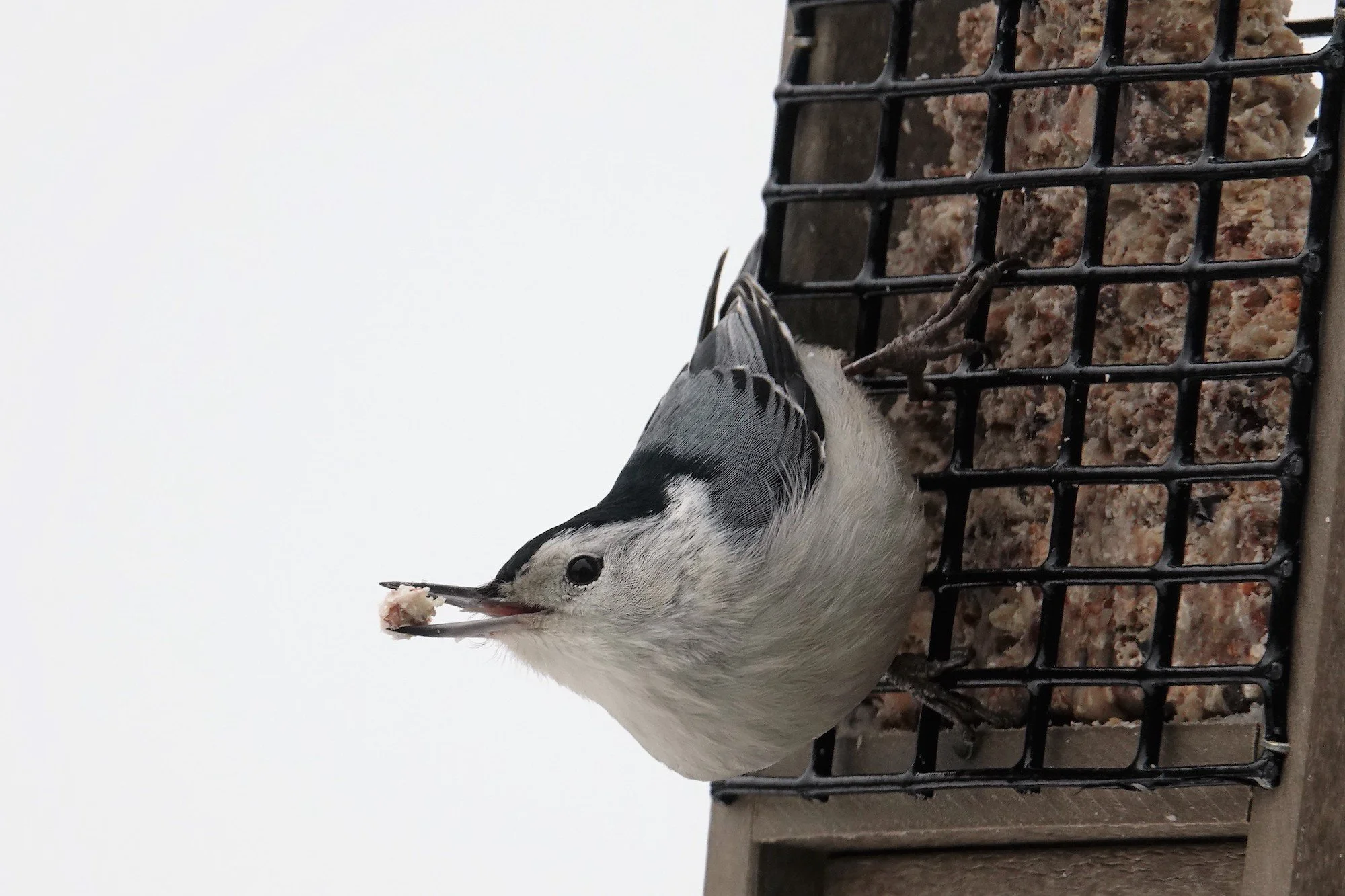
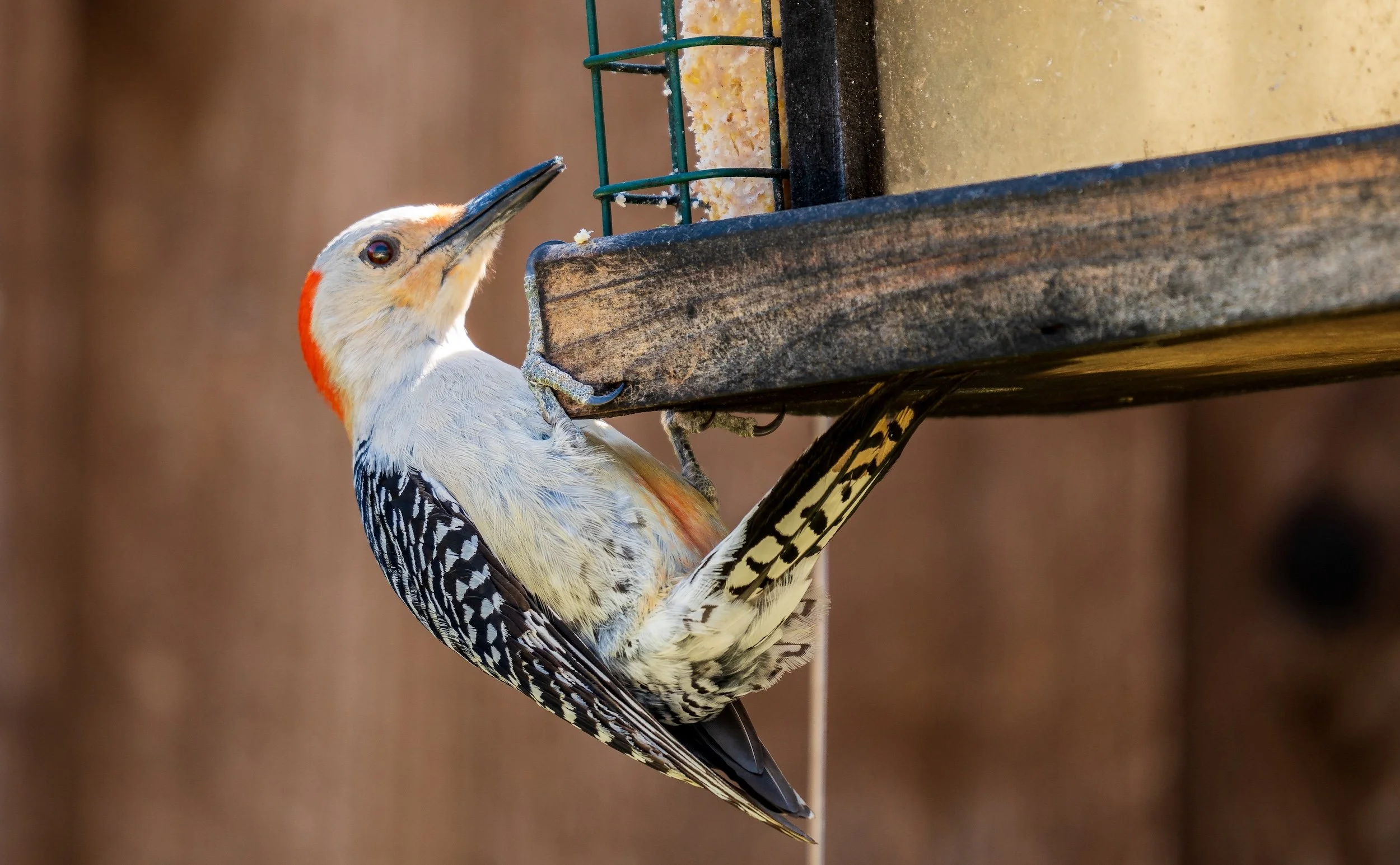
Photo: Red-bellied Woodpecker, Steve Donovan/Audubon Photography Awards
Annette Skye
We can help our bird friends survive winter weather by providing them both food and water, particularly in urban and suburban areas where native habitat may be scarce. If your yard is already a wildlife sanctuary, providing supplemental food and water can make it even more attractive to winter birds. Careful preparation, maintaining your equipment and selection of nourishing food all are key to ensuring a successful and healthy feeding station.
Keep It Clean!
Northern Cardinal, Angela W/Audubon Photography Awards
If you have stored feeders since last winter, make sure you give them a good cleaning before filling them. This will ensure you aren’t transferring any bacteria from remnants of food that may have been sitting in the feeder for months. According to National Audubon’s 11 Tips for Feeding Backyard Birds, uneaten seed can be a source for deadly mold. You can clean birdfeeders with dish soap, although some authorities suggest an additional decontamination with a 10 percent solution of non-chlorine bleach. Cornell’s Winter Bird Feeding pamphlet suggests using a weak bleach solution if there’s evidence of disease in your yard. Always make sure the feeder is completely dry before filling it, to avoid mold growth.
After that initial cleaning, clean the feeders again at least every two weeks, and, unless snow prevents it, clean up seed waste under the feeders often. If you use already hulled bird seed you may avoid some of the mess. Discarded seed and seed waste can get moldy even in winter, and birds droppings can contaminate fallen seed under feeders.
Pick High-Quality, High-Energy Food
Although inexpensive wild bird seed blends available in many stores may be tempting, it pays to spend a little more money for quality food. Cheaper blends often include filler grains such as red milo, which birds by and large will not eat. The food is wasted, and, when birds fling it to the ground to get to something they prefer, the waste grains and seed can attract pests as well as make it more difficult to keep the feeding station clean and free of mold. There are a variety of high-quality mixes to meet specific aims, such as avoiding mess or attracting certain kinds of birds. See Mixology: Breaking Down 5 Common Birdseed Blends.
Black oil sunflower seeds will attract a large variety of birds. They are easy for birds to crack open and provide high-energy, oil-rich meat. Some kinds of food are preferred by different birds. Cracked corn, peanuts, Nyger seed, safflower seed, millet and suet all have their fans. To attract a variety of birds, provide a variety of foods. See Who Likes What: The Favorite Birdseed of Feeder Regulars and Rarities. Suet varieties can include peanut butter, insects and berries to attract different birds as well. And, if you don’t have a feeder, suet balls and seed wreaths are readily available options during winter.
Provide a Clean, Heated Water Source
Birds appreciate a source of clean, unfrozen water in winter, for drinking and bathing. If you have a bird bath, a bird bath heater will help to prevent the water from freezing over. Be sure you only plug a heater into a ground-fault interrupted circuit to prevent shorts. If you don’t have a grounded outdoor outlet, a National Wildlife Federation Blog suggests buying several heavy-duty plant saucers so that you can replace frozen baths with fresh ones each morning. See Don't Forget Water for Birds in Winter. Of course, it’s just as important to keep bird baths clean as it is feeders. Change the water daily and clean the bird baths completely at least every two weeks, following the same guidelines as for cleaning feeders.
Pine Siskin, Christopher Baker/Audubon Photography Awards
Be Wary of Predators
Flocks of birds in your back yard may attract predators. It’s not uncommon for a Cooper’s Hawk to stake out a yard with bird feeders. If you notice repeated predation, take the feeders down for a while to encourage the hawk to look for another source of food. Do the same if a neighborhood cat stakes out your feeding station.
If you take care and follow a few simple rules, you can enjoy watching birds from the warmth of your home, even when the weather is frightful!
Annette Skye is an avid gardener who enjoys birdwatching.
Wildlife Sanctuary Almanac: Winter Bird Feeders and Bird Baths
When it’s a snowy, icy and cold winter, there’s little gardening you can or want to do in the yard. But there are a few steps you can take to supplement the work you have already done by providing natural food sources and shelter.
Photo: White-breasted Nuthatch, Pamela Brown/Audubon Photography Awards
When it’s a snowy, icy and cold winter, there’s little gardening you can or want to do in the yard. But there are a few steps you can take to supplement the work you have already done by providing natural food sources and shelter. You can offer and maintain bird feeders and can provide an unfrozen source of water for drinking and bathing. Both will help local birds and provide a reliable source of entertainment as you watch from the warmth of your home.
Northern Flicker and Red-bellied Woodpecker, Wilson C Po/Audubon Photography Awards
Bird Feeders
There are some basic rules for bird feeders.
Make sure that the food you offer is nutritious, providing needed fat and carbohydrates. Favorites include black-oil sunflower, hulled sunflower, Nyjer (thistle), whole peanuts, and suet. You may also want to offer some dried mealworms on a small plate on a patio table.
Clean the feeders well and often. Clean feeders weekly, especially during wet weather. Take them apart and scrub off debris and either scrub them with soap and water or run them through the dishwasher. To disinfect them, soak them for 10 minutes in a bleach/water solution or a weak vinegar solution, but make sure to rinse them well afterwards and dry them thoroughly before reusing them.
Keep the area under feeders clean. Using hulled seed helps prevent potentially moldy buildup under feeders, but a good raking now and then is still necessary.
Prevent predation from outdoor cats and raptors. If you notice neighborhood cats stalking the birds you have attracted, chase them away. If that doesn’t work, you should take the feeders down for a while, or even permanently. And, although predation by raptors is natural, you should remove feeders for a while if raptors such as Cooper’s or Sharp-shinned Hawks make daily visits.
Prevent window collisions. If birds swarming your feeders are colliding with your windows, remove the feeders until you can take steps to prevent those collisions. Information on making buildings safe from window collisions is available on NVBA’s Bird Safe NOVA site.
Red-bellied Woodpecker, Marie Schmidt/Audubon Photography Awards
Bird Baths
If you have a water feature such as a natural or constructed stream or pond, chances are it’s frozen, drained or, in the case of a feature with a pump, turned off for the time being. Because nearby natural streams and ponds also may be frozen in very cold winter months, you can help the birds by providing a bird bath with a water heater that keeps it ice-free. This will be an option only if you have a grounded outdoor outlet where you can plug in the heater. There are a variety of models you can find either online or at a local bird feeding or hardware store.
Maintaining a clean bird bath is very important, particularly if it attracts mobs of birds, which it may do when other sources of water freeze. Change the water daily, and disinfect it weekly. For the weekly cleaning, rinse and scrub it with nine parts water, one part vinegar. Although you should avoid synthetic soaps and cleansers because they can strip the essential oils off of feathers, running the bird bath through the dishwasher on the disinfect cycle and adding an additional rinse with running water afterwards is an easy way to do the weekly cleaning.
Keep warm and enjoy the view from your windows.
Catch up on past Wildlife Sanctuary Almanac articles here.