NVBA NEWS BLOG

Welcome to the blog for Northern Virginia Bird Alliance, a wealth of resources about northern Virginia birds, wildlife, habitat conservation and restoration, native plants, wildlife-friendly gardening, advocacy and more.
News Jess Michetti News Jess Michetti

Bad Feather Days: Molt in Backyard Birds

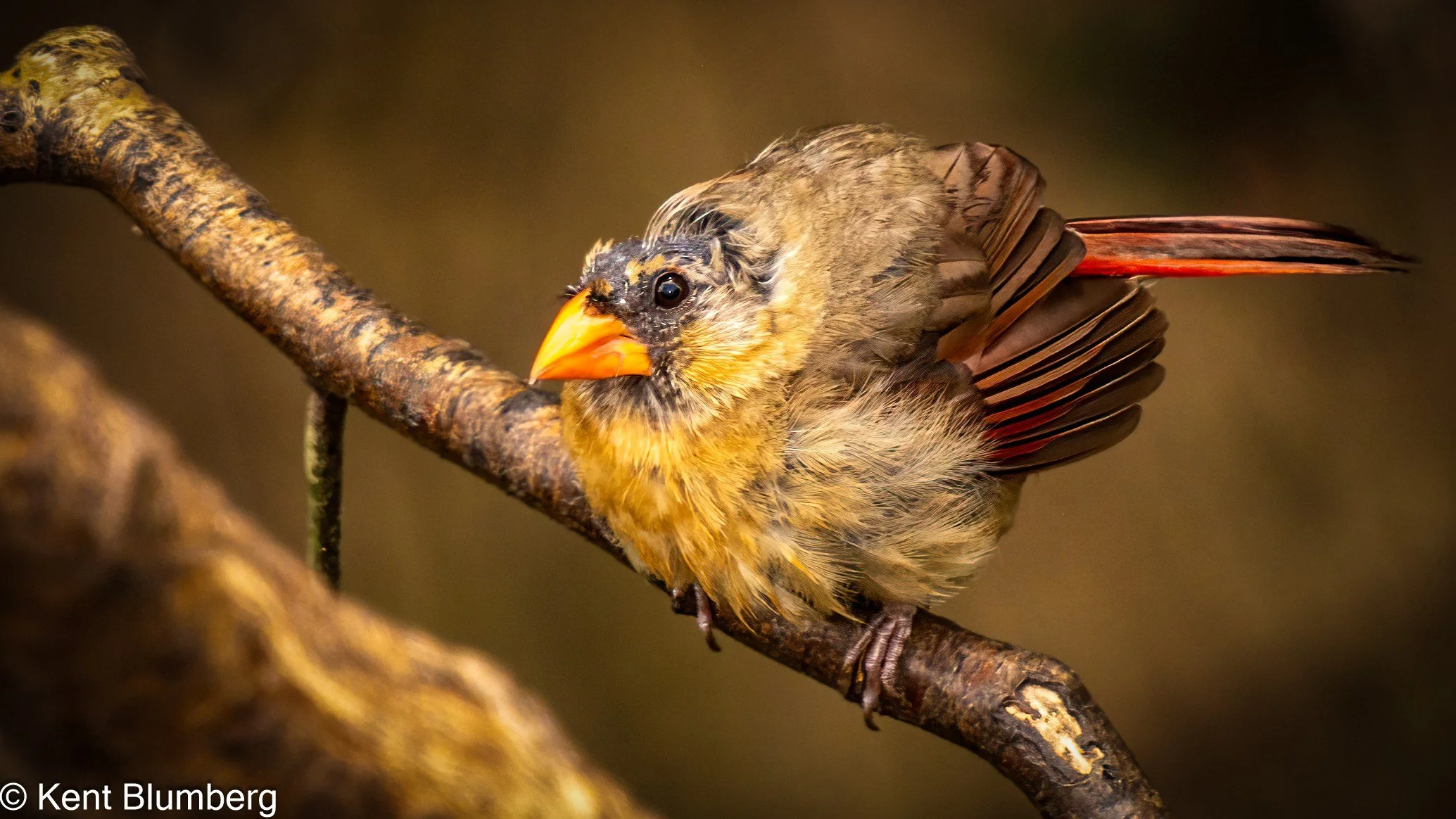
Why is that Northern Cardinal bald? We all have bad hair days. Birds have bad feather weeks every late summer as they go through molt. Some, like Northern Cardinals, take the process to the extreme. 

Photo: Northern Cardinal, Kent Blumberg

Kent Blumberg

Why is that Northern Cardinal bald? We all have bad hair days. Birds have bad feather weeks every late summer as they go through molt. Some, like Northern Cardinals, take the process to the extreme. 

In a month or two we’ll start noticing changes in the birds around us as many of them molt. Let’s take a look at why birds replace their feathers, how the process works, and when it happens.

Female Northern Cardinal molting. Photo: Kent Blumberg

Feathers are made of keratin, like our hair and fingernails. Feathers serve many purposes for birds: flight, insulation, waterproofing, courtship, and camouflage. Feathers need to stay in top condition to do those jobs well. Wear or damage can hurt flight efficiency.

Unlike hair and nails, feathers grow quickly and then stop. Keratin is not live tissue and cannot be repaired, so when feathers get damaged, they must be completely replaced. That’s the main reason birds replace their feathers each year.

Another reason birds molt is to switch from their everyday plumage to brighter breeding colors. Even birds that put on fancy coats for breeding season spend most of the year in basic, less colorful plumage. Those that dress up for breeding do so only for the breeding season. Examples in northern Virginia include American Goldfinches, Wood Ducks, Indigo Buntings, and others.

In molting, new feathers growing in follicles push the old feathers out. Because growing those new feathers takes a huge amount of energy, birds carefully time their molts so as not to overlap with breeding or migration. For many birds in northern Virginia, late summer is peak molt season. There’s still a lot of food available and no need yet for migration. 

Red-bellied Woodpeckers, one molting. Photo: Kent Blumberg

Molt patterns also vary by age. Young birds often go through several molts in their first season. Others take several annual molts to reach full adult plumage. Bald Eagles, for example, take four to five years, while Ring-billed Gulls can take three years.

While most birds that have a breeding plumage go through a partial molt to don their bright colors, others, like the Northern Cardinal or the European Starling rely on feather wear to reveal their brighter colors. 

In late summer, male Cardinals often look duller, their red feathers hidden beneath a tan or gray wash. Over the winter, as the edges of feathers wear, the underlying red color is exposed. Similarly, a late summer European Starling will sport buff-colored tips on belly and breast feathers. By breeding season those tips will have worn away, leaving a glossy black breast.

Most local birds adopt their breeding plumage in early spring, but male Wood Ducks get a jump on the game.  They swap to dull plumage in early summer and then back to their brilliant breeding colors in early fall. They fast-track the change because their courtship begins in late fall. They need the dull colors to help them hide while they temporarily lose the ability to fly during wing molt, but then jump right back into glorious technicolor.  

Back to our bald Northern Cardinal. For unknown reasons, Northern Cardinals and Blue Jays often replace all their head feathers at once. When the old feathers get pushed out, they can look bald (like the female Northern Cardinal in the accompanying photo). Fortunately, new feathers emerge quickly. 

Watch for signs of molt later this summer. Birds may look ragged, patchy, or downright disheveled. Remember that this is a stressful time for birds, so do your best to give them space. If you have regular visitors to your backyard, consider taking weekly portraits of them, starting now through August, to see how they change as they go through molt. 

Kent Blumberg is an MBA professor, passionate bird photographer and voracious reader

Read More
News Jess Michetti News Jess Michetti

The Gray Catbird

One of my favorite sights (and sounds) of spring is my first Gray Catbird (Dumetella carolinensis) of the season. I’ve always found them elegant-looking, with a sleek, slaty body, jaunty black cap and rusty patch under the tail. 
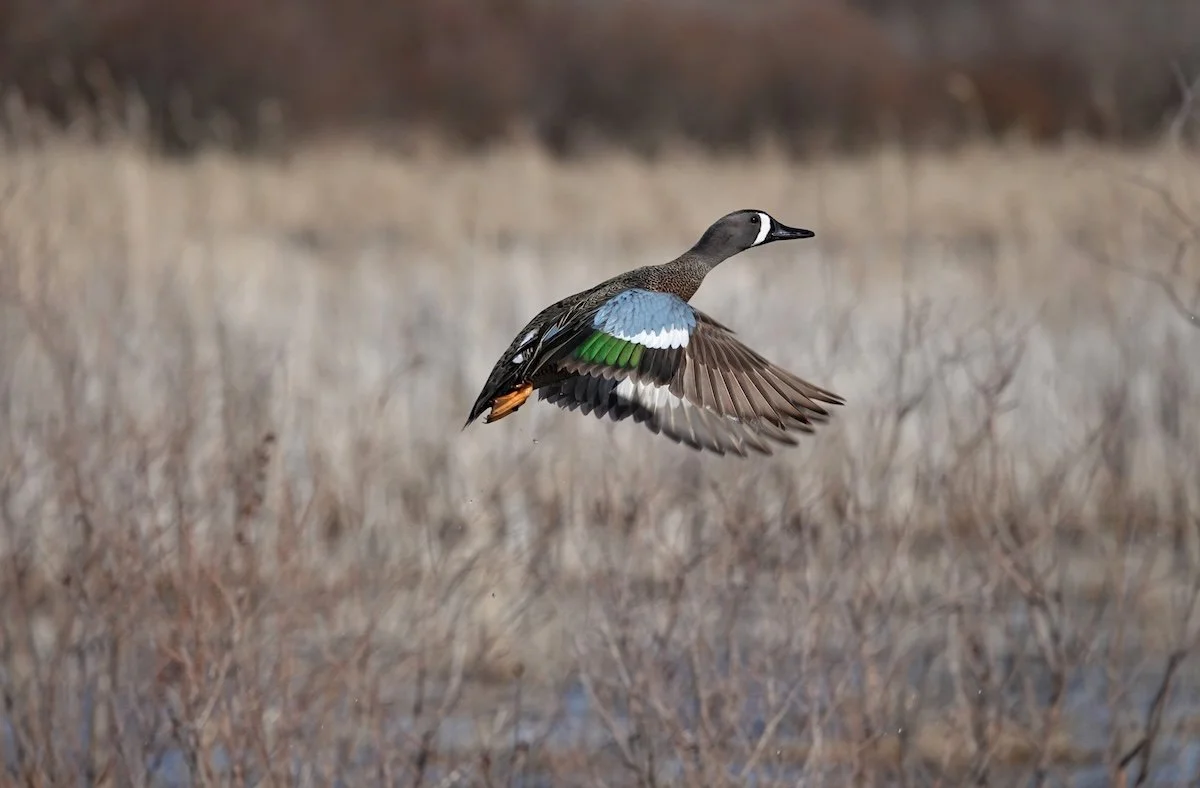
Photo: Gray Catbird, Kathy Sidles/Audubon Photography Awards

Connie Ericson

One of my favorite sights (and sounds) of spring is my first Gray Catbird (Dumetella carolinensis) of the season. I’ve always found them elegant-looking, with a sleek, slaty body, jaunty black cap and rusty patch under the tail. 

They would be endearing even if their only call was their distinctive “mew,” but they are excellent singers and mimics. They are in the same family as mockingbirds and thrashers, all in the family Mimidae. To advertise territory a male will sing phrases that Cornell's All About Birds says include “whistles, squeaks, gurgles, whines, and nasal tones,” which sometimes imitate other birds or even “frogs and mechanical sounds.” Catbirds do not repeat the phrases, unlike mockingbirds, which will repeat them three or more times, and thrashers, which will repeat a phrase once before changing. Thrashers appear to distinguish songs of catbirds from those of other thrashers by the number of repeated syllables in a sequence rather than a specific pattern. (David Sibley, The Sibley Guide to Bird Life & Behavior, p. 69) Female catbirds also sing, but less frequently and more quietly.

As the name of its genus (Dumetella or thicket) suggests, you can attract catbirds to your yard with dense plantings of shrubs and fruit-bearing native plants. As the native shrubs and flowers I have planted on the terracing in my back yard have grown up, I have seen catbirds more often. I see them flitting from the Red Oak and Eastern Dogwood trees to the chokeberry and winterberry. Like the Northern Flickers that visit my yard, the catbirds also will forage along the face of the stacked-stone walls for ants and other burrowing insects. They are somewhat shy about approaching the birdbath, but then bathe enthusiastically. 

Gray Catbird bathing. Photo: Darla J. Oathout/Audubon Photography Awards

Although both male and female catbirds may carry nesting material at first to starter nests, the female alone reportedly builds the final nest over a period of five to eight days. The nest often will be in low dense growth at the edges of woods. (Donald Stokes, Bird Behavior, vol. I, p. 207) Although I live very close to Arlington’s Glencarlyn Park, I have never seen a catbird nest in my yard. I have mixed feelings about whether having a nest there would be a good thing, because I have seen several neighborhood cats pass through regularly.

Catbirds, unlike other species in the family Mimidae, migrate from their breeding grounds and winter mostly in Mexico, Central America and the Caribbean, although some winter in the southeastern United States, which allowed me to enjoy them during winter when I lived in Houston. (Sibley, page 474)

Black Catbird. Photo: Lawrence Hollar/Audubon Photography Awards

On a birdwatching trip to the Yucatán Peninsula, I also was charmed by the Black Catbird (Melanoptila glabrirostris). It is a member of the family Mimidae, but it does not mimic other birds’ songs. It’s slightly smaller than the Gray Catbird but similar in shape with a long tail and thin bill. It’s “black,” but in light it shows glossy purple and blue-green plumage. It shares a fondness for thickets, scrub, dense forest understory and edge habitat. It was one of my favorite birds of the trip. You can read more about Black Catbirds on Wikipedia,  DataZone by BirdLife, or, if you’re a subscriber, Cornell’s Birds of the World.

Read More
News Jess Michetti News Jess Michetti

Spring in Virginia: Some Birders’ Thoughts

After snow flurries and a couple of cold snaps this past month, here are a couple things local birders are looking forward to in April.

Photo: Blue-winged Teal, Joyce Palm/Audubon Photography Awards

Summer Delehanty

On a particularly overcast and chilly day in March, it’s hard to believe the next few months bring warmth, greenery, and a slew of migratory birds. Yet spring marks the beginning of another migration season in Virginia, with hundreds of thousands of birds making their way back from a tropical winter to their summer breeding grounds in North America. After snow flurries and a couple of cold snaps this past month, here are a couple things local birders are looking forward to in April.

Passing Migrants

Warblers, vibrant and active little birds that pass through every spring, are often a fan favorite, especially when they congregate in colorful mixed-species flocks. Many species, no bigger than the palm of your hand, pass through northern Virginia in droves, often making pit stops on the way to their breeding grounds in Canada and the northern United States. While some species stick around for the summer, many can only be found here for a few weeks of the year.

The Blue Ridge Mountains are a popular spot to look for warblers, but these birds can also be found in many local parks and even backyards, exhausted from their long-distance journey and seeking a place to rest and regain strength. One northern Virginia birder I spoke with is particularly excited for them to return to his yard. “We live in northern Virginia in otherwise boring suburbs, so the first time we saw a Palm Warbler in our backyard was a treat,” he said. Now, his backyard reliably attracts several species in the spring, including his lifer Cape May Warbler. “I just had to know what to listen for, which drove me to look more closely and spot them. There's so much variety!” He added.

Another birdwatcher, Christian McGuirk, described his favorite local warbler spot, Monticello Park in Alexandria. “It’s a small, nondescript park in Alexandria that is jam-packed with warblers and other migrants April [through] May. They come down from the high canopy to bathe in the stream that runs through the park. I don’t know what it is about that park they love so much, but I’m glad it’s there!” He added, “I’m looking forward to introducing some of my young cousins to birdwatching there and taking lots of photographs, hopefully with some lifers in the mix.” 

Spring is also a great time for passing shorebirds. Another local birdwatcher said, “In a couple of weeks, the Blue-winged Teals will be making pit stops around here, ushering in shorebird season!” Like warblers, these birds are returning to their summer breeding grounds, using Virginia as a stop along the way. Birders may spot some of the earliest migrants, like Greater Yellowlegs, when they pass through in late April, followed soon after by the rest of their shorebird friends. 

Returning Summer Residents

Prothonotary Warbler. Photo: Donald Wuori/Audubon Photography Awards

In addition to birds just passing through, keep an eye out for returning breeding residents, or birds that spend their springs and summers in northern Virginia. While these birds also migrate, Virginia is far enough north for them to stay, rather than continuing to New England or Canada. Some notable returners include Baltimore Orioles, Scarlet Tanagers, and Prothonotary Warblers, sporting fiery shades of red, orange, and yellow.

As the trees regain their foliage, many of the birds are easier heard than seen. Spring is when many birds start singing again, whether to establish territory or attract a mate, so prepare for an explosion of new voices this April. One birder commented on the joy of hearing familiar songbirds again: “It is the sounds I am most anticipating—Great-crested Flycatchers, Indigo Buntings, orioles, and pewees calling.” The birds’ musical songs can be heard in parks all across northern Virginia beginning in late April and early May, after a long hiatus through the winter months. “It is like old friends coming back from a long break,” he added.

Baltimore Oriole. Photo: Adrian Azar/Audubon Photography Awards

Birding with Friends

Finally, on the subject of friends, warmer weather often means more people will be spending time outdoors. Birding in the winter requires lots of layers, lots of patience, and a special kind of dedication. Spring brings more comfortable conditions and a wider variety of birds to find, drawing many birdwatchers back into the field. Rachel Barham, a classically-trained singer working in DC and an accomplished birder by ear, is most excited to see familiar faces again. “I can’t believe I’m hearing my introvert self say this, but I am really looking forward to connecting with our amazing birding community in person!” Barham said. “I don’t see everybody as much in the winter, and birding together is so joyful, even on slow days.” 

In the midst of pollen attacks and crushing cherry blossom crowds, it’s easy to overlook the smaller signs of spring. Whether chasing lifers, spending time with other birdwatchers, or simply enjoying the influx of returning singers birds, birders can’t wait to get outside and embrace the new season. 

Summer Delehanty is a product designer with a passion for birdwatching.

Read More
News Jess Michetti News Jess Michetti

Welcome Back Yellow Warblers

Spring is a busy time for bird-watchers in northern Virginia as flocks of tiny warblers migrate through our area to northern breeding grounds. But there are some that migrate to northern Virginia to breed, and it’s exciting to welcome them back.

Photo: Yellow Warbler, Sheen Watkins/Audubon Photography Awards

Evelyn Novins

Spring is a busy time for bird-watchers in northern Virginia as flocks of tiny warblers migrate through our area to northern breeding grounds. But there are some that migrate to northern Virginia to breed, and it’s exciting to welcome them back. The inventory of northern Virginia breeders includes Black and White Warbler, Common Yellowthroat, Hooded Warbler, Louisiana Waterthrush, Northern Parula, Ovenbird, Pine Warbler, Prairie Warbler, Prothonotary Warbler, Yellow Warbler, and Yellow-throated Warbler.

Yellow Warbler, Gregory Seitz/Audubon Photography Awards

One of my favorite local warblers is the Yellow Warbler. Its song is easily recognizable: sweet, sweet, I’m so sweet, and although the female can be relatively drab, the bright reddish streaks on the yellow breast of the breeding male are highly visible.

This small bird, 5 inches in length with an 8-inch wingspan, weighs less than half an ounce, but, like most warblers, it’s a champion at migration. It winters in Central and South America, dining on the formidable selection of rainforest insects. Yellow warblers use the winter to fatten up for the long journey to nesting grounds in the eastern United States. They wing their way across the Gulf of Mexico to the Dry Tortugas and southern Florida. They stop there to rest and refuel before continuing up the coast.

Creating an environment to attract warblers as they proceed to northern nesting grounds is challenging. They do not come to feeders, so providing an insect-rich habitat is the only option. This means giving up chemical pesticides and planting trees (such as native oaks or maples) and shrubs that host a variety of insects. You also can plant some fruiting natives, such as Poke Weed and Virginia Creeper, because warblers do, on occasion, eat berries. Water is essential, and gently bubbling or running water is best. Make sure there is nearby shrubby vegetation to provide safe perches for bathing birds.

Although generally not the first warbler to make its appearance in northern Virginia, the Yellow Warbler arrives relatively early and should be here in numbers by early May. So, grab your binoculars and start checking some local warbler hotspots. Good options for Yellow Warbler are wooded areas by water with a thick understory. In Alexandria, try along Dyke Marsh’s Haul Road, in Four Mile Run Parks in Arlington and Alexandria, and Woodbridge’s Occoquan Bay National Wildlife Refuge.

Read More
News Jess Michetti News Jess Michetti

Calling all Birders: It’s time to get ready for Birdathon 2022!

Last year’s winning team saw 89 species in 24 hours! Wow! Can you beat it? Find out how to register your team here.
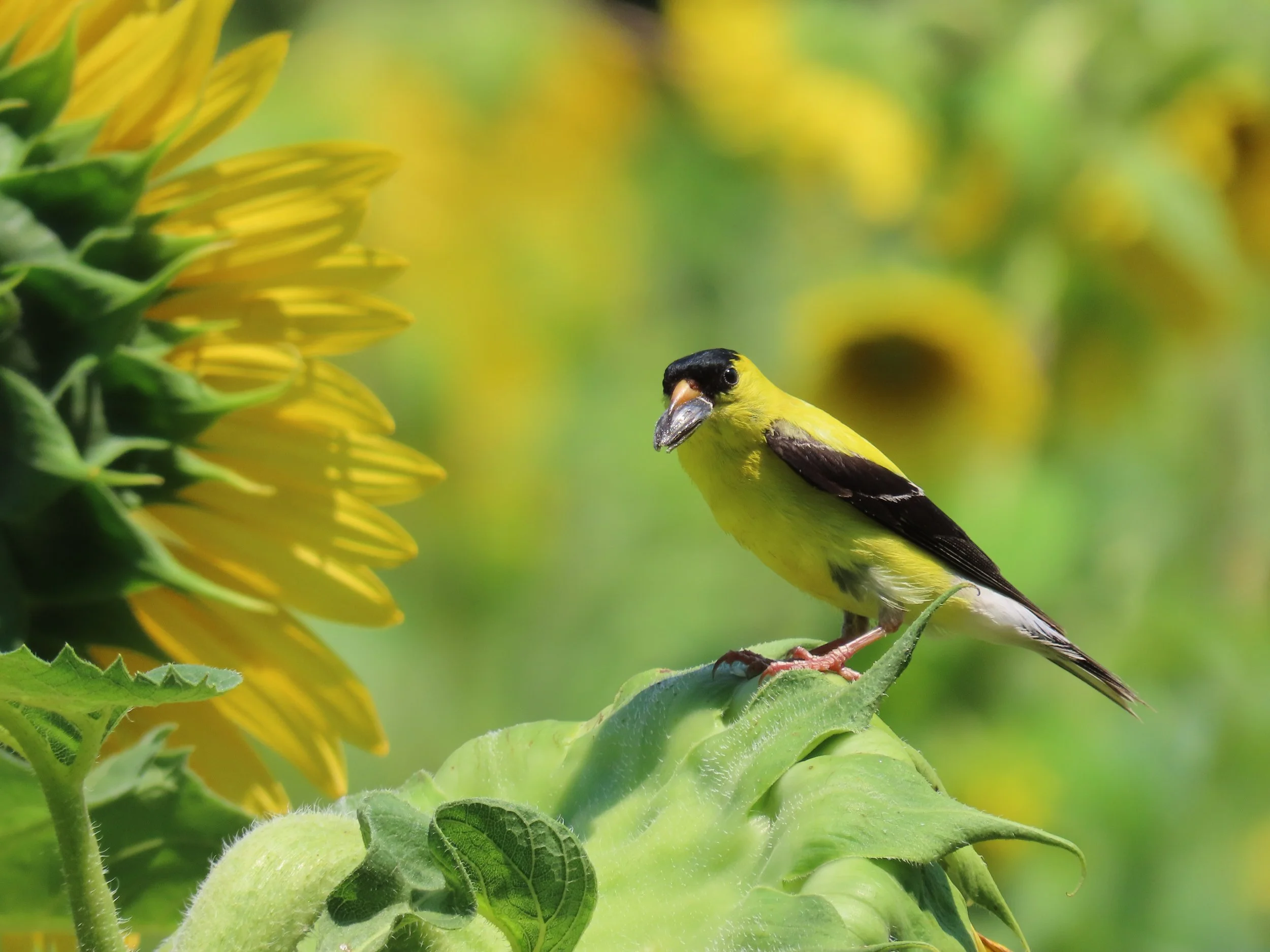
Photo: Camilla Cerea

How does it work? Like a walk-a-thon, Birdathon participants collect pledges from friends and family via our website. Then participants record how many species they can identify during any 24-hour period between April 16 and May 22. The more species they identify, the more funds they raise! 

Last year’s winning team saw 89 species in 24 hours! Wow! Can you beat it? 

Birdathon helps ASNV continue to support outdoor education, citizen science and habitat conservation, and encourages people to plant native plants and foster native wildlife. Birdathon also helps ornithologists better understand spring migration by reporting sightings through eBird, an online database of bird observations run by the Cornell Lab of Ornithology.

All birding levels are welcome. Participants can bird alone or form teams of up to five. All team members donate and/or secure pledges. Participants solicit general donations or ask for pledges based on the number of species or the number of individual birds sighted. Sightings and donations are due no later than June 3, 2022. Report your Birdathon sightings on eBird and email your list to info@audubonva.org.

Ready to get started? Register your team here and check out our Birdathon rules . Now go out and have a great day birding! 

All participants and their supporters are invited to join us at our Audubon Afternoon in June for our Annual Meeting, where we’ll announce the winners of the “Most Species Counted,” “Most Money Raised” and “Youth Birder” competitions.

Read More
News Jess Michetti News Jess Michetti

A Year of Birding “Centuries”

As 2021 began, I was feeling listless – in a general sense and in the bird-list sense. So, I challenged myself to see 100 bird species each month, a “century” challenge, because I wanted to get out of the house and be more active, see more birding friends, and become more purposeful in my birding.

Photo: American Goldfinch on sunflowers, Sycamore Landing, MD, Libby Lyons

Libby Lyons

As 2021 began, I was feeling listless – in a general sense and in the bird-list sense. So, I challenged myself to see 100 bird species each month, a “century” challenge, because I wanted to get out of the house and be more active, see more birding friends, and become more purposeful in my birding. 

I can now report success!! From my first bird, the Painted Bunting on the C&O Canal (MD), to my last, an Audubon’s Oriole (TX), I saw 400 species in 2021– and at least 100 per month!! But I was rewarded with so much more than just a count of birds – here’s what I learned:

For me it’s as much about the people as the birds! I loved meeting and befriending so many folks with the same love of birds and nature. I went with them on trips far and near including the ASNV Birdathon and many Northern Virginia Bird Club trips. And I found I still get immense joy in sharing my passion – even with total strangers, e.g., showing my Painted Bunting photo to passersby wondering what all the fuss was about, and pointing out a perfectly camouflaged Wilson’s Snipe at Huntley Meadows and being called a “snipe whisperer.”

Piping Plover chick, Moonstone Beach, Trustom Pond NWR, Rhode Island, Libby Lyons

Birdwatch wherever you go! The pandemic kept me stateside, so I redoubled my efforts to bird more while visiting family. In a Rhode Island wildlife area on a balmy, buggy evening in May I was transfixed by the plaintive call of an Eastern Whip-poor-will, and then just down the road, by the dueling calls of two Chuck-will’s-widows. On my next trip, I delighted in a handful of little brown and white fluffballs, juvenile Piping Plovers, at Moonstone Beach (RI). When we retreated with our grown children to the cool of the West Virginia mountains in early August, I twice trekked off to Cranberry Glades bog, where I was rewarded with 9 species of warblers and 4 species of vireos so easily seen on their breeding grounds! In Olympic National Park in late August, it was a treat to join my brother as he led a boat tour of Lake Quinault and to revel in our shared love of natural history. From Washington I drove through smoky Oregon to stay with family friends and compiled a bird list for their yard among the Northern California redwoods, then headed to Point Reyes Bird Observatory, a birdwatcher’s mecca, which I had not visited in four decades. It is easy to forget how large and variable our country’s habitat is – there was almost no overlap between the West Coast birds I saw and those I had seen back East!

Mourning Warbler, Cranberry Glades Botanical Area, WV, Libby Lyons

Birdwatch all year! Another pleasant surprise was summer birding. I do not handle Virginia’s heat and humidity well, so had birded infrequently from mid-June to late August. I had rarely seen or heard fledglings, with their stubby tails, often murky plumage, and muddled songs! The summer foliage was also a pleasure – swaths of sunflowers in full bloom, replete with American Goldfinches and Indigo Buntings at Sycamore Landing (MD). And the wetlands at Huntley Meadows was transformed by the huge white flowers of the native hibiscus called Swamp Rose-mallow.

Photo: American Goldfinch on sunflowers, Sycamore Landing, MD, Libby Lyons

Even new birders can surprise you! Near November‘s end, I was still far short of my target.  I was in a migration void – the passerines had flown south and the waterfowl had yet to arrive. I headed to the coast with my adult son, who is not a birder. He is a serious fisherman – observant, patient, and nature-loving – perfect skills for birdwatching. He not only spied a Black Skimmer (“That bird can’t keep its head up!”) at India River Inlet (DE), but he also spotted a sandbar harboring American Oystercatchers and Brants. As we chatted about why we loved our respective hobbies – he framed birdwatching in a way novel to me, perhaps due to his years studying economics. One reason birders are so friendly, he noted, is that sharing information about a target species doesn’t deplete the resource the way it might for fishing. Not only that, sharing makes you feel good, it helps the other person, and it increases the chances that they might share information back.   

LeConte’s Sparrow, Sully Woodlands Park, VA, Libby Lyons

Be opportunistic and persistent! I took advantage of “lost” birds last year. There seemed so many – was it because so many of us were out birding, or just because the birds were roving farther afield? Certainly, the Green-tailed Towhee in Sky Meadows State Park (VA) and the Kirtland’s Warbler in Baltimore (MD) were far from their usual stomping grounds (West Coast and Michigan, respectively). And I was persistent – it took two attempts each to see that Green-tailed Towhee and the skulking, well-camouflaged LeConte’s Sparrow at Sully Woodlands, and three trips to see my nemesis bird, another skulker, the Connecticut Warbler, in Rock Creek Park (DC). Alas, it is valuable to temper persistence with common sense; it was a lot easier to spot a Ross’s Goose (white, slightly smaller than a Snow Goose) among a few Canada Geese at Mount Trashmore Park (VA) than among 4,000 white Snow Geese on a Delmarva field!

What next? I am not sure whether I will continue with the challenge in 2022. I hope to travel farther afield when COVID allows. But as the climate crisis looms, I am also trying to birdwatch with a smaller environmental footprint. I think this will mean more carpooling, not making long trips just to get the last few birds for the month, and exploring new places to birdwatch close to home. I don’t think I will ever tire of the Sandhill Cranes at Algonkian, the warblers at Monticello Park, the woodcock at Huntley Meadows, nor the rafts of winter waterfowl off Mason’s Neck. Join me!

Read More
News Jess Michetti News Jess Michetti

Birdathon 2021: When is Peak Landbird Migration in NoVA and DC?

More and more information exists to help determine the peak of migration in any given place. However, in Northern Virginia, we have a golden gem of a resource that highlights anything you might want to know about spring migration of landbirds – it’s a website called MPNature.

Photo: Yellow-throated Warbler, Lorraine Minns/Audubon Photography Awards

Greg Butcher

Audubon Society of Northern Virginia sponsors a Birdathon every spring. We send out a bunch of teams whose goal is to see as many species as possible in a 24-hour period and to raise money for our programs.

Here are the 4 main tricks to seeing the maximum number of species in a 24-hour period:

Trick #1 is to get up before dawn and bird all day long (and into the night for owls). 

Trick #2 is to visit a wide variety of habitat types. 

Trick #3 is to find the best birders with good eyes, good ears and good knowledge of the local birds (especially their songs). 

Trick #4, especially in the Washington DC region, is to go at the peak of migration.

More and more information exists to help determine the peak of migration in any given place. There is a ton of information on eBird, the website maintained by Cornell Lab of Ornithology that records all birds encountered by eBirders every day at every birding spot in the world. The data are summarized in a variety of easy-to-understand formats, but I haven’t yet figured out the easiest way to study peak migration for species diversity using eBird.

However, in Northern Virginia, we have a golden gem of a resource that highlights anything you might want to know about spring migration of landbirds – it’s a website called MPNature. MPNature has a limitation that you might think minimizes its usefulness – it is focused on the birds (and plants) of one of the smallest and most suburban parks in Northern Virginia – Monticello Park. 

But Monticello Park has three advantages that make it a wonderful barometer of the state of landbird migration in Northern Virginia and Washington DC: 

  1. It is an amazing magnet for birds, with 124 species.

  2. Its spring birds have been meticulously documented since 2005 by Tom Albright and a host of other birders.

  3. And, of course, it has an amazing website, beautifully and purposefully created by Bill Young, Ashley Bradford and their friends.

I should probably have written an article about the beauty of the website. Ten different photographers have contributed gorgeous stills and videos of the birds, the plants and views from within the park. But that’s a different article!

Under the “Daily Checklist” tab is a list for each day of April and May of all the birds that have been seen on that date between 2005 and 2018 divided into 4 groups: resident birds, migrants that averaged more than 2 individuals on that date, migrants that averaged between 1 and 2 individuals, and migrants that have been seen in the park on that date, but not every year.

If you are interested in a particular migratory species, there is another section of the website with photos and the earliest, latest and best dates to find that species in the park. The park is a woodland with a stream running through it, so you can’t learn much about waterbirds or grassland birds, but it does have information about 35 species of warblers!

But I had a single goal in mind – I wanted to know THE best date for spring migration in our area, so I reduced all of Tom Albright’s species-specific information to numbers, and here’s what I found out:

  • The website’s report of expected species begins on April 1, and for the first 24 days in April, you can expect 4 common migrant species that average more than 2 individuals per day. In addition, you have the chance to see about 11 other less predictable migrants on any of those 24 days.

  • Everything starts to pick up on April 25. All of a sudden, there are 7 common migrants and 14 additional possible species.

  • The good news is that peak migration lasts for 15 days: May 1 through 15. On any one of those days, you can expect 17-21 common migrants with a possible total of 33-37 migratory species, plus up to 23 of the park’s resident species.

  • The next week – May 16-22 – isn’t too bad, with 16 common migrants expected on the 16th, dropping to 11 on the 22nd and a possible total of 26-32 migratory species each day.

  • After May 23, migration drops off sharply, with only 7 or 8 migratory species expected on May 30 or 31.

A few caveats: every day is different! The above numbers are averaged over 14 years, creating great uniformity, but migration depends on the weather. On a beautiful clear night with strong southerly wings, all the migrants might pass us by. Better conditions (for seeing a lot of migrants) are rainy nights with northerly winds that keep migrants from flying too far too fast. But the only way to find out if tomorrow is a great day to see migrants is to get outside and look for yourself.

If you want to see the most landbird migrants in Northern Virginia on a single outing, I suggest you plan to bird between May 1 and May 15, so if you participate in ASNV’s Birdathon, this would be the best time to choose your 24-hour count day. If you just want to see as many spring migrants as possible, you should go out on as many of these days as you can, because some species are early migrants and others are later – and I still have never seen all the expected species on a single day. (Maybe this year!)

Good luck and happy birding!

Read More
News Jess Michetti News Jess Michetti

ASNV Bird Walks are Resuming in September—within Limits

Soon we will begin—cautiously – to resume bird walks this fall. While the activity is outdoors, we still want to avoid the need for participants to be in close proximity. Even though the business economy is restarting, we realize that the virus is still a significant risk, especially to older people.

Photo: Occoquan, Dixie Sommers

By Jean Tatalias and Dixie Sommers 

Soon we will begin—cautiously—to resume bird walks this fall. While the activity is outdoors, we still want to avoid the need for participants to be in close proximity. Even though the business economy is restarting, we realize that the virus is still a significant risk, especially to older people.

Our walks will be limited to 4 or 5 participants plus the leader. Participants must observe social distancing whenever possible and masks will be required when that is not possible—for example, when passing other walkers. Scopes will not be used. Locations will be chosen where trails are wide enough for the needed separation. 

The bird walk list will announce the general area for a walk (e.g., western Prince William County or south of Alexandria), the date and the leader. We will require that people enroll with the leader by email. The leader will limit the attendees to space available and will give enrollees the exact location to meet. Two September walks are being offered. 

These walks are intended for participants who would like the guidance of a leader. In parallel, we encourage our more experienced birders to continue with their own solo birding and photography outings.

When you register for a walk you are expected to be symptom-free if you attend. If you have registered but find you cannot attend, please notify the leader. We will keep a waiting list

This is a cautious beginning for all of us who miss birding together. Some may not be comfortable with even this limited format yet—and we respect their choice. If you do register, please follow the requirements out of respect for the leader and other participants.

Read More
President's Corner Jess Michetti President's Corner Jess Michetti

April 2020

It’s hard to write about anything other than Covid-19 at this juncture, so I’m taking this opportunity to discuss what ASNV is doing as a result of the outbreak and what you can do while we are all at risk.

Photo: Prairie Warbler, Will Stuart

By Tom Blackburn

It’s hard to write about anything other than Covid-19 at this juncture, so I’m taking this opportunity to discuss what ASNV is doing as a result of the outbreak and what you can do while we are all at risk.  

Basic ASNV Operations  ASNV Staff are working from home until further notice. Our Board of Directors and committees conduct meetings by telephone. We are answering voice mail, responding to emails and conducting routine business. Please feel free to contact us about ASNV business in the same way as you have done before. 

Classes and activities  We have canceled upcoming classes, bird walks and surveys and postponed client visits by our Audubon at Home Ambassadors.  Given the rate at which new infections are occurring, it’s quite possible that we won’t resume these activities until the fall.  We are investigating whether we can offer classes and activities online and will let you know if we do.  

What can you do while restrictions on activities are in effect?  

  • Start a list of the birds you see in your backyard. This is a perfect time to start a yard list just as spring migrants are heading our way. You can get help identifying birds using the free Merlin Bird ID app and the free Audubon Bird Guide App.   

  • Take the opportunity to watch the birds more closely.  Put up a bird feeder to attract them to your yard, then watch them as they court, mate, incubate eggs, feed their young and teach them to survive on their own.  

  • Contribute to citizen science databases by sending your bird sightings to eBird and your wildlife and plant sightings to iNaturalist. iNaturalist will help identify what you see, just take a photo and submit it.

  • Brush up on your birding skills.  If you have a Cornell Lab of Ornithology account, eBird has fun quizzes that allow you to practice identifying birds by sight and by sound.  Purchase one of Cornell Lab’s 15 excellent on-line courses; you can use them with no time limit.

  • Get involved in our advocacy efforts.  We’ll continue to monitor and take action on issues that affect birds, other wildlife and our environment.  Send us an email at info@audubonva.org if you have a concern you’d  like us to look into or you would like to help out.  

Above all, stay healthy!  Please follow the latest guidelines on how to minimize your chance of catching the virus.  

Read More
News Jess Michetti News Jess Michetti

Local Photographers Win National Wildlife Federation Photo Contest

ASNV member Randy Streufert has won the Grand Prize in the National Wildlife Federation’s “Garden for Wildlife” photo contest. Randy’s photo of a Prothonotary Warbler cooling off in water was the top photo out of nearly 5000 submissions from all over the world.

Photo: Prothonotary Warbler, Randy Streufert

ASNV member Randy Streufert has won the Grand Prize in the National Wildlife Federation’s “Garden for Wildlife” photo contest.  Randy’s photo of a Prothonotary Warbler cooling off in water was the top photo out of nearly 5000 submissions from all over the world.  Randy and his wife Barbara’s property, where the photo was taken, is a Certified Wildlife Sanctuary in ASNV’s Audubon at Home program.        

Randy also won an Honorable Mention for his photo of a Cope’s Gray Treefrog tadpole and froglet.

Copes Gray Treefrog Tadpoles, Randy Streufert

Copes Gray Treefrog Tadpoles, Randy Streufert

Local wildlife enthusiast Arthur Hass’s photo of an Eastern Tailed-Blue won the top prize in the category Close-up Native Plants and their Wildlife Visitors, and Fairfax resident Sherry Schellenger Parker’s photo of her son in his grandmother’s garden won in the category People in the Wildlife Garden. The Category Winners and Honorable Mentions showcase a wonderful array of photos of plants, wildlife and people enjoying them.

Read More
President's Corner Jess Michetti President's Corner Jess Michetti

February 2020

We’ve already had our first snowfall of the season, and it’s getting colder, but that’s not a reason to stop going out to see birds. This is a great time to look for the winter waterfowl that are migrating to our area from colder areas to the north and west.  

Photo: Indigo Bunting, Art Fox

By Tom Blackburn

A couple of weeks ago, my wife and I were enjoying breakfast when we heard a loud thump at our large dining room window.  We’d heard that sound before, so we went outside to see if we could find the injured bird that had hit the window.  We couldn’t find it, but that didn’t mean that the bird had survived.  In many cases, a bird that hits a window dies shortly afterwards due to injury to its brain or body.  In fact, most birds that are killed by window collisions are not found.  They fly off and die later or are quickly scooped up by alert predators.  

Indigo Bunting, Art Fox

Indigo Bunting, Art Fox

This was the last straw for us, so I went off to learn what I could do to protect against bird-window collisions.  But first, I got a stepladder and climbed up so I was even with the middle of the window to see what the birds see.  It was amazing.  There in the middle of the house was an inviting scene with bushes, trees and sky – all reflected perfectly in the window.  No wonder the birds fly into it!  

We settled on  Acopian Bird Savers as a deterrent to bird-window collisions.  This is a series of dark cords spaced 4 inches apart and suspended from above the window so they hang down to the bottom.  You can buy them or make them yourself very easily.  The 4-inch spacing is important since birds will be tempted to fly through the open spaces if they are any larger.  They don’t interfere with our view; we tend to look right past them.      

There are lots of other ways to protect against bird-window collisions.  The American Bird Conservancy has a good list of resources on how to stop birds hitting windows.  And it’s important.  Bird-window collisions kill as many as one billion birds per year – 44% of them from hitting residential buildings.  

You can learn even more about preventing birds from hitting your windows at a special program co-sponsored by ASNV and the Walker Nature Center.  It will be held at the Walker Nature Center, 11450 Glade Drive in Reston, on March 19.  Put it on your calendar!  We’ll have more information on the event as we get closer to the date.  

Read More
President's Corner Jess Michetti President's Corner Jess Michetti

January 2020

We’ve already had our first snowfall of the season, and it’s getting colder, but that’s not a reason to stop going out to see birds. This is a great time to look for the winter waterfowl that are migrating to our area from colder areas to the north and west.  
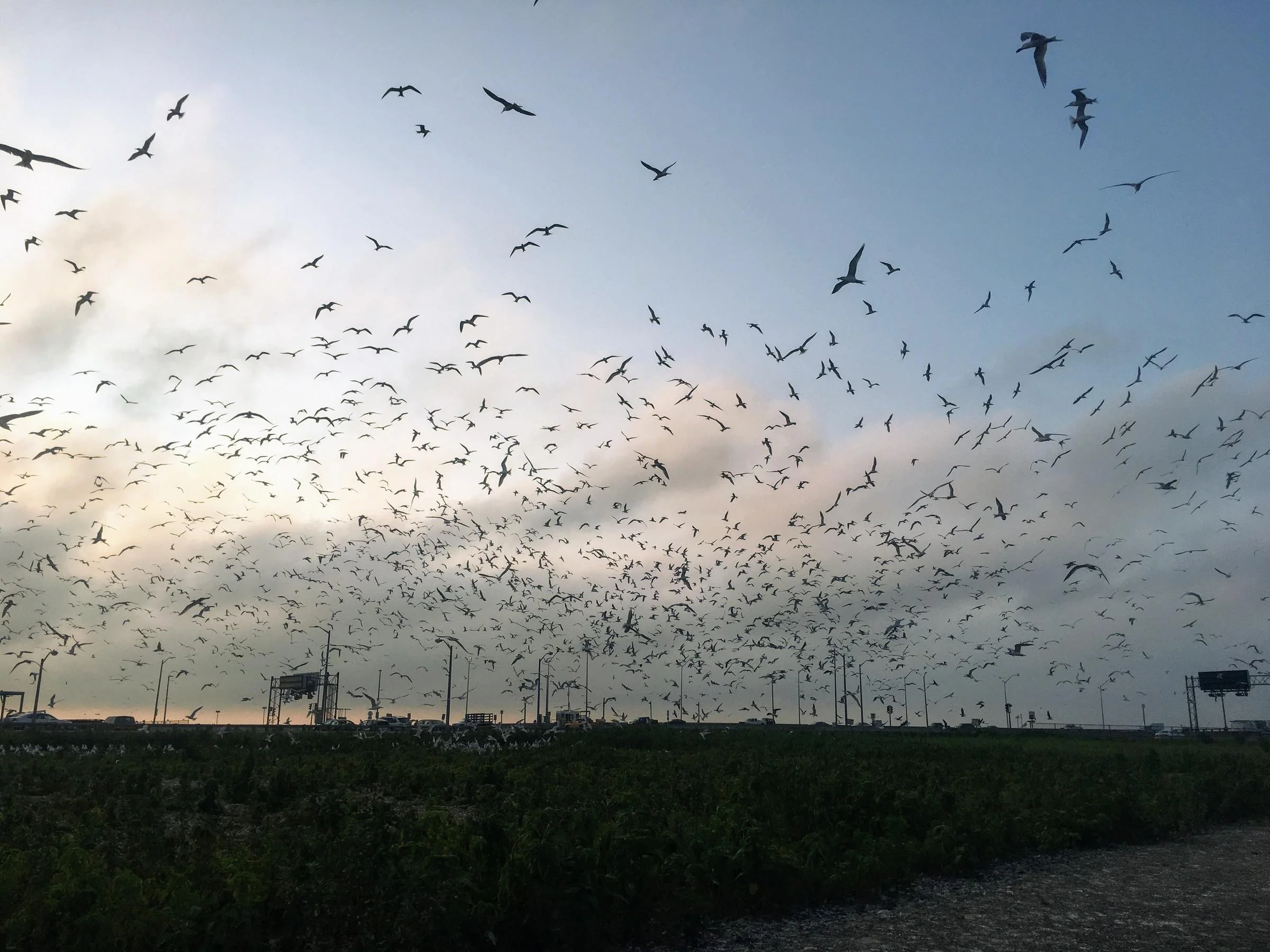
Photo: Common Mergansers, Gail Norwood/Audubon Photography Awards

By Tom Blackburn

We’ve already had our first snowfall of the season, and it’s getting colder, but that’s not a reason to stop going out to see birds. This is a great time to look for the winter waterfowl that are migrating to our area from colder areas to the north and west.  

Waterfowl are one bright spot among all the disturbing news about the loss of bird populations. Waterfowl populations have increased by 50% over the last 50 years, thanks to funding under the North American Wetlands Conservation Act and matching grants from conservation groups. 98 percent of the purchase price of Federal Duck Stamps is used to help acquire and protect wetland habitat and purchase conservation easements for the National Wildlife Refuge system.  

What can you see if you venture out to the Potomac River, wetlands such as Huntley Meadows or sheltered areas like Pohick Bay Regional Park? Look for Northern Pintails, the most elegant of all ducks, with long necks, pointed upturned tails and beautiful gray, white and brown coloring. Male Ruddy Ducks are easy to spot, with blue bills and chestnut-colored bodies. Northern Shovelers, named for their broad, spade-shaped bills, are distinctive with green heads, black backs, white chests and reddish-brown flanks. The large white patch on the head of the male Bufflehead, plus its dark back and white lower body, make this small duck easy to see. Female Common Mergansers and Hooded Mergansers look like they’re having a bad hair day, with ragged red or brown crests.  

Lots of other waterfowl spend their winters here. You can find American Black Ducks, Redheads (the birds, not the humans!), Canvasbacks and Ring-necked Ducks, American Wigeons, Green-winged Teal, Gadwalls and scaup.  

Tundra Swans are wintering in the Elizabeth Hartwell Mason Neck National Wildlife Refuge, and you can see thousands of Snow Geese at the Blackwater National Wildlife Refuge and other areas along the Chesapeake. Watching a huge flock of Snow Geese fly up from the marsh and circle, as they do every 20 or 30 minutes, is simply awe-inspiring.  

Do you want to learn more about the waterfowl that you can see this winter? Come to “Winter Waterfowl of the Potomac,” our next Audubon Afternoon, at 2:30 PM on Sunday, January 12, 2020. Take a look at our website for more information about this Audubon Afternoon and our free Winter Waterfowl Workshop and field trip. 

Read More
President's Corner Jess Michetti President's Corner Jess Michetti

December 2019

In late November and early December my mailbox is filled with requests from charitable organizations. Some days there are so many, I’m tempted to ignore them all. But I try not to because sadly, charitable donations have declined over the past several years. Without funding, charitable organizations cannot do the work that is critical to protecting birds and the environment.

Photo: Sunrise, Chelsea Weithman

By Tom Blackburn

In late November and early December my mailbox is filled with requests from charitable organizations. Some days there are so many, I’m tempted to ignore them all. But I try not to because sadly, charitable donations have declined over the past several years. Without funding, charitable organizations cannot do the work that is critical to protecting birds and the environment.    

As you open your mail and decide how to allocate your own donations, I hope you will keep Audubon Society of Northern Virginia in mind. ASNV is the primary bird and conservation-oriented organization in Northern Virginia.  For over 38 years, we have conducted citizen science surveys of birds, butterflies, plants and other wildlife. We’ve used our data to conserve habitat, advocate before state and local governments and educate our community about the wonder and importance of all native species – birds, insects, invertebrates, mammals and the plants they depend on. 

You might not know it, but most of ASNV’s work is conducted by hundreds of volunteers. Our ASNV community is made up of passionate nature advocates who conduct research, lead bird walks and field trips, teach classes and workshops and advise people on how to create wildlife-friendly habitat. You can read more about their efforts in our 2019 Annual Report.

We need your donation to support their work!

Please make a donation today to help Audubon Society of Northern Virginia continue the work that is critical to the future of our region and the Earth.  You can donate online or send a check to ASNV, 11100 Wildlife Center Drive, Reston VA 20190.  

It’s up to all of us to save birds and our environment.  You can help do your part by making a generous gift to ASNV. 

Let’s help birds thrive!

Thank you!

ASNV is a Section 501(c)(3) charitable organization, and all donations are tax deductible to the extent permitted by law.  

Read More
News Jess Michetti News Jess Michetti

We could use your birding skills!

Do you have a favorite spot to bird that you’d like to share with others?  Consider leading a winter or spring walk there for ASNV.

Do you have a favorite spot to bird that you’d like to share with others?  Consider leading a winter or spring walk there for ASNV.  Leaders don’t have to be perfect birders—it’s a group effort.  Prime responsibilities are setting the date and meeting place, guiding the route, and helping new birders locate the sightings. 

Call or email to discuss:

Jean Tatalias or 703-281-6099

Read More
President's Corner Jess Michetti President's Corner Jess Michetti

November 2019

Each November I look forward to seeing some of my favorite birds – Tundra Swans.  More than 100,000 of these birds are just finishing their three-month migration from north of Hudson Bay in Canada to the tributaries of the Chesapeake Bay and the coast of North Carolina, where they spend their winters. A sizeable flock usually winters from November through February at the Elizabeth Hartwell Mason Neck National Wildlife Sanctuary just south of Lorton.

Photo: Tundra Swans, Randy Streufert

By Tom Blackburn

Each November I look forward to seeing some of my favorite birds – Tundra Swans.  More than 100,000 of these birds are just finishing their three-month migration from north of Hudson Bay in Canada to the tributaries of the Chesapeake Bay and the coast of North Carolina, where they spend their winters. A sizeable flock usually winters from November through February at the Elizabeth Hartwell Mason Neck National Wildlife Sanctuary just south of Lorton. You can see them from the Great Marsh and Marsh View trails but you’ll probably hear them before you see them. Their high, whooping calls are haunting and unforgettable.  

Tundra Swans eat submerged aquatic vegetation and soft-shelled clams.  2018’s extreme precipitation led to a significant decrease in the amount of submerged aquatic vegetation last winter.  Faced with reduced food supplies, many Tundra Swans moved further south to find more to eat. I hope more of them will spend this winter in our area.

November is also the time to prepare for the Christmas Bird Count, our nation’s longest-running citizen science bird survey. ASNV has conducted the count in the Manassas-Bull Run Sector for 37 years. In 2018, 115 volunteers counted over 13,000 birds. This year’s count will take place on December 15 and we need birders of all skill levels to help out. 

If you’re interested in the 2019 CBC, please join Phil Silas, our CBC compiler, who will lead a workshop from 1 to 3 PM on November 24 at the National Wildlife Federation Building, 11100 Wildlife Center Drive in Reston.  The workshop is free, but registration is required.  You can register, learn more about the Christmas Bird Count, and sign up to participate in the count at http://audubonva.org/christmas-bird-count/.  

Don’t forget that November 5 is Election Day.  All seats in the Virginia legislature are up for re-election, as well as other state-wide and county offices, including school board and county supervisor positions.  Bond initiatives are also on the ballot. Be sure to vote – critical issues are at stake. Our planet depends on you.

Read More
President's Corner Jess Michetti President's Corner Jess Michetti

October 2019

When I first became interested in birds about 15 years ago, I was simply attracted by their diversity. But the more I observed them, the more I recognized what amazing creatures they are. I have found great enjoyment learning about birds but there’s been a depressing side to my education. People who have been birding far longer than I have, lament that there are so many fewer birds than there were in previous decades. It turns out they are right.

Photo: Brown Pelicans, Syler Peralta-Ramos/Audubon Photography Awards

Tom Blackburn

When I first became interested in birds about 15 years ago, I was simply attracted by their diversity. But the more I observed them, the more I recognized what amazing creatures they are.

I continue to wonder:

  • How can a Ruby-throated Hummingbird, weighing as much as a dime, fly 500 miles across the Gulf of Mexico without stopping to rest or eat?

  • How do three species of boobies – red-footed, blue-footed, and Nazca – exist on the small Galapagos Islands without competing for food and nesting territory?

  • How do birds learn their songs? Do bad singers lose out in the mating competition?

  • Did some species of manakins actually compromise their ability to fly when they evolved to make sounds that are more attractive to females?

I have found great enjoyment learning about birds but there’s been a depressing side to my education. People who have been birding far longer than I have, lament that there are so many fewer birds than there were in previous decades.

It turns out they are right.

A recent study in the journal Science, tells us that we have lost more than one in four birds in North America since 1970.

The loss of 2.9 billion birds has to be worrisome to anyone who cares about the future of our planet.

How can you help make our environment more bird-friendly?

  • Begin by going to 3billionbirds and discover 7 Simple Actions you can take to help birds.

  • Visit our website audubonva.org for ways to help ASNV in our efforts to stop bird declines.

  • Become a better birdwatcher so that you can participate in citizen science efforts.


We need everyone who cares about birds to learn more and support all efforts to save them.

Read More
News Jess Michetti News Jess Michetti

Bird of the Month: Turkey Vulture

Turkey vultures, also known as turkey buzzards, are a common sight throughout the state of Virginia. As one of the most widespread birds in the western hemisphere, their range extends west to California and south to the tip of South America. Turkey vultures are often seen gliding on thermals, buoyed by a wingspan that can reach up to seven feet.

Photo: Turkey Vulture, Kevin Juberg/Audubon Photography Awards

By Elise Brosnan

Turkey vultures, also known as turkey buzzards, are a common sight throughout the state of Virginia. As one of the most widespread birds in the western hemisphere, their range extends west to California and south to the tip of South America. Turkey vultures are often seen gliding on thermals, buoyed by a wingspan that can reach up to seven feet.

Turkey Vulture, Michelle Maani/Audubon Photography Awards

Turkey Vulture, Michelle Maani/Audubon Photography Awards

Most birds have no sense of smell, which makes turkey vultures extremely unusual, as they rely entirely on their noses to detect prey. They do so by detecting a byproduct of carrion called ethyl mercaptan. This same compound is commonly added to petroleum gas, causing confused turkey vultures to congregate around gas leaks.

While most birders are acquainted with turkey vultures, they may not know the important role that they play in the ecosystem. Like all vultures, turkey vultures are equipped with a powerful digestive system that is capable of killing harmful bacteria, such as the bacteria responsible for anthrax. In fact, when vulture numbers decline, rates of human diseases go up. In India, falling vulture populations correlated with higher rates of both anthrax and rabies.

Turkey vultures have no natural predators, but they face one significant man-made threat: contamination from lead bullets. When game is shot with lead, the bullets break apart and contaminate the meat, making it toxic for both human and vulture consumption. California Condors, turkey vultures’ larger cousins, have to be regularly treated for lead poisoning to prevent species collapse.

Vultures are the sanitation workers of our ecosystem, disposing of carrion and keeping diseases in check. Therefore, the next time you see a turkey vulture, you should give it thanks. After all, it’s a dirty job but someone’s got to do it.

Source:
Haskell, David George. The Forest Unseen: A Years Watch in Nature. NY, NY, U.S.A.: Penguin Books, 2013.

Read More