NVBA NEWS BLOG

Welcome to the blog for Northern Virginia Bird Alliance, a wealth of resources about northern Virginia birds, wildlife, habitat conservation and restoration, native plants, wildlife-friendly gardening, advocacy and more.

News Jess Michetti News Jess Michetti

June 2022 Bird of the Month

The Prothonotary Warbler (Protonotaria citrea), is one of only two North American warblers to nest in cavities. Prothonotaries nest in cavities already established by other woodpeckers and chickadees but they will also nest in boxes designed for their specific preferences.

Photo: Prothonotary Warbler, Edward Episcopo/Audubon Photography Awards

Bird of the Month: Prothonotary Warbler 

 Jessica Bigger

The Prothonotary Warbler (Protonotaria citrea), is one of only two North American warblers to nest in cavities. The other is the Lucy’s Warbler. Prothonotaries nest in cavities already established by other woodpeckers and chickadees but they will also nest in boxes designed for their specific preferences.

They prefer nests on trees over standing water, like Bald Cypress and Willow Trees, but they will also nest on the ground or in the understory. Location is important as this species chooses to nest in forests near a body of water; on the edge of lakes, streams, and alluvial floodplains or near swamps. Prothonotary Warblers forage on the ground near their nests searching for a variety of insects including mayflies, caterpillars, and butterflies. 

With its bright yellow and smooth grayish blue plumage, it’s not a surprise that this warbler was named after the Roman Catholic Prothonotories (Papal Clerks) who wore bright yellow robes during mass. 

Since 1966, the Prothonotary Warbler population has been declining. Population numbers have dropped 1% each year between 1966 and 2015. One of the biggest threats is a loss of habitat on both breeding and wintering grounds. Removal of snags and channeling streams reduces nesting habitat. Mangrove swamps, a prime wintering habitat, are disappearing at a dramatic rate because of an increase in aquaculture and development.

Climate change has also become another factor. As the global temperatures increase, this warbler’s summer breeding range is predicted to shift further north into Canada. Some of the Prothonotary Warbler’s habitat in the Midwest will likely become uninhabitable. As for most birds, a huge threat is spring heatwaves, which can kill young nestlings.

As with many warblers, the Prothonotary Warbler can be elusive despite its bright color. It’s sometimes easier to hear its song, a series of 5-7 “sweet-sweet-sweet…” sounds than it is to spot one. 

Prothonotary Warbler, Edward Episcopo/Audubon Photography Awards

Read More
News Jess Michetti News Jess Michetti

April 2022 Bird of the Month

What do we call these birds that are definitely not robins but are well known as robins? Are they thrushes, are they chats? Does all of this really even matter?

Photo: American Robin, Joseph Mahoney/Audubon Photography Awards

Deidra Bryant

Happy spring! On that first warm day after the mini snowstorm this month, the scent from the snowmelt was enticing so I took a stroll around my neighborhood. Perpendicular to the swale bordering my residential community, there were dozens of robins hopping along the muddy grass looking for insects and worms that might have migrated to the surface. There were so many robins that I sent my friend a lengthy video of myself trying to count them all. 

American Robin, Joseph Mahoney/Audubon Photography Awards

As you may already know, American Robins (Turdus migratorius) are ubiquitous in Northern Virginia, and for some people their presence signals that spring has sprung! As I was counting them on video, I remembered how many robins I encountered in Europe, conveniently named the European Robin (Erithacus rubecula). Although both species have the notable crimson-colored breast, the American Robin’s coloring extends all the way down to its belly, whereas the European Robin has a patch of color on its face that stops at the breast. Another difference is that the European Robin lays smaller cream-colored eggs with reddish-brownish splotches, while American Robins lay eggs with a distinctive blue color caused by a compound called “biliverdin,” a bile pigment passed on from the mother’s blood. There’s also the obvious difference in body size. American Robins are members of the thrush family (Turdidae) and range from 8 – 11 inches in length, whereas adult European Robins range from 5 – 5.5 inches in length and are from the Old-World flycatcher family (Muscicapidae). Even their songs and calls are very distinct. I found European Robin calls melodious and more high-pitched than that of the American Robin, and quickly discovered they were more solitary too. 

Robin sp., Deidra Bryant

With all these differences, you may wonder how they can both be considered “robins.” The term “robin” is pretty much irrelevant in regards to taxonomy. In the 17th to 18th century European settlers designated our familiar backyard bird when they arrived in the New World. Why “American Robin” though? We can speculate on why, but I personally believe their hubris played a role in determining its name since a bird with a red breast was strictly called a “robin” in England during that time, and considered their robin to be the standard. As a result, it was possibly their goal to shoehorn flora and fauna in the newly established colonies into the familiar framework of Great Britain as if they attempted to cling on to aspects of their homeland. And let’s not forget about Australasia. Settlers arrived at the remote continent and decided to identify birds there as “robins” too like the Scarlet Robin (Petroica boodang).

Notice how all these birds have flame-colored breasts. I bet you’re starting to see a pattern here, right? Well, don’t get too carried away. There are 49 endemic species of robins (conveniently named Austrilasian robins) in the Petroicidae family and they look nothing like the American or the European Robins. Early ornithologists had named birds as robins from three different families in at least three different continents and things got more convoluted as time went on. During the 18th century, most of the New World Turdids were called robins because of their superficial similarity to the American one, but now have reverted to being called thrushes to better represent the genus’s cosmopolitan distribution. However, we still have robins from different families and genuses all over the globe that look very different from each other. For example, we have the White-breasted Robin located in southwest Australia (Eopsaltria georgiana), the Forest Robin from southeast Africa (Cossypha dichroa), the Japanese Robin (Larvivora akahige), the Siberian Blue Robin (Larvivora cyane), etc. On the Indian subcontinent there’s the Indian Robin (Copsychus fulicatu) and the Oriental magpie-robin o(Copsychus saulari). 

The prior examples put scientists in a predicament that taxonomists have been trying to solve for decades. What do we call these birds that are definitely not robins but are well known as robins? Are they thrushes, are they chats? Does all of this really even matter? I care enough to have contemplated such a complicated term, but not enough to get visibly upset about how to classify a bird's common name like a “warbler” or a “wren.” The good news is that laypeople in the states can easily understand what the other is talking about when they discuss robins, but ornithologists have to clarify in journals and research papers (which they usually do) using the species name.

Read More
News Jess Michetti News Jess Michetti

March 2022 Bird of the Month

In downtown Richmond Peregrine Falcons have been nesting since 2003. Over the years the Virginia Department of Wildlife Resources and their partners have monitored them and beginning on March 1 you’ll be able to watch them too!
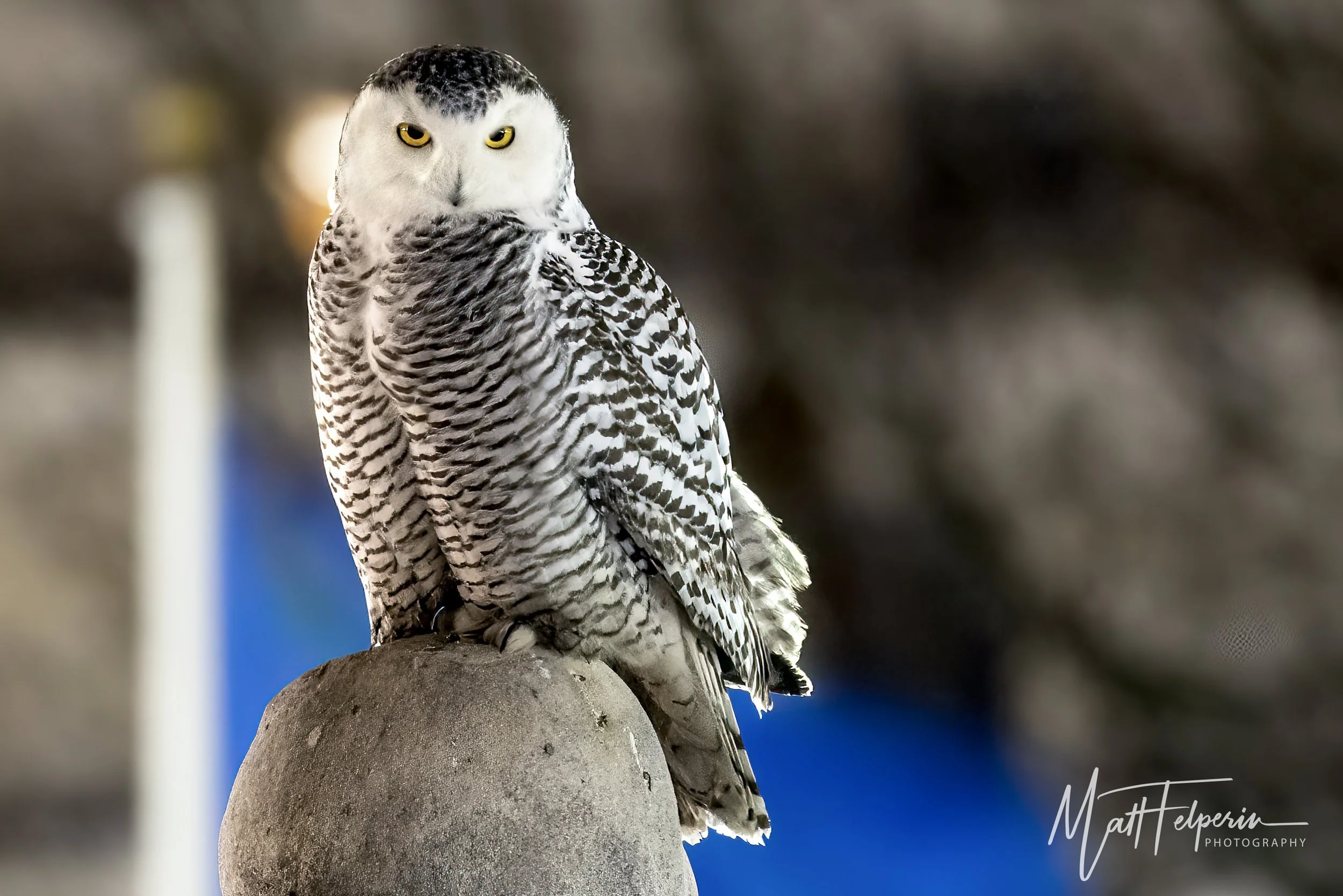
Photo: Peregrine Falcon, Lorelei Stierlen/Audubon Photography Awards

In downtown Richmond Peregrine Falcons have been nesting since 2003. Over the years the Virginia Department of Wildlife Resources and their partners have monitored them and beginning on March 1 you’ll be able to watch them too via the Richmond Falcon Cam. If you want to keep up with their progress, subscribe to get the latest updates from the nest. 

Last year’s falcon pair successfully fledged 4 chicks from their nest box on top of the Riverfront Plaza building. To learn more about this remarkable species scroll through the DWR Falcon Cam webpage to links for more information on the Richmond falcons as well as Peregrine Falcons in Virginia, and the extensive conservation efforts to restore them after their U.S. populations were devastated from 1950 to 1970 by DDT poisoning. 

Although not common in Northern Virginia, there have been other successful Peregrine Falcon nest sites. In 2019 ASNV published a story about the falcons who have successfully nested in Reston Town Center since 2015.   

Peregrine Falcon, Steven Sachs/Audubon Photography Awards

Read More
News Jess Michetti News Jess Michetti

February 2022 Bird of the Month

Jessica Bigger, who writes our Bird of the Month feature, is away, so we’re bringing you a recent story from the Washington Post about an infrequent visitor from the Arctic – a Snowy Owl.

Photo: Snowy Owl, Matt Felperin

Jessica Bigger, who writes our Bird of the Month feature, is away, so we’re bringing you a recent story from the Washington Post about an infrequent visitor from the Arctic – a Snowy Owl

NOVA Parks Roving Naturalist Matt Felperin was interviewed for the article which also featured several of his photographs including this one of the young female owl at Union Station. 

Snowy Owl, Matt Felperin

Read More
News Jess Michetti News Jess Michetti

January 2022 Bird of the Month

Unlike most bird populations that are declining due to loss of habitat and climate change, waxwings seem to be doing quite well.
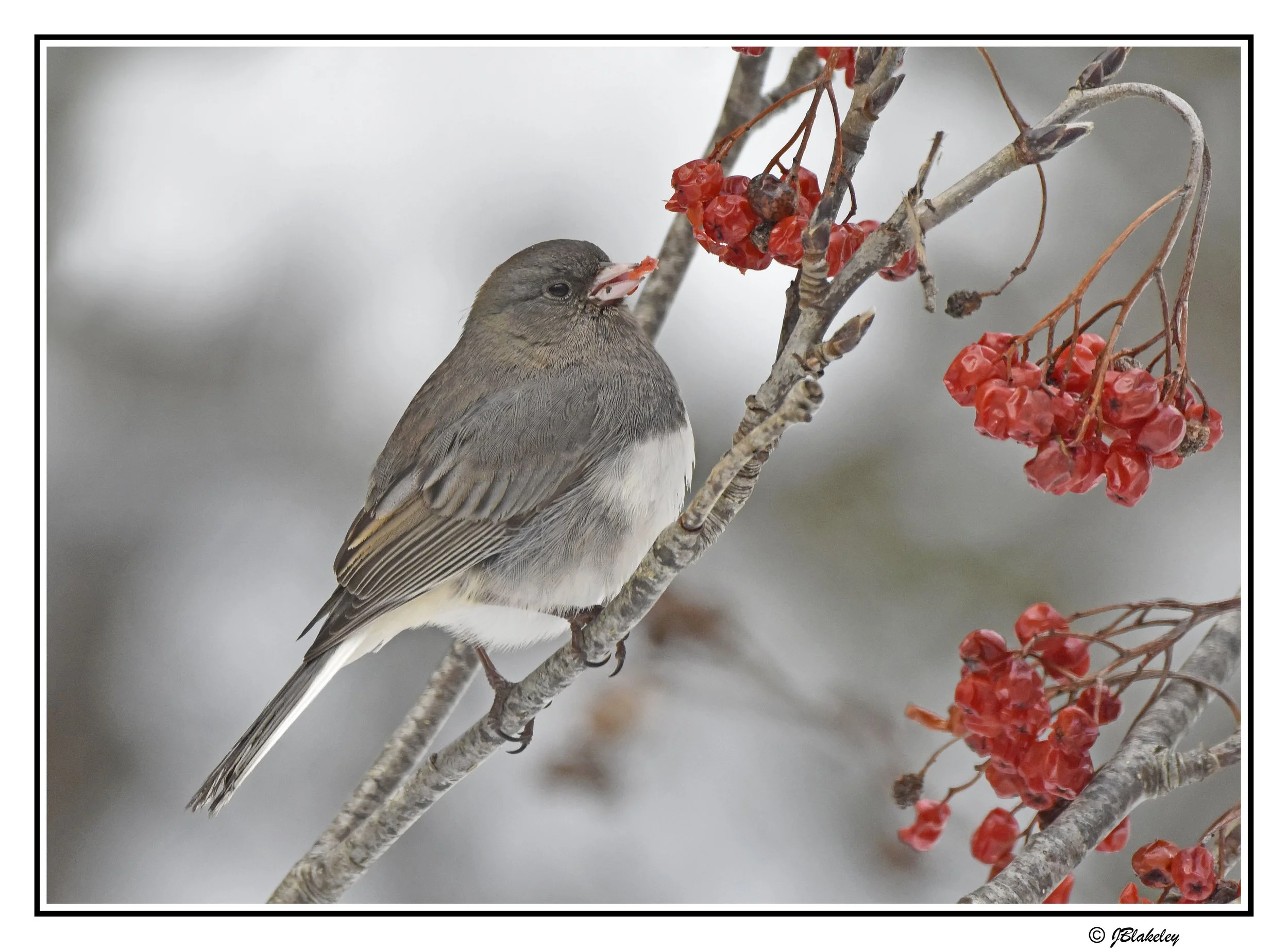
Photo: Cedar Waxwing, Jonathan Nikkila

How Did the Cedar Waxwing Get its Name?

 Jessica Bigger

A flock of Cedar Waxwings, Bombycilla cedrorum, arrived in my backyard recently. The first thing I heard was their high-pitched “see-see-see” call. It was the middle of December and although Cedar Waxwings stay in Virginia year-round, I usually don’t see a flock stop over to forage this late in the year. But I still have berries on my trees and it’s been unusually warm.

Cedar Waxwing, Jonathan Nikkila

Waxwings are very social and tend to travel in large flocks, similar to starlings in size. When they arrive in your neighborhood it’s usually their calls that give them away but they also bob around bushes and trees in search of a variety of different berries. 

Cedar Waxwings are frugivores (fruit eating), but in the summer they will also supplement their diet with insects like mayflies, dragonflies, and stoneflies. They eat a variety of berries, including serviceberry, strawberry, mulberry, dogwood, raspberries, blueberries, mistletoe, madrone, juniper, mountain ash, honeysuckle, crabapple, and hawthorns. They are fun to watch when foraging. They will land on a tree, grab a berry, tip their head back, and swallow the berry whole in one big gulp.

Cedar Waxwings build their nests on the fork of a tree branch anywhere from 3 – 50 feet high. To save time, they will occasionally steal nesting material from other birds. They are one of the few bird species who are not significantly affected by parasitization. However, Brown-headed Cowbirds will lay their eggs in Cedar Waxwing nests but most of the cowbird babies do not survive. Waxwing chicks are fed a fruit-rich diet, which is too much for the cowbird chicks to handle.

Unlike most bird populations that are declining due to loss of habitat and climate change, waxwings seem to be doing quite well. Their population numbers have been increasing, likely due to old fields transitioning into shrublands and forests that provide a variety of fruit-bearing trees and bushes. 

While the Cedar Waxwing itself is quite unique, by far the most interesting thing about it is its name. If you look closely at some waxwings you will see bright red at the tips of their secondary feathers. Those red tips are not feathers, but actually a waxy secretion. In most cases they are a bright red, but occasionally they can be yellow.

So, what is the purpose of these waxy wing tips? David Mehlmen, Director of The Nature Conservancy’s Migratory Bird Program, believes the waxy tips help attract mates. As a bird ages, the number of waxy secretions that appear on the wingtips seems to increase. 

I always look forward to when the waxwings stop over at my neighborhood. The minute I hear that high-pitched whistle, I run for my binoculars. I’m glad we have so many fruit-bearing trees for these birds to feed on. They are always a joy to have around.

Sources:
https://www.allaboutbirds.org/guide/Cedar_Waxwing/overview   

https://blog.nature.org/science/2017/02/27/waxwings-really-have-wax-wings/    

Read More
News Jess Michetti News Jess Michetti

December 2021 Bird of the Month

The Dark-eyed Junco is one of the most widespread species throughout North America, yet the variation in plumage and behavior between regional species is significant.

Photo: Dark-eyed Junco, Judith Blakeley

Dark-eyed Juncos Vary Depending on Where They Live

 Jessica Bigger

The Dark-eyed Junco is one of the most widespread species throughout North America, yet the variation in plumage and behavior between regional species is significant. According to a research paper by Ellen D. Ketterson, presented at the American Society of Naturalists, June 2015 in São Paulo, Brazil, Ketterson identified 8-11 subspecies. Seven of those subspecies display genetic variations. Six of these subspecies are different due to their environment. Some species have a larger range, like the Slate-colored Junco (right in our backyard), who ranges from Alaska all the way to the northeast; while others have a smaller, more localized range, like the White-winged Junco and Gray-headed Junco.

Although genetically, Juncos are quite similar, environmentally each subspecies expresses different plumage and behavior depending on where they live. For example, a recent study, cited in Ketterson’s research paper, “revealed that the plumage differences in two subspecies are literally skin deep, more a function of gene expression than differences in gene sequence.”

Dark-eyed Junco, Judith Blakeley

Dark-eyed Juncos are known as the “snowbird”, because most spend their breeding season up in the mountains and then come down to urban areas in the winter. However, back in the 1980’s birders started noticing flocks foraging on campus at UCLA and other urban areas year-round. Male juncos who are notorious for being aggressive to other male and female juncos- especially during breeding season-became quite docile and were less afraid of humans. The males in this particular subspecies started to sing in a higher octave and some females were building nests up in trees rather than traditionally on the ground. 

Pamela Yeh, Associate Professor of Ecology and Evolutionary Biology at UCLA, who studies juncos on campus wrote an article in All About Birds. She believes the species has been evolving at a rapid pace. They seem to be able to adapt to different environments, which might explain the difference in plumage color and behavior across the species. Even though each subspecies shows differences in plumage, these minor changes happened within the last few thousand years, according to Dr. Borja Mila, from Madrid’s National Museum of Sciences in an interview by the Junco Project. So, in evolutionary terms, these changes happened fairly recently and in a very short amount of time.

Our Slate-colored Juncos have finally returned to our backyards this winter. Knowing that each subspecies behaves differently, take some extra time to see what our feathered friends do differently from other Dark-eyed Juncos across the country.


Sources:

https://www.allaboutbirds.org/guide/Dark-eyed_Junco/overview  

https://www.allaboutbirds.org/news/how-juncos-changed-their-migration-behavior-and-plumage-in-a-matter-of-decades/ 

https://juncoproject.org/view-download/chapter3/index.html  

https://www.journals.uchicago.edu/doi/full/10.1086/709699    

https://onlinelibrary.wiley.com/doi/abs/10.1111/mec.14878


Read More
News Jess Michetti News Jess Michetti

November 2021 Bird of the Month

Surf Scoters (Melanitta perspicillata) are one of the many seabirds we get to see during the winter months here in Northern Virginia. They are easy to spot, especially the males, by their black and white patched heads and bright orange, white and black bills.

Photo: Surf Scoter, Eric Reuter

Winter is Coming When the Surf Scoters and Waterfowl Arrive

 Jessica Bigger

Surf Scoters (Melanitta perspicillata) are one of the many seabirds we get to see during the winter months here in Northern Virginia. They are easy to spot, especially the males, by their black and white patched heads and bright orange, white and black bills. They even have their own nickname, “old skunk-head,” because of the white and black patches on their heads. The female’s plumage on the other hand is not as spectacular as the male’s. Females are brown with two small white patches on their faces.

 For most bird species, males and females court during the breeding season, but not Surf Scoters. They find their mates during the nonbreeding season and then fly together to their breeding grounds when it’s time to mate. During winter, the male will swim back and forth with his head erect, occasionally dipping his bill into the water. As he approaches the female, he will shake his head, preen and gurgle. After the breeding season Surf Scoters fly to a protective location, away from harsh storms and predators, to molt before heading to their wintering grounds. While they are molting, Surf Scoters are unable to fly.

 Surf Scoters can be found on the Pacific and Atlantic coasts, and occasionally inland on lakes and reservoirs where they avoid storms off the coast. While bobbing up and down in the water, Scoters dive down to the bottom to feed on small mollusks, snails, small crabs, sea squirts, hydrozoans, and a variety of marine worms. They even eat sea vegetation on occasion. To protect themselves from the high salinity levels in the ocean, Surf Scoters have glands above their eyes to remove the salt from the oceans and bays they swim in. The salt concentrates in the blood and then is excreted out of their nostrils.

 As with all bird species, climate change will affect the Surf Scoters’ breeding and wintering ranges. According to the National Audubon Society, if the earth’s temperature increases 1.5 degrees Celsius, the Surf Scoter population will lose 10% of its range in the southern and middle regions of Canada. If the temperature increases to 2.0 degrees Celsius, the species will lose 39% of its range. If the temperature reaches 3.0 degrees Celsius (that is if nations around the world do almost nothing to curb greenhouse gases), Scoters will lose 62% of their habitat in Canada.

 At this moment, the Surf Scoter population is stable, but impacts from climate change (harsh weather patterns and rising sea levels) and habitat loss will negatively impact the population. It’s an important reminder for all of us who care about birds to advocate for governments around the world to start shifting away from carbon-based energy to more renewable energy resources, like wind and solar power.

 Sources:

https://www.allaboutbirds.org/guide/Surf_Scoter/overview 

https://www.audubon.org/field-guide/bird/surf-scoter

https://blackhills-audubon.org/bird-of-the-season-surf-scoters/ 

Read More
News Jess Michetti News Jess Michetti

October 2021 Bird of the Month

Seeing a Northern Harrier flying over the Reston Library during fall migration was quite a surprise, especially since there isn’t any spacious grasslands or wetlands nearby. But there is no doubt in my mind that what flew over the library, was a harrier. So, this harrier was likely just passing through.

Photo: Northern Harrier, Gary Zeng/Audubon Photography Awards

Is that an Owl Flying Low Across the Grasslands?

Jessica Bigger

While living in Humboldt County, CA, I would see Northern Harriers (Circus hudsonius) flying low with their “V” shaped wing formation hunting in the Arcata Bottom on a regular basis. Harriers were a common sight there. The Arcata Bottom, with its open grasslands as far as the eye can see, is prime habitat for the Northern Harrier, and other hawks and falcons. They were easy to identify by their obvious white rump and black-tipped wings. 

So, seeing a Northern Harrier flying over the Reston Library during fall migration was quite a surprise, especially since there isn’t any spacious grasslands or wetlands nearby. But there is no doubt in my mind that what flew over the library, was a harrier. So, this harrier was likely just passing through.

Northern Harriers spend their breeding season throughout the Canadian provinces and winter throughout most of the United States, Mexico, and a small portion of Central America. Harriers spend their winters foraging in habitats like deserts, coastal sand dunes, farmlands, grass lands, floodplains, marshes, and estuaries. 

Northern Harrier Female, Timothy Shore/Audubon Photography Awards

Northern Harrier Female, Timothy Shore/Audubon Photography Awards

Hawks and raptors have keen eyesight to zero in on their prey, but the harrier relies more on its hearing than its sight when hunting. Their disc-shaped face – similar to an owl – enables them to use their hearing to locate prey. Harriers usually eat small birds and mammals, but they will occasionally hunt larger prey, like waterfowl and rabbits. Since larger animals are impossible to grab, harriers will attempt to drown them.

Northern Harriers have been found flying around the September 11, 2001 Memorial of Flight 93, in Stoystown, PA, which has been transformed into an ecological hotspot for many birds, as the area surrounding the crash site has transitioned into grassland. “There are now family members who say the most important part of the site to me is that all this nature came back, and it’s very healing to see that,” said John Reynolds during an interview with WESA-FM

As far as conservation goes, Northern Harriers are currently of low concern, but there are states where this bird has been listed as endangered like in northern New Hampshire. Currently Chris Martin, a biologist with the New Hampshire Audubon Society, has been conducting monitoring surveys of Northern Harriers during the breeding season since 2019. Last year in 2020 Martin and his team identified ten breeding pairs that successfully raised nine fledglings. After reaching out to Martin for this year’s monitoring results, he informed me that unfortunately they had fewer successful breeding pairs than last year. They only counted six breeding pairs and 3 fledglings. When I asked Martin in an email what might be the cause for the decline he said, “I suspect several factors involved, including wet weather late (in the season) and reduced early-season survey effort.”

Northern Harrier Male, Gary Zeng/Audubon Photography Awards

Northern Harrier Male, Gary Zeng/Audubon Photography Awards

Climate Change will continue to have a negative effect on the population. As the planet’s temperature increases, the Northern Harrier’s range will continue to push further north into Northern Canada, with estimated range loss of 39% in northern midwestern range, western habitats of the United States, and portions of Canada. Climate Change threatens the Northern Harrier population as it does all bird species. Wildfires will reduce habitat and heat waves will harm nestlings during breeding season, according to the National Audubon Society.


Sources:
https://www.allaboutbirds.org/guide/Northern_Harrier/overview   

https://www.eagletimes.com/features/weekend_magazine/the-outside-story-northern-harrier-a-most-unusual-hawk/article_33cd17b5-cda0-5075-9ad1-941c38489046.html  

https://www.audubon.org/field-guide/bird/northern-harrier 

Read More
News Jess Michetti News Jess Michetti

September Bird of the Month

Roseate Spoonbills (Platalea ajaja) with their brilliant pink plumage, are one of those resplendent birds that attract birders from all over the world.

Photo: Roseate Spoonbill, Dixie Sommers

Will Rare Sightings for Roseate Spoonbills Become a Common Occurrence?

Jessica Bigger

Roseate Spoonbills (Platalea ajaja) with their brilliant pink plumage, are one of those resplendent birds that attract birders from all over the world. Their most unique feature is their quirky, spoon-like bills, which help them search and catch their prey. They would fit right in with the other crazy bird characters Alice discovered in the forest of Wonderland.

Roseate Spoonbill, Dixie Sommers

Roseate Spoonbill, Dixie Sommers

Usually, you have to go down as far as southern Florida or Texas to catch a glimpse of these amazing birds – they can also be seen down in Mexico, Central and South America, but this year Northern Virginia birders flocked to Huntley Meadows for a rare opportunity to see these birds. The first confirmed sighting was on June 26. Since then, Roseate Spoonbills have also been seen at Hunting Creek Bridge near Alexandria, on the edge of the Anacostia River and even at Kenilworth Aquatic Gardens. They were still in our region at the end of August.

Roseate Spoonbills hang out on the water’s edge moving their spoon-shaped bills back and forth searching for crustaceans and aquatic invertebrates. Unlike egrets and herons, who bend over to reach their prey, spoonbills keep their football-shaped bodies horizontal when swishing back and forth for food. These shorebirds forage in marshes, estuaries, and fresh water ponds, lakes and rivers. Watch one of our visiting spoonbills foraging at Huntley Meadows in Dixie Sommer’s video here.

Just like flamingos, spoonbills get their pink plumage from the crustaceans and aquatic invertebrates they eat which have carotenoids that turn their feathers pink. Juveniles tend to be lighter pink than adults.

Like Black-crowned Night-Herons, Roseate Spoonbills stick together. You’ll tend to find them roosting in mangroves, cypress and even willow trees, making grunting calls when they are startled. 

 Surprisingly, Roseate Spoonbills are not born with a spoon-shaped bill. The chicks have similar bills to other heron and egret chicks. A Roseate Spoonbill chick’s bill starts to flatten out nine days after it’s born. In 16 days, the bill starts to resemble a spoon.

Roseate Spoonbills are a species of concern in Florida and Louisiana. According to National Audubon Society, climate change can create numerous threats to the population: spring heatwaves can harm nestlings, heavy rain can flood nests and prevent adults from feeding their chicks, and as sea levels rise, more coastal habitat will be consumed by rising waters. Dan Rauch, a wildlife biologist with the D.C. Department of Energy and Environment, who was interviewed by NPR believes that we will continue to see an earlier hurricane season caused by climate change, which may be pushing spoonbills further north. The Roseate Spoonbills we’ve seen may have been blown off course when Hurricane Elsa barreled through in June.

Climate change isn’t the only threat. Last winter, the Environmental Protection Agency handed Florida the responsibility to award permits for development in the wetlands. Even though this shift of responsibility helps streamline the permitting process, many environmentalists believe that this change is a green light for significant development in wetland areas, which would be detrimental to all wildlife that rely on the wetlands for shelter and food.

Here is a video of a Roseate Spoonbill foraging at Huntley Meadows, taken by Dixie Sommers.


Sources:

https://www.allaboutbirds.org/guide/Roseate_Spoonbill/id  

https://www.audubon.org/field-guide/bird/roseate-spoonbill  

https://www.audubon.org/news/in-floridas-plan-take-over-wetland-permits-critics-see-gift-developers 

https://ebird.org/alert/summary?sid=SN35719  

http://www.connectionnewspapers.com/news/2021/aug/01/rarely-seen-spoonbills-draw-fans-huntley-meadows-p/  

https://www.npr.org/local/305/2021/08/05/1025115128/tropical-pink-bird-spotted-in-d-c-for-the-first-time-it-s-not-a-flamingo 

https://abcbirds.org/bird/roseate-spoonbill/

Read More
News Jess Michetti News Jess Michetti

July-August Bird of the Month

With more than 1100 song variations – some believe that number can be closer to 3000 – the Brown Thrasher (Toxostoma rufum) has one of the largest song repertoires of all songbirds. It even beats out the Northern Mockingbird, which can sing up to 200 different songs.

Photo: Brown Thrasher, Peter Waksmundzki/Audubon Photography Awards

It’s Easier to Distinguish a Brown Thrasher from a Northern Mockingbird Than You Think

Jessica Bigger

With more than 1100 song variations – some believe that number can be closer to 3000 – the Brown Thrasher (Toxostoma rufum) has one of the largest song repertoires of all songbirds. It even beats out the Northern Mockingbird, which can sing up to 200 different songs. Although their songs can be difficult to distinguish from a Northern Mockingbird’s, the easiest way to tell the two birds apart is to listen to their song phrases. Thrashers only repeat their phrases twice, while mockingbirds repeat their phrases three or more times.

Thrashers also sing with gusto, yet some birders do not understand their singing ability. Cornell mentioned on All About Birds that, “One early naturalist thought the Brown Thrasher’s song was underappreciated, writing “Much of the [acclaim] which has fallen to the Mockingbird is really due to the unperceived efforts of the Brown Thrasher. It is the opinion of many ornithologists that the song… is richer, fuller, and definitely more melodious than that of polyglottis’ (the Northern Mockingbird).

You may be able to hear thrashers in the spring, but they are quite elusive. They nest in thickets, hedgerows and forest edges, but males will fly up to higher branches in trees to sing. You might get a glimpse of them when they come down to forage in the leaf litter, chattering away while searching for food. If you spot one it might give you a scathing look, with its curved bill (frown) and its glaring yellow eyes.

Brown Thrasher, Peter Waksmundzki/Audubon Photography Awards

Brown Thrasher, Peter Waksmundzki/Audubon Photography Awards

In Gillian Field’s article in the Herald Times, she wrote about creating habitat to attract a variety of songbirds. Fields had an infestation of vinca minor in her yard. So, she rolled up her sleeves and ripped out every last vine. She replaced the vines with a thick layer of leaves and laid several sticks on top to prevent the leaves from blowing away. To her surprise-two days later-a Brown Thrasher came bopping around her leaf litter, happily chattering away while searching for food.

Some passerines, including the Brown Thrasher, will shed feathers on the underside of their body – known as an “incubation patch.” With their skin feathers free, these birds are able to use their body heat to keep their eggs warm. Feathers would impede this process. Both female and male Brown Thrashers have this patch during the breeding season, as they both share nesting duties.

Thrashers eat both insects and seeds. They also eat fruits, nuts and arthropods. Interestingly, they love acorns. They grab these large nuts in their bill and whack them on the ground to crack the nuts into more manageable pieces.

Brown Thrashers live year-round in the southeastern part of the U.S., but we are blessed to see them in spring and summer as they migrate to Northern Virginia and other eastern states to breed. Although considered a bird of low concern on All About Birds, the Brown Thrasher is considered a vulnerable species according to the National Audubon Society. 

Climate change is shifting the Brown Thrasher’s range further north. They are common in Georgia – they are the state bird – but as temperatures rise, the environment is becoming unsuitable for this mimicking species. They’re not the only birds feeling the effects of climate change. 

As the earth continues to warm, most of the Brown Thrasher’s current habitat in the U.S., both breeding and nonbreeding, will be lost. The species will be forced to move farther up into Canada. Spring heat waves and heavy rains (which can flood their nests) can endanger nestlings. They are also quite susceptible to nesting parasites, like the Brown Cowbird.

However, there is still hope. Reducing global temperatures, even now, would greatly reduce the chances of a major decline in all bird populations.

Read More
News Jess Michetti News Jess Michetti

June Bird of the Month

One of most impressive songbirds to pass through Northern Virginia during migration is the Bobolink, Dolichonyx oryzivorus.

Photo: Bobolinks, Ruhikanta Meetei/Audubon Photography Awards

The Chatty Bobolink Reaches Northern Virginia

Jessica Bigger

One of most impressive songbirds to pass through Northern Virginia during migration is the Bobolink, Dolichonyx oryzivorus. I actually had an opportunity to learn more about this bird during the “Birding by Ear” class I attended in May, hosted by the Audubon Society of Northern Virginia. The Bobolink was the last bird we covered, by far one of our instructor’s favorite birds. So, it was fitting that he ended the three series course with the Bobolink. With its bubbly, metallic, garrulous song, composed of 25-50 notes in one phrase and lasting around 3.5 seconds, this bird is quite magnificent. Not only does the Bobolink have an elaborate song, but during the breeding season, males will sing while hovering like helicopters in the sky.

Bobolinks, Ruhikanta Meetei/Audubon Photography Awards

Bobolinks, Ruhikanta Meetei/Audubon Photography Awards

The American Bird Association included a quote from Ferdinand Schuyler Mathews from The Field Book of Wild Birds and Their Music: “The Bobolink is indeed a great singer, but the latter part of his song is a species of musical fireworks….it is a mad, reckless, song-fantasia, an outbreak of pent-up, irrepressible glee. The difficulty in either describing or putting upon paper such music is unsurmountable. One can follow the singer through the first few whistled bars and then, figuratively speaking he lets down the bars and stampedes. I have never been able to ‘sort out’ the tones as they passed at this break-neck speed.”

The Bobolink gets its name from its diet. Bobolink literally means “rice eating.” Its diet consists of weed seeds, insect larvae, adult insects, and spiders. Yet, during migration and winter, Bobolinks generally stick to eating wild and domesticated rice, oats, other small grains, corn, tassels, and seeds from a variety of weeds. They focus more on insects during the breeding season, providing much needed protein to their clutch.

The breeding range covers southern Canada through the northern United States. The Bobolink is one of the longer distant migrants traveling more than 12,000 miles round trip. One Bobolink will travel a distance equal to 4 times the circumference of the earth in its lifetime. 

Before heading all the way down to their wintering grounds, Bobolinks will stop over at freshwater marshlands and coastal wetlands in North America to molt before continuing their arduous journey back to South America. According to the Partners in Flight management document published in 2019, A Full Life Cycle Conservation Plan for Bobolink, these songbirds will stage in the Llanos grasslands of Venezuela and eastern Colombia for several weeks before continuing to their wintering grounds (grasslands and wetlands) in Bolivia, Paraguay, and Argentina. They will return along the same route back to North America for the breeding season.

Bobolinks are a species of concern. Although there is a still a large population, the population has declined more than 65% between 1966 and 2015. According to Partners in Flight, the population will likely continue to decline by 30% in the next twenty years. Many factors have contributed to the Bobolink’s decline. In South America, they are considered pests and are shot on site and they are also captured and sold as pets. However, the biggest contributor has been habitat loss and conflicting mowing schedules in North America during the breeding season.

To combat this problem, bird conservation organizations have been working with local governments, communities, and farmers to improve breeding habitat. The Bobolink Project, based in New England, encourages farmers to shape their fields in an oval pattern for the following reason: “Edge habitats (including tree lines that cut into fields) can expose grassland birds to a variety of predators, so grassland birds tend to avoid long and narrow, or convoluted fields.” The organization also provides participating farmers with economic assistance to adjust their mowing and harvesting schedules during the Bobolink breeding season.

By the time this article comes out, the Bobolinks in Northern Virginia might be well on their way to their breeding grounds. If you missed them this year, you will have a chance to spot them this fall, and definitely next spring to enjoy their colorful songs, metallic calls, beautiful plumage, and magnificent flight patterns.


Sources:

https://www.allaboutbirds.org/guide/Bobolink/overview   

https://www.bobolinkproject.com   

https://partnersinflight.org/wp-content/uploads/2019/07/A-Full-Life-Cycle-Conservation-Plan-for-Bobolink.pdf  

https://www.aba.org/bobolink-conservation/   


Read More
News Jess Michetti News Jess Michetti

May Bird of the Month

Because of Mike Bishop and many other bird advocates across the country, the Purple Martin’s population is stable and of low conservation concern.

Photo: Purple Martins, John James Audubon

Purple Martins Thrive in Northern Virginia with a Little Help from Their Neighbors

Jessica Bigger

Mike Bishop grew up on a beautiful large piece of property in Spotsylvania, Virginia. During his childhood, Bishop and his father would put up nest houses for bluebirds and monitor the nests each year. After successfully attracting bluebirds to his family’s land, Bishop decided to put up a Purple Martin (Progne subis) house to see what would happen. After a year or two several Purple Martins had taken up residence. “We got three colonies,” said Bishop. 

Plate 22, Purple Martin.JJ Audubon.jpg

Today, Bishop and a group of volunteers monitor around 22 Purple Martin houses throughout Northern Virginia. After retiring, Bishop decided to get back into building special nest boxes for Purple Martins that reduce infestation by starlings and sparrows; an improved design from J.L. Wade’s aluminum version, which was quite prone to starling and sparrow infestation. 

He built his first Purple Martin nest box in one of Westfield High School’s athletic fields. It took three years to attract Purple Martins to that location but now Westfield High School has three established colonies. Bishop founded the Northern Virginia Purple Martin Initiative in 2015 to increase and strengthen the Purple Martin population in the area. The organization not only builds and monitors nest boxes for Purple Martins, but volunteers also build houses for other cavity-nesting species, including woodpeckers, Chimney Swifts, Great Crested Flycatchers, the Tufted Titmouse, chickadees, wrens, Eastern Bluebirds and Tree Swallows. 

Because of Bishop and many other bird advocates across the country, the Purple Martin’s population is stable and of low conservation concern. Purple Martins nest in open fields, usually near a water source. Since most of their habitat provides little nesting opportunity, this species has always depended on human assistance. People have been providing homes for Purple Martins for centuries, beginning with Native Americans, who used to build nest cavities out of gourds. They created a symbiotic relationship with the birds. In exchange for providing nesting habitat for the Purple Martins, the birds would warn the Native Americans of owls and hawks hunting nearby. 

Purple Martins not only warn residents about birds of prey, they also keep the insect population at bay, which protects their gardens and makes relaxing outside a bit more enjoyable.

Purple Martins are social species. They love hanging out near people, and enjoy visiting other colonies nearby. Reston National Golf Course has a nest box near Links Pond that houses one colony of five birds. Reston resident and Fairfax County Coordinator for the Virginia Bluebird Society's nest box monitoring program, Helaine Krob, lives on the golf course and monitors the nests.“ Yesterday, we saw 12 of them up in the air flying around together. Swooping and chatting and calling. So, there is a visiting colony and after they hang out, they head home. Our colony visits another colony in the evening, and around 8:30 pm they will all return to the apt house,” explained Krob.

There are a variety of insects Purple Martins will forage for: beetles, flies, dragonflies, damselflies, leafhoppers, grasshoppers, crickets, butterflies, moths, wasps, bees, caddisflies, spiders, cicadas, termites and mayflies. They will also hunt for insects at a much higher altitude than swallows. To help them digest the insect exoskeletons, Purple Martins will eat small amounts of gravel. Some nest watchers leave crushed eggshells, which also aids in digestion.

In Northern Virginia, Purple Martins generally arrive at the end of March. Each pair raises one brood per breeding season. Last year the Reston National Golf Course Colony raised three young. At the end of August, they make the 3000-mile journey down to the Amazon Basin in South America to overwinter, and then make the 3000-mile trip back to North America the following breeding season. 

If you want to get involved in citizen science visit the Northern Virginia Purple Martin Initiative Facebook Page or the Purple Martin Conservation Association.


Sources:

https://www.youtube.com/watch?v=NDLu-aaVIjY&t=634s

https://www.allaboutbirds.org/guide/Purple_Martin/overview   


Read More
News Jess Michetti News Jess Michetti

April Bird of the Month

When you start hearing Eastern Phoebes (Sayornis phoebe) singing, it’s a sure sign that spring is finally here in Northern Virginia.

Photo: Eastern Phoebe, Andrea Hedblom/Audubon Photography Awards

Who’s That Bird Singing its Own Name?

Jessica Bigger

When you start hearing Eastern Phoebes (Sayornis phoebe) singing, it’s a sure sign that spring is finally here in Northern Virginia. These little brown and yellowish-white passerines are one of the few birds that sing their own name. So, if you hear that raspy two-part song “fee-bee,” start searching for this little tail-wagger perching on low tree branches.

Eastern Phoebe, Andrea Hedblom/Audubon Photography Awards

Eastern Phoebe, Andrea Hedblom/Audubon Photography Awards

The Eastern Phoebe’s tail-wag is its signature calling card. Eastern Phoebes will perch on a low branch, bobbing their tail up and down. When it’s time to catch their prey, they move at lightning speed, snatch up their meal, and then fly right back to the same perch.

Like all flycatchers, Eastern Phoebe’s have a small thin bill perfectly designed to catch insects. They spend their time in open woods, yards, parks, and forest edges and nest under eaves of houses, barns, under bridges and also in caves. They tend to come back to the same nest year after year. However, sometimes a barn swallow will take up residence. As they are a solitary species, females will usually chase the male away after she has laid her clutch.

Yet, there is another flycatcher many birders will get confused with the Eastern Phoebe; that songbird is the Eastern Wood-Peewee. Not only are their names similar, but so is their song. So how do you tell them apart? In most cases you will hear a peewee, but rarely see it. They hang out in leafy forests. Phoebes on the other hand, will nest close to people, under the eaves of houses, barns and under bridges. The Eastern Phoebe has a raspier song and ends on a lower note, while the Eastern Wood-Peewee (Contopus virens) has a cleaner song which ends on higher note.

The Eastern Phoebe was the first bird species John James Audubon banded on his property in Mill Grove, Pennsylvania in 1803. He originally referred to the bird as the Eastern Peewee Flycatcher.

While Audubon and his then future wife, Lucy Bakewell were observing a couple of Eastern Phoebe’s nesting in a nearby cave, he declared his love to her. You could say that Audubon can thank the Eastern Phoebe for bringing him and Bakewell together.

After observing the physical change in the Phoebe’s eggs Audubon speculated about the egg’s structure and he wrote, “I believe, reader, that eggs soon lose this peculiar transparency after being laid―that to me the sight was more pleasant than if I had met with a diamond of the same size. The knowledge that in an enclosure so frail, life already existed, and that ere many weeks would elapse, a weak, delicate, and helpless creature, but perfect in all its parts, would burst the shell, and immediately call for the most tender care and attention of its anxious parents, filled my mind with as much wonder as when, looking toward the heavens, I searched, alas in vain, for the true import of all that I saw,” as described on the New York Historical Society website


Sources:

https://audubon.nyhistory.org/eastern-phoebe-sayornis-phoebe-bird-banding/   

https://www.audubon.org/news/is-phoebe-or-pewee-calling   

https://www.allaboutbirds.org/guide/Eastern_Phoebe/id   


Read More
News Jess Michetti News Jess Michetti

March Bird of the Month

A huge swath of Pine Siskins (Spinus pinus) has overtaken states across the U.S. this past fall through winter in search of food. This is by far the biggest irruption year ever recorded.
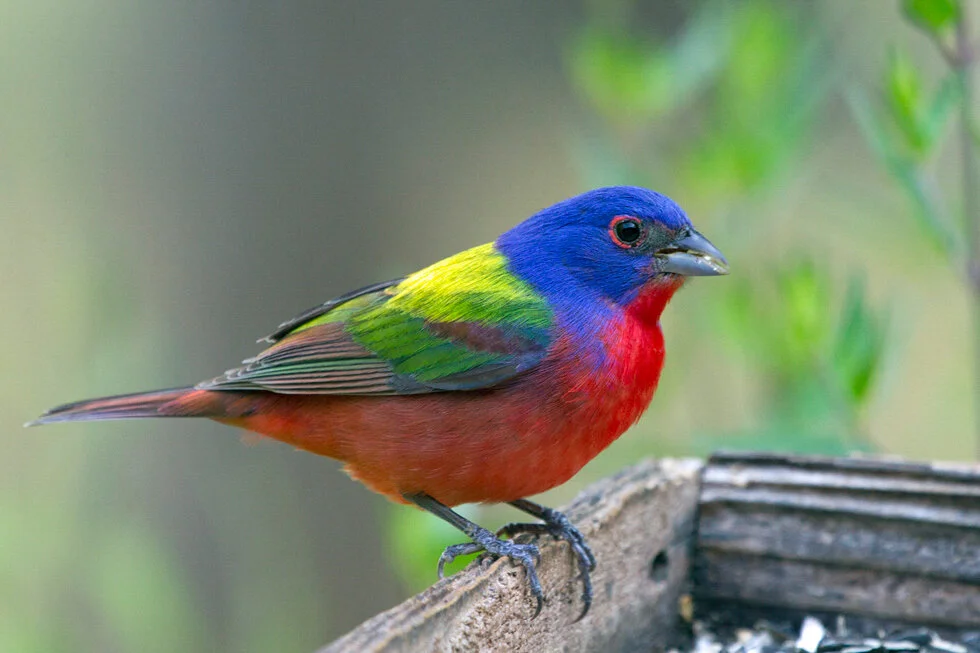
Photo: Pine Siskins, Judith Roan/Audubon Photography Awards

Pine Siskins Irruption in Northern Virginia

Jessica Bigger

A huge swath of Pine Siskins (Spinus pinus) has overtaken states across the U.S. this past fall through winter in search of food. This is by far the biggest irruption year ever recorded. Pine Siskins are abundant in Canada, less so in the U.S. Yet, sometimes a large population will move farther south in search of food when there are food shortages. This year, there have been fewer conifer seeds available in the boreal forest forcing Pine Siskins to fly south for food. Due to this irruption year, birders in Maryland and DC have enjoyed seeing huge flocks of Pine Siskins fluttering and chattering about.

Pine Siskins are small birds, similar in size to goldfinches, but have brown streaks with a dab of yellow on their wings. They also have a raspier song and call. They do tend to hang out in flocks while foraging for seeds. You will likely hear a flock before seeing them as they are constantly chatting, while foraging.

They prefer open conifer forests searching for pine cone seeds, but you will also find them fluttering about in deciduous forests, thickets and meadows. You’ll usually see them on the tips of conifer branches, occasionally hanging upside-down like chickadees rather than foraging on the ground. They are also big feeder birds in the winter preferring smaller seeds, like thistle and oil sunflower seeds. There has been a recent breakout of Salmonellosis in the local area, likely caused by contaminated bird feeders. So, local experts have advised people to pull down their feeders and disinfect them before rehanging them. 

In the winter, flocks of Pine Siskins tend to be aggressive when competing for food. Some fearless ones will even hang out closer to larger birds at feeders eating the remaining seeds left behind. 

These little guys are also more tolerant of extreme cold weather than other birds. They can survive in temperatures as low as minus 70 degrees Celsius. How do they do this? By increasing their metabolism to stay warm.

At this time the population is quite stable, but like most birds, Pine Siskin populations are still at risk due to habitat loss and salmonellosis outbreaks from contaminated feeders. Since they are attracted to minerals and salt, often found on roads, they are more likely to be hit by a car than other passerine species. Some experts have hypothesized that replanting conifer forests would make up for lost habitat. Climate change is also a concern. Like most birds, scientists predict as the Earth’s temperature increases, the population will shift farther north in Canada.

Sources:

https://www.allaboutbirds.org/guide/Pine_Siskin/overview  

https://www.audubon.org/field-guide/bird/pine-siskin     

https://www.audubon.org/news/-pine-siskin-finch-irruption-fall-2020 

https://ebird.org/atlasmddc/news/november-2020-bird-of-the-month-pine-siskin 


Read More
News Jess Michetti News Jess Michetti

February Bird of the Month

In the early weeks of January, a Painted Bunting (Passerina ciris) was spotted in the brushy grasses and rocks off the Tow Road of the C & O Canal National Historic Park, between locks 18 and 19.

Photo: Painted Bunting, Larry Smith/Audubon Photography Awards

A Kaleidoscope of Colors: Rare Painted Bunting Attracts Birders to C & O Canal National Historic Park in Maryland

Jessica Bigger

Painted Bunting, Larry Smith/Audubon Photography Awards

Painted Bunting, Larry Smith/Audubon Photography Awards

In the early weeks of January, a Painted Bunting (Passerina ciris) was spotted in the brushy grasses and rocks off the towpath of the C & O Canal National Historic Park, between locks 18 and 19. Birders recorded the sighting on eBird and word spread like wildfire throughout social media sites. On Saturday, January 16th more than 1000 people visited the park, and the following day over 100 people returned in hopes of catching a glimpse of our little visitor. 

It’s always exciting to seek out rare birds reported by local birders. So, it’s important to follow birding guidelines to respect and ensure the safety of any bird you hope to see or photograph. Remember to stay on designated trails and not approach any birds to ensure you don’t cause them unnecessary stress. 

A Painted Bunting is a rare treat in these parts, because it winters in Southern Mexico, throughout Central America, and the Caribbean, as well as the Southern tip of Florida. During their breeding season they spend their time in the coastal southeastern and south-central United States. So, to see one so far north, especially during the winter season, is remarkable. 

Painted Buntings are well known for their bright multicolored plumage. The French refer to this bird as nonpareil, meaning “unrivalled”. Even its song is just as magnificent as its plumage. The Painted Bunting has a similar cadence to many warblers. They are so intriguing, that many are caught illegally in Mexico and the Caribbean to be sold as pets.

During the spring and summer months, Painted Buntings hop around in dense understory and brush on the edge of forests. Although you would assume their brilliant colors would make them easy to spot, the brushy vegetation provides them good cover. During the winter season people who live within the species’ winter range can attract Painted Buntings by putting up a bird feeder. They regularly visit feeders to supplement their diet over the winter months.

In addition to searching out bird feeders for seeds, Painted Buntings will also forage for other seeds from bristle grass, pigweed, wood sorrel, spurge, panic grass, St. John’s wort, sedge, dock, pine, rose, wheat and figs. In summer months they become more carnivorous, seeking out grasshoppers, weevils and other beetles, caterpillars, spiders, snails, wasps and flies.

Although Painted Buntings are still abundant throughout the southern United States, Mexico and Central America, scientists and bird advocates are concerned about the effects of climate change and habitat loss to the population. 

Recently the National Audubon Society wrote an article about the negative effects of climate change and highlighted a recent study published in the journal Ecological Applications. National Audubon researchers were able to show how climate change has contributed to a major shift in winter and breeding ranges among a large number of bird species. “Climate change is disrupting hundreds of bird species, and thanks to community scientists all across the country, we can visualize these disruptions in real time and plan conservation efforts accordingly,” said Sarah Saunders, PhD, quantitative ecologist at Audubon and lead author of the study, the article quoted.

Twice a year, in the spring and winter, citizen scientists across the country focus on 12 indicator species to help ornithologists get a better picture on the effects of climate change on bird populations across all species. These birds include: White-breasted Nuthatch, Red-breasted Nuthatch, Brown-headed Nuthatch, Pygmy Nuthatch, Western Bluebird, Mountain Bluebird, Eastern Bluebird, Lesser Goldfinch, American Goldfinch, Eastern Towhee, Spotted Towhee and Painted Buntings.  

The hope is by following the shifts in the population, scientists can use the data to come up with conservation efforts to combat the effects of climate change on a growing number of bird species at risk of extinction.


Sources:

https://www.washingtonpost.com/dc-md-va/2021/01/03/painted-bunting-great-falls-bird-watchers/ 

https://www.allaboutbirds.org/guide/Painted_Bunting/overview  

https://www.audubon.org/field-guide/bird/painted-bunting  


Read More
News Jess Michetti News Jess Michetti

January Bird of the Month

In December, local birders spotted a Clapper Rail (Rallus crepitans) sleuthing in the marsh at Huntley Meadows Park. Rarely does this bird end up in Virginia, especially inland.

Photo: Clapper Rail, Shayna Marchese/Audubon Photography Awards

A Rare Sighting: Clapper Rail Spotted in Northern Virginia

By Jessica Bigger

In December, local birders spotted a Clapper Rail (Rallus crepitans) sleuthing in the marsh at Huntley Meadows Park. They recorded the sighting on eBird. Rarely does this bird end up in Virginia, especially inland. But sometimes birds get blown in by tropical storms, or just get lost and end up in the wrong place. This past summer several Clapper Rails were blown in by tropical storms. In Mississippi, over 1000 Clapper Rails ended up on the sandy beaches after Tropical Storm Cristobal blew over. In Roanoke, Virginia, a Clapper Rail was found injured by a car. How did this bird end up in Roanoke? Wildlife rescuers believe Hurricane Laura was the culprit.

Clapper Rail, Shayna Marchese/Audubon Photography Awards

Clapper Rail, Shayna Marchese/Audubon Photography Awards

According to All About Birds, Clapper Rails breed on the coasts of Connecticut, Rhode Island and Massachusetts. The birds tend to spend their winters down in Central America and the Caribbean. However, they seem to be showing up more often on the coasts of Mississippi, Alabama and even North Carolina during the summer.

These elusive birds are rarely seen, but often heard. A Clapper Rail’s distinct and raucous chock, chock, chock call, which can last for 20 to 25 notes, can help a birder zero in on its location. However, you might be able to spot one at dawn or dusk if you have a keen eye, a good ear and plenty of patience. These birds tend to hide in tall grasses in salt marshes or in vegetation in mangrove swamps. They rarely fly, and keep their tail and head up as they walk in an irregular pattern. If threatened, they may run, continuing to hold up their head and tail.

Clapper Rails eat almost anything, but they prefer crabs and crayfish. They also have salt glands that enable them to ingest salt water.

During their breeding season, mom and dad raise their chicks together. If there is a predator nearby, one of them will pretend to have a broken wing to distract and lure the predator away from the nest.

Currently, the Clapper Rail is listed as a bird of moderate concern, according to the North American Waterbird Conservation Plan. However, it is very difficult to know how many Clapper Rails there are, because they are so elusive. Populations are at risk of pollution and habitat loss due to development and storms which can destroy marshlands. 

Wildlife ecologists are currently studying how marsh birds adapt to tropical storms and hurricanes along the coasts of Alabama and Mississippi. They are using the Clapper Rail as one of the species in their study. To figure out the population size in the area, scientists will play pre-recorded calls and then zero in on the birds that call back. 

Clapper Rails are considered to be an indicator species for scientists to assess the health of the surrounding coastal environment. During a tropical storm, birds move up to higher areas of the marsh to ride out the storm. Within a year or two after a storm, ecologists have found that the Clapper Rail population tends to recover, which shows how resilient these birds are.


Sources:

https://www.allaboutbirds.org/guide/Clapper_Rail/id# 

https://www.ncwildlife.org/Portals/0/Learning/documents/Profiles/clapperrail091411.pdf

https://www.wlox.com/2020/06/09/marsh-birds-blown-by-cristobal-out-place-beach/  

https://theconversation.com/scientists-at-work-sloshing-through-marshes-to-see-how-birds-survive-hurricanes-146067  

https://wset.com/news/local/roanoke-wildlife-center-rescues-bird-likely-blown-in-by-hurricane-laura  


Read More
News Jess Michetti News Jess Michetti

December Bird of the Month

Now that it’s starting to get cold here in Virginia, Ruddy Ducks have come back to winter in our freshwater wetlands, lakes and reservoirs.
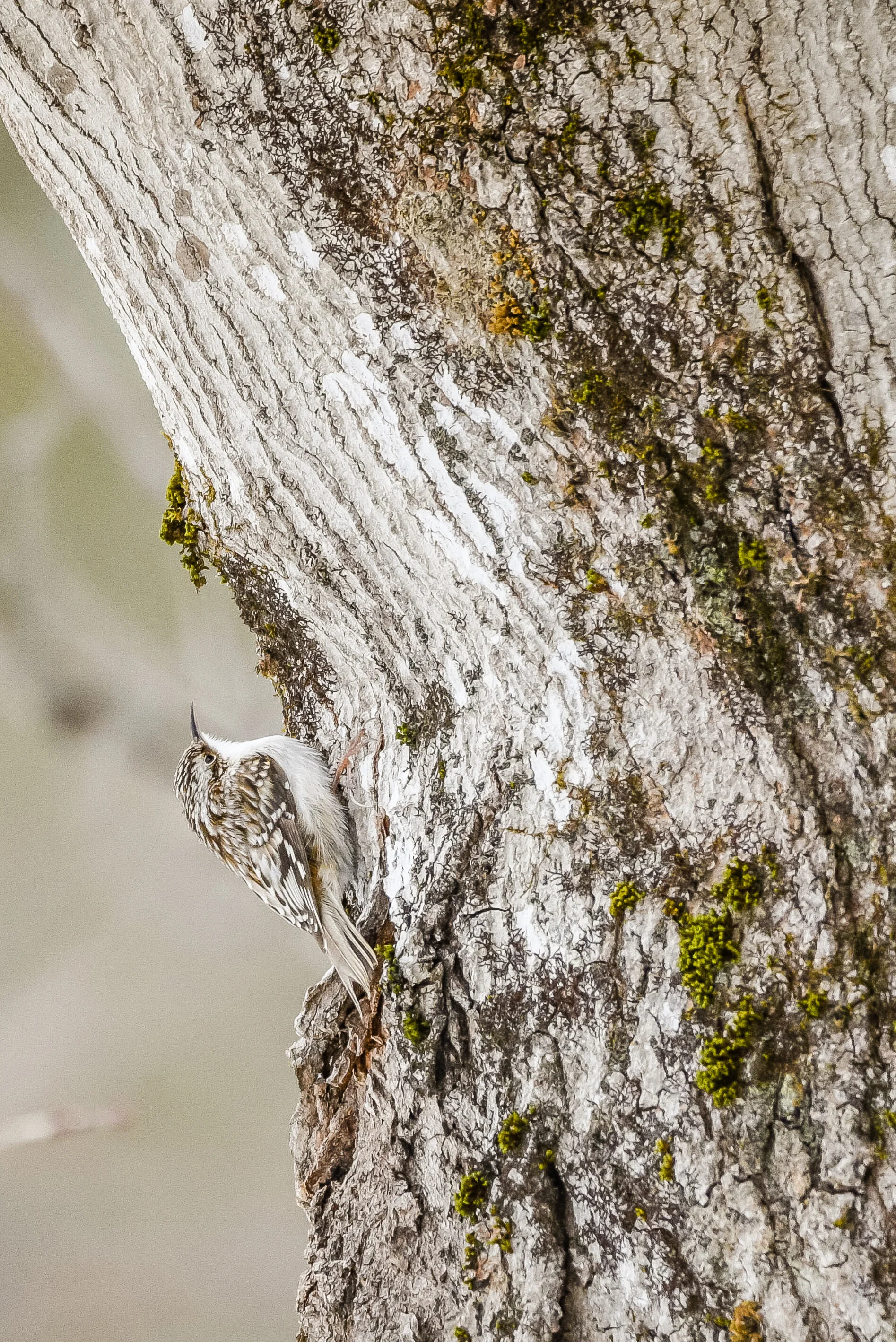
Photo: Ruddy Duck, Joseph Mahoney/Audubon Photography Awards

The Blue-billed Ruddy Duck Has Arrived in Northern Virginia

By Jessica Bigger

Towards the tail end of the Pleistocene-“Ice Age”-Woolly Mammoths, Saber- Toothed Tigers, Mastodons, and other megafauna began to die off; while many ducks, geese, and birds of prey began to flourish, including the Ruddy Duck (Oxyura jamaicensis). The oldest fossil on record is 11,000 years old. Archeologists have discovered Ruddy Duck fossils in Oregon, California, Florida, Illinois and even in Virginia.

With its striking sky-blue bill, thick neck, large white cheek patch, and signature straight tail, you would think this remarkable duck came straight out of a cartoon. The Ruddy Duck’s cartoonish appearance makes it stand out in the field. 

Even though Ruddy Ducks are quite fast, they’re clumsy fliers and are forced to dive to escape predators like the Red Fox, Red-tailed Hawk and Racoon. It takes a lot of effort for these stocky birds to gain lift. They must continually paddle their feet, while flapping their wings repeatedly to get airborne. It is almost impossible for these ducks to fly from land, making them sitting ducks for predators-no pun intended.

During the breeding season, females lay one of the largest eggs in relation to body size among other duck species. Males also become quite aggressive toward each other and other birds. Yet, they also get harassed by some birds like Horned Grebes, Pied-billed Grebes and American Coots. Grebes will sometimes attack Ruddy Ducks from under water, called “submarining.” So, needless to say, what goes around comes around.

Now that it’s starting to get cold here in Virginia, Ruddy Ducks have come back to winter in our freshwater wetlands, lakes and reservoirs. Near the coast they spent their time in brackish bays, coastal marshes and tidal estuaries. During the breeding season Ruddy Ducks tend to prefer a variety of insects, but in the winter, they’re mostly vegetarians. Their winter range is quite extensive, starting on the east coast and moving to the west coast. As the weather gets warmer and spring arrives, they move north to Canada to breed.

Although the population is currently stable, Audubon scientists predict that as the earth’s temperature increases the bird’s range will shift north to Canada. Populations in Mexico and in the southern U.S. will cease to exist. The biggest threats to this bird due to climate change are fires and spring heat waves which can harm nestlings.

The federal government and organizations like Ducks Unlimited have made efforts to improve waterfowl habitat. President Franklin D. Roosevelt signed the Duck Stamp Act in 1934. Duck Hunters and many birders purchase a duck stamp each year which has contributed over $1.1 million dollars towards conservation efforts covering 6 million acres of waterfowl habitat. Jennifer Miller’s artist’s rendition of the Ruddy Duck was chosen for the 2015-2016 duck stamp.

Read More
News Jess Michetti News Jess Michetti

November Bird of the Month

The Brown Creeper gets its name from its foraging behavior. It generally feeds on the trunks of mature evergreen and deciduous trees, especially trees with deep furrowed bark.

Photo: Brown Creeper, Donna Keller/Great Backyard Bird Count

Brown Creeper, the Tiny Tree Hugger

By Jessica Bigger

The first time I was introduced to the Brown Creeper (Certhia americana) was in my Ornithology class at Humboldt State University and it was love at first sight. However, to this day, I have not been lucky enough to spot one out in the field. But it’s no surprise, these cryptic little guys are well camouflaged by the bark they forage on. 

The Brown Creeper gets its name from its foraging behavior. It generally feeds on the trunks of mature evergreen and deciduous trees, especially trees with deep furrowed bark. This little guy starts at the bottom of the tree and works its way up in a spiral formation until it reaches the top. Then it flutters back down to the bottom of the next tree to spiral its way back up again. Just one spider can give a Brown Creeper enough energy to climb 200 feet without needing to take a break. Unlike nuthatches, who can move up and down a tree, the Brown Creeper only moves in one direction – up.

Plumage is the creeper’s best defense; enabling it to blend into tree bark when there is a predator approaching. It will then spread its wings and flatten its body to the trunk, frozen in place until the threat has passed.

Here in Northern Virginia our tiny feathered friends arrive in late fall or early winter and stay through early spring. They are widespread across the continental United States in winter and in some areas year-round. Brown Creepers usually inhabit mature forests, but in winter you might also see or hear them in local parks and suburbs. Because they blend so well into their surroundings, it’s best to keep your ears peeled for their delicate call, “seet, seet, seet.” Brown Creeper males sing during the breeding season and migration. 

Although the Brown Creeper’s status (9 million) is stable throughout North America, their population is declining due to habitat loss, fragmentation, climate change and window collisions. But climate change seems to be their major threat. Audubon scientists have developed climate models that predict a shift in the Brown Creeper’s range in the future due to an increase in temperature. Already the species’ distribution throughout southern Canada has decreased by 57%. And the population is moving farther north, responding to temperature shifts. Another major threat to this species is spring heat waves, which can harm nestlings. In the west, wildlife managers use Brown Creepers as an indicator species to study how logging affects bird populations in the area.

So, this winter keep your ears tuned and eyes peeled for our little cryptic friends. As naturalist W.M. Tyler wrote in 1948, “The Brown Creeper, as he hitches along the bole of a tree, looks like a fragment of detached bark that is defying the law of gravitation by moving upward over the trunk, and as he flies off to another tree, he resembles a little dry leaf blown about by the wind.”

https://www.audubon.org/field-guide/bird/brown-creeper
https://www.allaboutbirds.org/guide/Brown_Creeper/overview
https://abcbirds.org/bird/brown-creeper/ 

Read More
News Jess Michetti News Jess Michetti

October Bird of the Month

One bird in particular, the male House Finch, can range in color from yellow to bright red based on the food he eats.

Photo: House Finch, Philip Sonier

Mr. House Finch You Are What You Eat

By Jessica Biggers

Years ago, I remember sitting in a boat on an estuary in the Celestun Biosphere in Mexico, completely mesmerized by the vast flock of American Flamingos feeding on shrimp on the salt flats. They were magnificent, and the first thing I thought when I saw them, was how different they looked from the pink flamingos at the zoo. These wild flamingos displayed more of an orangish pink hue; due to the type of shrimp they consumed. 

To see this amazing act of nature in flamingoes, you must visit Mexico, Central American, South America or the Caribbean. But you can also witness this effect on plumage color closer to home. One bird in particular, the male House Finch, can range in color from yellow to bright red based on the food he eats. The fruits these males consume contain carotenoids, which directly contribute to how yellow or red their feathers become. Most male House Finches show off their red head, rump and headband, but if you look closely, some have a more orange or even yellowish hue. So, as the saying goes, “You are what you eat,” at least when it comes to the color of one’s plumage. 

Eastern House Finches eat a variety of seeds and fruits, including mustard seeds, knotweed, thistle, mulberry, poison oak and more. They also forage in orchards eating cherries, apricots, peaches, pears, plums, strawberries and blackberries. Bird feeders provide an additional supply of food, specifically black oil sunflower, millet, milo and some colorful dried fruits as well. The redder the fruit – the redder the bird.

Since female House Finches tend to select males that are bright red, research has shown that some males tend to be selective in the fruit and seeds that they eat. In a study back in 2009, researchers offered male House Finches different colored sunflower seeds. These males had a choice between green, yellow, orange and red colored seeds. Males tended to avoid yellow-dyed sunflower seeds and preferred the red and green ones. Males who are not as picky about what they eat may find it difficult to attract and court a female during breeding season.

Even though many male House Finches will prefer fruits that are red, sometimes there isn’t enough to go around. So, they eat what they can get. This may explain why in some areas there may be more yellow or orange-colored House Finches bopping around.

Surprisingly, there are many other local bird species whose color and brightness comes from the carotenoids they get from eating a variety of fruits and seeds. These include Northern Cardinals, American Goldfinches and yellow-hued warblers. However, unlike the House Finch, most of the fruits and seeds these guys consume may affect how dull or bright their plumage is rather than displaying a different shade of color.

Read more from our Bird of the Month series here.

Sources:

https://academy.allaboutbirds.org/how-birds-make-colorful-feathers/ 

https://www.allaboutbirds.org/guide/House_Finch/lifehistory 

Read More
Jess Michetti Jess Michetti

September Bird of the Month

When you hear “ka-ka-ka-ka-ka-kow-kow-kowlp-kowlp-kowlp-kowlpor a mellow “cu, cu, cu, cu” call in the distance it might be a sign of rain. Cuckoos are known for their weather forecasting abilities.

Photo: Yellow-billed Cuckoo, Kelly Colganazar

Bird of the Month: Fall Migration Brings Cuckoos to Virginia

By Jessica Biggers

When you hear “ka-ka-ka-ka-ka-kow-kow-kowlp-kowlp-kowlp-kowlpor a mellow “cu, cu, cu, cu” call in the distance it might be a sign of rain. Because of the Yellow-billed Cuckoo’s (Coccyzus americanus) and the Black-billed Cuckoo’s (Coccyzus erythropthalmus) weather forecasting abilities, they are commonly known as the “rain crow.” As a rain storm is blowing in, our little friends are giving us a heads up to run for cover. These elusive birds are rarely seen but heard, and their song and call can carry quite a distance. They are also long-distance migrants flying silently to their destination.

Sometimes Yellow-billed and Black-billed Cuckoos get a bad rap, being compared to their close cousin the Common Cuckoo from Eurasia. The Common Cuckoo is a brood parasite whose call is mimicked by a cuckoo clock’s chime. Although, Yellow-billed and Black-billed Cuckoos will occasionally lay their eggs in other birds’ nest, it is not a common occurrence. In most cases, if they do, they will lay their eggs in other cuckoo’s nests.

Even though both Yellow-billed and Black-billed Cuckoos can lay up to two broods, they tend to only raise one and don’t lay their eggs all at once, but asynchronously. Youngsters, when threatened, will make a display similar to a bittern, where they stretch their necks, with their heads looking straight up into the sky; standing like a statue.

Yellow-billed Cuckoos (YBCU) and Black-billed Cuckoos (BBCU) migrate through Virginia in the spring. But Black-billed Cuckoos breed farther north from Virginia while Yellow-billed Cuckoos have a more expansive breeding territory. In seasons when there is an abundance of caterpillars and cicadas, you’ll tend to hear and see more of them. YBCU’s have a preference for tent caterpillars, gypsy moths and cicadas, while BBCU munch on caterpillars of the spiny variety, shedding their stomach lining to remove the spines and coughing those spines up into owl-like pellets.

While our eastern Yellow-billed Cuckoo’s population is stable, the western population is struggling due to habitat loss. They inhabit woodlands, thick brush, marshes and abandoned farmland. Black-billed Cuckoos live more in woodlands and thickets.

This year, I’ve seen a ton of spiny and tent caterpillars, more than in past years. Plus, we’ve had a lot of rain. So, there is a good chance we’ll hear more of these elusive birds during fall migration as they head down to Mexico and Central American for the winter.

Sources:

https://web.stanford.edu/group/stanfordbirds/text/essays/Brood_Parasitism.html

https://www.audubon.org/birds-of-america/yellow-billed-cuckoo

Read More