NVBA NEWS BLOG
Welcome to the blog for Northern Virginia Bird Alliance, a wealth of resources about northern Virginia birds, wildlife, habitat conservation and restoration, native plants, wildlife-friendly gardening, advocacy and more.
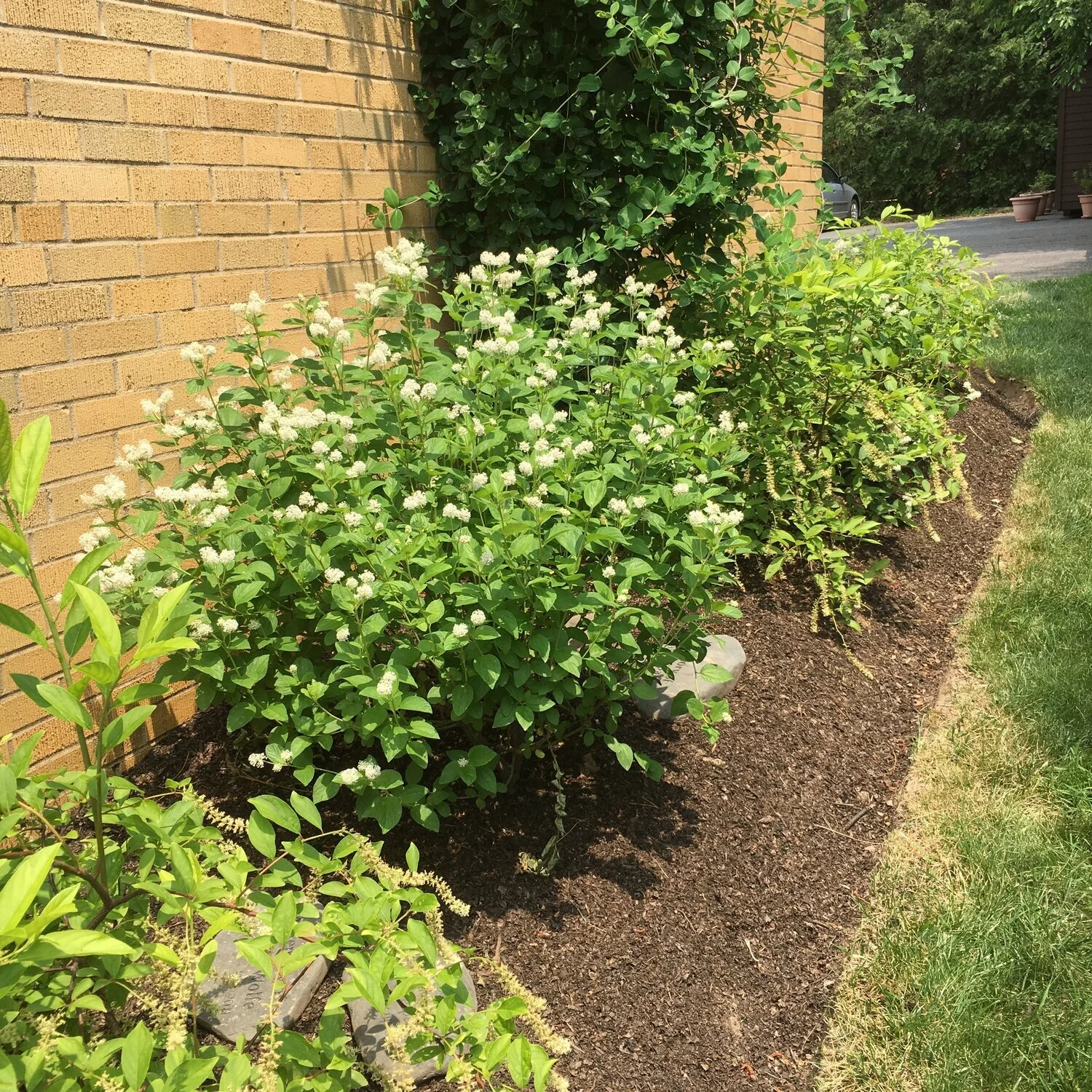
Dominion Grants to Beautify Neighborhood Entrances with Native Plants
Audubon at Home partnered with Plant NOVA Natives to invite homeowners’ and civic associations to apply for funds to beautify their neighborhood entrances using low maintenance native plants.
Photo: Margaret Fisher
Audubon at Home partnered with Plant NOVA Natives to invite homeowners’ and civic associations to apply for funds to beautify their neighborhood entrances using low maintenance native plants. The mini-grant program was funded by Dominion Energy Charitable Foundation’s Environmental Education and Stewardship Grants Program.
AAH and Plant NOVA Natives received applications from 35 community associations and made their decisions based on the number of residents, ability to communicate with those residents, and the visibility of their new plantings. Six matching grants of $2,350 apiece were awarded to Auburn Village Condo in Arlington, Park Glen Heights HOA in Annandale, Civic Association of Hollin Hills in Alexandria, Water’s Edge at Fair Lakes HOA in Fairfax, Cascades Community Association in Loudoun, and Dominion Valley Owner’s Association in Prince William.
Congratulations to the winners! We look forward to working with you to design a low-maintenance, wildlife-friendly, and beautifully landscaped entrance planting. Completed installations will receive a high-quality sign that says, “Native plants support birds and other wildlife.”
The funds will go toward costs of a landscape designer to create a design and recommend native plants; purchasing and installing the plants; and removal of any invasive plants such as English ivy, Japanese Barberry, Periwinkle, etc. Each community is responsible for matching funds and/or sweat equity to cover the remaining costs. Additionally, the communities are expected to conduct educational outreach with their residents on the habitat value of native plants, and commit to maintaining the plantings for five years.
We were heartened by the number of neighborhood associations responding to our invitation to apply for funds to support their entrance beautification projects. And, we hope those who did not win a mini-grant will continue their efforts by inviting an Audubon at Home Ambassador to visit the site and provide advice on suitable, low maintenance native plantings. Residents of Arlington/Alexandria, Fairfax, Fauquier, Loudoun, Prince William, and Rappahannock counties may submit a consultation request here.
Audubon at Home Certifies 87-acre property
Audubon at Home resumed in-person visits to homes with masks and safe social distancing on July 1 and interest came roaring back. Since then AAH has had 63 requests with 47 visits reported. The most notable property to be certified is the JK Black Oak Wildlife Sanctuary.
Audubon at Home resumed in-person visits to homes with masks and safe social distancing on July 1 and interest came roaring back. Since then AAH has had 63 requests with 47 visits reported. The most notable property to be certified is the JK Black Oak Wildlife Sanctuary, an 87-acre property in Loudoun County near Lucketts which has been placed under a conservation easement by owner and Audubon at Home partner, Loudoun Wildlife Conservancy.
Biologists from the Virginia Department of Conservation’s Natural Heritage program determined the property was a globally rare wetland, with 14 vernal pools that support large and rare amphibian populations, mature forest, meadow and grassland within a unique geologic setting in an area of Karst limestone overlay. Challenges include non-native invasive plants such as autumn olive and missing understory due to deer grazing. Loudoun Wildlife Conservancy is working in partnership with The Nature Conservancy and Loudoun Soil and Water Conservation District to develop a management plan for the property.
LWC Executive Director Michael Myers said, “LWC is proud to steward this globally rare wetland and we are glad the property is now permanently protected from future development through a conservation easement. The Audubon at Home Wildlife Sanctuary certification is a very welcome recognition of the significance of this property.”
Maybe you don’t have 87 acres of globally rare wetland habitat, but Audubon at Home is always eager to work with you to improve the wildlife value of your yard, HOA or other property, no matter how small. Even a patch of a few dozen square feet can help support wildlife. Fall is a great time to plan and plant. To request a free visit from an Audubon at Home Ambassador who can advise on native plantings and other habitat improvements, visit us here.
Leave the Leaves
Here’s a habitat tip for fall: Leave the leaves! Did you know that many beneficial insects overwinter in leaf litter? And that many birds forage for their meals in leaf litter, such as the beautiful winter visitor, the Hermit Thrush? Leaf litter decays into rich humus that enriches the soil and supports a rich web of life. So, don’t bag up those leaves in plastic bags and set them out at the curb—leave the leaves on the ground.
For more advice on enhancing the habitat in your own backyard, check out our website.
In photo, from left: Anne Owen, LWC Audubon Program Coordinator for Loudoun County, Sheila Ferguson, LWC volunteer and native plant guru, Betsy Martin, ASNV Board member and AAH Program Co-Director, and Michael Myer, LWC Executive Director- all temporarily mask less for the photo. Photo by Mike Sciotino, LWC Black Oak Committee member.
AAH Still Providing Information About How To Create Wildlife Habitat
Although Audubon at Home has discontinued client visits, we encourage you to consult with us about how to create wildlife habitat.
Photo: Butterfly garden, Elaine Mills
Although Audubon at Home has discontinued client visits, we encourage you to consult with us about how to create wildlife habitat.
If you are already working with an AAH ambassador, please consult via phone or email. If you are not yet working with an ambassador, please send questions to us at aah@audubonva.org.
You may still request a visit here. We will schedule it when we are able to conduct visits again. Meanwhile, check out the Audubon at Home pages on the Audubon Society of Northern Virginia website.
Certified Sanctuary Map
Audubon at Home encourages you to check out our new interactive map on our Certified Wildlife Sanctuaries webpage.
Click the icons in the upper right of map to see additional layers of information that include Audubon Christmas Bird Count Circles and the U.S. Geological Service Protected Areas Database.
AAH heartily thanks volunteer Adam Jenkins for his work developing this page.