NVBA NEWS BLOG
Welcome to the blog for Northern Virginia Bird Alliance, a wealth of resources about northern Virginia birds, wildlife, habitat conservation and restoration, native plants, wildlife-friendly gardening, advocacy and more.
ASNV’s Trip to Cape May, New Jersey
On the weekend of October 7-8, 24 birders traveled with ASNV to Cape May, New Jersey, a prime spot for birders, for an adventure witnessing fall migration.
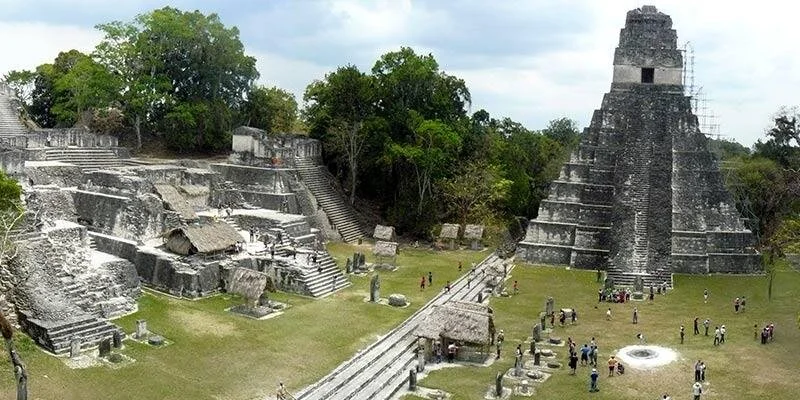
Photo: Sanderling, Ron Grimes
Andreana Lin
On the weekend of October 7-8, 24 birders traveled with ASNV to Cape May, New Jersey, a prime spot for birders, for an adventure witnessing fall migration. Board member and George Mason University Professor Tom Wood, Adult Education Committee member Larry Meade, and Northern Virginia Community College Professor Herlitz Davis led the trip.
Cape May is one of the best places in North America to witness fall migration. It is a world-renowned destination, and birders flock here to witness a natural history phenomenon of ancient origin. The first half of October is a good time to see a variety of species accumulate on the southern end of this New Jersey coastal peninsula, preparing to cross the Delaware Bay on their journey south. Hawks, passerines, shorebirds, and waterfowl all make the journey, and, under the right weather conditions, can be seen in abundance.
ASNV birders watching migrating birds from the hawkwatch platform, Andreana Lin.
Our group traveled together in vans from Fairfax to the ferry terminal in Lewes, Delaware, where the adventure began. We were able to sharpen our gull identification skills from the wharf and on the ferry as we crossed the Delaware Bay to Cape May. Upon landing in Cape May, we drove a short way to the Cape May Hawkwatch. The watch platform was full of birders, and together we observed Peregrine Falcons, Merlins, Sharp-shinned and Cooper’s Hawks, Bald Eagles, American Kestrels, White Ibises, and much, much more streaming south. We also walked the local trails and observed huge flocks of staging Tree Swallows fueling up on bayberries for their strenuous flight ahead. As happens most years, there was a displaced Eurasian Wigeon among a mixed group of waterfowl.
A tagged monarch butterfly ready for release, Scott Ableman
A public demonstration at the hawkwatch pavilion gave us the chance to observe New Jersey Audubon releasing tagged monarch butterflies as part of its Monarch Monitoring Project.
At the end of this successful day of observing nature at its best, we made a stop at the Cape May Bird Observatory Northwood Center, a must-stop-shop for birders and wildlife lovers alike with a wide variety of scopes, binocular accessories, bird feeders, pollinator hotels, field wear, and nature-themed books.
Inside the Northwood Center, Tom Wood
Bordering the North Atlantic Ocean, the Avalon Seawatch is famous for its spectacular migratory bird count, averaging nearly 800,000 seabirds each year. Photo: Andreana Lin
Day 2 of the trip brought us to the Avalon Seawatch bright and early in the morning. We walked around the beach to the official Seawatch observatory, spotting Laughing Gulls, Caspian Terns, Brown Pelicans, Double-crested Cormorants, a Parasitic Jaegar, Forster’s Terns, Green-winged Teal, and Semipalmated Sandpipers. Conspicuously late this year, we did not see any Surf or Black Scoters that are often counted in the thousands per day mid-October.
Dolphin calf swimming with its mother. Photo: Austin & Haocong Ren.
The Avalon Seawatch also is a good location for watching dolphins, and we were treated to the sight of a bottlenose dolphin with her calf.
Our morning on the beach passed quickly, and soon it was time to leave. We brushed the sand off our boots and headed back to Cape May. Back at the hawkwatch, we saw more Sharp-shinned and Cooper's Hawks and observed raptor banding at the pavilion.
The Nature Conservancy’s pollinator garden, Andreana Lin
Our final stop before returning home was at South Cape May Meadows. This was a special stop because of the tremendous conservation value of the land The Nature Conservancy has preserved. Its conservation projects there include stopover banding for passerines in the fall. This banding station provides data demonstrating the importance of intact natural habitat where birds can rest and refuel during migration. Skilled banders gave us a close look as they gently released Common Yellowthroats and a female Indigo Bunting caught toward the end of the day’s banding session.
After the songbird banding demonstration, we explored one of the meadow’s trails, adding a few more species to the record for our trip. You can see the complete list of sightings for the trip here.
Judy Gallagher, ASNV board member and regular contributor to the Potomac Flier, said it best: “The joy you get from discovering something new—that's the best part about trips like this.”
ASNV Cape May trip participants
Belize and Guatemala | Neotropical Birds and Mayan Ruins
Audubon Society of Northern Virginia invites you for an international birding opportunity in Belize and Guatemala.
Photo: Tikal, Rodrigo Campos
January 12, 2022 – January 19, 2022
Registration due: October 29
Audubon Society of Northern Virginia invites you for an international birding opportunity in Belize and Guatemala. Participants will be seeking out resident and migratory birds as well as other wildlife in this culturally rich area. Click here for additional information on the trip itinerary, pricing, travel info and other resources. If you have questions, contact Gerry Abbott.
Boat-billed Heron, Bernard Dupont
ASNV Birding Trip to Colombia
In January, thirteen ASNV participants traveled to Colombia for a birdwatching tour. Gerry Abbott, chairman of the ASNV adult education committee, worked with Holbrook Travel for travel and tour arrangements. The successful trip oversold immediately.
Photo: Birding in Colombia, Aubrey Nolan
By Lisa Mackem
In January, thirteen ASNV participants traveled to Colombia for a birdwatching tour. Gerry Abbott, chairman of the ASNV adult education committee, worked with Holbrook Travel for travel and tour arrangements. The successful trip oversold immediately.
Local resident Bill Burton described the first lodge where the group stayed as rustic and charming, “like a bungalow.” On their first morning the group got up before sunrise and saw a “breathtaking” diversity of birds – “just one after another,” said Bill. As the group stood in the yard, Bill estimated that they saw about 50 different species of birds.
The group’s next location was Tinamou Lodge, which is owned and operated by a couple in Arlington, VA and located outside of the industrial city of Manizales. From there, they made two excursions per day toward the Indian foothills and saw about 30 different hummingbird species – “one species per minute,” said Bill, adding that they also saw 20 different varieties of brightly-colored tanagers. Other key sightings for Bill included the Torrent duck, which sits in rapids, and Antpitta, which is heard often, but rarely seen.
The sight of the Andean Condor – the world’s largest bird and Colombia’s national bird – was the highlight for both Bill and Gerry. This bird lives at high elevations in the Andes, and usually flies solo.
Colombia has about 1900 bird species – the most of any country. It also reports 170 species of hummingbirds. In comparison, the American east coast has only one native hummingbird species. Consequently, Colombia is an excellent place for citizen science documentation, and is in high demand for birding trips. The ASNV group made daily entries in eBird and everyone who wanted to include the sightings in their individual eBird accounts did so. Collectively they saw 260 bird species and some interesting mammals, such as howler monkeys, sloths and a river otter swimming upstream.
Birding in Colombia, Aubrey Nolan
Both Bill and Gerry commented on the friendliness of locals, who Bill noted were also enjoying the outdoors. The tour group asked their guides about sustainable development and were happy to see the Colombians’ conservation efforts.
Gerry plans to coordinate another ASNV international birding trip next year. He especially enjoys travel to warm destinations during the winter and is considering Ecuador or another Andean location. In the meantime, he recommends the ASNV adult education programs, where people have many opportunities to learn about birds and contribute to citizen science.
Reflections on Hog Island Audubon Camp
Spending six days on Hog Island, Maine was one of the most meaningful, educational experiences I have ever had. From the moment we stepped off the boat from the mainland, we were immersed in a rich environment of natural wonder, forming new relationships, and inspired by the passion and knowledge of the camp staff and our fellow educators who arrived from all over the country.
Sharing Nature: An Educator’s Week
By Kirk Treakle, ASNV 2019 Hog Island Scholarship Winner
Spending six days on Hog Island, Maine was one of the most meaningful, educational experiences I have ever had. From the moment we stepped off the boat from the mainland, we were immersed in a rich environment of natural wonder, forming new relationships, and inspired by the passion and knowledge of the camp staff and our fellow educators who arrived from all over the country.
Hog Island Coastline, Kirk Treakle
The week was full of highlights, big and small. Here are few:
Being challenged by the hands-on “Mystery of the Day” where we had to figure out something about the natural world by using available resources. It was fascinating to learn that black feathers contained more melanin, causing them to be hardier, and thus found on the outer wings of many sea birds whose feathers can take a beating when they sometimes touch the surface while flying over the water.
Exploring tide pools and pond life allowing us to live the kinds of experiences we hope to share with our students and along the way, anticipating pitfalls and learning a bagful of simple tricks to involve every child and expose them to the best outdoor nature experiences available to us.
Getting to witness, first hand, the results of decades of work by Audubon’s Project Puffin, a part of the Seabird Restoration Program, which has successfully re-introduced Atlantic Puffins to Egg Island where they once lived. The island is now thriving with puffins and Common Terns, which are still studied by scientists who live in tents near the birds during breeding season.
Discovering the geologic history of another island by walking its rocky coast with a geologist. Decades ago, fishermen who stained the island rocks with tar while waterproofing their nets, added a human element to the story told thousands of years ago in boulders deposited by glaciers, and even earlier by the twisted layers of schist and cross-cutting igneous intrusions created millions of years ago.
Sitting on moss-covered rocks under the shade of tall trees, the sounds of nature flooded our senses as we took a mindfulness break during a day-long hike around Hog Island.
Being a part of a group in an atmosphere that was purposefully created to be inclusive of all types of people.
Hearing the repeated message by camp staff that we all can and are making a difference in conserving nature, one student and one action at a time, and gaining so many new tools with which to successfully make those differences.
Educator’s Week on Hog Island was a celebration of the natural world, giving us strategies, tips, and ideas to inspire a sense of wonder with the youth we have the privilege to guide along the path.
I am so grateful to the Audubon Society of Northern Virginia for sponsoring me for this transformative adventure.
Are you an educator who would like to experience Audubon Camp on Hog Island? Information on this year’s scholarship program can be found here.
Puffin Desserts on Hog Island, Kirk Treakle