NVBA NEWS BLOG

Welcome to the blog for Northern Virginia Bird Alliance, a wealth of resources about northern Virginia birds, wildlife, habitat conservation and restoration, native plants, wildlife-friendly gardening, advocacy and more.

News Jess Michetti News Jess Michetti

Helping the Lovely Wood Thrush

One of the most anticipated sounds of spring in northern Virginia is the exquisite song of the returning Wood Thrush.
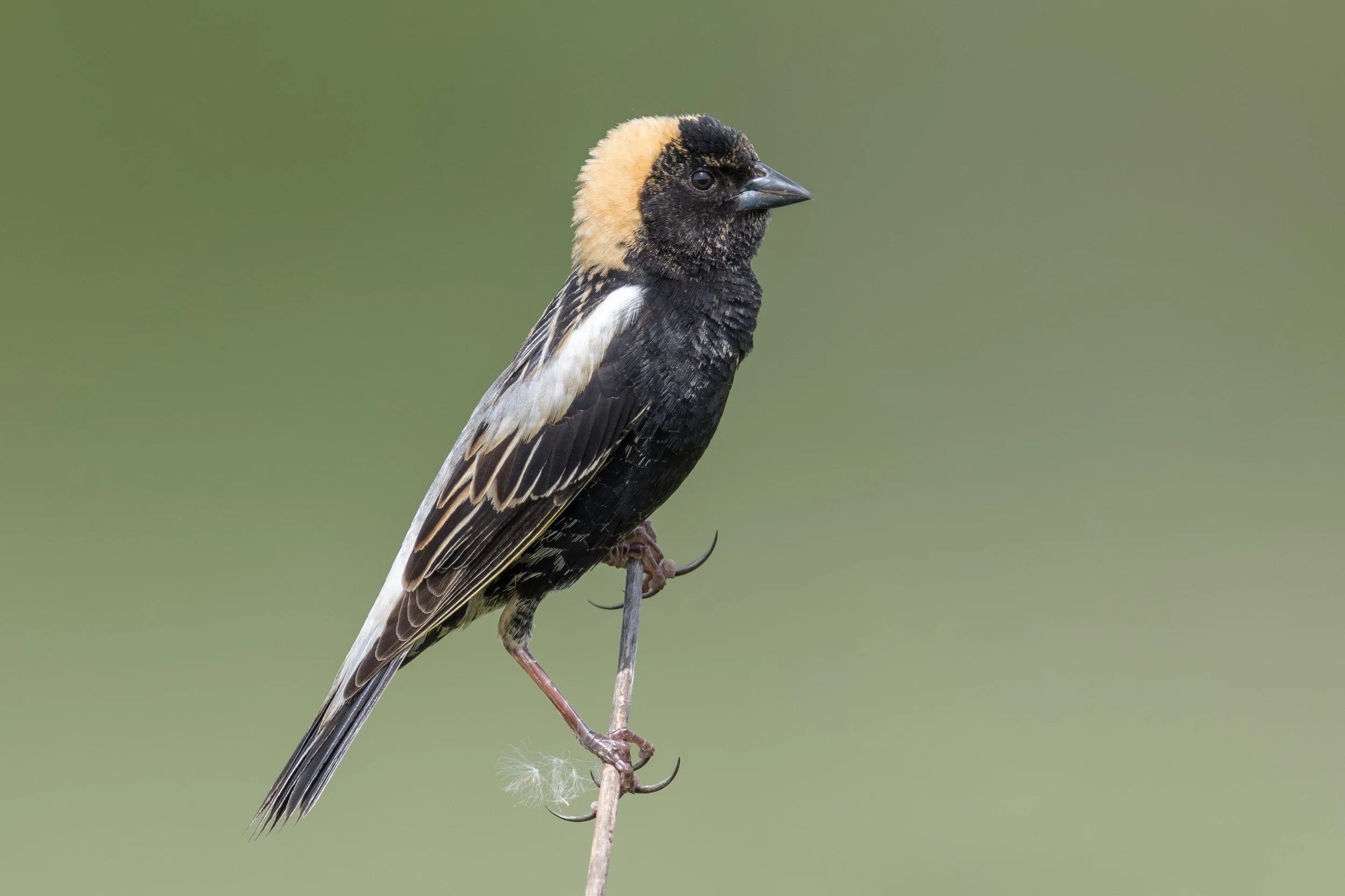
Photo: Wood Thrush, Linnet Tse/Audubon Photography Awards

Evelyn Novins

One of the most anticipated sounds of spring in northern Virginia is the exquisite song of the returning Wood Thrush. Unfortunately, this small, migratory songbird has been added to the list of birds at a tipping point by the North American Bird Conservation Initiative in its 2022 State of the Birds report. The report identifies 70 species of birds that have lost two-thirds of their population over the last 50 years and are projected to lose 50% of their population over the next 50 years. These birds are deemed at a “tipping point” for extinction. Without consequential intervention they are likely to become threatened, endangered or extinct. So, we have work to do if we are to continue to hear the lovely Wood Thrush in our area.

Wood Thrush, Lance Leonhardt/Audubon Photography Awards

Recognizing the Wood Thrush

But first, if you are not yet familiar with this lovely singer, a little introduction.

Click here to listen to the beautiful song of the Wood Thrush.

The Wood Thrush, Hylocichla mustelina, can be mistaken easily for a number of other brown thrushes, or even Ovenbirds. But close examination shows a reddish-brown head, back, and wings and a well-rounded white belly spotted with black dots, characteristics that help distinguish it from other brown thrushes. In addition, the Wood Thrush has a bold, white eye-ring and pinkish legs! As a thrush, it has the stance of our familiar American Robin and the mesmerizing song of a thrush. The male can actually sing pairs of notes together, the pit-pit-pit call before roosting, as well as nearly 50 other songs.

The Wood Thrush’s nest is built by the female in a young tree or shrub. It is similar to a robin’s nest with a layer of mud set into a cup-shaped nest. The outside is made of dead grasses and maybe even some cloth, cellophane or paper. The male helps with feeding the young, giving the female time to start another nest and brood. Nearly half of mated pairs raise two broods.

How You Can Help

The primary cause of the decline in population is loss of habitat and habitat fragmentation, both in its breeding grounds (which include northern Virginia), and in Central and South America where it spends the winter. So, helping requires preserving habitat both here and on the birds’ wintering ground. 

The Wood Thrush prefers mixed forests where there are large trees with a well-shaded understory and abundant leaves where the bird can forage for insects. While many of our northern Virginia parks provide more fractured habitat, the bird does breed in some wooded suburban areas. It feeds on many insects, including ants, crickets, moths, beetles, and spiders as well as snails and snail shells. Snail shell is particularly necessary for the breeding female. Reports indicate that declining calcium in the shells due to acid rain (which leeches the necessary calcium) may also contribute to the decline of the Wood Thrush population. 

Not all of the threats are easy to address on a local level, but there are some actions we can take. Minimizing pesticide use at our homes reduces the overall loss of insect life that the thrushes need to survive in our wooded parklands. Educating our neighbors about the need for effective deer management to prevent loss of forest understory that Wood Thrushes need for foraging is also important. And, while acid rain is a problem not easily addressed at the local level, we can continue to advocate for sensible energy policies that reduce acid rain.

We also can help the Wood Thrush on its wintering grounds by supporting certain agricultural choices. The birds’ wintering grounds in Central and South America suffer from habitat loss just like our northern forests. The tropical rainforests in Central America have been compromised by extreme habitat loss as forests are replaced by agricultural landscapes. But some growers are helping. Shade-grown coffee and hardwood plantations offer good habitat that can substitute for tropical rainforest. Studies are showing that these environments can provide sufficient fuel to build the fat reserves necessary for these birds to migrate back here to breed. 

We can support the farmers of shade-grown coffee by purchasing their products. Their agricultural choice increases habitats for migratory birds such as the Wood Thrush as well as many other songbirds. To ensure that the coffee you buy helps songbirds, make sure that the brand meets the criteria set by the Smithsonian Institute, which operates a certification program to identify which coffee growers provide these beneficial environments. You can buy certified bird-friendly coffee from National Audubon or visit the Smithsonian Institute website to find other vendors who offer a plentiful variety of blends and roasts. 

Where to Find Wood Thrush

This is the perfect month to hear and spot Wood Thrush returning from their winter home. The participants in the Monday morning bird walk run by the Friends of Huntley Meadows Park have already heard the thrush’s lovely song. Other local sites where you can hear or see them include Elizabeth Hartwell Mason Neck National Wildlife Refuge, Pohick Bay Regional Park, and Mason Neck State Park.

I’m going out to take a look!

Read More
News Jess Michetti News Jess Michetti

State of the Birds 2022

The 2022 State of the Birds report gives us concern but also provides some basis for hope for the future.

Photo: Bobolink, Adam Brandemihl/Audubon Photography Awards

By Greg Butcher

The 2022 State of the Birds report gives us concern but also provides some basis for hope for the future. I started birdwatching in 1963 and I got my first job in bird conservation in 1984. Like many of you, I celebrated the first Earth Day in 1970. So I felt a bit of personal failure three years ago when an article in Science revealed that North America has lost 3 billion birds – 25% of the total – since 1970. The 2022 State of the Birds Report released last month revisits the sad tale, provides a bit more detail, and tries to reverse my (our?) sense of despair that birds continue to decline despite our efforts to help them.

North American State of the Birds reports (SOTB) began in 2004 and have been produced by the North American Bird Conservation Initiative (NABCI) since 2009. The U.S. NABCI Committee is a coalition of state and federal government agencies, private organizations, and bird initiatives in the United States working to ensure the long-term health of North America’s native bird populations. The 2022 report summarizes population trends over the past 50 years by habitat type and by groups of related bird species. In addition, SOTB highlights successful conservation actions and recommends priorities for future work.

SOTB 2022 reiterates that we have lost 25% of North American birds in the last 50 years. The emphasis in this year’s report is on 90 species that have lost half of their population in those 50 years, of which 70 are expected to lose another 50% in the next 50 years. 

The report is not completely negative because wetland birds have increased over the same time span. Geese have increased exponentially, and most duck species are doing better now than they were 50 years ago. Why? Geese have discovered waste agricultural grain and greatly increased their overwinter survival. Ducks and other waterbirds have benefitted from relatively wet years in the Prairie Potholes of the Dakotas and Manitoba, the duck breeding capital of North America. 

The good news of SOTB 2022 is that a major reason that wetland birds have done better than other species is because we have invested heavily in wetlands conservation since the passage of the North American Wetlands Conservation Act in 1985. We haven’t achieved “no net loss” of wetlands, but we have slowed their decline, saved the best, and improved many. To reverse declines in other bird groups, we will need to invest in conservation of grasslands, forests, aridlands, and other habitats at least to the extent we have for wetlands.

Bobolink, Adam Brandemihl/Audubon Photography Awards

Eastern Meadowlark, TiTi McNeill/Audubon Photography Awards

Unfortunately, birds are declining in all other major habitats. Grassland birds are doing particularly poorly, as evidenced here in northern Virginia, where bobwhite quail have disappeared. American Kestrels have become a rare wintering bird, and Bobolinks are a rare migrant. Eastern Meadowlarks and Grasshopper Sparrows are the last breeding species in northern Virginia’s grasslands and meadows. It is easy to see why - large meadows with native plant species have been declining throughout my lifetime.

Shorebirds (sandpipers and plovers) are also doing poorly, left vulnerable by their long-distance migrations. The tundra and boreal habitats where they spend the North American summer are reeling from the effects of climate change. Aridland birds in western sagebrush and southwestern desert habitats are also suffering, primarily from drought, heat, and habitat degradation.

Sea ducks show steep declines, but I suspect that at least some of that may reflect birds that winter farther north where there are no Christmas Bird Counts to report them.

Eastern forest birds are also showing declines, as evidenced by the increasing rarity of our beloved Wood Thrush. Local favorites Kentucky and Prothonotary Warblers are also in decline.

Many efforts are being made to reverse these declines.  Over the past 35 years, joint ventures among federal agencies, state governments, and the private sector to conserve bird habitats have sprouted up across the United States, Canada, and northern Mexico. In northern Virginia, we are located within the Atlantic Coast Joint Venture. SOTB 2022 reports on many conservation successes of these joint ventures.

SOTB 2022 recommends the following steps for successful bird conservation: 1) identify causes of population declines and suggest key actions to reverse them, 2) work with local communities on solutions, 3) develop an action plan that supports birds throughout the year and wherever they migrate, 4) take action, and 5) achieve success.

Audubon Society of Northern Virginia is implementing the strategy recommended by SOTB. We call our initiative “Stretch Our Parks” to improve the impact all the northern Virginia natural parks have on bird populations by improving habitat in the parks and in the neighborhoods that surround the parks.

So, every once in a while I am tempted to despair, but SOTB 2022 and ASNV strategic planning point the way to effective actions we can take to halt bird population declines – and in many cases to reverse them. SOTB 2022 helps us think globally; ASNV is here to help you act locally. Please join us this year as we work to improve habitats both in and around the many beautiful parks in northern Virginia!

Read More