NVBA NEWS BLOG

Welcome to the blog for Northern Virginia Bird Alliance, a wealth of resources about northern Virginia birds, wildlife, habitat conservation and restoration, native plants, wildlife-friendly gardening, advocacy and more.

News Jess Michetti News Jess Michetti

Hog Island Scholarship Winner

ASNV’s Youth Education Committee has selected Jeanne Lukas-Ross of Clearview Elementary School in Herndon as the 2024 recipient of the ASNV scholarship to “Sharing Nature: An Educator’s Week” at National Audubon’s Hog Island nature camp in Maine.

Photo: Hog Island coastline, Kirk Treakle

ASNV’s Youth Education Committee has selected Jeanne Lukas-Ross of Clearview Elementary School in Herndon as the 2024 recipient of the ASNV scholarship to “Sharing Nature: An Educator’s Week” at National Audubon’s Hog Island nature camp in Maine. While there she will learn methods and activities for engaging children and adults with nature, attend workshops, and go on field trips including a boat excursion around the restored Atlantic Puffin and Tern colony on Eastern Egg Rock. 

Jeanne Lukas-Ross of Clearview Elementary School

Jeanne Lukas-Ross has been sharing nature with children for over 20 years. While her children were in elementary school, she volunteered as a habitat steward and led an after-school gardening program. Following that she spent 13 years as a teacher creating many outdoor learning opportunities for her kindergarten class and led the school green team and Eco Club. This year, Jeanne moved into her dream position as the Outdoor Learning Teacher and Fairfax County Public Schools Get2Green Coordinator for Clearview. She is also a Virginia Master Naturalist.

ASNV looks forward to hearing about Jeanne’s experiences at Hog Island!

Read More
News Jess Michetti News Jess Michetti

2024 Educator Scholarship Application Now Open

Each year ASNV offers a full scholarship to Sharing Nature: An Educator's Week at Hog Island Audubon Camp in coastal Maine. Applications are open now!

Photo: Atlantic Puffins, Walker Golder

Bill Burton

Each year ASNV offers a full scholarship to Sharing Nature: An Educator's Week at Hog Island Audubon Camp in coastal Maine. Hog Island Audubon Camp has offered environmental education programs for adults, teens, families and conservation leaders since 1936. While there, educators learn interdisciplinary hands-on methods and approaches to environmental education while immersed in the natural world--read about the 2022 recipients' experience here.

The applicant must be a public classroom teacher, specialist or school administrator in the ASNV chapter territory, which encompasses all of Arlington, Fairfax, Prince William and Stafford Counties (excluding Dulles Airport in Fairfax County), and portions of Fauquier, Loudoun, Rappahannock and Spotsylvania Counties. Independent cities in that area include Alexandria, Fairfax, Falls Church, Fredericksburg, Leesburg, Manassas and Manassas Park. The maps on our website provide additional detail.

Educator’s Week in the coming year is July 14-19, 2024. To apply, please complete the online application and submit two letters of recommendation no later than February 28, 2024. Please see the application for additional details, including post-camp requirements.

Read More
News Jess Michetti News Jess Michetti

Reports from Hog Island Educator’s Week

ASNV issued grants to send two teachers to Educator’s Week at Hog Island, Audubon’s Camp in Bremen, Maine. Here is what they had to say about their visit, the week of July 17.

Photo: Candice Cetinkaya and Chrissy Brownson arriving at Hog Island for Educators’ Week

ASNV issued grants to send two teachers to Educator’s Week at Hog Island, Audubon’s Camp in Bremen, Maine. Here is what they had to say about their visit, the week of July 17.

Candice Cetinkaya and Chrissy Brownson arriving at Hog Island for Educators’ Week

Chrissy Brownson, Science, Technology, Engineering, Arts, and Math (STEAM) and Science Resource Teacher, Providence Elementary, Fairfax County Public Schools 

When we learned that some of the paragons of environmental science had spent time researching on Hog Island, it was no surprise that the week was packed with learning. To think that we were walking in the footsteps of Rachel Carson and Roger Tory Peterson enriched our learning and lent to the magic that Hog Island exudes. From examining a preserved passenger pigeon to seeing the thriving renewed puffin colony, the opportunities for learning and wonder were numerous. 

Each day we spent time on the island or in the water deepening our science knowledge and learning how we could bring these lessons back to our schools. Teaching is a craft, and we had the opportunity to learn from several gifted educators and environmental scientists. I have done pond studies before, both as the teacher and as an adult learner, but doing it with the instructors from the Audubon camp was like taking a master class. I found myself jotting take-aways in between identifying macroinvertebrates and planning for how I could bring this same level of enabling discovery back to my students. 

I am so appreciative of this opportunity, both to learn from the amazing team at the camp and to collaborate with passionate educators from across the country. I can’t wait to share this with our school and ignite a passion for the world around them. 

Candice Cetinkaya, Science Resource Teacher for Region 5 Elementary Schools and Three Middle Schools in Alexandria

A big thank you from the bottom of my heart for enabling me to experience the Educator’s Week at Hog Island. The highlights of the week were countless, but some of my favorites included: exploring the tide pools; uncovering the geologic history of the islands while scrambling over granite boulders with basalt intrusions; learning about, and then witnessing, the return of puffins to Easter Egg Island; tramping through shoulder-high ferns, only to emerge into a field of milkweed with swarms of monarch butterflies; watching harbor seals, osprey, and (from the deck of the Queen cabin where I slept each night) the departure of the lobster boats.

Beyond the amazing opportunity to immerse myself in nature was the learning that occurred by connecting with naturalists and educators from across the country and from diverse backgrounds. The experiences, conversations with others, and periods of reflection nourished my mind, body, and soul and prepared me to share my love of nature with students. Again, thank you for providing this enriching, motivational, and soul nourishing experience.  I can’t wait to share it with my students.  

Read More
News Jess Michetti News Jess Michetti

My ASNV Internship

I started working as an intern for ASNV this May, and I believe my experiences will help me pursue a career in conservation.
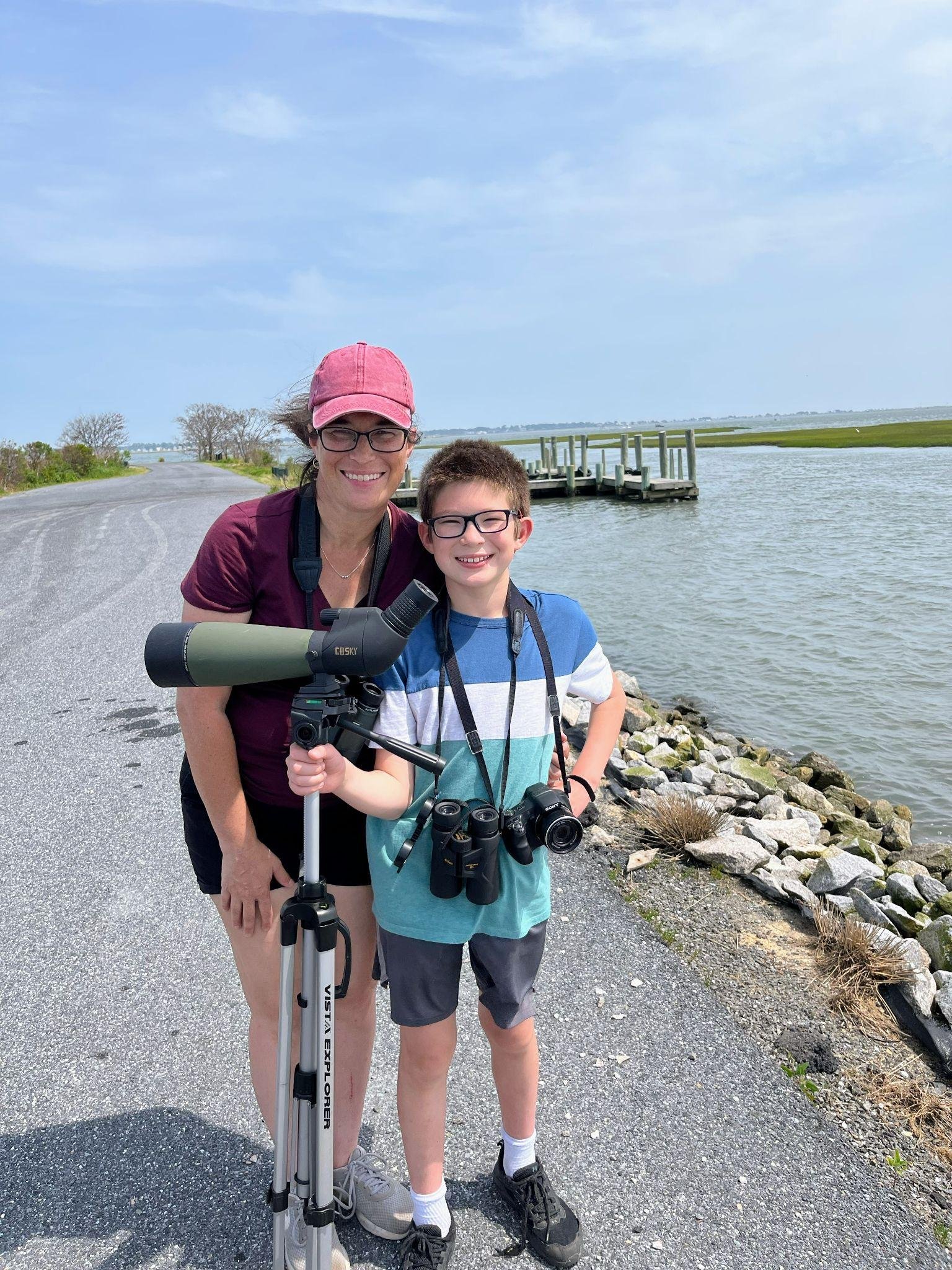
Photo: Joan Haffey

Carolina Sanabria

I started working as an intern for ASNV this May, and I believe my experiences will help me pursue a career in conservation. My title is “citizen science and public engagement intern.” ASNV’s Diversity and Inclusion Committee chose me from a field of candidates because of my interest in conservation and my fluency in Spanish. My work for ASNV has used both.

I am a junior at George Mason University studying environmental science with a concentration in conservation. The Green Atoms club at Annandale High School started my interest in conservation. The club members attended educational talks, but also participated in recycling and local park cleanups, all of which taught me the importance of caring for local flora and fauna. At GMU I serve on a Patriot Green Fund committee that makes decisions about green projects on campus. I am interested in pursuing a career in animal conservation. 

Carolina Sanabria at Family Fun Day. Photo: Joan Haffey

One of the first projects I worked on for ASNV was assisting two ASNV board members with a Spanish translation of Florence McBride’s book, Some Common Birds in Northern Virginia, which is available free on ASNV’s website. The book is a useful and accessible educational tool. It includes great photos and information on migration, food, threats, and other interesting facts about birds in our area, all in everyday language. The book’s style made it easy for us to adapt into Spanish. Following guidelines in the book for derivations, I used it to create laminated cards on ten common birds, with photos and information in both Spanish and English for each bird. The cards are designed for walk leaders to use to introduce beginners to birds they may see on a bird walk. 

I also had opportunities to test the cards in the field, as you can see in the photo accompanying this article. Working with two ASNV board members, I co-led bird walks for children and families attending the June 4 Family Fun Day at Mount Vernon Woods Park, sponsored by NAACP/Fairfax. I answered questions about birds, gave out literature, taught walk participants how to use binoculars ASNV loaned out, and used the cards to introduce our beginners (in both English and Spanish) to local birds. It was interactive and the kids found it fun to use the binoculars for sightseeing and to explore the natural areas in the park. I look forward to helping at another event, this time for Latino Conservation Week, July 24 at Justice Park in Falls Church. 

I also have assisted ASNV with a long-running citizen science project. With guidance from several ASNV board members (including GMU faculty), I entered butterfly and dragonfly data into Microsoft Excel spreadsheets. The data is from long-term natural resource surveys ASNV sponsors. This information will eventually be uploaded to PollardBase, a data entry and management system for butterfly, dragonfly, and damselfly monitoring programs, where ASNV maintains information on the Occoquan Regional Monitoring Project. ASNV plans further data analysis using information from the surveys to inform future conservation projects. 

My ASNV internship has been a great experience.

Read More
News Jess Michetti News Jess Michetti

ASNV Member Spotlight: James, Age 10

On a birding weekend at Chincoteague, I had the pleasure of meeting a young birder named James and his mother, Luisa. Birding has been really good for James - it was a safe activity to do during the pandemic and it also piqued his interest in nature in general.
Tina Dudley

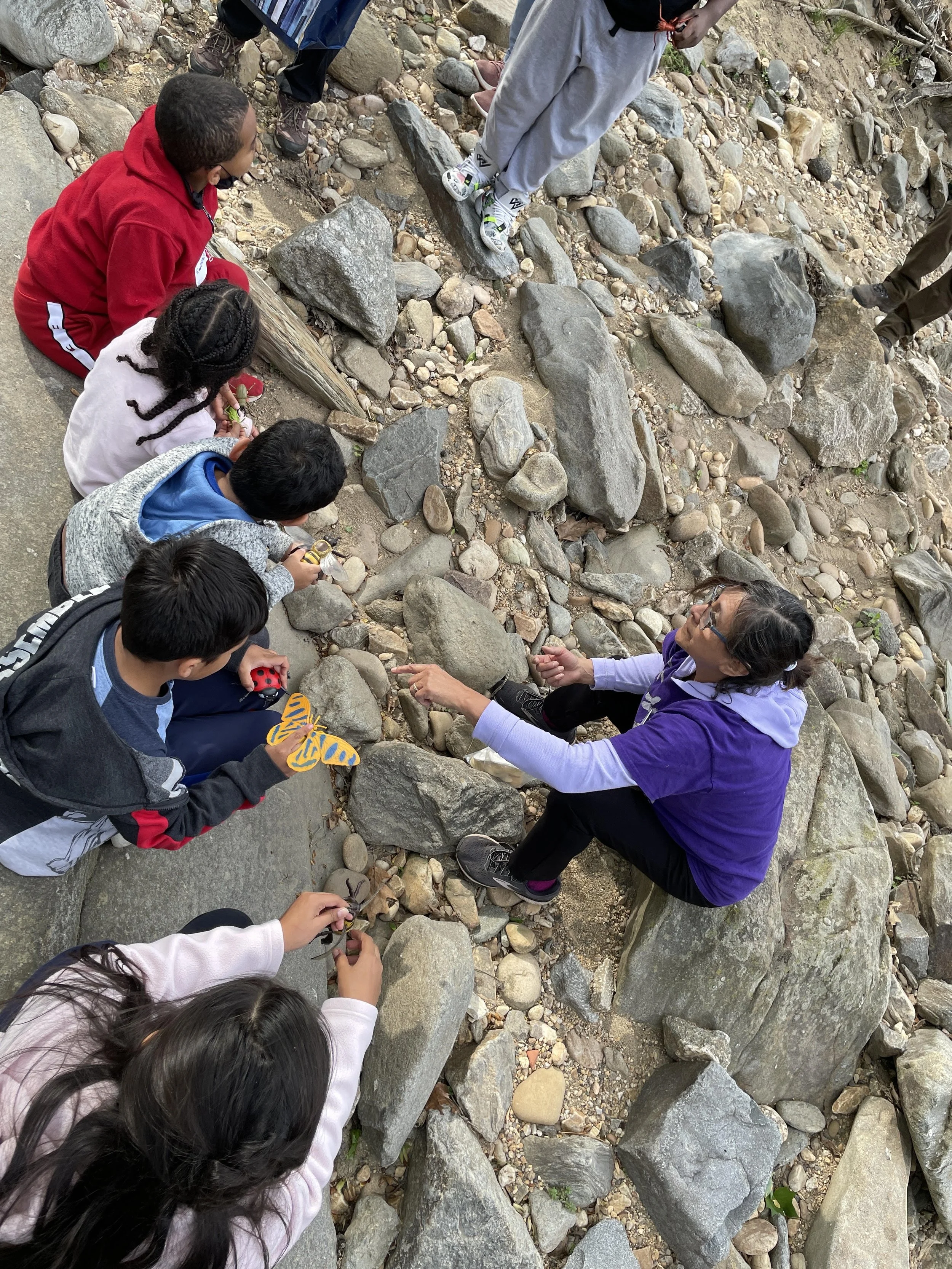
Luisa and James Gallager birding, Tina Dudley

On a birding weekend at Chincoteague, I had the pleasure of meeting a young birder named James and his mother, Luisa. James has been birding for two years, since he was eight. He is a skilled birder, even correcting seasoned birders on occasion. I enjoyed speaking with his mother, who admitted that James is the birder of the two of them, but she wants him to spend time with “his people.”

Luisa first noticed James’s interest in birds after the family put up a feeder in their yard. James was very curious and wanted to know all about the birds he was seeing. His mother explained; “Sensing his enthusiasm, we took him to a local birding spot. Once he identified his first bird, he was hooked. We identified just three species that day and then went back the next weekend and found ten more.” 

James was fascinated. He used the Merlin app to memorize bird calls and his mother signed up for eBird’s rare bird alerts. James shared with me one of his favorite birding memories, “We went to Dyke Marsh to see the rare (for Virginia) Yellow Headed Blackbird and I identified it by ear. It sounded like a chainsaw. When I finally saw the bird it was at the top of a tree singing. I was really excited to see such a rare bird and I wondered how it flew so off-course and what happened to it after it left the marsh.” 

This photo of the Yellow Headed Blackbird was actually taken by James through his spotting scope using an iPhone. 

Yellow-headed Blackbird, James Gallager

Great Blue Heron, James Gallager

In just two years, James has seen over 130 species of birds. On the trip to Chincoteague, he added 14 new species to that list. He identified the Black-necked Stilt and the Boat-tailed Grackle as his two favorite new birds he saw on the trip. His next birding adventure will be on Cape Cod, when he visits his Grandfather. 

Birding has been really good for James - it was a safe activity to do during the pandemic and it also piqued his interest in nature in general. His mother told me that since he began birding, “He is much more aware of the outside world and the impact of humans on the environment. He has a greater appreciation of nature; not only birds, but also insects, plants, animals, and the climate. Birding on Cape Cod with his grandfather increased his love for the ocean. Identifying birds also led him to new interests like photography.”

James Gallager birding, Tina Dudley

Luisa is very supportive of James’ interest in birds. She takes him frequently to parks and birding hotspots like Huntley Meadows, and even got him a nice pair of adult binoculars. (James informed me that he saved up by himself to buy his spotting scope.) The two of them joined the Northern Virginia Bird Club and the Friends of Dyke Marsh and started attending weekly bird walks. I was glad to hear from Luisa that they have found the birding community in Northern Virginia to be very welcoming and helpful. 

Luisa’s advice for parents: “The most important thing is to make birding fun for kids and follow their lead. Children who are just starting out do not need fancy equipment or trips. They can identify and watch birds in their own backyard with a simple field guide or an online app. If a child wants to explore birds further, there are a wide range of resources available to help, including the Cornell Lab, e-Bird, Audubon, and local birding organizations. Like any other activity, traveling to birdwatching spots can be time-consuming, but there are tremendous benefits. And being outside in nature is something the whole family can enjoy – birders and non-birders alike.” 

House Sparrow, James Gallager

At one point, James asked his mother, “Why are there not more kids who like birding?” 

There is a great teen birding club and various camps and programs for birders 13+, but Luisa has not found much for birders around James’s age. It is up to us, as birders, to change that. 

So, I have a challenge to all the birders who read this: Please bring a kid out birding with you. Invite your grandchildren, nieces and nephews, or friends’ children. Help us cultivate the next generation of birding enthusiasts. If you feel strongly about this, consider joining our youth education committee so we can work together on programs to engage families and young birders like James. 

To any children or teens reading this - I want to share with you James’s advice for new birders: “I would say have fun and don’t feel pressure to find certain birds. I really like my [spotting] scope, it helps me see birds I might not see with my binoculars. I also recommend a reliable field guide; my favorite is Sibley’s Birds East (but you could just use any field guide).”

Read More
News Jess Michetti News Jess Michetti

Youth Education Mini-grants Awarded

Each Spring ASNV awards Youth Education “mini-grants” to local schools and nonprofit organizations for projects involving youth that establish or enhance a learning experience about nature and conservation.

Photo: Arlington Master Naturalists

Each Spring ASNV awards Youth Education “mini-grants” to local schools and nonprofit organizations for projects involving youth that establish or enhance a learning experience about nature and conservation. Preference is given to projects that involve underserved groups and communities.

This year three grants of $500 each were awarded: Bucknell Elementary School in Alexandria, for materials to establish a student-run garden with native plants behind the school and adjacent to a local stream valley with abundant wildlife; Rockledge Elementary School in Woodbridge, to continue and enhance with new plantings an existing pollinator garden that will hopefully serve as an important stopover for migrating Monarch butterflies; and the Arlington Regional Master Naturalists (ARMN), who will use the funding to help develop an educational “toolkit” about local bird life for use by naturalists in local schools and ARMN-run nature clubs that have been established in low-income communities. The toolkit will utilize the recently published book on common Northern Virginia birds by Florence McBride which is now available in Spanish and English.

Read More
News Jess Michetti News Jess Michetti

UPDATE: A team of ASNV volunteers has translated Florence McBride’s book into Spanish!

As with the English version, the digital picture book on local birds, tailored to beginners, is available free of charge on the ASNV website.
As with the English version, the digital picture book on local birds, tailored to beginners, is available free of charge on the ASNV website. Useful links to Spanish-language and English-language bird-related websites is included.

Click to download the Spanish version of Florence McBride’s book in pdf format.

The copyright and sharing protocols are the same as those for the English version.

A link to the Spanish-language book in downloadable PDF format may be found here or by clicking the image.  We hope this translation of Florence McBride’s book builds on the original outreach and expands the range of educators and beginning birders inspired to learn more about our local birds!

Read More
News Jess Michetti News Jess Michetti

Youth Education Mini-grants - Last Chance to Apply is April 1!

The ASNV Youth Education Committee is pleased to offer three mini-grants of up to $500 each for 2022. Read on to find out how to apply.
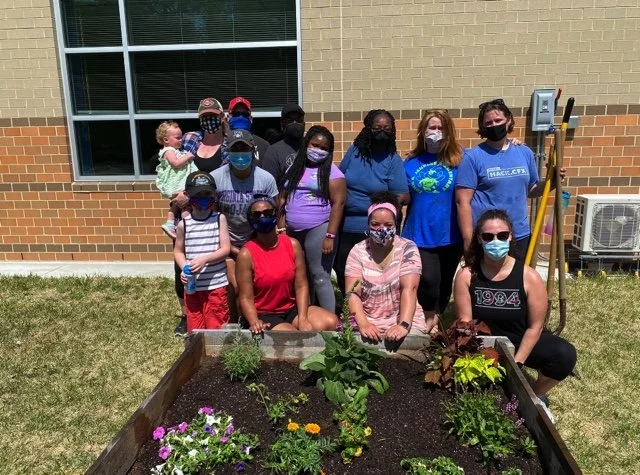
Photo: Huntley Meadows youth nature drawing class, Margaret Wohler

Are you an educator with a great idea for a bird-related conservation project with your students?  Every year, the Youth Education Committee of ASNV sponsors a mini-grant program to support teachers, schools, and non-profit organizations in youth-oriented education about birds and the environment. The committee is pleased to offer three mini-grants of up to $500 each for 2022. 

Funding may be used to support Meaningful Watershed Educational Experiences (MWEEs), professional development, field trips, speakers and admission fees, equipment, transportation, trees, plants, etc. All projects must include an educational component and be completed by December 31, 2022 by submitting a one-paragraph summary and photos of the finished project to youtheducation@audubonva.org.

The application form for the mini-grants can be found here. Deadline for applications is April 1. Please contact Youth Education with questions about the Youth Education Mini-Grant program.

Read More
News Jess Michetti News Jess Michetti

ASNV’s Conservation Grants Blossom

Last year, 11 applicants received ASNV Conservation Grant funds. They are already reaping benefits.

Photo: J. Jenkins Elementary Garden, Amanda Ross

Lisa Mackem

Last year, 11 applicants received ASNV Conservation Grant funds. They are already reaping benefits. In August, parent and student volunteers prepared the Ambleside School (located in McLean) pollinator garden site for planting. James Chen, grant applicant and Ambleside’s Board of Trustee member, said that in one weekend, parent and student volunteers filled ten yard-debris bags with dandelions, clover, and crabgrass. The following weekend, they removed sod and transplanted ornamental grasses. Janet Davis, owner of Hill House Farm and Nursery, selected native plants for their pollinator garden. During the week of September 11, Ambleside students, teachers, and parent volunteers began planting, and added stepping-stones to the center of the garden, providing the students improved access to the plants and pollinators. 

At John Jenkins Elementary School in Woodbridge, grant applicant and PTO Board Member, Amanda Ross headed last year’s garden project, which resulted in a community garden. Principal Xanthe McFadden has begun planning for an outdoor classroom there.  

J. Jenkins Elementary School Garden, Amanda Ross

Other grant-funded plans are underway. At Barcroft Elementary in Arlington, PTA president and grant applicant, Carrie Lombardi started the school’s Nature Club. Carrie is collaborating with an employee at the Alexandria plant nursery, Nature by Design, to create a sensory garden, minus taste. Wildflowers with seeds that rattle when they bloom will provide sound. Carrie will order her wildflower seeds in March and has already ordered a shed, magnifying glasses, and other supplies. 

Peter Jones, ESL teacher and grant applicant at William Ramsay Elementary in Alexandria, was inspired by Doug Tallamy’s books, “Bringing Nature Home” and “Nature’s Best Hope.” He especially admired Tallamy’s pictures of caterpillars. “Caterpillars are so cute. I never realized caterpillars could be cute,” he said. “Insects are plant-specific, and birds eat caterpillars… [the grant] was an opportunity to build a pollinator garden to support insects which in turn support birds,” said Peter. Peter drew in so much wildlife from planting one packet of wildflower seeds at Ramsay that he wanted to expand his work. Ramsay’s principal allowed him to develop approximately 350 square feet of land, so Peter consulted botanist and native plant authority Matt Bright, owner of Springfield’s Earth Sangha Wild Plant Nursery. Bright provided specific plant recommendations. In November, local master gardeners and students volunteered with planting. 

Students love the gardens! At Ambleside, students in 5th – 8th grade nature study classes spent 3 days in September planting 132 native plants. Pollinators immediately began visiting. At John Jenkins, students use the community garden for hands-on learning. Barcroft Elementary recently added a teacher who focuses on the outdoors, and that teacher started an environmental club. “The students are excited about cleaning out the beds and planting,” said Carrie. “We really wanted to get the kids outside more. [Barcroft] is a Title 1 school and a lot of kids live in apartment buildings. Some kids don’t even know what an acorn is. By revamping the garden space, maybe teachers will go out and read on nice days and do science projects there if they are studying plants.” Carrie planted an herb garden at Barcroft before applying for the ASNV grant, and sees students run over to smell and touch the herbs during recess. She hopes that the addition of flowers and pollinators will make the garden more inviting and increase the students’ awareness of and desire to learn from nature. Peter has similar goals for Ramsay. “We have a lot of little kids who haven’t really seen a lot of the creatures up close…it’s when they’ve seen things outside that they’re super excited. Kids get more of an appreciation for the importance of nature. It’s what nourishes us and keeps us alive.”

Read More
News Jess Michetti News Jess Michetti

My Educator’s Week at Hog Island Audubon Camp

My whole life I have been hearing about this camp in Maine where the showers are always cold, the mornings are always early, and the birds are always calling. My mother attended Hog Island’s Educator’s week in the 80’s as a young educator, extremely invested in ways to share the natural world with children from various backgrounds.

Photo: Phoebe Riegle

Phoebe Riegle
ASNV 2020 Hog Island Scholarship Winner  

My whole life I have been hearing about this camp in Maine where the showers are always cold, the mornings are always early, and the birds are always calling. My mother attended Hog Island’s Educator’s week in the 80’s as a young educator, extremely invested in ways to share the natural world with children from various backgrounds. As her child, I was also one of her students so, I got to experience the incredible camps and lessons that she learned from Hog Island. Little did I know that one day I would get to learn from the same man on the same island that taught her “almost” everything she knows, as well as from a few other incredible educators.

Phoebe Riegle

Phoebe Riegle

The year-postponement due to COVID was unfortunate but I was still thrilled to have the opportunity to attend in 2021. Walking up onto the island I was overwhelmed with excitement and comfort in knowing that the showers were now heated because of new solar panels and, more importantly, I was going to be spending a week with like-minded educators all looking to explore nature like we were kids again.

Adorned with my new “fancy” pair of binoculars, I awoke early the first morning to join the legend himself, Ted Gillman, and fellow bird-nerds for a birding session. I learned the flight pattern and calls for birds like woodpeckers and goldfinches as well as how to “point” out birds. The biggest take-away from each of Ted’s lessons was to find ways to build-in success for every student. Celebrate every observation and inference that students make when exploring nature even if it has nothing to do with your question or lesson. Also, remember that you don’t need fancy equipment to get kids into nature- paper towel rolls can be binoculars, an old white shower curtain can be an observation station under a tree, and old cottage cheese tubs can be miniature ponds.

Throughout the rest of the week, I learned from inspiring naturalists about pollinators, insects, birds, marine ecosystems, and citizen science all with a tone of remembrance for the Native Americans who once inhabited the area. James, Kaylani, Margaret, Ted, Colleen, Khav, and Ms. Evonne taught me more than I could’ve imagined. By the end of the week one fellow camper said it best – the thing that made this camp amazing was the fact that it was a group of nature-loving educators who all bought into the magical energy of the island each and every day. With everything happening in the world, it is easy to get bogged down by negativity. Nature is one thing that has stayed consistently and relatively safe throughout these past few years. Take every opportunity you can to feel like a kid again and explore, ask questions, draw conclusions, and research – because you still can.

Read More
News Jess Michetti News Jess Michetti

Hog Island Scholarship Winners

Gretchen Linton of Mark Twain Middle School in Alexandria is the 2021 recipient of ASNV’s scholarship to Educator’s Week at Hog Island Audubon Camp in Maine.
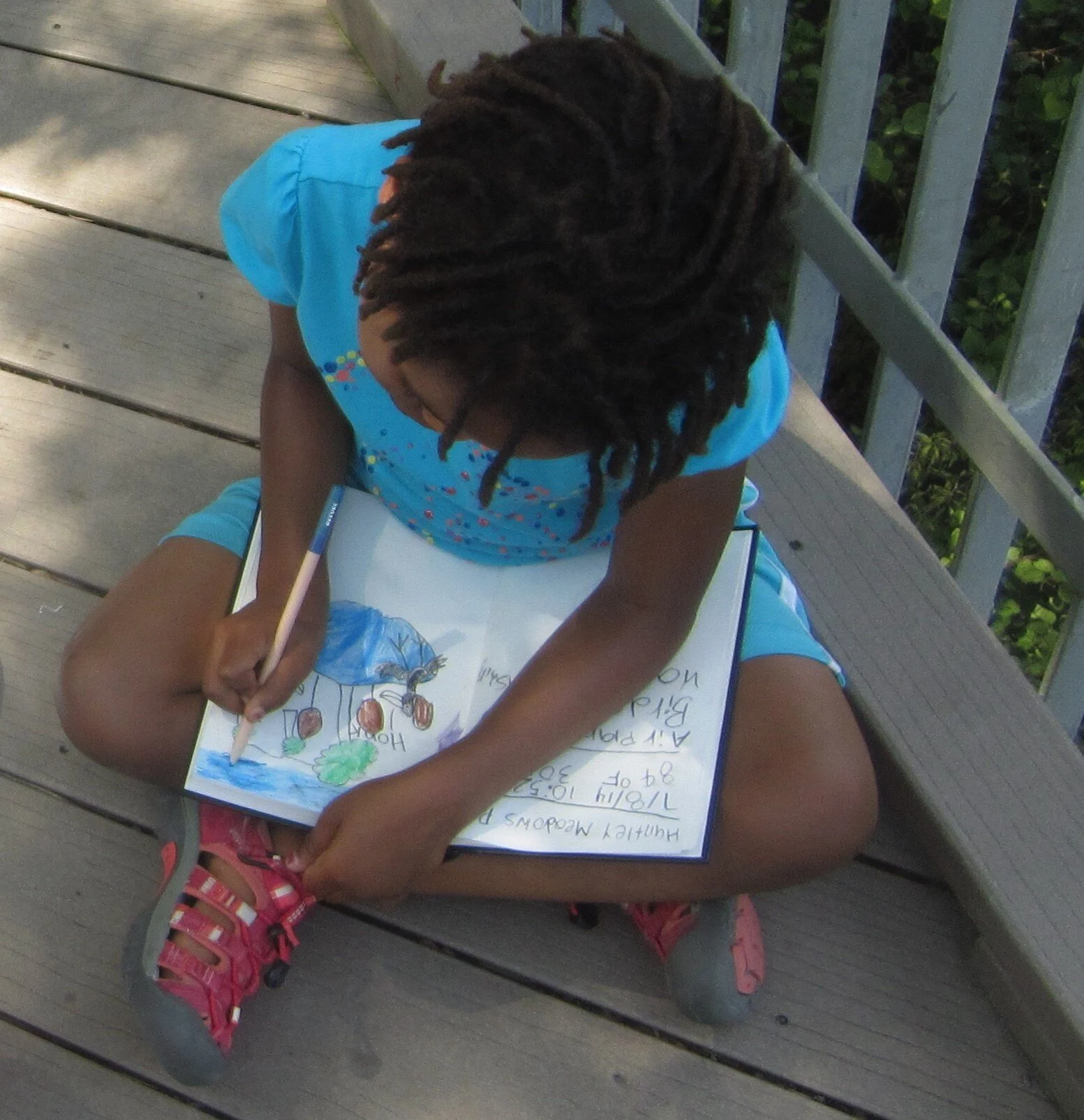
Photo: Kirk Treakle

Gretchen Linton of Mark Twain Middle School in Alexandria is the 2021 recipient of ASNV’s scholarship to Educator’s Week at Hog Island Audubon Camp in Maine. She joins Phoebe Riegle of William Ramsay Elementary School, the 2020 winner, whose scholarship was deferred a year due to the pandemic. Congratulations Gretchen and Phoebe! 

Read More
News Jess Michetti News Jess Michetti

Youth Education Mini-grant Winners

This year’s Youth Education mini grants were awarded to Knox Presbyterian Church, Ramsay Elementary School, Nativity Catholic School and Huntley Meadows’ after-school nature drawing program.
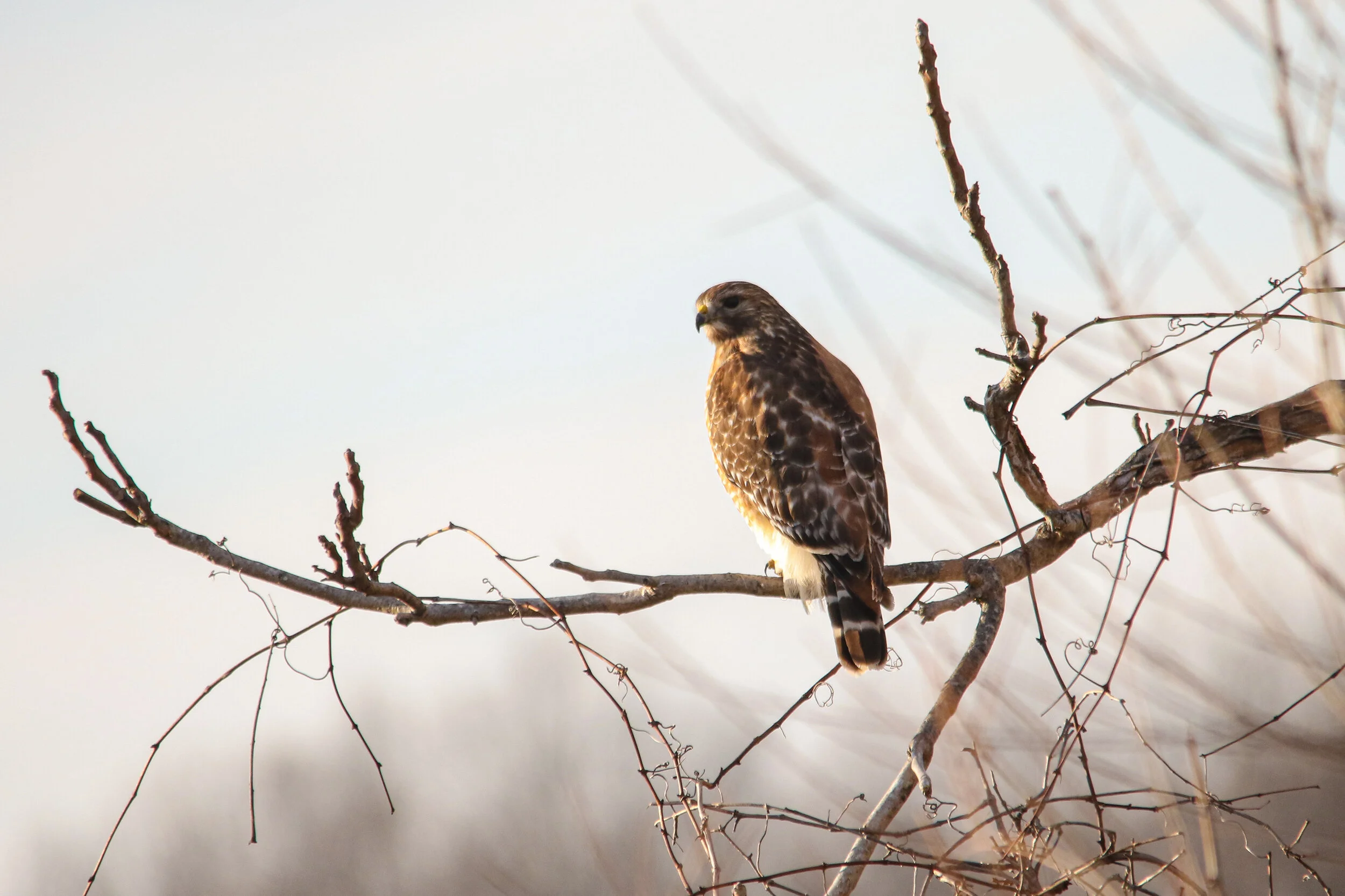
Photo: Margaret Wohler

This year’s Youth Education mini grants were awarded to Knox Presbyterian Church, Ramsay Elementary School, Nativity Catholic School and Huntley Meadows’ after-school nature drawing program. Three of the grants supported efforts to plant native plants and related educational programs. The long-running drawing program at Huntley Meadows supports observation – the key to understanding nature.

Read More
News Jess Michetti News Jess Michetti

Why I Bird: A Teenager’s Confession

Who knew that taking environmental science would lead me down this eventful path?

Photo: Red-shouldered Hawk, Annaliese Meistrich

Annaliese Meistrich

The winding trail led to a grassy clearing where my environmental science teacher paused, giving us a moment to take in the open landscape. He then proceeded to describe the hidden intricacies of this peaceful meadow: a few Song Sparrows that produced a lovely tune, the fluttering Tree Swallows swooping above our heads and the far-off cry of a Red-shouldered Hawk. The seemingly simple view in front of me suddenly teemed with life, illuminated by my teacher’s vibrant narrative.

Through this class, it didn’t take long for me to become hooked on birding. Soon after the class began, I was spending hours along a trail, trying to identify every last bird I caught a glimpse of. Who knew that taking environmental science would lead me down this eventful path?

As I delved into the world of birding, I realized that I knew very few teen birders. Most of my fellow birdwatchers were adults, whose company I valued, but I couldn’t help but wonder if there were any other students like myself who had a not-yet-discovered passion for birding. It seemed likely that there were students currently sitting in classes who were looking for a sense of outside fulfillment that could very well be satisfied by bird-watching. There is something so captivating about watching birds – their incredible abundance and diversity adds to one’s love of nature. It truly is a great way to get outdoors and foster a meaningful connection with the environment around you. Because birds are literally everywhere, becoming a birder will open your eyes and force you to be an observer, constantly picking up clues as to their behavior and habitat.

Life as a biology student consists mostly of staring at photos of wildlife in class but why not head out onto the local trails and find it yourself? After being stuck behind a desk all day, it is rewarding to hit the trails and bring some serenity into your mind. You may find yourself more engaged in those science classes after seeing how it all fits into the bigger picture. There is also a physical aspect to it: whether you are running around chasing that far-off hawk, or wandering around a field, you are getting those steps in! Birding is great exercise and has a positive impact on your overall health.

As young kids in middle or high school, we are drawn to social gatherings, because – let’s face it – doing things with your friends is fun! Birding is a great way to make new friends and connect with students you might not otherwise meet. Get a group of your friends together and go on a hike, documenting all the things you see. From birds to butterflies, or even wildflowers, you can have amazing experiences together. I particularly enjoy heading out with

some of my fellow young birders and keeping track of the rare bird alerts for our area! It is challenging and fun to find these rarities with a group.For me, the passion for birding continued beyond the trails and into activism. When I reached out to Audubon Society of Northern Virginia, I would never have guessed that it would have blossomed into an intern position. I hope to share my love of birding with other teens by continuing my efforts for more teen involvement. Currently, I have given presentations to youth groups such as the Cub Scouts and I am seeking any opportunity to offer more programs. I am also working to increase birding opportunities in the environmental science curriculum of Loudoun County Public Schools and connect with other school birding clubs. I am very enthusiastic about the future of this internship and I cannot wait to see where ASNV takes it.

Read More
News Jess Michetti News Jess Michetti

Apply Soon for ASNV Grants and Scholarships!

Deadlines are approaching for ASNV’s grant and scholarship offerings. Apply soon!

Photo: Maggie Starbard

ASNV is offering grants for Youth Education, Conservation, and Native Gardening as well as a scholarship to Hog Island Audubon Camp for Educator’s Week. Deadlines are soon! Visit our website for more information and applications here.

Read More
News Jess Michetti News Jess Michetti

Apply for a Conservation Grant!

Audubon Society of Northern Virginia is offering Conservation Grants of up to $4,000.

Photo: Maggie Starbard

Audubon Society of Northern Virginia is offering Conservation Grants of up to $4,000. We are primarily interested in habitat improvement projects that combine the following features:

  1. Native plants that attract birds and/or pollinators

  2. An educational component – aimed at students, adults, or the general public

  3. A demonstration project that can be emulated by others

  4. A long-term commitment to maintain the project for multiple years

  5. In northern Virginia

Special consideration will be given to projects near the Potomac River or its tributaries and projects on public lands or with high public access.

Email Greg Butcher if you have questions about putting together a project. Successful applicants will be asked to sign a contract agreeing to specific obligations.

Deadline is April 30, 2021 but feel free to start now! Use our online form to apply.

Read More
News Jess Michetti News Jess Michetti

Youth Education Mini-grants

Are you an educator with a great idea for a bird-related conservation project with your students? The Audubon Society of Northern Virginia (ASNV) is sponsoring a mini-grant program in 2021 to help teachers, schools and non-profit organizations educate youth about birds and the environment.

Photo: Elisha Mitchell

Are you an educator with a great idea for a bird-related conservation project with your students? The Audubon Society of Northern Virginia (ASNV) is sponsoring a mini-grant program in 2021 to help teachers, schools and non-profit organizations educate youth about birds and the environment. Applicants must serve youth in Arlington, Fairfax, Fauquier, Loudoun, Prince William, Rappahannock, or Stafford counties or Alexandria, Falls Church, Fredericksburg, Manassas and Manassas Park cities.ASNV anticipates awarding three mini-grants, up to $1000 each. Applications are due on April 2, 2021. The application is here

Funding may be used to support Meaningful Watershed Educational Experiences (MWEEs), professional development, field trips, speakers and admission fees, equipment, transportation, trees, plants, etc. All projects must include an educational component.  

You must complete the project and submit a one-paragraph summary and photos by December 31, 2021. Your summary and photos will be used in the ASNV newsletter, blog and on the website. 

Read More
News Jess Michetti News Jess Michetti

Calling All Educators! 2021 Educator Scholarship Application Now Open

Looking for new ways to inspire your students to engage with nature? The Audubon Society of Northern Virginia offers a full scholarship and transportation to “Sharing Nature: An Educator’s Week” at National Audubon Society’s Hog Island Camp in Maine.
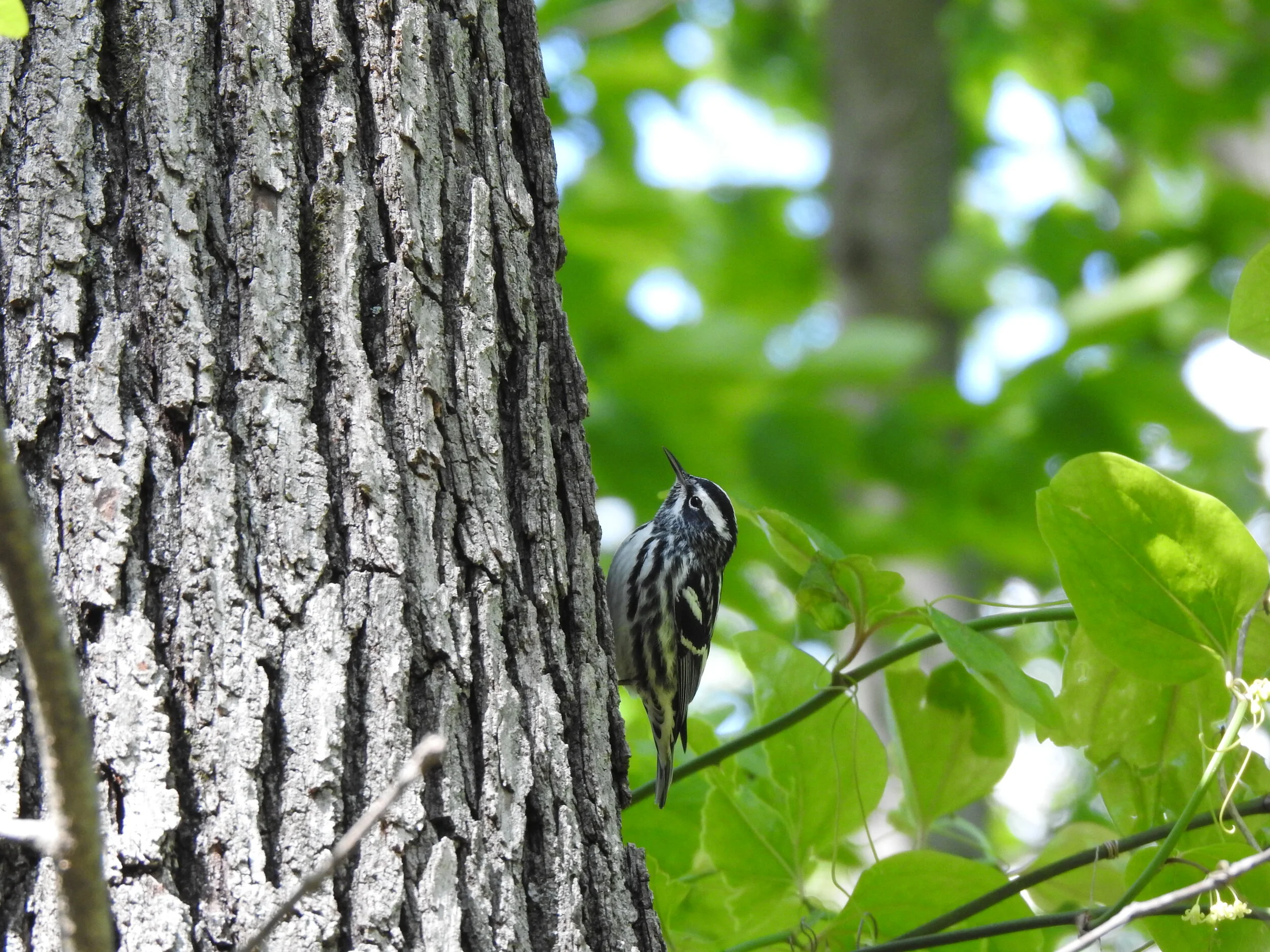
Photo: Atlantic Puffins, Walker Golder

Looking for new ways to inspire your students to engage with nature? The Audubon Society of Northern Virginia offers a full scholarship and transportation to “Sharing Nature: An Educator’s Week” at National Audubon Society’s Hog Island Camp in Maine.  While there, you will learn interdisciplinary hands-on methods and approaches to environmental education while immersed in the natural world. This year’s session is currently scheduled for July 11-16, 2021. Hog Island will be instituting safety-related procedural changes in response to the coronavirus pandemic, including all-outdoor activities and single-occupancy sleeping arrangements. 

Applicants must be classroom teachers, specialists, or school administrators working in one of the following counties: Arlington, Fairfax, Fauquier, Loudoun, Prince William, Rappahannock and Stafford. Applicants from Alexandria, Falls Church, Fredericksburg, Manassas, and Manassas Park cities are also eligible.

To apply, please complete the online application and submit two letters of recommendation no later than April 2, 2021. Please see the application for additional details, including post-camp requirements.

If you have questions, please contact youtheducation@audubonva.org

Read More
News Jess Michetti News Jess Michetti

Arlington Birder Brothers – The Chippers

If you’ve visited any of the South Arlington parks recently you may have encountered two engaging teen birders “The Chippers,” as they are known on their website. Max and Danté are brothers, two years apart in age but entirely in sync about birds.

Photo: Black and White Warbler, courtesy of the Chippers

If you’ve visited any of the South Arlington parks recently you may have encountered two engaging teen birders “The Chippers,” as they are known on their website. Max and Danté are brothers, two years apart in age but entirely in sync about birds.

Field Sparrow, courtesy of the Chippers

Field Sparrow, courtesy of the Chippers

Mourning Warbler, courtesy of the Chippers

Mourning Warbler, courtesy of the Chippers

As a Christmas present in 2018, Max and Dante’s uncle gave them a birdfeeder. As soon as they put it up in their Arlington yard the brothers were hooked. Soon they were outside, beyond their backyard, scouting the local parks for birds. Four months later in April they described finding their first warblers – a Yellow-rumped and a Black-and-white – as, “Absolutely Incredible!” 

Rusty Blackbird, courtesy of the Chippers

Rusty Blackbird, courtesy of the Chippers

Since then, the brothers have gone on to develop a website about birding in South Arlington Parks which includes their recent sightings with excellent photographs by Max and ingenious drawings by Dante. Far more ambitious than a checklist, “The Birding Guide to Southwest Arlington” documents birds with photographs, voice and behavior recordings, field notes and when and where to find the birds. 

It’s an impressive undertaking by two young people. We wondered why they took this project on. According to Max and Danté, their parents are “into fitness” and “raised us to be outside.” It also sounds like their parents also encouraged them to use their natural curiosity while giving them the confidence and space to explore the world around them. And thanks to their own gregarious natures, they encountered other mentors.

In the early days of the pandemic the brothers began each morning with three-hour bird walks around their local parks where they made friends with people they encountered such as “The Owl Guy,” who showed them where the resident Barred Owl roosts and encouraged them “…to publish some of the stuff you do.” 

In the future, the brothers want to expand their website to include all of Arlington and generate interest in habitat restoration projects at their schools and parks. Stay tuned. 

“This is my life’s passion and work.” Danté

“I want to go out in the environment and make a difference.” Max

Swamp Sparrow, courtesy of the Chippers

Swamp Sparrow, courtesy of the Chippers

Ruby-crowned Kinglet, courtesy of the Chippers

Ruby-crowned Kinglet, courtesy of the Chippers

Read More
News Jess Michetti News Jess Michetti

Teach Your Children to Become Avid Birders During Coronavirus Lockdown

When schools closed due to the Coronavirus, my husband and I decided to homeschool our 10-year-old daughter. We wanted to come up with some interesting science projects to keep her engaged during these challenging times. We started off raising tadpoles, where our daughter would gather data to calculate their survival and growth rates. We thought about designing a vegetation habitat survey or an invertebrate creek survey. Can you tell we’re biologists?

Photo: Camilla Cerea

By Jessica Bigger

When schools closed due to the Coronavirus, my husband and I decided to homeschool our 10-year-old daughter. We wanted to come up with some interesting science projects to keep her engaged during these challenging times. We started off raising tadpoles, where our daughter would gather data to calculate their survival and growth rates. We thought about designing a vegetation habitat survey or an invertebrate creek survey. Can you tell we’re biologists? 

Since bird migration is in full swing, we decided on developing a bird identification program where our daughter could learn how to identify local and migrating bird species by sight and by their song and call. 

We then added a math and science component, where our daughter would record the number of birds she saw or heard that morning. She would then add up the total number of birds, and the total number of different species she recorded earlier. After a week she would graph this information, figure out the average number of species seen and which species were more prevalent in the area. 

We started off with a handful of birds and then added a few more to her list every couple of days. To keep things interesting, we started visiting different habitats to introduce her to birds she had not seen or heard before.

The Cornell Lab of Ornithology is a great resource and we referred to it often. They have lots of games to help test your child’s bird ID skills, and several educational ideas and projects that you can glean from. It’s also my go-to when I want more detail on a particular species. The photos are wonderful to look at and the song and call recordings have been extremely helpful.

Birding is a great activity, and getting your child involved can keep them busy and engaged. Kelly Preheim, a kindergarten teacher from South Dakota, started teaching her students how to identify birds. She was amazed that over time, her 5 and 6-year-old students could visually identify 100 birds, and be able to recognize the songs and calls of 25 bird species. She introduced photos of new birds to her students every day and created different games like “Name That Bird,” using bird ID flashcards. These activities improved each student’s ability to recognize those bird species out in the field.

So, if you are looking for a unique educational experience to do with your kids that combines science, math and nurtures their love of birds, here are a few tips to get started:

  1. Bird Identification by Sight It might be good to begin with birds your child is familiar with and only pick a handful to start. Before heading out with your binoculars to look for those birds in the morning, review photos of each bird you and your child will be looking for and make sure to bring a bird book with you to refer to if needed.

  2. Bird Identification by Sound Since many of us tend to identify birds by sound, because most of the birds we hear we can’t see, it’s not too far-fetched to teach your kids to learn a bird’s song and call. So, when your child hears “Peter, Peter, Peter, Peter,” she’ll know that a Tufted Titmouse is singing nearby. Starting with a few birds at a time will give your child time to absorb the information, and in time, be able to recognize those birds on the fly. You might want to download the free Audubon Bird Guide app. It’s easy to use with great photos, information and excellent sound recordings for 800 species of North American birds. 

  3. Mix it Up and Keep it Interesting It’s time to test those birding skills at different birding habitats. Before heading out the door with your kids, make sure to review some of the birds you are likely to see, grab your bird ID book and binoculars, and launch into your adventure.

Read More
News Jess Michetti News Jess Michetti

Youth Education Mini-grant Winners 2020

Every year, the Youth Education Committee of ASNV sponsors a mini-grant program to support teachers, schools, and non-profit organizations in youth-oriented education about birds and the environment. The committee is proud to announce three recipients ($500 per grant) in 2020.

Photo: Birding, Tom Hissong/Great Backyard Bird Count

Every year, the Youth Education Committee of ASNV sponsors a mini-grant program to support teachers, schools, and non-profit organizations in youth-oriented education about birds and the environment.  The committee is proud to announce three recipients ($500 per grant) in 2020:

Fairview Elementary School in Fairfax Station, VA will use funds to build bluebird houses and purchase binoculars for its K-6 students.  They will couple existing indoor environmental lessons with outdoor activities along their newly built bluebird trail.  Students will engage in seasonal observations and analysis of a wide variety of avian behaviors to complement their science standards of learning.

Cub Run Elementary School in Centreville, VA will purchase wildlife cameras and bird feeding kits so that their K-1 students can track birds in their natural habitat.  They will incorporate the data and observations into curriculum on the basic needs of animals. 

H-B Woodlawn Secondary Program in Arlington, VA will launch a Meaningful Watershed Educational Experience (MWEE) around the topic of single-use plastics, from their environmental impacts to their re-use in the school’s makerspace. The mini-grant will help to fund a field trip on 2020 Potomac Watershed Clean-Up Day to trawl for and analyze micro-plastics.

Read More