

NVBA News Blog
American Robin. Photo: Mick Thompson/Audubon Photography Awards
Welcome to the blog for Northern Virginia Bird Alliance, a wealth of resources about northern Virginia birds, wildlife, habitat conservation and restoration, native plants, wildlife-friendly gardening, advocacy and more.

National Audubon Photography Award Winners Show comes to Northern Virginia
In celebration of the natural connection between birding and photography, Audubon Society of Northern Virginia will co-host the 2019 Audubon Photography Awards Traveling Exhibition with Walker Nature Center in Reston between February 5 and February 26, 2020 and again with Huntley Meadows Park in Alexandria between March 4 and March 25, 2020.

January 2020
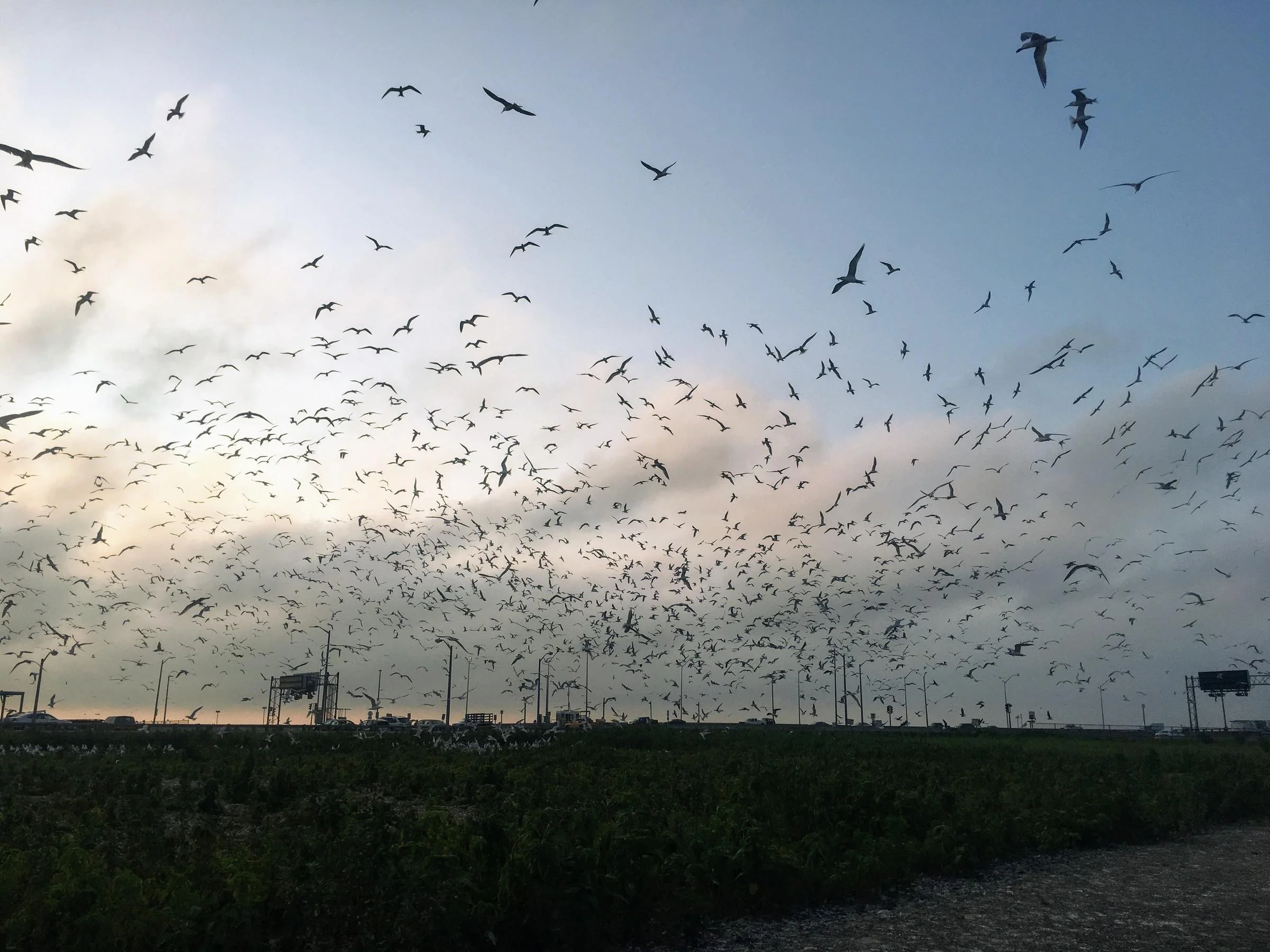
We’ve already had our first snowfall of the season, and it’s getting colder, but that’s not a reason to stop going out to see birds. This is a great time to look for the winter waterfowl that are migrating to our area from colder areas to the north and west.
December 2019
In late November and early December my mailbox is filled with requests from charitable organizations. Some days there are so many, I’m tempted to ignore them all. But I try not to because sadly, charitable donations have declined over the past several years. Without funding, charitable organizations cannot do the work that is critical to protecting birds and the environment.

Lecture and Book Signing with Dr. Doug Tallamy
Along with the Prince William Wildflower Society, a chapter of the Virginia Native Plant Society, Audubon Society of Northern Virginia and Audubon at Home will be sponsoring an author lecture by renowned entomologist and ecologist Dr. Doug Tallamy.

Cats and Birds – An Unnatural Mix
Last month, the Potomac Flier article “Three Billion Birds” summarized the alarming decline of birds in the US and Canada since 1970. Habitat loss is the biggest driver of that decline. The second biggest driver is free-roaming domestic and feral cats.

We could use your birding skills!
Do you have a favorite spot to bird that you’d like to share with others? Consider leading a winter or spring walk there for ASNV.

3 Billion Birds
Wild bird populations in the continental US and Canada have declined by almost 30% since 1970, representing a loss of nearly 3 billion birds. This loss astounded Cornell Lab of Ornithology conservation scientist, Ken Rosenberg. Rosenberg led an international team of scientists from seven institutions in the analysis of population trends for 529 bird species. The journal Science published the study results in September.

Birdathon Winners Visit Oak Spring
Winning Birdathon teams traveled out to the Oak Spring Garden Foundation in Upperville, Virginia on September 17 to view some rare books, including a John James Audubon folio, and the grounds of the estate of Rachel "Bunny" Mellon, who designed the White House Rose Garden.

Youth Education Mini-grants
The Audubon Society of Northern Virginia is pleased to announce the 2020 youth education mini-grant program. This program aims to help teachers, schools, and non-profit organizations educate youth about birds and the environment.

Wolf Trap First-Time Campers Program offers Birding
Each spring and fall Wolf Trap National Park for the Performing Arts hosts two campouts for Fairfax County 5th and 6th grade students sponsored by Friends of Wolf Trap. The campouts give young people an opportunity to develop meaningful connections to the natural world, learn outdoor skills, make new friends, and have fun.

November 2019
Each November I look forward to seeing some of my favorite birds – Tundra Swans. More than 100,000 of these birds are just finishing their three-month migration from north of Hudson Bay in Canada to the tributaries of the Chesapeake Bay and the coast of North Carolina, where they spend their winters. A sizeable flock usually winters from November through February at the Elizabeth Hartwell Mason Neck National Wildlife Sanctuary just south of Lorton.

Volunteer: Bird-safe Buildings
National Audubon has asked its members to advocate for the federal Bird-Safe Buildings Act NAS Bird Safe Windows, and ASNV wants to address the issue on a local level. If you have expertise in architecture, city planning or bird-safe building measures, the Advocacy Committee would like to hear from you.

October 2019
When I first became interested in birds about 15 years ago, I was simply attracted by their diversity. But the more I observed them, the more I recognized what amazing creatures they are. I have found great enjoyment learning about birds but there’s been a depressing side to my education. People who have been birding far longer than I have, lament that there are so many fewer birds than there were in previous decades. It turns out they are right.
Twelve Things You Should Know About Owls
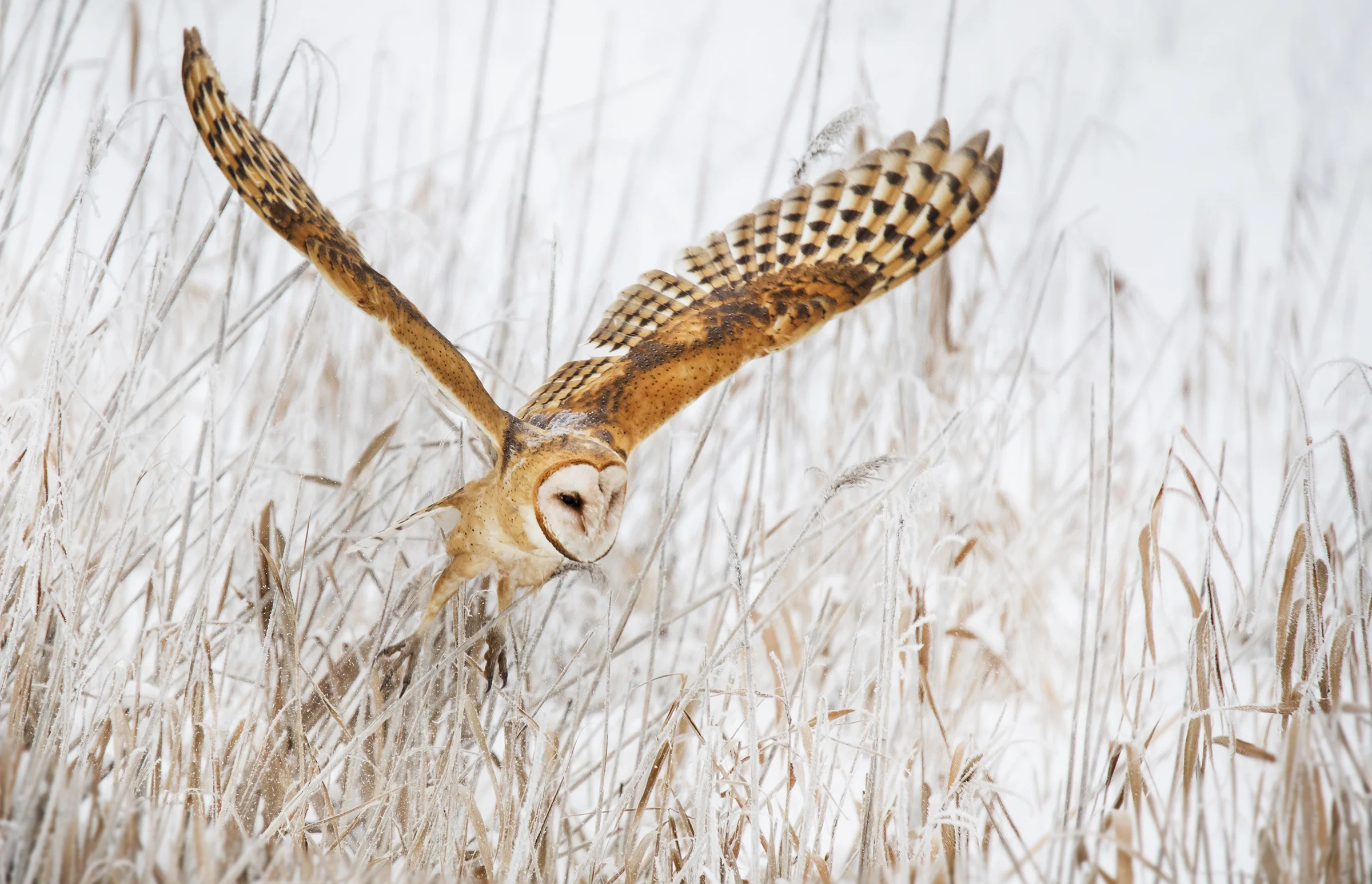
Owls are our nocturnal neighbors, leading secretive lives in woods and fields around us. Rarely seen during the day, they can be hard to spot at night. Here are 12 things to know about these elusive birds.

Citizen Science at ASNV
On September 22, ASNV awarded James (Jim) Waggener National Audubon Society’s prestigious Great Egret Award in recognition of his outstanding citizen science contribution. Jim is only the second person from ASNV to receive this award. He is a naturalist, who began the Occoquan Monitoring Program 30 years ago after retiring from foreign service.

New Partnership with Green Muslims
The Audubon Society of Northern Virginia is happy to highlight a new partnership: Green Muslims is a volunteer-driven 501(C)3 headquartered in the metropolitan Washington, D.C. area that is working to connect Muslims everywhere to nature and environmental activism.

Birds of the Month: Albert and Wisdom
Samuel Taylor Coleridge’s most quoted (and misquoted) poem, “The Rime of the Ancient Mariner,” tells the story of a sailor who shoots a friendly albatross, cursing himself and his crew. As punishment, he is forced to wear the bird around its neck, making the albatross a symbol of his burden and regret. Good omens in life and bad omens in death, albatrosses have become symbols of both good and bad luck. Fittingly, while some real albatrosses have been fortunate, others have had tough luck.

Reflections on Hog Island Audubon Camp
Spending six days on Hog Island, Maine was one of the most meaningful, educational experiences I have ever had. From the moment we stepped off the boat from the mainland, we were immersed in a rich environment of natural wonder, forming new relationships, and inspired by the passion and knowledge of the camp staff and our fellow educators who arrived from all over the country.

Bird of the Month: The Pfeilstorch
In the 19th century, a curious phenomenon stumped European bird watchers and zoologists. Why did some species of birds disappear and then reappear every year? People back then had no way to track birds as they traveled long distances, so they had to come to their own conclusions.

Planting Hope: Engaging Faith-based Communities in Plants for Birds
A session on “Planting Hope: Engaging Faith-based Communities in Plants for Birds,” engaged a full room at the July National Audubon Convention in Milwaukee.