NVBA NEWS BLOG
Welcome to the blog for Northern Virginia Bird Alliance, a wealth of resources about northern Virginia birds, wildlife, habitat conservation and restoration, native plants, wildlife-friendly gardening, advocacy and more.
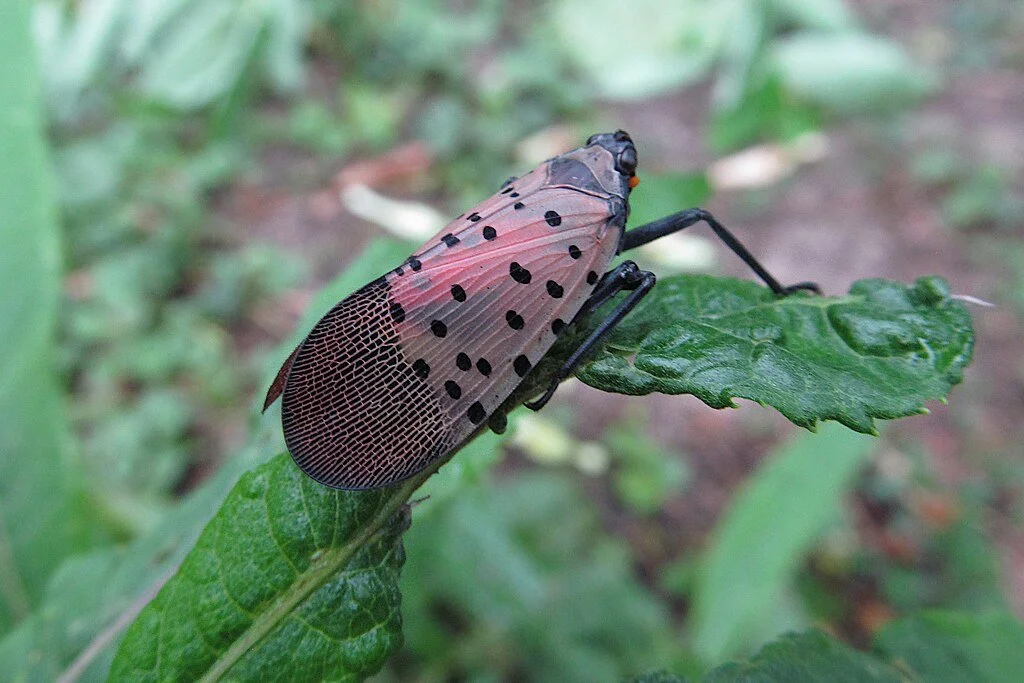
Perspective on the Dreaded Spotted Lanternfly
Since the spotted lanternfly first made its presence known in Virginia in 2018, we have been faithfully stomping, squashing and squishing the invaders, which the Virginia Department of Wildlife Resources describes as a “vampire in a black tuxedo, white shirt, and red bowtie.”
Photo: Adult Spotted Lanternfly, Cbaile19, CC0, via Wikimedia Commons
Nicole Patrick
Since the spotted lanternfly first made its presence known in Virginia in 2018, we have been faithfully stomping, squashing and squishing the invaders, which the Virginia Department of Wildlife Resources describes as a “vampire in a black tuxedo, white shirt, and red bowtie.” The now infamous invasive species has made its home throughout the northeast and mid-Atlantic and is present in at least 19 U.S. states.
The damage spotted lanternflies can do to native plants is well-documented; they feed on a wide variety of our native species, including grapevines, fruit trees and hardwood trees, and they have few natural predators. To date, Fairfax County has spent hundreds of thousands of dollars attempting to control the spread of the spotted lanternfly by targeting its preferred host, the invasive Tree of Heaven. But is the thinking around how to approach this widely-decried pest beginning to shift?
Spotted Lanternfly nymph. Photo: WanderingMogwai, CC BY-SA 4.0, via Wikimedia Commons
Smithsonian Entomologist Greg Ose reports that he and his team receive a high volume of reports and questions related to spotted lanternfly activity and their ongoing presence in our area – but, he says, they are no longer a cause for alarm. In November 2025, Ose wrote in an article in the Smithsonian Gardens newsletter that he expects the spotted lanternfly to “drift into obscurity,” hopefully becoming simply another garden “nuisance.”
Further, while “not easily containable, [spotted lanternflies] are treatable and in severe cases, select treatments are warranted.” Ose’s recommendations? Regular inspection and prevention (e.g., removal of Tree of Heaven), destroying egg masses, and yes – squishing and swatting adults when they appear in your garden. To destroy egg masses, Ose recommends using a stiff card to scrape egg cases into a plastic bag filled with a little hand sanitizer or rubbing alcohol, then throwing the bag in the trash.
Spotted Lanternfly egg sac. Photo: aberkov, CC BY 4.0, via Wikimedia Commons
Importantly, he notes that pesticides available to treat spotted lanternflies also will kill other insects, including pollinators and would-be predators. According to Ose, the risk of harming these beneficial species is not worth it. And you should never, ever use sticky glue traps, which may unintentionally ensnare birds and other wildlife. There are other ongoing control efforts available to monitor and manage the presence of the lanternfly, including public education campaigns and non-chemical removal.
Even more promising, potential new natural predators, such as bats, are emerging. Birds also can play a critical role in helping us control the spread of spotted lanternfly populations going forward. Evidence suggests that birds could become a significant natural predator – with a little encouragement. Using iNaturalist, community scientists have logged observations of more than 33 different species eating the lanternfly. Some of the best ways to help birds along are well-known to us: provide water for drinking and bathing, nesting sites and native plant species.
Invasive plant removal also has a part to play in ongoing management of the lanternfly. The aforementioned Tree of Heaven is known to make the lanternflies taste bitter to birds; removing the invasive tree may make the lanternfly a more appealing food source to birds and other native predators.
Perhaps, then, the best thing we can do going forward as stewards of our native environment is to educate ourselves and others. While spotted lanternflies are not to be ignored, it is time to stop panicking and start directing our efforts toward supporting the native species that can have a meaningful impact on lanternfly populations.
Learn More:
Spotted Lanternfly, Fairfax County Public Works and Environmental Services, available at https://www.fairfaxcounty.gov/publicworks/trees/spotted-lanternfly
Greg Ose, “Garden Foe: The Spotted Lanternfly,” Smithsonian Gardens, Nov. 24, 2025, available at https://gardens.si.edu/learn/blog/garden-foe-the-spotted-lanternfly/
Carlyn Kranking, “Birds Are One Line of Defense Against Dreaded Spotted Lanternflies,” Audubon Magazine, Sept. 17, 2021, available at https://www.audubon.org/magazine/birds-are-one-line-of-defense-against-dreaded-spotted-lanternflies
Tree of Heaven, Blue Ridge Prism Fact Sheet, available at https://blueridgeprism.org/factsheets
Nicole Patrick, an enthusiastic birder and writer, is a lifetime northern Virginia resident.
Take This Survey on Invasive Plants!
This survey will allow us to demonstrate how important the issue of invasive plants is to Virginians and allow us to collect contact information from people who can help reach out to their legislators.
Photo: English Ivy on trees, N. Chadwick, CC BY-SA 2.0, via Wikimedia Commons
Please take this survey and share it as widely across Virginia as you possibly can.
We scored some modest environmental wins in the 2024 Virginia General Assembly, but we lost on some important initiatives. Governor Youngkin vetoed a bill allowing local governments to prohibit the sale of English Ivy after it had passed the Virginia House and Senate. Governor Youngkin also vetoed a bill passed by the House and Senate that would have allowed local governments to require plant retailers to post warning signs next to plants on Virginia’s invasive plant list.
If we are going to succeed in having legislation adopted that will help to rein in the devastating impact of invasive plants on our ecosystems, we need to do much more work to convince legislators and Governor Youngkin’s office of the importance of passing invasive plant legislation.
This survey, from Blue Ridge PRISM, is Phase One of planning for next year’s legislative session. It will allow us to demonstrate how important the issue of invasive plants is to Virginians and allow us to collect contact information from people who can help reach out to their legislators.
Here's the link to the survey: Virginia Invasive Plant Survey. Please complete it today!
Tree-of-Heaven is not heavenly!
Ailanthus (Tree of Heaven) was imported from China and widely distributed in the United States as an ornamental in the late 1700s and 1800s. Its behavior, though, is far from heavenly.
Photo: Tree of Heaven, Margaret Fisher
Cindy Speas, Chair
Fairfax County Tree Commission
In summer many folks travel to the Shenandoah Valley and beyond for recreational opportunities. Driving in any direction from northern Virginia in the growing season, you will see an attractive-looking tree everywhere along the highways and byways. The dramatic clusters of seeds are so large they look like giant flowers among the leaves. It’s not native walnut or native sumac—it is Ailanthus altissima, commonly called Tree-of-Heaven. Disturbed areas and rights-of-way along roads are perfect locations for this opportunistic pest to colonize. Ailanthus is popping up in suburbia as well, and even tree-loving experts are calling for us to remove these attractive and fast-growing specimens from our properties as soon as possible.
Tree of Heaven with Spotted Lanternfly inset, Margaret Fisher
Ailanthus was imported from China and widely distributed in the United States as an ornamental in the late 1700s and 1800s. Its behavior, though, is far from heavenly—it spreads aggressively through root sprouting and huge seed production; it grows to maturity rapidly with a very long taproot; it is characterized by its terrible odor; and it poisons the ground around its roots with chemicals, in a process called allelopathy. This prevents native trees and plants from growing nearby, allowing Ailanthus to spread quickly and dominate our landscape.
Even worse, Ailanthus is the preferred food source for a new invasive insect—the Spotted Lanternfly (SLF). In spite of state quarantines, this destructive pest has been found in Fairfax County. It is a major threat to some of Virginia’s agricultural areas, especially our vineyards, peach orchards, and hops fields. It also is a threat to native tree species like oaks and maples that thrive in our yards. Forest Pest Branch asks all residents to report Ailanthus following the instructions in this brochure and report Spotted Lanternfly sightings here.
Some may still ask why these non-native trees should be removed—don’t they at least provide shade and shelter in a warming world? They certainly can, but they crowd out our native oaks, beeches, hickories and maples, as well as fail to provide the critical food resources that native insects and other animals need to live and reproduce in a fully functioning, healthy ecosystem. If a plant like this is killing off or threatening major parts of our local natural food web, the entire system will eventually collapse. And we will lose our native tree canopy along the way.
How can we stop the spread of this nasty invasive? First, of course, do not purchase it! So be sure to learn how to identify it. You can become familiar with the iNaturalist app on your smartphone or use other online resources to name the plant. When in doubt, try crushing a leaf and smelling it: the odor is similar to rancid peanut butter. Second, remove the tree if it is growing on your land. This pest, however, thrives when simply cut down, so you will have to kill the root system right away. There are some very useful resources to help landowners eliminate this threat safely and efficiently. Blue Ridge Prism has excellent fact sheets with details about herbicide use for this and other invasive species.
Visit Plant Nova Natives for more information about invasives and their destructive roles in our native environment. It would be truly heavenly if we could eliminate a threat like the Tree-of-Heaven.
Virginia General Assembly Passes Two Bills to Deter Invasive Plants
The Virginia House of Delegates and Senate have approved two bills that can help deter the spread of invasive plants in Virginia and encourage use of native plants.
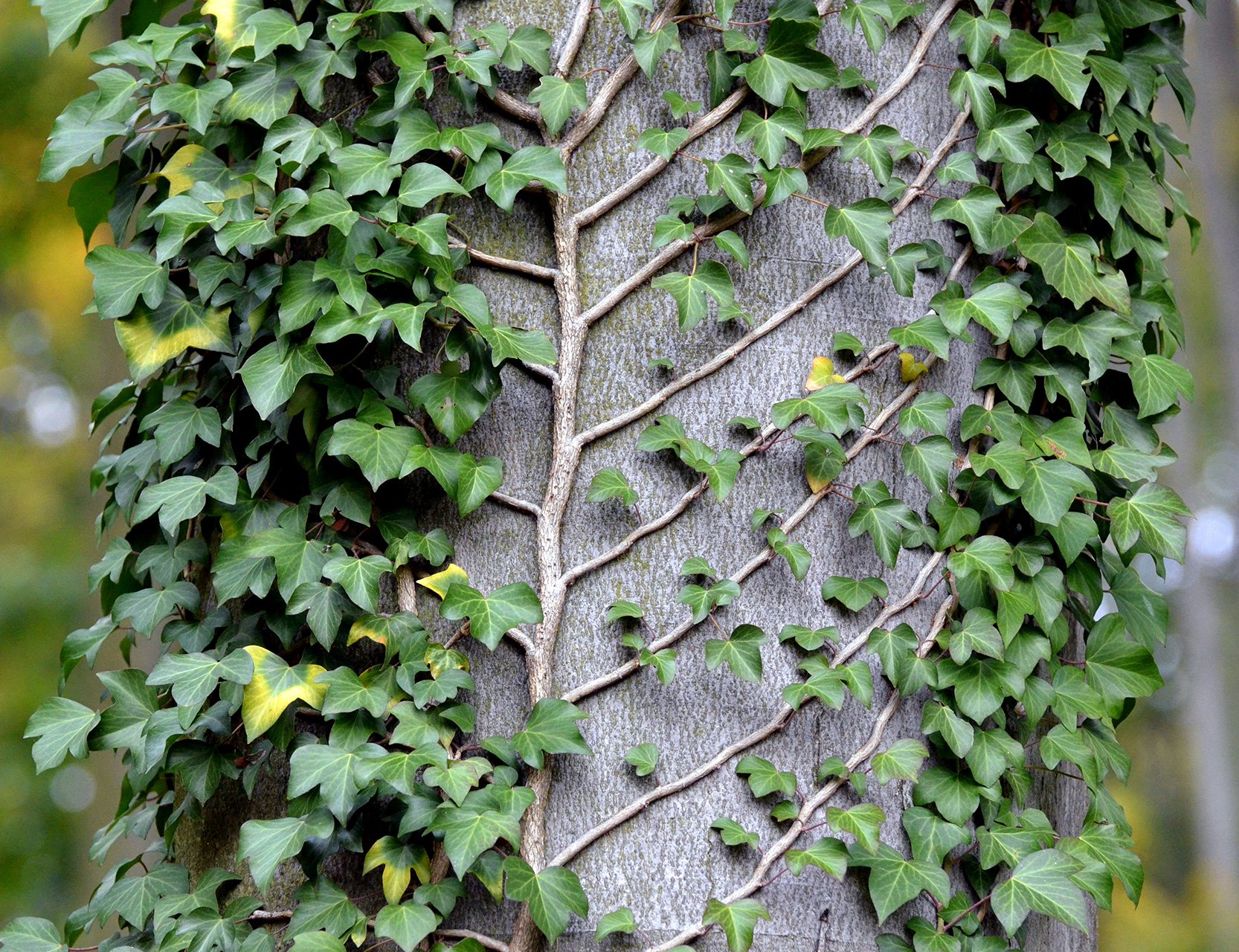
Photo: Porcelain Berry vine, Wikimedia Commons
Elizabeth Martin
English Ivy, Wikimedia Commons
The Virginia House of Delegates and Senate have approved two bills that can help deter the spread of invasive plants in Virginia and encourage use of native plants. The next step is to send the bills to the Governor for approval. The success of the bills so far is due to tireless efforts of two northern Virginia legislators, Delegate David Bulova (37th District) and Delegate Paul Krizek (44th District) and advocacy by conservation organizations and voters throughout Virginia. Thank you from ASNV and its members! Please take a few minutes to write each of them a personal thank you.
The Two Bills
Delegate Bulova’s HB 2096 requires the state agriculture board to develop a list of invasive plant species, and includes provisions to discourage their use. The bill directs the board to develop regulations requiring commercial designers and installers to notify property owners of proposed use of any plants on the state’s invasive plants list. Because plant retailers and customers often do not know which plants are invasives, the requirement to provide information allows customers to make better choices. The bill also prohibits state agencies from planting, selling, or propagating the plants except for scientific or educational purposes. It also authorizes the board to adopt regulations for permits to move, transport, deliver, ship, offer for shipment, sell, or offer for sale any invasive plant.
Delegate Krizek’s HB1998 directs state agencies to prioritize native plant species and to take steps to identify state properties for native plantings and prepare guidance to rehabilitate state properties degraded by invasive species. Because the state owns many large properties, such as universities and prisons, the bill would expand native plant habitat. It also provides the state the opportunity to set an example for responsible environmental stewardship by enhancing its properties’ habitats with native plants that serve Virginia wildlife.
So Why Is This Important?
Non-native plants were introduced into the United States intentionally or accidentally by people sometime after Europeans first arrived in North America. Many are important food crops or ornamental plants that do no harm. But many are harmful invasives, non-native plants that can spread out of control and overwhelm and displace native vegetation. They can spread dangerously because they have no natural predators in our ecosystem. Even if an invasive plant appears to be “under control” in a private yard, its seeds can spread and invade nearby parks and wildlife areas. Native plants co-evolved with local wildlife and provide the best food value to them. An area overrun with non-native invasives is a food desert for native wildlife that depends on native plants to survive.
Chickadees provide a good example of that dependence. Research shows that unless a yard is at least 70 percent native plant material, it cannot support even one family of chickadees. Chickadee nestlings depend on caterpillars to survive, and caterpillars eat very specialized native plant species. No native plants (or trees) means no caterpillars, and that means no birds. Our native wildlife is losing habitat not only to development but also to encroachment by invasive plants, and habitat loss is the largest cause of the decline of North American birds.
The annual cost of invasive plant species in the U.S. is estimated to be $35 billion. (Swearingen and Fulton, Plant Invaders of Mid-Atlantic Natural Areas, 2022, p. 10). Current Virginia law identifies only 14 plants on the state’s “noxious weeds list,” but the list of invasives recognized by the Department of Conservation and Recreation is much longer. Common invasive plants in Northern Virginia include English ivy, running bamboo, Bradford pear trees, tree-of-heaven, oriental bittersweet, privet, porcelain berry and stilt grass. Virginia law allows the sale of most of them, and they have invaded our parks and reserves. Change, like that called for in the Bulova and Krizek bills, is sorely needed.
What You Can Do
Here are the links to track the further progress of Delegate Krizek’s HB 1998 and Delegate Bullova’s HB 2096. If you’re interested in learning more about how to advocate for legislation to improve wildlife habitat and halt the decline in bird populations, contact the ASNV Advocacy Committee using this link]
There’s more information available about invasive species, the harm they do, and what you can do about them here. And if you’d like to tackle invasives in your own yard, request a visit here from an Audubon at Home Ambassador who can help you identify them, tell you how to remove them, and advise on native plants that will enhance the habitat value of your property.
You Can Help Stop the Spread of Invasive Plants
What do English ivy, barberry, butterfly bush, and mimosas (the tree, not the drink) have in common? You can find them in most Northern Virginia neighborhoods, and you can buy them at many local nurseries, garden shops and big box stores. But they are all invasive plants in Northern Virginia.
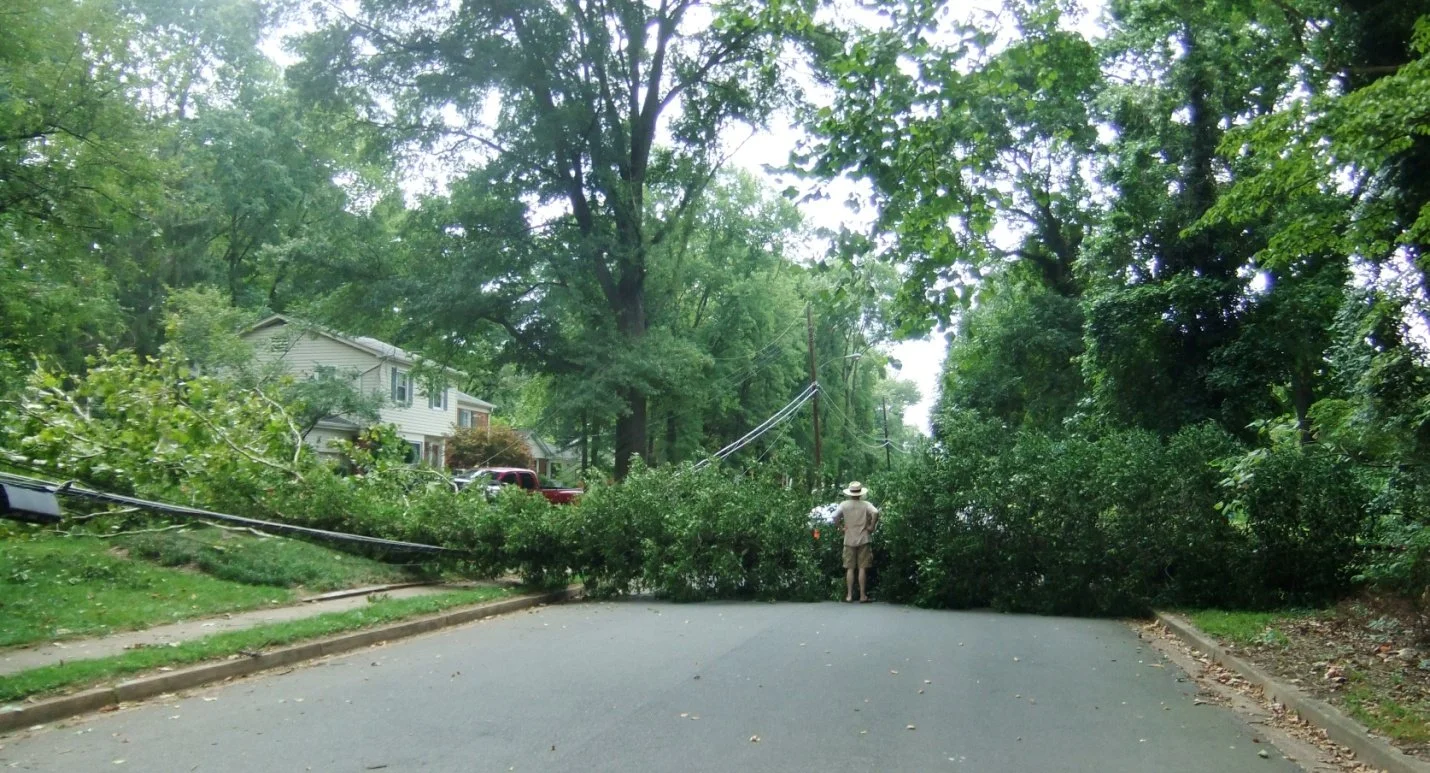
Photo: English Ivy, an invasive species in Northern Virginia, Wikimedia Commons
What do English ivy, barberry, butterfly bush, and mimosas (the tree, not the drink) have in common? You can find them in most Northern Virginia neighborhoods, and you can buy them at many local nurseries, garden shops and big box stores. But they are all invasive plants in Northern Virginia and can harm the environment. Although they threaten to overwhelm us, there are some steps you can take to reduce their spread.
English Ivy, Wikimedia Commons
But before we get to actions you can take, a little background: Invasive plants are species that have been introduced by human activity into a region in which they did not evolve and cause harm to natural resources, economic activity or humans. The Virginia Department of Conservation and Recreation’s website states that invasive plants cause more than $120 billion each year in losses in the United States. They displace natural plant species that provide habitat and food for native animals, and some can clog waterways, cause crop losses and degrade soil.
Passing state legislation to curb the sale of invasive plants in Virginia has so far mostly been unsuccessful, due largely to the opposition of growers and sellers. In February 2021, the legislature approved a bill creating a workgroup to evaluate various methods of reducing the sale of invasive plants. The workgroup, which included Glenda Booth representing ASNV, issued a report that largely failed to meet the objectives set out in the enabling legislation, concerns expressed at pages 24-25 of the report.
In the 2022 regular General Assembly session, Delegates Paul Krizek and David Bulova introduced bills that, among other things, would have required retail establishments to label invasive plants to educate consumers about which plants are invasive and would have prioritized the use of native plants on state property. Unfortunately, the only legislation enacted requires the Commissioner of Agriculture to develop a brochure that retail establishments can use to explain the value of native plants and the harm caused by invasives. Retail establishments would have to reproduce the brochures at their own expense, and the law will expire on July 31, 2023.
Several legislators may introduce bills in the 2023, session which will begin in January, and we will report on them when they do.
Steps You Can Take Now
Would you like to help reduce the number of invasive plants in our region? Here are four things you can do:
Educate yourself on what plants are invasive before your next trip to the plant nursery. You can get a list of invasive plants on the website of the Virginia DCR and guides to native plants on the Plant Nova Natives website.
Remove invasive plants from your yard and replace them with native plants. For guidance on making your yard a wildlife sanctuary, contact Audubon at Home for a visit.
Sign a petition asking Home Depot to stop selling invasives. Having failed in their efforts to achieve significant statewide action on invasive plants, some concerned residents of Northern Virginia are trying now to convince a local retail establishment to stop selling invasives. Lauren Taylor, who participates in Fairfax County’s Invasive Management Volunteer Program, created the online asking Home Depot to stop selling invasive plants. More than 50,000 people have signed the petition so far. The petition has garnered support from Plant NOVA Natives, Blue Ridge Partnership for Regional Invasive Species Management, and other groups.
Join the hundreds of volunteers working to better control invasive plants, through Fairfax County’s Invasive Management Volunteer Program, and programs sponsored by EcoAction Arlington, the Friends of Dyke Marsh, and other organizations throughout Northern Virginia.
Ivy Kills!
Ivy is an invasive exotic species that destroys trees and natural habitat. Please, do not allow English ivy to grow up trees on your property, and if it has done so, take steps to remove it.
Photo: Betsy Martin
Betsy Martin
One hot August night several years ago, a Sycamore tree fell across the street a block from my house. It took out a pole as well as power, telephone, and cable lines. The street was blocked for a day, and many residents were without power for hours. For some residents, it was days before their services were restored.
Fallen Sycamore, Betsy Martin
Luckily, the tree was relatively young (about 40 years old, according to the tree service) and had not reached its mature size, so it did not fall on a house across the street in which four young children and their mother were sleeping. Because it was late at night, the streets were empty and no one was hurt by the falling tree or the downed power lines.
The tree was not dead or diseased. There was no storm or big wind. According to employees of the tree service, the tree was brought down by the weight of English ivy that had grown almost to the top of the tree. (You can see it in the photo above.)
English ivy destroys trees and creates hazards. Its weight can bring a tree down, as happened in this case. In a storm, the ivy acts as a sail to uproot a tree, and ivy becomes even heavier with water trapped in its dense foliage. Ivy also traps moisture next to the tree’s trunk, and causes disease which creates habitat conducive to rats, and the spread of West Nile virus. It then displaces native plants that benefit wildlife, and creates a food desert—native insects cannot eat it and so birds cannot find caterpillars to feed their young in a forest smothered by ivy.
Ivy is an invasive exotic species that destroys trees and natural habitat.
Please, do not allow English ivy to grow up trees on your property, and if it has done so, take steps to remove it. (See below for guidance on removing ivy from trees.) The beauty of the numerous mature trees in our Northern Virginia neighborhoods depends on your interest in taking care of them.
Preventing ivy from growing up your trees is probably the single most important thing you can do to keep trees healthy—and safe.
If you’re concerned about ivy growing up your trees, first be sure it’s English ivy. Ivy is evergreen (stays green all winter) and has distinctive three-lobed leaves like this:
English Ivy leaf
Removing ivy from trees is simpler than you might think. You can get rid of the ivy in three fairly easy steps:
With big loppers, cut the ivy stems that are growing up the tree trunk. Cut them near the ground. For very thick stems, it may take a hand saw. Be careful not to damage the tree or its bark with the saw.
Next, cut the ivy stems about three feet above the ground. Make sure to cut all the ivy stems—don’t leave any growing up between the ground and the second set of cuts you’ve made.
The last step is to wait. The ivy will die, turn brown, and eventually fall from the tree. Don’t try to pull the ivy down—that is a lot of work, and can be harmful to the tree and dangerous to you, especially if you’re dealing with a large mass of ivy.
Eliminating ivy from around trees is the most helpful action you can take, because even if it is removed from trees, a stand of ivy near trees will eventually grow up. Ivy needs to grow vertically to set seed, and when it does, birds eat the berries and spread new ivy plants far and wide.
In addition to liberating your own mature trees from English ivy and other invasive vines, please consider joining up with other Tree Rescuers as part of the Plant NOVA Trees campaign. (The Tree Rescuers link has lots of good information about what to do about invasive vines, and how you can help your neighborhood preserve its trees.)
So much depends on the preservation of our native tree canopy. Native trees clean the air and water, store carbon, create shade that mitigates intensifying heat, beautify our yards and neighborhoods, and provide critical habitat for birds and other wildlife. It is at least as important to save the native trees we have as to plant new ones.
Invasive Plants Bill Became Law
Under a new law, the General Assembly has directed the Virginia Department of Agriculture and Consumer Services (VDACS) to prepare a brochure that explains the value of native plants and the harm from noxious weeds and other invasive plants.
Photo: Ivy-smothered tree, Glenda Booth
Under a new law, the General Assembly has directed the Virginia Department of Agriculture and Consumer Services (VDACS) to prepare a brochure that explains the value of native plants and the harm from noxious weeds and other invasive plants. The brochure is for use by retail establishments that sell plants. The new law also requires the Department to post information on how to get more information about noxious weeds and invasive plants on its website and to work with “industry stakeholders” to promote distribution of the brochure.
Invasive Porcelain Berry Vine, Glenda Booth
The bill the General Assembly passed evolved from a bill introduced by Delegate Paul Krizek, HB 314, which required VDACS to develop a model sign for retail vendors that explains the value of native plants and the harm of invasive plants and a model label that could be used for the sale of plants. The House of Delegates approved a substitute bill on a 99 to zero vote and the Senate, on a 39 to zero vote. Governor Glenn Youngkin signed it into law.
ASNV participated in a workgroup last year created by the General Assembly to prepare legislative recommendations to “reduce, mitigate and eliminate the continued sale and use of invasive species” that the Department of Conservation and Recreation (DCR) identifies as invasive. The workgroup’s report made very few recommendations. Delegate David Bulova, the author of the bill that created the workgroup, introduced several bills this past session addressing invasive plants, but none of them advanced.
Proponents of the bills made several arguments. Having information at the point of sale is critical to educating consumers and to encouraging the purchase of native plants and avoidance of invasive plants. Many retail employees are not knowledgeable about native and invasive plants and thus provide limited guidance to consumers. VDACS has experience with educating the buying public as the administrator of the Virginia’s Finest program, which promotes Virginia food and beverage products.
The key to halting the spread of invasive plants, according to Chris Ludwig, former Chief Biologist, DCR Natural Heritage Division, is to (1) prevent the introduction of invasive plants and (2) control those that are here.
Although the workgroup’s report and the failure of several other bills are disappointing, at least Delegate Krizek’s bill became law. ASNVers should thank Delegates Krizek and Bulova for their efforts.
Millions of Trees at Risk in Northern Virginia? Introducing Tree Rescuers!
Northern Virginia’s oldest and best-loved trees are in danger, and the threat is in plain sight – and yet there are few who can see it.
Photo: Invasive vines enveloping trees, Margaret Fisher
Plant NOVA Trees
Northern Virginia’s oldest and best-loved trees are in danger, and the threat is in plain sight – and yet there are few who can see it.
But help is on the way! Tree Rescuers – a new community education and outreach program – is shining a light on non-native invasive vines, which pose a mortal threat to millions of mature trees in Northern Virginia.
Mature tree enveloped in invasive vines, Margaret Fisher
More than 130 people from neighborhoods across Northern Virginia have already volunteered with Tree Rescuers, a new campaign sponsored by Plant NOVA Trees and aimed at preserving our area’s mature trees.
“We were amazed at how many people were ready to do something like this for the trees but didn’t know how to get started,” said Margaret Fisher, one of the coordinators of Plant NOVA Trees. “This is a great time to start, since the leaves are down and the vines can be seen more easily.”
As many as three million trees in Northern Virginia may be at risk, said Fisher.
Many people are unaware that invasive vines like English Ivy can eventually make a tree hazardous (and expensive to remove). Tree Rescuer’s volunteers learn how to identify problematic vines, then walk their neighborhoods spotting trees that need help.
The Tree Rescuers don’t remove any vines themselves, but they warn landowners by dropping off a brochure explaining the problem and ways to fix it.
Data gathered by Tree Rescuers will also help improve knowledge of the actual number of trees at risk, since the collected data is being aggregated and mapped. A map of neighborhoods surveyed can be viewed here.
Tree Rescuers is part of Plant NOVA Trees, a five-year campaign by local governments and nonprofit organizations to increase tree cover in Northern Virginia. Native trees are a key part of the solution to many community problems, from extreme weather and air and water quality to the health of birds, wildlife, and the Chesapeake Bay.
For more details about Tree Rescuers, or to volunteer, click here.
Free the Trees!
Are you upset at the sight of trees being swallowed up by invasive vines? Here is an opportunity to do something about it.
Photo: Porcelain Berry vines engulfing trees, Margaret Fisher
Are you upset at the sight of trees being swallowed up by invasive vines? Here is an opportunity to do something about it.
Recently, Jesse Buff, the Volunteer Program Coordinator for the Chesapeake Climate Action Network, personally walked around Takoma Park and counted every tree that had a bad enough infestation from invasive vines to be at risk of dying within the next five to seven years. In that two square mile town, he counted nearly five thousand such trees. If you extrapolate that to Northern Virginia, we could have over three million trees at risk! A short drive anywhere in our region confirms that this would not be an unrealistic guess.
Porcelain Berry vines engulfing trees, Margaret Fisher
Local park authorities do what they can on their properties but have limited resources. For most of the rest of the trees, there is no plan to save them. Plant NOVA Natives/Plant NOVA Trees, of which ASNV is a founding member, took a look at that situation and came up with an initial step toward fixing it. Everyone in Northern Virginia is invited to become a Tree Rescuer, which involves walking around our communities and public spaces and doing a count, then dropping off a brochure or otherwise communicating with the owners about the problem and how to save the trees.
Very little plant knowledge is needed to participate in this educational program, because in most cases it is quite obvious when a tree is in trouble. Before actually cutting a vine, though, it is important to make sure it is in fact an invasive plant and not one of our several native vines, which evolved with our native trees and rarely threaten their health. Their berries are an important food source for birds. The Plant NOVA Trees website has information about how to make the distinction, and a series of short instructional webinars is underway to provide more details. Recordings of the first webinars, which include an introduction to the Tree Rescuers program, are available on the Plant NOVA Natives YouTube channel.
Of course, counting the trees at risk is one thing, freeing them up is quite another. All our park authorities need volunteers to help cut the vines. Community associations need residents to help them create a master plan for their trees, which may involve a combination of volunteer and professional invasives removal. Communities may also have the option of developing an agreement with utility companies or VDOT to take over vegetation management in those easements. Where action is needed by local governments and state agencies, elected officials will need input from their constituents to justify the expenditures.
Clearly, waiting around for someone else to rescue our community’s trees is not working. If you can help, even if only in your own neighborhood, read the details and sign up on the Plant NOVA Trees website. You may find that once you start surveying, you won’t want to stop!
Party Time on the Disc Golf Course
We don’t usually associate the native plant movement or a tree campaign with sports, but players at the Giles Run Disc Golf Course see it as a natural connection.
Photo: Kemper Pogue and Tommy Donelson, Margaret Fisher
(Reprinted from Plant NOVA Natives)
We don’t usually associate the native plant movement or a tree campaign with sports, but players at the Giles Run Disc Golf Course see it as a natural connection. Their course, about a third the size of a regular golf course, was created in 2008-2009 by the Fairfax County Park Authority on land that was formerly mowed grass around the Lorton Prison. Unfortunately, disturbed land with a lot of edge habitat is an invitation to invasive non-natives plants to move in, and move in they did with a vengeance after the prison closed in 2000. The Oriental Bittersweet vine has been particularly problematic, turning the areas next to the fairways into a tangled mess and swallowing up the native trees and shrubs as well as the players’ discs.
Most people would probably just expect someone else to fix the problem, but disc golfers turn out to be a different sort. Organizers Tommy Donelson and Kemper Pogue started recruiting players to participate in invasive removal parties, complete with music from a portable speaker. Forty or fifty club members have joined in this fun and free way to build upper body strength, clearing out large swathes of invasives. They have also recruited other volunteers to help, starting the sessions with half an hour of education before tackling the job. Altogether, they have been putting in a hundred hours in nine sessions every month, year-round.
Photo: Kemper Pogue and Tommy Donelson, Margaret Fisher
Oriental Bittersweet is a particularly troublesome plant when taken out of its native habitat in East Asia and imported elsewhere, as it was for its pretty red and yellow berries which are used for decorations. It twines around trees, strangling them and bringing them down. It curls itself into impenetrable thickets. When cut down, it simply regrows stems that can reach high up into trees to latch onto the branches and keep going up from there. Eliminating it requires either pulling it up by its roots, some of which can be several inches thick, or using herbicides.
It did not take long for the disc golfers to understand that the invasives issue on their course is just one example of a much greater threat to our ecosystem in Fairfax County and the world in general. They are planning to eventually replant with native plants and have been spreading the word about how important it is for residents to take out invasive ornamentals from their own yards and use more natives to support the struggling ecosystem. Information about garden-friendly native plants can be found on the Plant NOVA Natives website. Meanwhile, they would be happy to invite others to their work parties. They can be contacted at GilesRunVolunteer@gmail.com. There are plenty of opportunities in other parks as well to help with invasive removal. Cold weather (within reason) is no obstacle, since this is warm work.
Action Alert: Invasive Plants Legislation
Contact your legislators now and ask them to vote in favor of this bill, which will help guide Virginia in controlling the sale of invasive plants. Read on to find out how.
Photo: Burning Bush (Euonymous alatus)
Ask your state senators and delegates to support this bill on invasive plants!
Contact your legislators now and ask them to vote in favor of this bill, which will help guide Virginia in controlling the sale of invasive plants. This bill will mandate a study that will explore options for phasing out the propagation and sale of invasive plants in Virginia’s horticultural industry, which may include potential legislative action to be brought the following year to the 2022 General Assembly. The study group, which will include representatives from the nursery and landscaping industry, state agencies and environmental groups, will produce a report of their recommendations and findings. This is a big step forward in the fight against invasive plants!
Please call or email both of your legislators now and ask them to support the study bill. During this unusually short legislative session, things will move very fast, so do not delay. You should write the state senator and delegate from your own district, but copy all the members of the Senate and House Agriculture, Conservation and Natural Resources Committees (see below).
When you contact your legislators please use your own words. Some points you might include:
Invasive species: Chinese Slivergrass (Miscanthus sinensis)
Our local ecosystem is under serious threat from many quarters. We must stop making the situation worse.
Virginia native plants are the basis of our ecosystem. Invasive introduced plants crowd them out, bringing down trees and ruining our natural areas.
You yourself have seen commonly-sold introduced plants that have escaped into the wild (examples include English Ivy, Japanese Barberry, Japanese Pachysandra, Asian Wisteria, Burning Bush, Chinese Silvergrass, Privet, etc.)
It costs taxpayers large amounts of money to control these invasive species in their parks. State and local budgets have been able to cover only a fraction of what is needed.
It has cost you hours of labor and/or a lot of money to control these plants in your yard and/or a place you volunteer.
There are plenty of non-invasive plants that are every bit as nice that could be substituted for these invasives.
You can find your senator and delegate by using Who's My Legislator.
Senate Agriculture, Conservation and Natural Resources Committee members:
Chap Petersen (Chair), Emmett Hanger, Frank Ruff, Mark Obenshain, Richard Stuart, David Marsden, William Stanley, Lynwood Lewis, David Suetterlein, Monty Mason, Jennifer McClellan, Barbara Favola, Joseph Morrissey, Todd Pillion, Ghazala Hashmi
For their contact information, click on their last names.
Senate committee member email addresses:
district34@senate.virginia.gov;
district24@senate.virginia.gov;
district15@senate.virginia.gov;
district26@senate.virginia.gov;
district28@senate.virginia.gov;
district37@senate.virginia.gov;
district20@senate.virginia.gov;
district06@senate.virginia.gov;
district19@senate.virginia.gov;
district01@senate.virginia.gov;
district09@senate.virginia.gov;
district31@senate.virginia.gov;
district16@senate.virginia.gov;
district40@senate.virginia.gov;
district10@senate.virginia.gov
House Agriculture, Chesapeake and Natural Resources Committee members:
Ken Plum (Chair), Robert Bloxom, David Bulova, Joshua Cole, James Edmunds, Todd Gilbert, Wendy Gooditis, Nancy Guy, Dan Helmer, Sally Hudson, Mark Kean, Alfonso Lopez, Daniel Marshall, Charles Poindexter, Margaret Ransone, Shelly Simonds, Kathy Tran, Roslyn Tyler, Lee Ware, Michael Webert, Rodney WIllett, Tony Wilt. Find their contact information here.
House committee member email addresses:
DelWGooditis@house.virginia.gov;
DelDBulova@house.virginia.gov;
DelDHelmer@house.virginia.gov;
DelSHudson@house.virginia.gov;
DelSSimonds@house.virginia.gov;
DelRWillett@house.virginia.gov;
DelDMarshall@house.virginia.gov;
DelTGilbert@house.virginia.gov;
DelCPoindexter@house.virginia.gov;
DelJEdmunds@house.virginia.gov;
DelMWebert@house.virginia.gov;
DelMRansone@house.virginia.gov;
DelRBloxom@house.virginia.gov;
At the Legislative Information System (LIS) (https://lis.virginia.gov/) you can track legislation and review committee agendas prior to a meeting.
The Bill’s Language (draft):
Invasive Plant Species Study
That the Department of Conservation and Recreation (DCR), jointly with the Virginia Department of Agriculture and Consumer Services (VDACS), shall convene a work group to examine the sale of invasive plant species by any entity, including the retail, landscape, greenhouse and nursery industries, and consider measures to reduce and eliminate their use and promote the use of native plants in the commonwealth. The work group shall include representatives of DCR, VDACS, the Department of Forestry, the Virginia Department of Transportation, Virginia Department of Wildlife Resources, Virginia Native Plant Society, Blue Ridge PRISM, Audubon Society of Northern Virginia, the Virginia Nursery and Landscape Association, the Virginia Agribusiness Council and the Virginia Farm Bureau Federation. The work group shall examine measures to reduce, mitigate and/or eliminate the continued sale and use of identified invasive species, as identified in the Virginia Invasive Plant Species List by DCR. This would include, but not be limited to: (i) labeling of invasive plant species at point of sale; (ii) taxing the sale of invasive species and applying revenue to the removal of invasive species and potential restoration of sites for native habitat; (iii) expanding the noxious weed list to include invasive plant species currently being sold by the industry or other parties; (iv) support for education and outreach, including state partnership with nonprofit organizations either fully or partially dedicated to the preservation of Virginia’s natural heritage, on the reduction of the use of invasive plant species and/or promoting the use of non-invasive or native plant species as substitutes and; (v) measures to increase the use of native plants on local and state government owned properties and projects. The work group shall make recommendations on (a) changes to guidance or regulations for agencies having the authority to regulate activities associated with the work group's work, and (b) statutory changes, including but not limited to changes related to the placement of plant species on the Noxious Weed list (§ XXX et seq. of the Code of Virginia). The work group shall report its recommendations to the Director of DCR and the Commissioner of VDACS by December 1, 2021.