NVBA NEWS BLOG

Welcome to the blog for Northern Virginia Bird Alliance, a wealth of resources about northern Virginia birds, wildlife, habitat conservation and restoration, native plants, wildlife-friendly gardening, advocacy and more.
President's Corner Jess Michetti President's Corner Jess Michetti

Letter to Our Members

For the last four years it’s has been a pleasure and an honor to be NVBA’s president. I want to take this opportunity to thank the great folks on our board, on our staff, in our volunteer ranks, and among our members and communities – and to highlight how, working with these groups, NVBA has been able to strengthen and grow its bird and nature conservation efforts. 
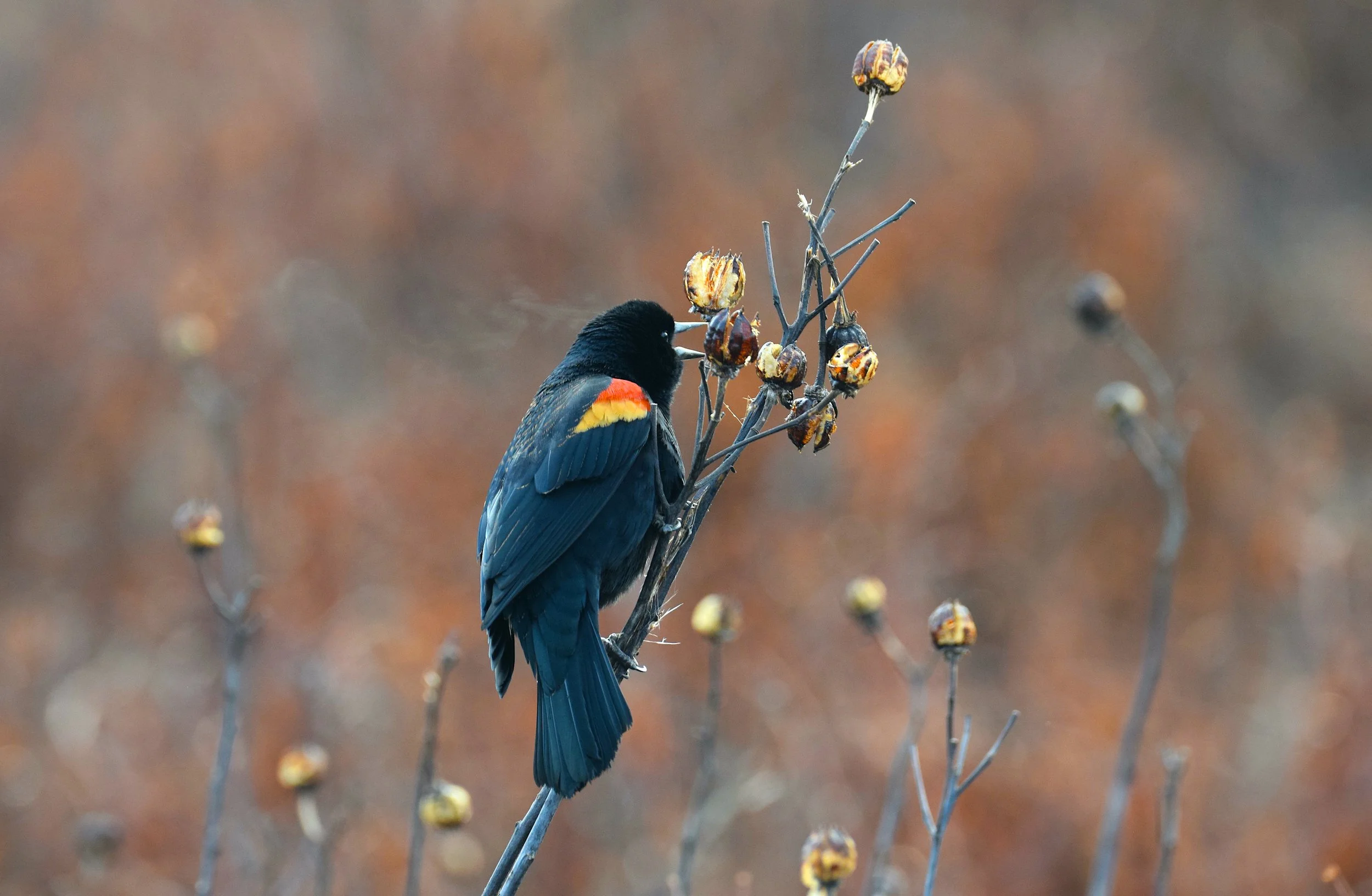
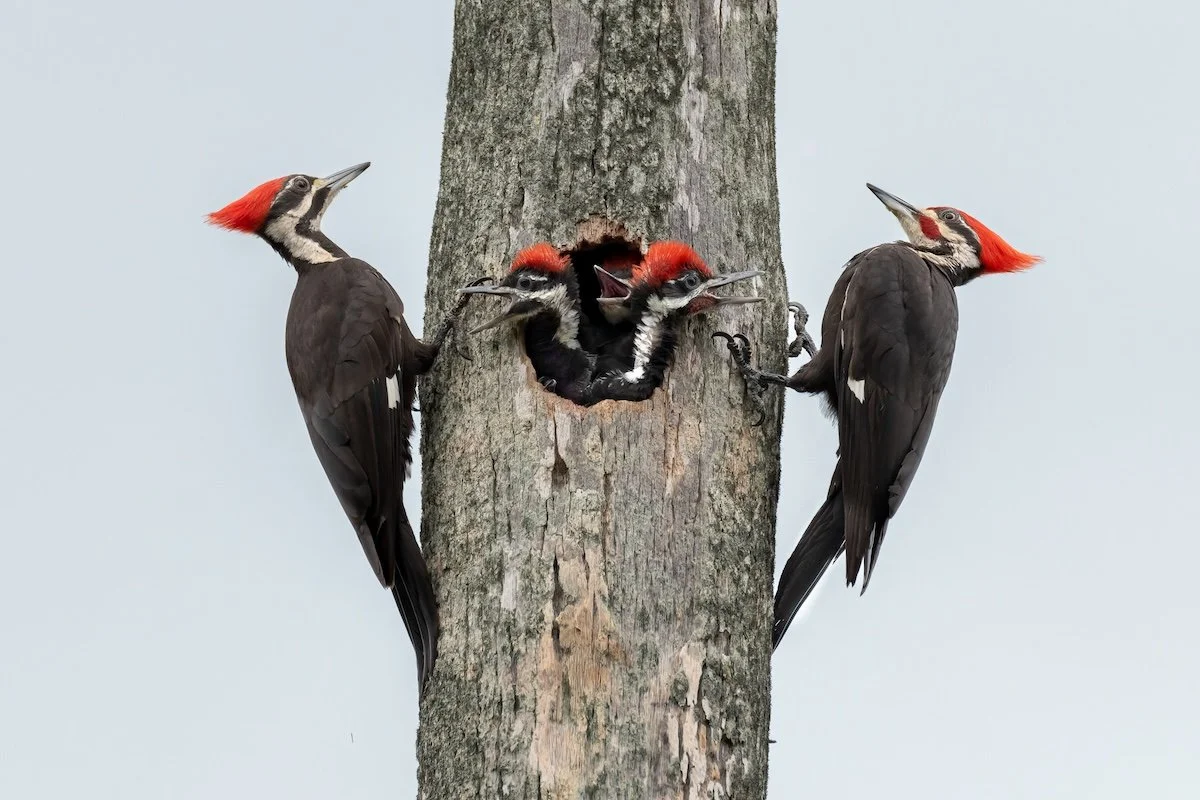
Photo: Pileated Woodpeckers, Jan Nickols/Audubon Photography Awards

Libby Lyons, President

For the last four years it has been a pleasure and an honor to be NVBA’s president. I want to take this opportunity to thank the great folks on our board, on our staff, in our volunteer ranks, and among our members and communities – and to highlight how, working with these groups, NVBA has been able to strengthen and grow its bird and nature conservation efforts. 

My special thanks go to our board members, past and present, for their wise guidance and unflagging commitment. I have greatly appreciated their willingness to debate tough issues, to roll up their sleeves, and to dive into the hard work of advocacy, habitat restoration, communications, finances, and more. And as our board has grown it has come to better reflect the diversity of northern Virginia communities, providing new perspectives from different cultures and different age groups.

I also thank our executive director, Amanda Robinson, for her excellent and tireless efforts. In the year and half since she joined us, she has ably taken on the executive leadership role, helping NVBA to focus on strategic activities and issues, supervising our amazing staff members, improving our fundraising efforts during a difficult economic period in northern Virginia, and making NVBA a more professionally-run organization. 

I send a huge shout-out to our many amazing volunteers. They are truly the lifeblood of NVBA. I am in awe of the thousands of hours these dedicated folks donate every year. For example, NVBA volunteers have for decades conducted year-round wildlife surveys and citizen science programs to monitor wild populations of birds, insects, and plants in our region. I am so grateful that NVBA can tap into our volunteers’ love of birds and nature as well as their many talents and experiences to help deliver on its promises.

All of these folks have helped us protect wildlife and conserve habitat in a rapidly-urbanizing area.

I am proud of our Nexgen Birders for Conservation program which has engaged more than 500 people from our younger communities by offering positive, hope-affirming conservation activities to generations in which anxiety about climate change is powerful.

My sincere gratitude goes out to the huge team that has made our Stretch Our Parks initiative a reality, helping to stretch wildlife-friendly habitat in and around parks, assisting park authorities meet their nature-related aims, and helping to build social capital for conservation within communities. I am excited that NVBA volunteers and our dedicated partners in this program have provided a pathway for expanding to increase its impact.

I also am very appreciative of the continued excellence and expansion of our Wildlife Sanctuary Program. My yard is a certified wildlife sanctuary, which lets me see daily the benefits of gardening for conservation. I also have seen how the program has engaged people across our region in improving habitat where they live to become part of a larger conservation effort.

It has been heartening to see NVBA expand its regional efforts by convening symposia for stakeholders from different organizations and communities, to help build networks and develop and share best practices in wildlife conservation across northern Virginia. 

My thanks also go to our great advocacy team, which has bolstered NVBA’s standing as a respected voice for nature. Their efforts have been effective at engaging both the public and policymakers in local jurisdictions and in Richmond across a wide range of issues that impact bird and wildlife conservation.

One of NVBA’s hallmarks has always been its ability to engage northern Virginians about birds and wildlife. I have been delighted to see this work continue and grow, for example, in our expanded range of high-quality communications. I marvel not only at the range of articles we publish (in English and in Spanish), but also at breadth of bird- and nature-related educational programs that we offer that reach many hundreds of people each year both online and in person. When I tune into one of our virtual programs or attend one of our bird outings, I can see NVBA helping to spread that infectious joy that comes from being engaged with nature and learning about birds and other wildlife.

And of course, I want to offer my deep appreciation to our many members who have supported us as donors, as volunteers, and as voices for nature. I am humbled that you have entrusted us with your donations and with the stewardship of this organization as it tackles these many responsibilities.

I look forward to continuing to work with NVBA. I will stay on the board and be active in bird conservation – what I love most to do. I am excited about supporting NVBA’s new president and to being a part of NVBA’s future work!

Read More
President's Corner Jess Michetti President's Corner Jess Michetti

Letter to Our Members: Spring Renewal - A Call to Action for All of Us

The equinox is a reminder that things begin again. Birds feel it before we do, returning, singing, coming back to the spaces they need. And that's exactly what I want us to think about this May during spring migration and the local nesting season: who gets to be in those spaces with them?
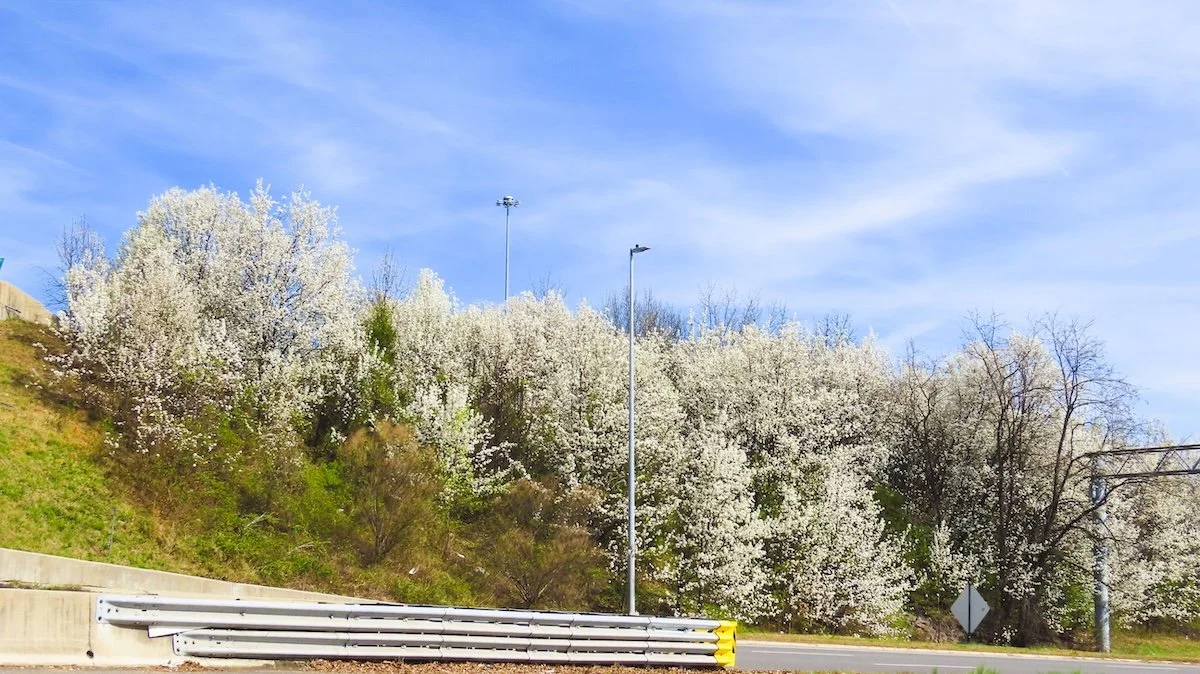
Photo: Red-winged Blackbird, Lauren Puckett/Audubon Photography Awards

Ajani Simmons

I broke my camera photographing Bald Eagles at Conowingo Dam.

It was the kind of moment that should have felt devastating, and for a while, it did. I stepped back from birding. I forgot, temporarily, everything I had taught myself. But slowing down gave me something unexpected: a reminder that birding was never really about the equipment. Not the camera. Not even the binoculars. It's about being there with the birds, and for the birds.

When I was ready to come back, I didn't go chasing something rare. I went to Huntley Meadows for one bird, a bird that doesn't always make seasoned birders' hearts race, but it inspires me. I needed to hear the shrill call of the male Red-winged Blackbird (one of the first bird calls I ever learned), and I'm not embarrassed to say, still one of my favorites. The moment I heard it, something in me reset. That call was my call to action.

Red-winged Blackbird. Photo: Ajani Simmons

Spring has a way of doing that. The equinox is a reminder that things begin again. Birds feel it before we do, returning, singing, coming back to the spaces they need. And that's exactly what I want us to think about this May during spring migration and the local nesting season: who gets to be in those spaces with them?

As a new board member and Master Naturalist who still considers himself a baby birder compared to many of you, and as a Black man in conservation spaces that don't always reflect people who look like me, I think about this constantly. Birding, at its best, isn't about finding the rarest bird on the list. It's about community. It's about creating spaces where people actually feel like they belong — for all of us, alongside diverse birds and ecosystems.

I am laser-focused on this as part of NVBA's Diversity and Inclusion Committee. Conservation only works if everyone is invested in it: every color, every age, every identity, every ability. We cannot protect what people don't feel connected to. And people cannot connect to spaces where they don't feel they belong.

My path forward is simple: 

  • Meet people where they are.

  • Make this less intimidating.

  • Have real conversations.

  • Get people outside.

  • Hold onto a concept I carry with me from South African Ubuntu philosophy -- "I am because we are. We are because the Earth is."

The Red-winged Blackbird doesn't know it inspired me that day at Huntley Meadows. It was just doing what it does. It sings loudly, fights for its space and finds joy in the season. I think we can take a lesson from that.

This spring, I hope you'll join me and bring someone new with you.

Read More
President's Corner Jess Michetti President's Corner Jess Michetti

Letter to Our Members: Right Now Is a Great Time to Get Rid of Your Invasive Plants

The Virginia Legislature has passed legislation, now awaiting the Governor’s signature, which will help combat the spread of invasive plants. But the new laws don’t do anything about the invasive plants in your own, or your neighbors’, yards. Here are a few that are at the top of my Enemies List, along with some suggestions on what to replace them with. 
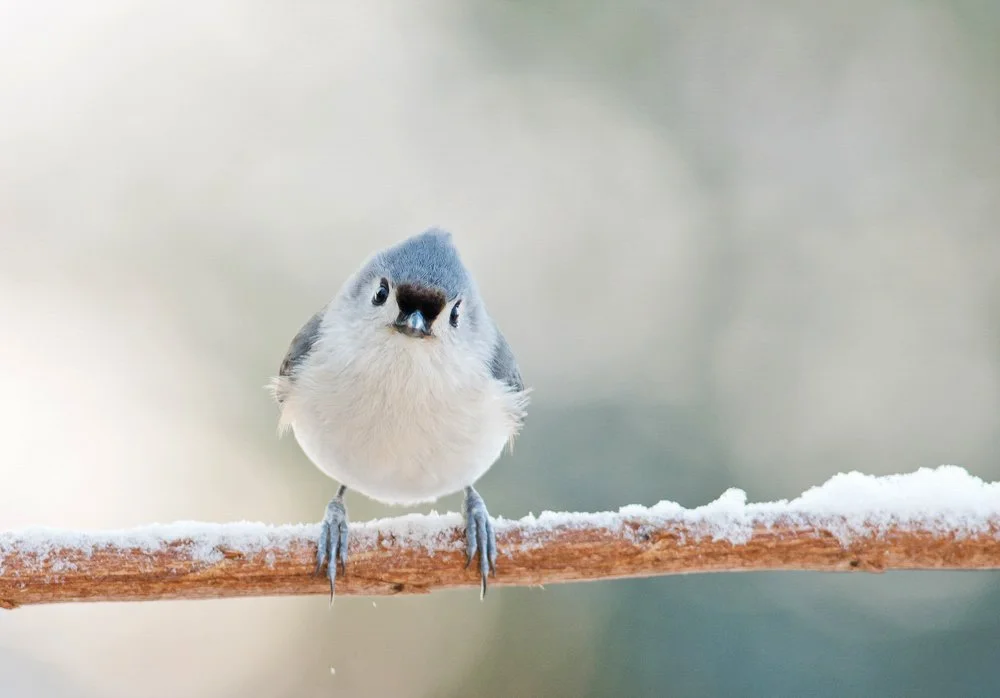
Photo: Callery pears, Tom Blackburn

Tom Blackburn, Chair, Advocacy

The Virginia Legislature has passed legislation, now awaiting the Governor’s signature, which will help combat the spread of invasive plants. You can read more about that here. But the new laws don’t do anything about the invasive plants in your own, or your neighbors’, yards. Here are a few that are at the top of my Enemies List, along with some suggestions on what to replace them with. 

Callery (Bradford) Pear: As I drove south on I-95 the other day, I was struck, as I am every spring, by the thousands of Callery Pear trees along the highway. For most of the year, Callery Pears are not very noticeable. But they burst into bloom in early spring, reminding everyone of how invasive they are. Do you still have one in your yard? We had two, bought when they were still considered to be the perfect ornamental tree. They lasted until my wife Brenda, and I decided twenty-five years ago that they had to go. My wife, more action-oriented than I am, began cutting one down with a hand saw about 5:30 one Sunday morning. She woke me up to tell me the 30-foot-tall tree was about to come down. I threw on some clothes and rushed outside in time to see the tree topple over into the street, narrowly missing our dog. We spent the next three hours cutting it up to make the street passable for people heading to church. 

Do you still have a Callery Pear in your yard? I don’t necessarily recommend removing it the way we did, but here are a few reasons to get rid of them: 

  • The blossoms smell bad – like rotting fish or dirty laundry. They smell bad because they attract flies, their principal pollinators. Do you like stink and flies?

  • The fruits are laced with cyanide. Do you want a poison tree on your property?

  • The trees readily lose limbs because of their weak structure. Don’t park your car under one during a windstorm!

  • And here’s the most important reason: They are highly invasive, forming extensive stands, often along roadways, where they crowd out all other species. 

When you take down your Callery Pear, here are some great native alternatives to plant in its place. 

Nandina: Nandina (Heavenly Bamboo) was promoted as a perfect ornamental plant because it is evergreen, deer-resistant, and has beautiful red berries that last into winter. We also used to have Nandina in our yard until we learned the hard way how invasive they can be. Nandina is still being sold despite widespread recognition of its danger to the environment. My sister bought a house in a new HOA development three years ago and found that the developer had planted both Nandina and Bradford Pears in the front yard of every single house! Do you still like your Nandina? Here are reasons to get rid of it now:

  • Its berries contain cyanide and are poisonous to cats, dogs, and children. Do you really want to have poison berries that look good enough to eat in your yard?

  • They are particularly poisonous to birds, and there are reports of small flocks of Cedar Waxwings eating the berries and dying by the dozens within a few minutes of eating them.

  • They spread from rhizomes, meaning that they won’t stay where you plant them, and they are hard to get rid of.

  • In the wild, they spread rapidly, forming dense stands that crowd out other plants.

If you like the way Nandina looks, but don’t want to keep an invasive poisonous plant, you can find good alternatives that don’t harm the environment. The NVBA website has two great articles on Nandina substitutes by Julie Udani and Alyssa Morel.

Japanese Barberry: We never planted Japanese Barberry, realizing that sharp thorns and active children didn’t go well together. But many people like it because it can create a dense hedge and has attractive foliage. Here are reasons to get rid of it now:

  • The tips of the spines are finer than a hypodermic needle and can easily break off under the skin. The tips contain silicate that doesn’t decompose readily, causing painful and lasting skin irritation. Use thick gloves if you are pruning or removing Barberry by hand. 

  • The plant spreads rapidly because it produces numerous berries and seeds and also re-roots wherever the drooping branches touch the ground. In the wild, it quickly creates dense, impenetrable thickets. 

  • The plant alters soil pH, making it inhospitable to other plants. 

Here are some great alternatives to Japanese Barberry.

More invasives: My Enemies List of invasive plants doesn’t stop at three. With more space, I could go on about the hundreds of English ivy seedlings that show up in our yard from seeds spread by birds from neighboring yards; the hundreds of White Mulberry seedlings that spring up in our vegetable garden from seeds dropped by birds from a neighbor’s tree; the Italian Arum that we once planted and took almost 10 years to eradicate; and more. The worst of the invasive plants are on the Virginia Invasive Plant Species List, but other invasive species haven’t made the list. There’s no substitute for careful research if you want to avoid making a mistake with both personal and environmental implications. 

Read More
President's Corner Jess Michetti President's Corner Jess Michetti

Letter to Our Members: Handling the Cold

I expect that many of you have wondered during the past frigid, snowy, and icy weeks, “How can birds survive the winter here?” That question has had me thinking too, and the answer seems to boil down (pun intended, see below) to two types of responses, i.e., behavioral and physiological, or a combination of the two.
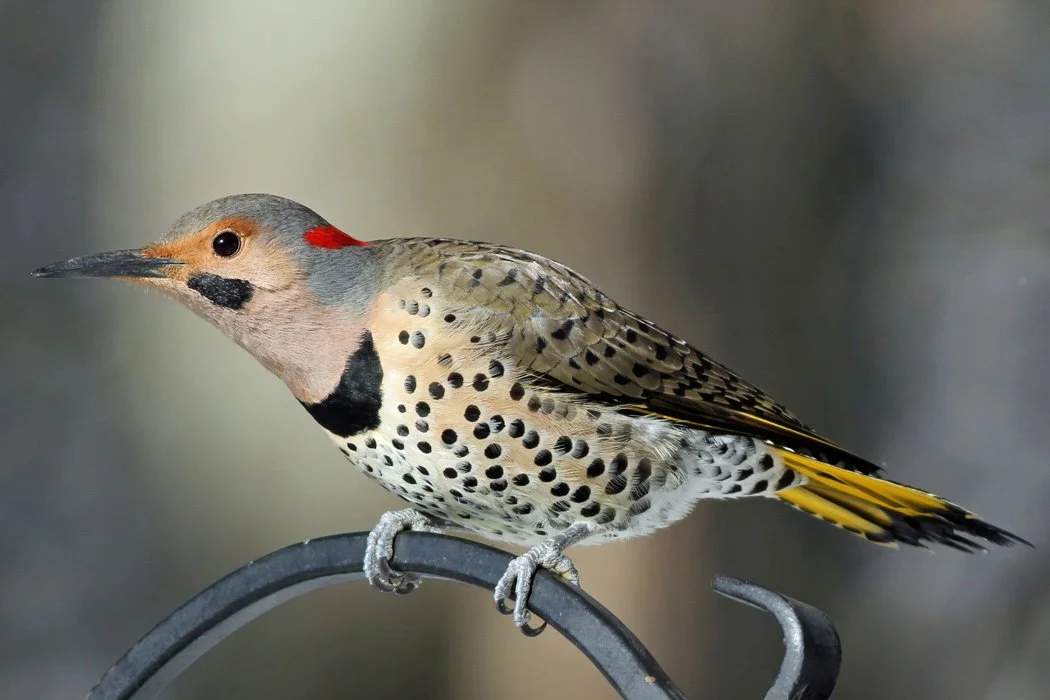
Photo: Tufted Titmouse, Catherine McEntee/Audubon Photography Awards

Libby Lyons, President

I expect that many of you have wondered during the past frigid, snowy, and icy weeks, “How can birds survive the winter here?” That question has had me thinking too, and the answer seems to boil down (pun intended, see below) to two types of responses, i.e., behavioral and physiological, or a combination of the two.

Birds have several challenges to overcome in winters like this one. One is staying sufficiently warm. Some of the common adaptive bird behaviors I’ve seen include birds basking on the sunny side of a lake or river or hunkering down out of the wind in a dense evergreen tree. A visit to my brother in Port Angeles, WA one February suggested another type of beneficial behavior. Early one morning, with ice covering the bushes, I was gobsmacked to see an Anna’s Hummingbird flitting about. My brother said that he knew of one that had found a nice warm spot under the eaves of a house near his.

That hummingbird also may have benefitted from going into torpor, a physiological mechanism that’s akin to a short-term hibernation! This type of daily night-time torpor results in a lower body temperature and a lower metabolic rate. In this physiological state such birds, which usually require high levels of energy for their metabolism and flight, can conserve energy and survive very cold temperatures.

What are other physiological mechanisms birds use to stay warm? When we might go out and buy a down coat, many birds grow extra down feathers before the winter! The downy feathers are short and fluffy and lie below the larger outer feathers. These feathers trap air near their bodies where the warm air pockets act like insulation, shielding them from very cold temperatures outside. Birds often combine such feather growth with a behavior where they use muscles to fluff up their feathers, boosting the thickness of that insulating layer, and in some cases, their comical appearance!

OK, but how can birds stand on ice and not have their body temperature plummet? Some birds have specialized scales on their feet and legs to help insulate them. Their anatomy can also help via a phenomenon known as counter-current exchange. This is an exchange of heat which occurs when the arteries carrying warm blood from the heart are in very close contact with the veins carrying cold blood from their feet. The cold, heart-bound blood is thus warmed up, helping the bird maintain a stable core temperature. Interestingly, the same counter-current exchange mechanism helps birds tolerate the other heat extreme (recall my mention of boiling up above.) When we lived in Kenya I often wondered “How can those flamingos stand in near-boiling hot springs?” The temperature of very warm veinous blood from their legs is reduced when it races upward in close proximity to the cooler arterial blood coming down from their hearts!

There are other simple ways that birds change their behavior to stay warm. Some tuck in their bills and legs in to keep them warm. Others huddle together. I recall one night seeing six Swallow-tailed Bee-eaters packed like sardines on a branch in Kgalagadi Transfrontier Park. They were trying to stay warm in that desert locale where winter temperatures can be in the seventies or eighties during the day but can dip well below freezing at night.

Another challenge for birds this winter has been finding food when so much of the water and ground is frozen. An obvious behavioral response is to fly to a more suitable habitat. For many birds this means flying (further) south. For others it means flying from frozen-over ponds and lakes to very deep, unfrozen lakes or to flowing rivers, like parts of the Potomac River. I was surprised last month to see several Wilson’s Snipe just upstream from the Potomac at Hunting Creek Bridge, but it was one of the few places around with unfrozen mud! And another day, from one spot along the Potomac River in Alexandria I saw Hooded, Common, and Red-breasted Mergansers, species not normally found together, but all brought to a rare ice-free spot where they could dive for fish.  

Another way birds find food in such frigid times is by locating birdfeeders. My husband tends several feeders in our back yard which have brought in more than two dozen species in winter, including a Cooper’s Hawk. The hawk is not after the seeds because it eats birds and small mammals. Its normal behavior has been to hunt our birdfeeder-visiting birds from a nearby tree, but on one snowy and windy day in late January it was sitting just two feet above the feeders. Perhaps the cold had altered its behavior as well, and it had decided it was too cold for stealth!

Read More
President's Corner Jess Michetti President's Corner Jess Michetti

Letter to Our Members: Flickers of Hope in Winter

Working to help birds, I cherish moments in the field. It's a reminder that helping science and volunteering is about more than contributing additional data. It sharpens your noticing. And suddenly you realize there are flickers of hope everywhere.

Photo: Northern Flicker, Barbara Tomawski/Audubon Photography Awards

Danielle Brigida

Years ago, I visited the bird banding station at Patuxent Research Refuge, and one of the birds we caught was a Northern Flicker. I’d been birding for about five years, but banding was new for me and exhilarating in a way I hadn’t expected. Seeing birds up close collapses a distance you don’t even realize exists.

Northern Flicker wing, Danielle Brigida

I’ll never forget that bird. I’d been enjoying watching flickers, confidently thinking I knew them. But holding one, and extending its wing feathers, I gasped. He was so vibrant. What were normally just flashes of color were shockingly vibrant up close. The bird I thought I understood suddenly revealed itself as something far more magnificent.

Moments like this are part of what keeps me birding . . . a small observation that shifts into something deeper. Not just recognition, but awe. A swell of appreciation that keeps me coming back to the birds. Even when times are hard. Even when much of the news we’re reading is devastating.

And that’s the thing about flickers and about noticing birds. Their presence can be just as easily overlooked as it can be celebrated.

Woodpeckers, in particular, are marvels of specialization. Their skulls are reinforced to absorb shock, their brains cushioned to withstand repeated impacts. Their feet are zygodactyl with two toes forward, two back—perfect for gripping bark, while stiff tail feathers act like a built-in kickstand, bracing them against vertical surfaces. Even their tongues are extraordinary, long and barbed, wrapping around the skull when retracted and extending far beyond the bill to spear insects deep in crevices.

Even though Northern Flickers are woodpeckers, they don’t behave quite like the others. You’re just as likely to find one on the ground as on a tree, probing the ground for ants—a preferred food. 

When flickers take off, that bright white rump flashes like a white flag, and when the wings open, the underfeathers glow—yellow in the East, red in the West. They’re birds of edges and openings, and they can be found on forest margins, open woods, parks, golf courses, and yards. In winter, especially, listen as much as you look. Their one-noted shriek that sounds like “peough” can carry through leafless trees. I've found their bounding flight becomes recognizable over time. And when the woods are mostly brown, that sudden glimpse of yellow feels like a welcome burst of light.

Northern Flicker, Jennifer Miner/Audubon Photography Awards

During banding, it was the first time I noticed that at the right angle, some shapes in the flicker's feathers look like hearts. Which makes northern flickers feel like the perfect bird for a season when we need both more sunshine and hearts. I think about them every Valentine's Day.

To spot them, listen for their shrieking call or scan areas for a Blue-Jay-sized, brown, spotted bird standing upright on the ground.

Working to help birds, I cherish moments in the field. It's a reminder that helping science and volunteering is about more than contributing additional data. It sharpens your noticing. And suddenly you realize there are flickers of hope everywhere.

Read More
President's Corner Jess Michetti President's Corner Jess Michetti

Letter to Our Members

A year ago, I joined NVBA as Executive Director. I knew I was joining an organization with a strong legacy built by dedicated volunteers over many years, but I wasn't sure exactly what to expect.
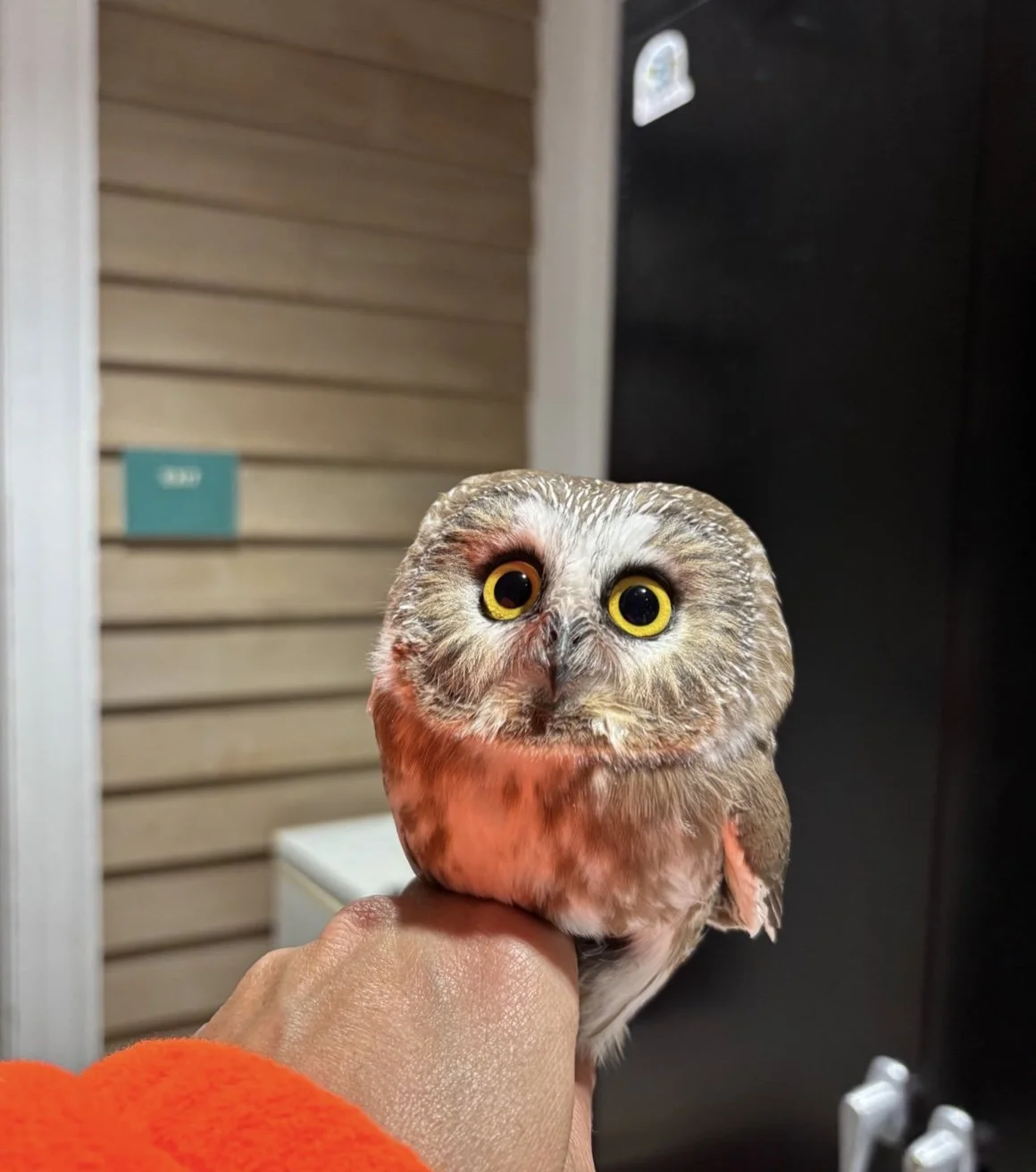
Photo: Pileated Woodpecker, John Troth/Audubon Photography Awards

Amanda Robinson

Reflections on My First Year at NVBA

A year ago, I joined NVBA as Executive Director. I knew I was joining an organization with a strong legacy built by dedicated volunteers over many years, but I wasn't sure exactly what to expect. What I found exceeded every hope: a community that welcomed me warmly and showed me what it looks like when people truly care about birds and their environment.

The best part of this year has been meeting all of you. I've loved getting to know the patchwork of individuals and other organizations in northern Virginia that are passionate about conservation. A lot of my work this year has involved building internal systems—the kind of behind-the-scenes work that isn't glamorous but that makes everything else possible. I've been inspired by our volunteers who give so generously of their time, and by members who stop me at events to share a recent sighting or a favorite birding spot. These connections are the heart of NVBA, and building relationships across our community has been the most rewarding part of stepping into this role.

We had some wonderful wins this year, too. Birdathon brought out more teams than we've ever had, which is a testament to your enthusiasm and competitive spirit. We brought back our bird guide training program and trained 20 new bird guides this fall, including our first ever youth bird guide! We held a wildlife rehab event to give bird lovers and local rehabbers hands-on experience with birds. We also held our first annual calendar photo contest, where we learned lots for next year and enjoyed seeing the over 80 submissions from folks across the region. You can still buy your calendar here

We also welcomed our new Community Engagement Coordinator this year. She has been instrumental in coordinating the many events NVBA supports annually and helping us reach even more people across northern Virginia. We already have over 40 events planned in 2026 - thanks McKenzie! Each of these milestones reflects what's possible when a passionate community comes together.

As I look toward year two, I'm excited to build on this momentum. We're planning our second annual regional symposium, we'll have another strong Birdathon season, and we’ll be doing some really great work with Stretch Our Parks and other major NVBA programs. I'm especially excited to grow our diversity and new birder initiatives—creating more opportunities to welcome folks who are new to birding and help them discover the joy of getting outside with binoculars in hand.

Thank you for making my first year so meaningful. I'm grateful to be part of this community, and I can't wait to see what we accomplish together in the year ahead.

Read More
President's Corner Jess Michetti President's Corner Jess Michetti

Letter to Our Members

The Smithsonian Environmental Research Center in Edgewater, MD, hosts a Project Owlnet bird banding station as part of a project studying Northern Saw-whet Owl migration. I was allowed to participate as a volunteer last year, which gave me a truly memorable experience, seeing the Northern Saw-whet Owl for the first time.

Photo: Northern Saw-whet Owl, Carolina Sanabria

Carolina Sanabria

My Owl Encounter

The Smithsonian Environmental Research Center in Edgewater, MD, hosts a Project Owlnet bird banding station as part of a project studying Northern Saw-whet Owl migration. I was allowed to participate as a volunteer last year, which gave me a truly memorable experience, seeing the Northern Saw-whet Owl for the first time. The owls migrate from mid-October through late November. 

Northern Saw-whet Owl. Photo: Carolina Sanabria

This was my first experience with bird banding, although I had read about it and understand its importance to conservation. See Tove Danovich’s June 24, 2025 essay on bird banding in the Washington Post. The banders open up mist nets and set up an audio lure at sunset. They take them down at midnight unless an owl is present. We checked the mist nets hourly, and explored the outdoors while we waited, listening to animal calls and observing insects. We also completed an owl puzzle and shared snacks. Most nights we didn't catch any owls, but it was still time well spent in good company. 

It wasn't until our last check of the nets that I finally saw two Northern Saw-whet Owls. Immediately, my tiredness from staying up went away! The banders carefully removed the owls from the net and took them back to the center to collect data, such as the bird’s weight, size and age. One of the tools the banders use is an ultraviolet blacklight. When shined on the underside of the owl’s wings, the visible fluorescent pigments help to determine its age. Fortunately, the two young owls were in healthy condition. Near the end of the process, I was able to hold the smallest owl and feel how light it was. Just seeing its striking yellow eyes and feeling its soft plumage was almost unreal. We finished that successful night watching the owls take flight once they were released. 

I was able to participate in the project through the sponsorship of one of my ecologist role models. As many have done for me, I aim to connect people with opportunities to learn about the environment. This is essential, particularly given how easy it is to feel disconnected from nature in a fast-paced society that is increasingly focused on technology. There are plenty of joys to be found in nature and sharing it with others is special. 

Volunteering has allowed me to explore new places, connect with others and expand my learning, whether it’s removing invasive plants, identifying stream critters or setting up camera traps to monitor wildlife. I enjoy staying active and going outdoors to observe the nature around me. Contributing to the health of the environment that we all share is how I want to continue spending my time.

Carolina Sanabria is a long-time NVBA volunteer who began serving on the board in 2025.

Read More
President's Corner Jess Michetti President's Corner Jess Michetti

Letter to Our Members

As each November rolls around, I try to review the past year in order to acknowledge and honor the many things for which I am thankful. 
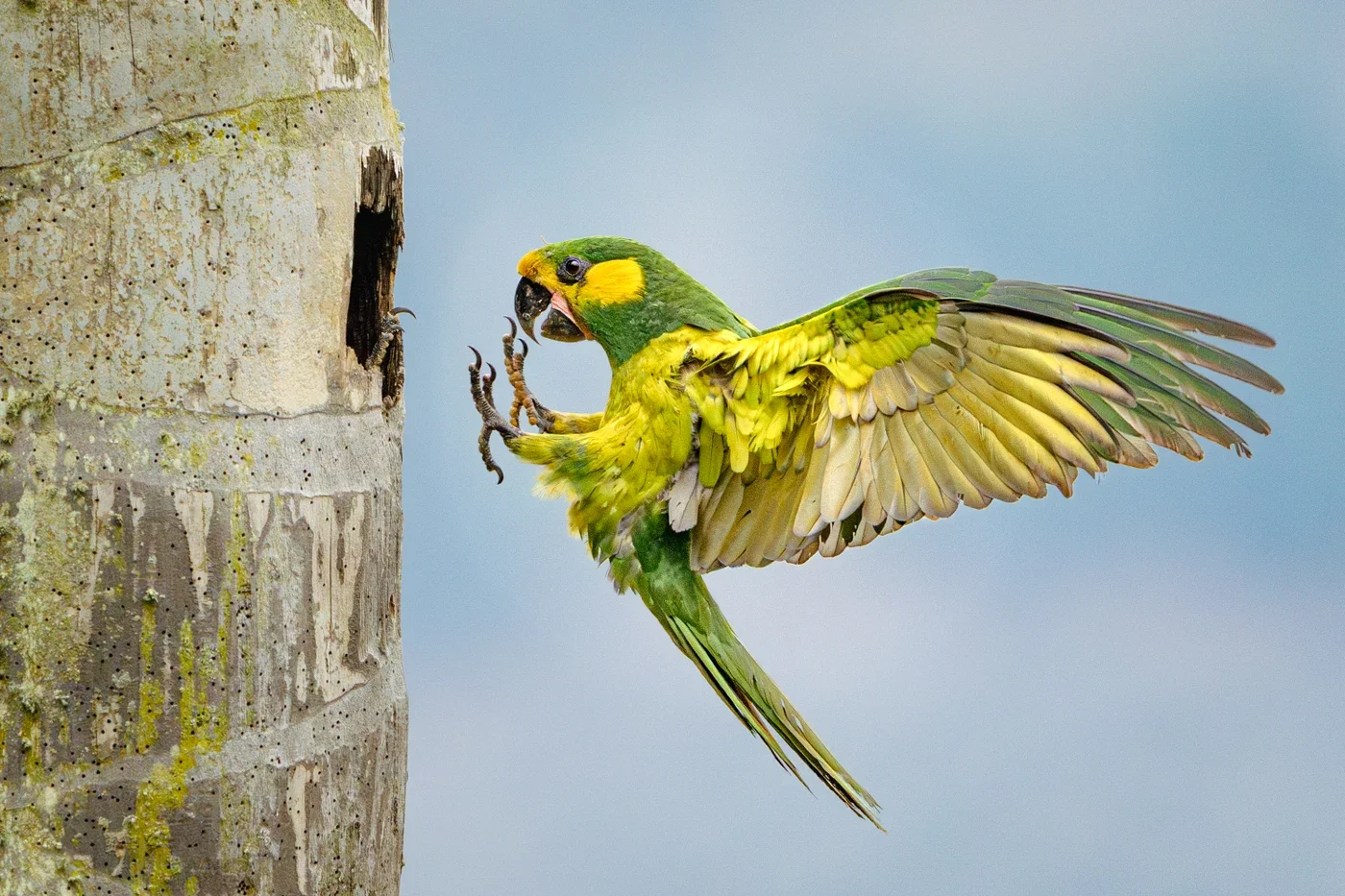
Photo: Bald Eagle, Matt Felperin

Libby Lyons

As each November rolls around, I try to review the past year in order to acknowledge and honor the many things for which I am thankful. 

I often have said that volunteers are the lifeblood of NVBA. Beyond that, I have learned over the last four years just how fortunate NVBA is to be based in an area with such a wealth of highly educated, capable, articulate and dedicated federal employees, along with the many contractors who support their work and our government’s programs.

Therefore, I take this opportunity to send out a huge THANK YOU to all those federal workers for:

  • All the important work you do and have been doing in positions related to science, conservation and environmental regulation throughout the federal government--Your work protecting our wildlife, our natural places and our quality of life is important and greatly valued.

  • Devoting your time as a volunteer, whether you are still working, in retirement (voluntary or otherwise) or in furloughed status--NVBA greatly appreciates the expertise and passion you bring to our work bolstering environmental conservation. 

  • Joining NVBA activities as active and joyful participants in bird walks, invasive pulls, classes and much more. We celebrate your participation in these important community events.

If you are not yet volunteering with NVBA, let me add that we welcome federal workers and all others, young and old, as volunteers in a wide range of roles. We have just rolled out an updated volunteer webpage that makes it easier for you to find ways to help.

Let me also encourage all of you to participate in any of our upcoming activities. I find it uplifting and restorative, especially these days, to be on a bird walk, helping with a boots-on-the-ground conservation project or learning about nature in an in-person or online NVBA class. So, if you need more of those kinds of positive and hope-affirming experiences, please join us. Here is a link to our calendar.

And finally, I am eagerly looking ahead to next year. We have planned many activities that are exciting and designed to have a positive impact, activities that will serve the needs of our communities and require their support. As our year-end fundraising begins, we ask for your financial support, recognizing that this year not everyone in our community will be able to make their typical financial donation. We hope those more fortunate in our region might extend their generosity to help fill any gaps in our fundraising efforts.

If you have not yet joined NVBA, please consider becoming a member. Your dues and any additional donations will help us continue our activities to serve you and the wildlife in our area. Because NVBA is an independent chapter of the National Audubon Society (NAS), NVBA membership includes membership in NAS. More information on member benefits and becoming a member of NVBA is available on our membership page.

Read More
President's Corner Jess Michetti President's Corner Jess Michetti

Letter to Our Members

One of the perks of editing the Potomac Flier is access to National Audubon Society’s photo archive, which includes years’ worth of images from the photography awards.
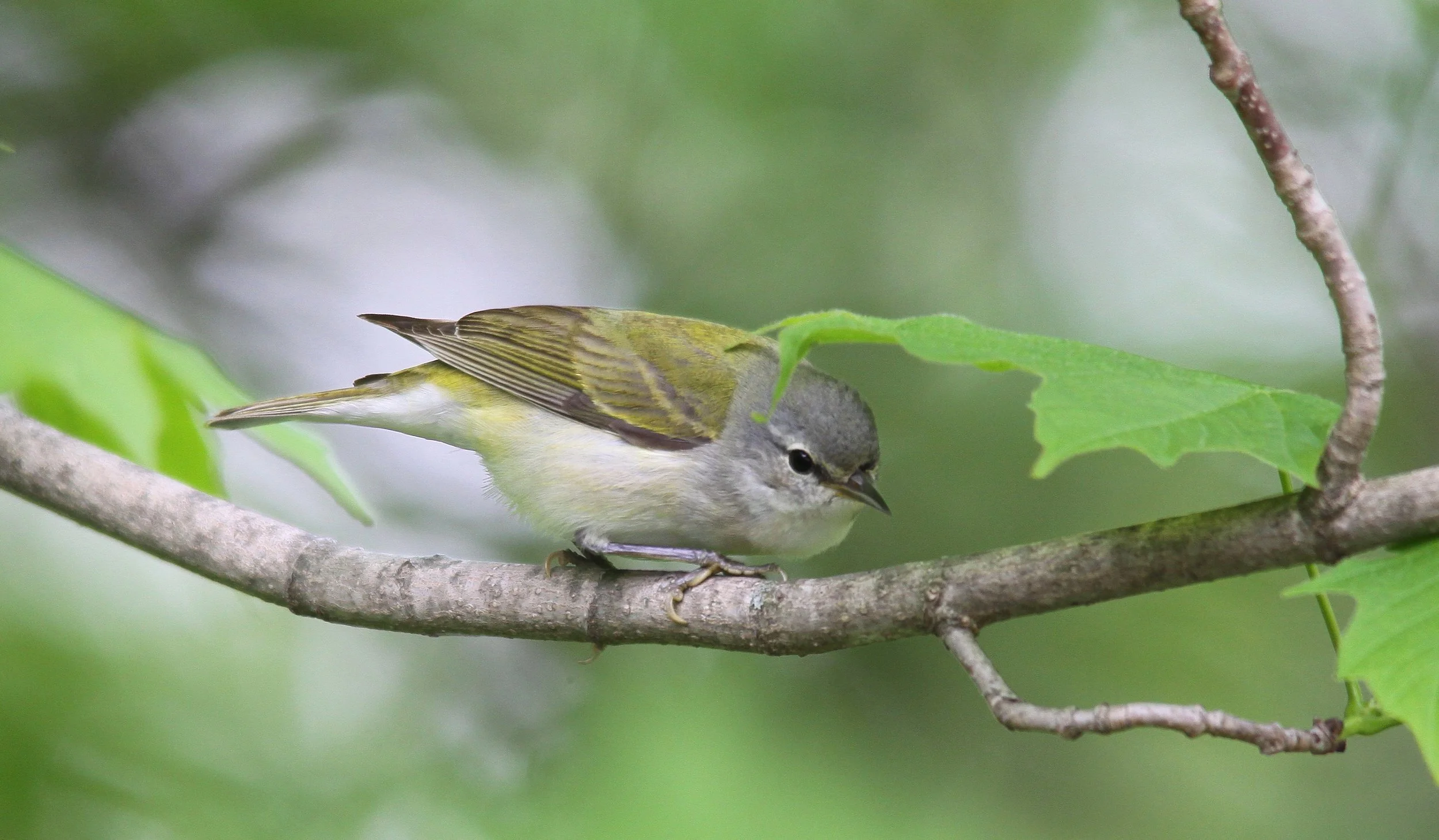
Photo: Yellow-eared Parrot, León Felipe Jimenez/Audubon Photography Awards

Connie Ericson

One of the perks of editing the Potomac Flier is access to National Audubon Society’s photo archive, which includes years’ worth of images from the photography awards. Every month I browse the archive for photos to illustrate the articles, one of the best parts of this job. I’m not a photographer myself, but I appreciate the artistry and dedication required to produce the stunning images. Take a few minutes today to review this year's "top 100" photographs, including the winners and honorable mentions.

Yellow-eared Parrot, León Felipe Jimenez/Audubon Photography Awards

I always try to pick a “favorite” photo from the array, a ridiculous exercise because I end up with so many favorites. But from this year’s contest I thought I would feature León Felipe Jimenez’s Yellow-eared Parrot, a photograph from the entries from photographers in Chile and Colombia, a new category in the annual competition. I picked it for several reasons:

  • It’s noteworthy that the photo is from the contest’s new category, which highlights the importance of conservation across the American hemispheres. Conservation of the birds we see in North America relies on efforts in both hemispheres because of seasonal migration.

  • The photo captures movement and tells a story. One of a pair is returning to the nest for the night, and you can pick out just one claw from the other bird, already in the nest. 

  • The photo also highlights an important conservation lesson about habitat. The photographer explains that the birds nest almost exclusively in dead wax palms, Colombia’s national tree. That habitat is at risk from deforestation, monoculture plantations, and cattle ranching, making the work of farmers who protect these palms essential. 

  • Of course, it’s also impossible not to recognize the clarity of the image and the beauty of the bird.

There are many ways people come to bird photography. Some photographers start out photographing landscapes and then start focusing on the landscape’s inhabitants. Many a birdwatcher started out as a photographer, and some birdwatchers gravitate to photography to help identify a bird they see in the field but can’t yet identify. A good image, downloaded and magnified on a computer screen, can show features with clarity that binoculars may not always provide. Photographs also help citizen science records, verifying the identification of a bird, particularly if it’s reported as a rarity in an area. And some birdwatchers enjoy keeping track not just of the birds they have seen, but the birds they have photographed. If you’re interested in starting to photograph birds, or increase your skills, you can check out tips and recommendations from National Audubon's website.

Before leaving this subject, I also want to acknowledge the efforts of our local photographers. Many of the photographs in this monthly newsletter and most of the photographs from our annual report come from local photographers who generously allow us to use them. And, if you haven’t looked at our monthly columns yet, take a few moments to review the helpful photographs of native plants featured in the Wildlife Sanctuary Almanac and the unbelievably detailed photographs of insects that Judy Gallagher includes in her column, A Closer Look: Nature All Around Us.

Read More
President's Corner Jess Michetti President's Corner Jess Michetti

Letter to Our Members

Fall migration is starting! I saw that someone had reported a Tennessee Warbler in northern Virginia just the other day, which got me musing about this migration season -- the challenges the birds face, how to make it safer for migrating birds and how to enjoy the spectacle of migration.

Photo: Tennessee Warbler, Ben Cvengros/Audubon Photography Awards

Libby Lyons, President

Fall migration is starting! I saw that someone had reported a Tennessee Warbler in northern Virginia just the other day, which got me musing about this migration season -- the challenges the birds face, how to make it safer for migrating birds and how to enjoy the spectacle of migration.

Although Spring’s northward-migrating birds usually get more attention because of their bright colors and breeding season songs, many of the same birds pass through our region on their way south, though in much drabber garb. Joining the round-tripping adults are the young-of-the-year birds undertaking their first migration.

Migration can be one of nature’s most spectacular phenomena. Each year it presents us the opportunity to see these amazing creatures for just two brief periods. Alas, it is also one of the most physiologically demanding times in a bird’s life. Several factors can make it even more taxing.

Many of the birds flying south over the U.S. faced another summer of severe Canadian wildfires, particularly in northern forests where many of them breed. The fire season is not yet over, but 2025 has already become the second worst year for Canadian wildfires, second only to 2023. Fire has long been a natural part of forested ecosystems, but the frequency, severity and size of the fires has been increasing recently. The smoke and fire can kill adults, nestlings and young birds if they are trapped in a rapidly moving fire, or they may be harmed by inhaling smoke-filled air. The fires also can kill their food sources and alter their habitats. For example, frequent fires can change the age structure of a forest and an area’s tree species – a particular hazard for species that nest in old-growth forests. Fires in their migration paths also can require long detours in an already arduous journey. So, even before they reach our area, having flown perhaps 1,000 miles, many migrants have had to overcome significant hazards. Learn more about the impact of Canada’s wildfires on Birds Canada’s 2024 post on how boreal birds respond to forest fires.

Young birds’ inexperience also can compound the long-distance challenge of migration. Many young birds, as well as experienced adults, can be distracted easily by human light sources, causing them to waste time and energy. While we can’t do anything about Canada’s wildfires, we can do something to make it safer for birds to migrate through our area. Please turn off your outdoor lights from now through November 30, especially any uplighting! NVBA’s website provides valuable information about reducing risk for birds in its Lights Out for Birds campaign.

So how can you enjoy this fall migration? I will be birdwatching locally, but I also will head to Cape May, New Jersey in late September with birding friends. The geography of that area, with the Cape May peninsula protruding into the Delaware Bay, serves to concentrate and funnel the southbound birds. Not only can I see many songbirds in forests and fields there, but there also will be scores of raptors in the air. If you ever have the opportunity, a Fall visit to the Cape May Point State Park's Hawkwatch platform is a treat, with the local experts calling out the dozens to hundreds of raptors of more than a dozen species flying overhead.

Closer to home, our local parks once again will be filled with migrating songbirds, but they will be quieter and not so brightly colored. When I started birdwatching many decades ago, I found the section on warblers in my Peterson’s Field Guide to the Birds quite daunting, particularly the four pages of “Confusing Fall Warblers.” Now that I am better at identifying Spring warblers from their colors and plumage patterns, I relish the challenge of recognizing patterns without the color. Ironically, that Tennessee Warbler spotted this week is so drab that its plumage doesn’t much vary seasonally! 

Connecticut Warbler at Upton Hill Regional Park, Matt Felperin

And I will be watching for one species we see only in the Fall. If I’m lucky, I might catch a glimpse of the rare, skulking Connecticut Warbler, which migrates up the Mississippi River valley in the Spring. And to witness raptor migration closer to home, I plan to visit Snicker’s Gap located between Loudoun and Clarke Counties, only 45 miles from my home in Arlington. The Virginia Department of Wildlife Resources has conducted a yearly count of migrants at Snicker's Gap Hawk Watch since 1990. Its website provides directions as well as useful information on the best times to visit and what you may see. 

So join me in taking steps to protect our fall migrants and enjoying the spectacle.

Read More
President's Corner Jess Michetti President's Corner Jess Michetti

Letter to Our Members

I have been admiring the fireflies in my backyard recently. I didn’t see them there for many years, but I’ve attracted them by making several simple changes.

Photo: Common Eastern Firefly, Judy Gallagher

Connie Ericson

A Gradual Transformation

I have been admiring the fireflies in my backyard recently. I didn’t see them there for many years, but I’ve attracted them by making several simple changes (planting some native grasses, leaving the leaves as natural mulch, building a small stick and leaf pile and dimming the lights). And I’ve accomplished the change in spite of a lifetime of avoiding gardening, except when it involved cutting things back. I’ve always thought of myself as a slasher rather than a nurturer, but I’m evolving apparently.

Some background: not long after I joined the NVBA board in 2018 (I retired in 2024), a few members encouraged me to schedule a visit from a Wildlife Sanctuary Ambassador. I was taking Arlington Regional Master Naturalist training at the time, so I already knew that my professionally landscaped yard likely was a wasteland. But I hesitated. I dreaded the work involved in changing to a more natural habitat that would welcome native wildlife.

But once I arranged the visit, I was pleasantly surprised. I had a few natives already (coral honeysuckle and Virginia spiderwort), and the visiting ambassador didn’t lecture, but rather encouraged me to make changes a little at a time. She identified the most problematic invasives (e.g., a long row of nandina along the back retaining wall) and made a few suggestions for substitutes. 

I’ve been chipping away at it ever since, and I’m pleased to report that the results are positive. In addition to fireflies, in the past few weeks I’ve enjoyed seeing eastern tiger swallowtails, zebra swallowtails and huge numbers of bees and bumblebees I can’t identify. I’ve done most of the work in my backyard, which is challenging: it’s steep, and mostly taken up by 3 tiers of stacked stone walls, but the fence and terrain keep deer out. I’ve taken out the invasives and planted some natives, with some massed plantings of flowers where I get the best sun. I’ve had successes (a red oak, shrubby St. Johnswort, black-eyed Susans, coneflowers, green and gold, virgin’s bower, little bluestem) and some misses (mountain laurel). But the increased insect population suggests to me I’m going in the right direction.

I’ve also had some unwelcome visitors. It took some work to fence out a groundhog attracted by my plantings, but it was necessary to keep it out because I didn’t want its tunneling to disturb some pretty elaborate (and essential) drainage on my steep lot. I regret that the changes mean I no longer see the occasional Eastern box turtle in the backyard.

I have not had any adverse consequences from cutting out the quarterly pesticide treatment on the outside of the house that I maintained for years after finding silverfish when I first moved in. I’ve found that a little boric acid powder in areas my indoor cats can’t get to is effective for that problem. But I’m wrestling with how to manage the latest yellowjacket nest in my stacked stone walls. I don’t have children playing in the yard, and, for now, I’m just not weeding the bed in that area, but at some point I’ll want to thin some of the flowers there. My current plan is to wait until winter when I understand the nest will die out. I’m also researching the possibility of non-pesticide yellowjacket traps, but I’ve just started that investigation. 

I can do more, of course, but I’m still taking my time, particularly in areas where taking out problematic plants (the vinca in my front yard, and more lawn than I want) likely will require some professional help given some physical limitations that have come with age. But I’m having more fun than I ever imagined I would doing a little pottering around the yard.

If you haven’t done so, I’d encourage you to invite a Wildlife Sanctuary Ambassador to your yard. It may be your first step in inviting more native wildlife to your life.

Read More
President's Corner Jess Michetti President's Corner Jess Michetti

Letter to Our Members

As the sun slowly sank into Belmont Bay, a full moon rose behind us, lighting our way down Kane’s Creek. We paddled our kayaks back to the launch site with only the splash of our paddles to disturb the quiet of the evening.
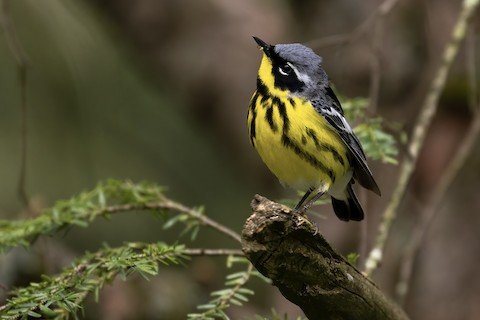
Photo: Mouth of Kane’s Creek, Mason Neck State Park Photo Archive

Tom Blackburn, NVBA Director

As the sun slowly sank into Belmont Bay, a full moon rose behind us, lighting our way down Kane’s Creek. We paddled our kayaks back to the launch site with only the splash of our paddles to disturb the quiet of the evening. I was at Mason Neck State Park, a hidden gem just 15 minutes from I-95 near Lorton, Virginia. The park offers twenty guided morning and evening kayak trips from May through September, and kayaks and canoes are available for rent seven days a week.

Kayaking into crepuscular rays, Jerry Nissley

Mason Neck State Park has other “quiet enjoyment” opportunities as well. The park’s varied habitats provide food, shelter and nesting areas for more than 200 species of birds. Bald Eagles nest at several sites in the park as well as at the adjacent Elizabeth Hartwell Mason Neck National Wildlife Refuge, the first NWR in the country established to protect the nesting area of Bald Eagles. The park’s now-retired manager used to guarantee to visitors that he could show them an eagle within 20 minutes. Ospreys nest on a platform near the Visitor Center, and the other day both adults put on an aerial display, drawing a crowd of photographers as they swooped and soared in 20 mph winds. The Woodmarsh Trail, just outside the park in the wildlife refuge, leads to the Great Marsh, where as many as 300 Tundra Swans can be seen from November through mid-March. 

Kris Gulden, Accessibility Advisor for Mason Neck State Park, at the end of the Marsh View Trail. Photo: Pam Cressey

Mason Neck State Park offers eight hiking trails. The most popular is the Bay View Trail, which traverses three distinct habitats – shoreline, beaver-created wetland, and forest – in just one mile. On the Meadow View Trail, in contrast, you will likely see no one else as you walk through forest to an expanse of grassland. Several of the park’s trails are wheelchair-accessible, and the park also has an electric all-terrain wheelchair that visitors can reserve without charge. 

The park is a testament to the importance of conservation activism in preserving our natural areas. In the 1960s developers had big plans for “the Neck,” a peninsula bounded by Pohick Bay, Gunston Cove, Belmont Bay and the Potomac River. They envisioned a regional airport, thousands of homes and a bridge across the river as part of an Outer Beltway, among other projects. Elizabeth Hartwell, a local resident, campaigned against the development because it would disturb a nesting area for then-critically endangered Bald Eagles. Hartwell’s efforts, along with those of other conservationists, prevailed. Instead of massive development Mason Neck now boasts the state park, the wildlife refuge, Pohick Bay Regional Park and golf course, the Bureau of Land Management’s Meadowood Special Recreation Area, Gunston Hall, and Mason Neck West County Park. Two-thirds of Mason Neck – 6,000 acres – is now protected parkland. 

You can learn more about Mason Neck State Park, including the park’s accessible features, from the Friends of Mason Neck State Park’s website.

Read More
President's Corner Jess Michetti President's Corner Jess Michetti

Letter to Our Members

Now that it is spring, NVBA’s conservation work has gone into high gear and it is this work that has taken on new meaning for me.

Photo: Magnolia Warbler, Matt Felperin

This spring feels different. The migrating birds are arriving, and I am excitedly filling in my 2025 version of the chart of approximate warbler arrival dates that my friend Kay Bushman sent me several years ago. Here’s a link to an Excel spreadsheet you can use and adapt! I am planning and rounding up donations for several Birdathon teams, the Board Birders and Monticello Madness teams, and I can’t wait to spend a few entire days in May doing nothing but birdwatching! But it isn’t the birdwatching that feels different. 

Now that it is spring, NVBA’s conservation work has gone into high gear, and it is this work that has taken on new meaning for me. I have always embraced conservation a way to protect nature for future generations. But the concept of “future generations” became a lot less abstract for me this year. This year feels different because now I have a grandchild – and I want him to be able to enjoy nature just as much as I do and as his father, an avid fisherman, does!

So how am I pitching in and how can you help?

Our Bird Safe NOVA campaign will have its greatest impact if we all do our part. I have redoubled my efforts in and around our home to make our windows bird-safe and to turn off our lights at night; I have reduced pesticide use and keep our cats indoors. I hope you can do the same! We can also encourage our neighbors, homeowners associations, local businesses, and local jurisdictions to take similar actions – our spring 2025 Lights Out for Birds campaign is one way to help.

Our Stretch Our Parks pilot programs are buzzing with activity. At Monticello Park I am co-organizing a one-day Birdathon on May 14th to try to find more than the 58 species we saw last year -- please join for any part of the day as well as a bird walk for non-birding neighbors of the park. We are planning more work days with local Boy Scout troop #129 and other volunteers – so if you are interested in helping preserve this warbler-rich gem of a park, please keep an eye on our  Stretch Our Parks webpage that lists activities at this and other parks. On May 4, at Four Mile Run Park, I will be helping out with bilingual festivities and bird walks being co-organized with Casa Chirilagua and the Four Mile Run Conservancy Foundation. I may not be there, but I can gladly point you to volunteer opportunities at Upton Hill Regional Park and Powhatan Skate Park – there are invasive pulls and habitat work with many neighboring groups to join. And at Occoquan Bay NWR – there are several invasive pulls, bird walks, and more activities in the pipeline.

I delight in seeing firsthand each spring and summer how NVBA’s Wildlife Sanctuary Program (WSP) facilitates conservation and habitat restoration, because a few years ago I worked to get our tiny yard certified as a wildlife sanctuary. Since then I have been working with neighbors to help take related actions. This spring I dug up dozens of robust native plants from our yard and gave them away. And although I am not an official WSP Ambassador, my training in botany enabled me to give a WSP talk to neighbors and congregants of the church next door. We are growing a small local wildlife sanctuary: follow this link to the Wildlife Sanctuary Program page and consider doing what you can in your yard and neighborhood! 

I hope the spring arrival of birds and wonderful weather inspires you to work on conserving our natural places across northern Virginia for future generations to cherish and enjoy! 

And once again - thank you for all of the support you give us in time, expertise, enthusiasm, and funding.

Read More
President's Corner Jess Michetti President's Corner Jess Michetti

Letter to Our Members

As spring transforms our northern Virginia landscape, millions of birds take to the skies in one of nature's most spectacular phenomena. This annual migration brings both opportunities for celebration through events like birdathons and responsibilities for ensuring that these travelers reach their destinations safely.
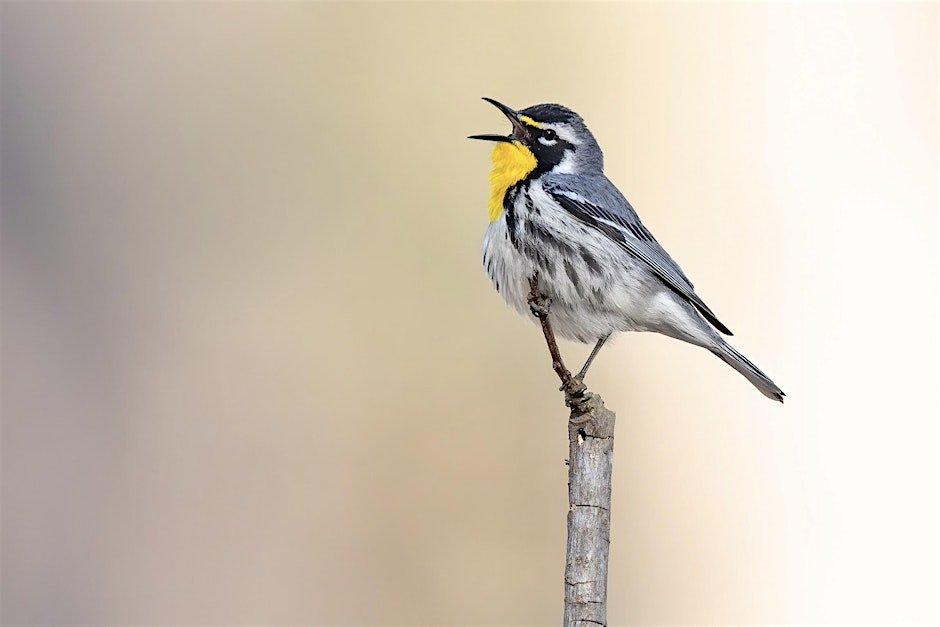
Photo: Blackburnian Warbler, Kat Bradley Bennett/Audubon Photography Awards

Amanda Robinson, Executive Director

As spring transforms our northern Virginia landscape, millions of birds take to the skies in one of nature's most spectacular phenomena. This annual migration brings both opportunities for celebration through events like birdathons and responsibilities for ensuring that these travelers reach their destinations safely.

Join Our 2025 Birdathon: April 19 - May 18

NVBA’s annual Birdathon invites birders of all experience levels to participate in a fundraising event that allows them to get outside and have fun. Birdathon teams make a plan for visiting birding hotspots in northern Virginia during any 24-hour period between April 19 and May 18. They then record the species they identify on eBird. Last year's winning team spotted an impressive 127 species in just one day! A team can have up to five members, or you can bird solo. All experience levels are welcome, so register your team today.

If you prefer a more sedate Birdathon challenge, we have a special Birdathon variation, the “Backyard Bounty” challenge. You can participate from your own backyard, identifying as many species as you can in 24-hour period on a single residential property. It's a great way to improve accessibility as well as get children and grandparents involved!

How does the fundraising work? As with a walk-a-thon, participants collect pledges from friends and family via their team page on our website. Your participation helps NVBA support outdoor education, citizen science, habitat conservation, and programs encouraging people to plant native plants and protect native wildlife. By reporting your sightings through eBird, you're also contributing valuable data to help ornithologists better understand spring migration patterns. 

Support Conservation to Help Migrating Birds

Spring events like Birdathon that take place during migration remind us that habitat conservation is a critical element to protecting birds. When planning a big day route for Birdathon, teams focus on sites they have learned are suitable places for birds to rest, feed, and breed. Without them, even our most resilient bird species cannot survive. Northern Virginia's unique position along the Atlantic Flyway makes our local forests, wetlands, and meadows critically important stopover sites for countless migratory species.

Each preserved natural area—whether a sprawling wildlife refuge, a neighborhood park, or even a single wildlife sanctuary backyard—provides essential resources for tired travelers. These spaces aren't just important for birds; they're where we as birders and nature enthusiasts experience the joy of discovery and connection. Every acre protected ensures future generations will have opportunities to witness the magic of spring migration firsthand. That’s part of the magic of NVBA’s programs – you can get involved both in your own backyard and in local parks. There’s room for everyone! When we safeguard bird habitats, we're not just preserving places for birds—we're preserving places for people to see birds and forge meaningful connections with the natural world.

Read More
President's Corner Jess Michetti President's Corner Jess Michetti

President's Corner

Our work is powered by our volunteers with direction from (and many hours of participation by) our NVBA committees. To encourage you to get involved, we would like to introduce you to those committees and the work they do.

Photo: Yellow-throated Warber, Matt Felperin

Libby Lyons

With my snowdrops blooming this week I know spring is just around the corner. And even if there’s no guarantee of consistent warmth in the near future, if you’re like me, you’re starting to look forward to more time outside, looking for birds and planting some more native plants. Even better, how about making a commitment to join in some NVBA activities?

Our work is powered by our volunteers with direction from (and many hours of participation by) our NVBA committees. To encourage you to get involved, we would like to introduce you to those committees and the work they do.

So please join us on Sunday, March 23, first for an Alliance Afternoon presentation by Matt Felperin, a Warbler Bootcamp to prepare you for spring migration. Then you will have an opportunity to meet representatives of our many active committees and learn how you can help them help NVBA accomplish its mission of engaging all northern Virginia communities in enjoying, conserving, and restoring nature for the benefit of birds, other wildlife, and people. 

Learn how you can contribute to public education through our publications and website, to conservation through Stretch Our Parks or citizen science, to better government through advocacy, and much more. Committee representatives will be on hand to answer your questions, explain where we need help, and, we hope, sign you up for a more active engagement with our programs and projects.

The event is at our office in Reston, from 2:30-4:30. You can read more about it here. Registration is voluntary, but if you register we’ll send you an email reminder. I hope to see all of you there. 

Read More
President's Corner Jess Michetti President's Corner Jess Michetti

Board Notes: Think Beyond Your Back Yard

While we’re hunkered down inside during the cold winter months, it’s also a good time to support habitat creation beyond the boundaries of our backyards.

Photo: Tern Colony, VA DWR

Betsy Martin

It’s cold as I write this, and more snow is expected. It’s no time to venture outdoors for planting or even invasive weed-pulling. It’s time for keeping feeders full and watching the birds from inside a warm house. See this month’s Wildlife Sanctuary Almanac for some tips on using bird feeders and maintaining a fresh, unfrozen water supply.

While we’re hunkered down inside during the cold winter months, it’s also a good time to support habitat creation beyond the boundaries of our backyards. Virginia’s legislative session began in January, and your representatives will consider a number of bills that would conserve or create habitat for wildlife. Here are two examples: 

  • Virginia’s Great Outdoors Act (House Bill 2059), sponsored by Delegate Paul Krizek (D-Fairfax), would dedicate $230 million in annual funding toward protecting vulnerable natural lands and waters, working farms and forests, drinking water resources, and historic and cultural sites. It would expand habitat for birds and other wildlife and also improve public access and promote outdoor recreation by developing new trails, parks, and other public lands.

  • In 2020, Virginia’s largest colony of nesting seabirds was displaced by a construction project at the Hampton Roads Bridge-Tunnel. The Virginia Department of Wildlife Resources created temporary nesting habitat for the birds by filling barges with sand and gravel to create an artificial floating island. In this year’s session, representatives will vote on the Governor’s proposal to commit $4,431,141 as Virginia’s share to fund construction of permanent habitat for the colony by the U.S. Army Corps of Engineers (this is one of many proposed amendments included in SB800 and HB1600).

Passing bills such as these can create wildlife sanctuaries on a grander scale than we can do individually on our own properties (as important as our individual efforts are). 

If you think you’d like to advocate for wildlife and conservation but are new to the idea, you might consider joining NVBA’s Advocacy Committee. Send an email to advocacy@nvbirdalliance.org to join a team of volunteers who advocate for these and other conservation measures. See the Committee’s issue positions here.

Read More
President's Corner Jess Michetti President's Corner Jess Michetti

President's Corner

On December 17, 2024 the NVBA board and staff were delighted to welcome Amanda Robinson as our new Executive Director! 

Photo: Piping Plovers, Melissa Groo/Audubon Photography Awards

Libby Lyons

Welcome Amanda Robinson, NVBA’s New Executive Director

On December 17, 2024 the NVBA board and staff were delighted to welcome Amanda Robinson as our new Executive Director! 

Amanda is a professional in nonprofit management in the environmental realm, combining real-world experience and academic learning. Most recently Amanda served as the Director of Development at The Climate Initiative, a nonprofit organization focused on engaging and training youth to become climate champions. In another organization, Creation Justice Ministries, an organization that encourages environmental action in faith communities, Amanda served in many roles, first as Program Manager, then as Director of Development and Operations, and twice as Interim Executive Director. At Cornell University’s Institute for Public Affairs, Amanda earned a Master of Public Administration degree, with concentrations in Public and Nonprofit Management and in Environmental Studies.

We are impressed with Amanda’s broad experience, her passion for conservation and birds, and her commitment to building a wide range of meaningful partnerships. NVBA recently received several large bequests and so is able to hire Amanda in this leadership role with several years of support. If you have been a regular reader of the Flier you have read about NVBA’s recent growth with, for example, our new Volunteer Coordinator and many more volunteers, our Stretch Our Parks initiative, more bird walks and nature outings, our Bird Safe NOVA initiative, the ever-growing Wildlife Sanctuary Program, and expanded educational offerings. We are excited to have Amanda as our Executive Director as we build out these programs and devise and implement strategies to involve more northern Virginians in protecting and enjoying birds and nature.

I sat down for coffee with Amanda in mid-December and asked her a few questions about her new position.   

Please tell me how you feel about taking on this new role at NVBA.

I am very excited to be joining NVBA as its Executive Director. I hope I can use my background in nonprofit management to truly have an impact protecting nature and birds in our region. Over the last couple of years I have fallen in love with birds and birding, so this the perfect opportunity to blend my professional and personal interests. I hope my passion for both shines through.

When did you first develop a love of nature?

I grew up in Maine only seven minutes from the ocean. From an early age, I loved to spend time by the ocean and observe how the wildlife interacted with humans and the changing tides. I was especially charmed by the Piping Plover, and the conservation work being done locally every nesting season to protect its habitat. It was my first awareness of the role humans can play in conservation, and it was always such a delight to see the baby birds every year. The chicks remind me of fluffy little marshmallows! It sparked my interest in endangered species and how we must take action to protect them, and I attribute those early years by the sea as a key part of my desire to spend my career in the environmental space.

What interests you most about our organization and how it works?

I think it’s so inspiring that we have such an awesome and large group of volunteers who want to help protect the birds of northern Virginia. Everyone is so dedicated to their work – your volunteers and all the many things they do are amazing! I hope we can continue to harness that passion and help the board and our many existing and new volunteers advance our mission. At the same time, I hope I can help NVBA by strengthening the organization and its systems. I’m excited to become part of a lovely group of people having a huge impact on local birds.

How do you feel about working in conservation in northern Virginia?

I live in Alexandria and have loved living in this area for seven years. I look forward to engaging the many communities in northern Virginia – listening to them, bringing them along, and finding a shared vision for the work we can do together. We have a great opportunity to bring in new groups and connect them to wildlife, while at the same time conserving nature for the generations to come. 

Any last thoughts about leading an organization dedicated to bird conservation?

Birds are such a great way to connect people to nature! Birds are so beautiful – they give people hope. And I have seen in my work with many environmental groups that it is hope that leads to action.

We are planning many upcoming opportunities for our members to meet Amanda and welcome her to our organization!

Read More
President's Corner Jess Michetti President's Corner Jess Michetti

Board Notes

Meet Eileen Ellsworth, NVBA board member, secretary and chair of the fundraising committee.

Photo: Pileated Woodpecker, Pamela Underhill-Karaz

Eileen Ellsworth

I was 19 years old when I signed up for an ornithology class that was required for the BS in biology I was pursuing. However, I foolishly took the class in the spring instead of the fall semester of my sophomore year. Big mistake. Dr. Bongiorno was famous for his weekly four-hour-long, attendance-required bird walks. It was February in Connecticut, frigid and dark at 6:00 am. I remember standing in the university parking lot that first morning, shivering and miserable, wishing I had majored in anything else and wondering if I could see it all through. 

We drove to a bird sanctuary in Fairfield. Ten minutes into the walk one of my classmates spotted a Pileated Woodpecker. I had never seen one, and it was something to behold. Strangely large for a woodpecker and resembling a pterodactyl for goodness’ sake, the animal instantly struck me as powerful, ancient, and whole. It is hard to overstate my reaction at the time. I wasn’t just seeing a bird. I was seeing another nation I did not know existed. It was a complete revelation. 

From that point forward, many weekend trips and vacations were chosen for birding potential. Bird feeders were purchased and tended. Family members and friends were converted. Books and field guides were acquired. What had started as an ornithology lesson in bird behavior became a massive and immediate change in my own.

Over the years birds have taught me something important about being human on the planet. They have helped me develop a more right-brained worldview that sees the connections between things. While I have spent time watching birds, I can’t help but feel that they are watching us, too, that we somehow participate with and influence each other. They seem possessed of a knowing that modern humans have lost, and yet we share a common awareness. Their lives are a simple and moving lesson in just being. To this day, particularly when I see a bird I haven’t seen lately, I feel a part of something bigger than myself.  

I recently retired from a long career that ended up having nothing to do with biology or birds, but my interest in everyday nature has never faded. I became an avid gardener 20+ years ago and spend many hours these days in an ever-expanding pollinator garden filled with native plants. I became a certified Virginia Master Naturalist this spring through the Fairfax chapter. I volunteer with Plant NOVA Natives and help them with monthly updates and their website. I became a board member of the Northern Virginia Bird Alliance in July, currently acting as board secretary and chair of the fundraising committee. 

It is an honor to help advance the mission of these first-class regional organizations. Through them I have met several people who also find meaning in the work of conserving and supporting native habitats and the birds that live there. Together, we are making a difference, and that is a wonderful feeling. 

Read More
President's Corner Jess Michetti President's Corner Jess Michetti

President's Corner

NVBA strengthened its role as a regional conservation leader in October, organizing an event to bring together organizations and other entities involved in conservation in northern Virginia.
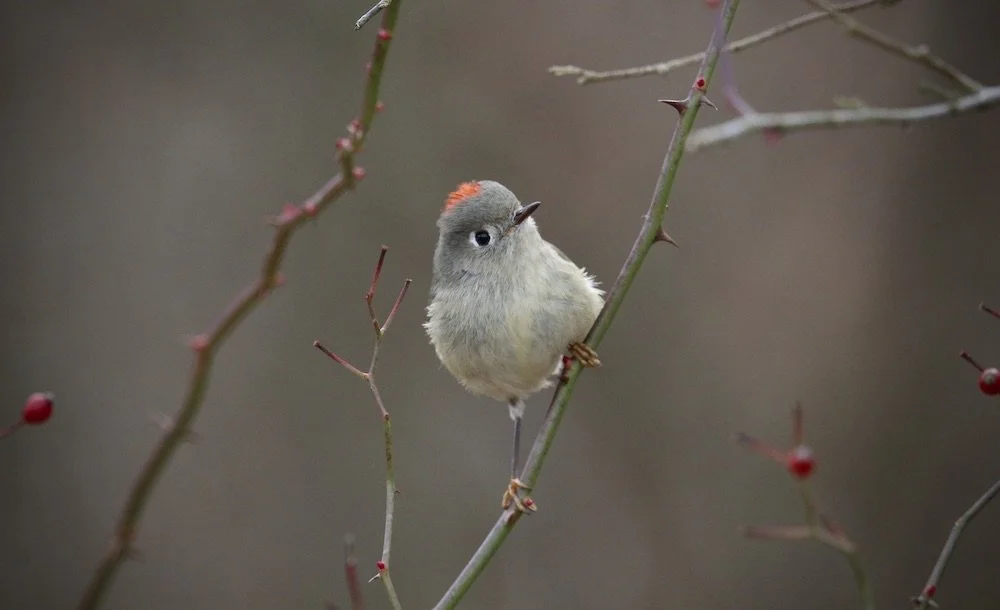
Photo: Green-winged Teal, Gary Zahm/Audubon Photography Awards

Libby Lyons

NVBA strengthened its role as a regional conservation leader in October, organizing an event to bring together organizations and other entities involved in conservation in northern Virginia. NVBA hosted, on October 10, 2024, a large all-day symposium entitled “Habitat Restoration and Expansion in Northern Virginia.” NVBA board member Gary Shinners was the driving force behind the event. With NVBA co-sponsor Earth Sangha and a team of NVBA volunteers and staff, he assembled an exceptional group of speakers and participants who offered valuable insights on restoring and preserving native habitat. 

We’re preparing a report summarizing the symposium, but I can’t wait for that – I want to share why I am excited about the event.

More than 110 participants from across the region attended, representing local and state government agencies, conservation organizations, and citizens’ groups. What everyone shared was a clear passion for restoring habitat and protecting natural areas. Topics included threats to natural areas and their impact on birds and other wildlife, ways to expand tree canopy cover and build natural corridors, approaches taken by various local habitat conservation organizations such as master naturalists, park stewards, tree stewards, and invasive removal groups, and the legislative and advocacy landscape for these issues. 

NVBA’s primary objectives for the symposium were to facilitate networking and information sharing. Having watched interactions among participants, seen the rapt audience, and read the incoming evaluations – it is clear that on both of these counts the meeting was a huge success.

I believe that the symposium resulted in many benefits in addition to sharing strategies for conservation: For example, the symposium

  • highlighted the need for more regional communication and coordination; 

  • brought into focus many conservation challenges and provided the opportunity to identify which groups might best lead or take a supporting role in addressing those challenges;

  • demonstrated that such events can directly strengthen conservation efforts, as evidenced by participants’ evaluations that indicated a majority believed that they can apply information they learned to bolster their own conservation work; and

  • enabled NVBA to showcase our Stretch Our Parks and Wildlife Sanctuary programs as conservation models that might be scaled up across the region.

The symposium also reinforced for NVBA the importance of retaining a strategic focus on our mission of bird conservation. The challenges are many and, while NVBA can be a reliable partner and leader in the region, its size is small. To be effective in bird and wildlife conservation, we recognize the importance of creating partnerships with other organizations. We also recognize that a focus on habitat conservation will be a significant, but not the sole, part of our strategy.

We believe that the symposium report will have value for those who could not attend, outlining strategies for habitat restoration and conservation. It also can support fundraising efforts by NVBA and others, both for initiatives that come out of the symposium and to support similar events in the future. An additional benefit is that it can provide a valuable overview of the regional conservation landscape for NVBA’s incoming executive director, whom we hope to have in place by the end of the year.

As the event ended, I was heartened by the enthusiasm and ideas generated by folks keen to build on the momentum of the event. And I see the symposium as another contribution to NVBA’s ongoing exploration of how we can increase our effectiveness throughout northern Virginia.

Stay tuned for more work on this front and for the report!

Read More
President's Corner Jess Michetti President's Corner Jess Michetti

President's Corner

As the autumn days shorten, we welcome our returning winter residents and are treated to another chance to see our visiting migrants as they head south. And I like this time of year because it is when our organization looks back at our activities during the last fiscal year and gears up for the coming year.

Photo: Ruby-crowned Kinglet, Saipriya Sharma/Audubon Photography Awards

Libby Lyons

It is time to welcome Fall! I truly appreciate this season. The weather finally cools, making birdwatching and on-the-ground conservation work so much more comfortable, especially on crisp, clear days. As the autumn days shorten, we welcome our returning winter residents and are treated to another chance to see our visiting migrants as they head south. And I like this time of year because it is when our organization looks back at our activities during the last fiscal year and gears up for the coming year.

Last fiscal year was a busy and productive one with too many examples to list, but a sample follows. We welcomed more volunteers across many of our activities. Our Stretch Our Parks initiative hit its stride across all three of its pilot projects, with conservation and education programs that involved neighborhood associations, groups from schools and faith communities, citizen scientists, our park partners, and more. We undertook a rigorous process to examine our name, and, after substantial community input and careful consideration, we chose to rename our organization. We engaged a wide range of northern Virginia communities and debuted a “Spanish language channel” on our website that featured translations of background information and recent articles. And we were fortunate recipients of considerable generosity, most notably in the form of two large bequests that help position NVBA to increase its impact.

As I look forward, I am very excited about NVBA’s future. Your generous donations and those bequests have allowed us to plan for a stronger organization, one that can sustain our larger number of activities and volunteers, and further our conservation goals. A key step in that process is hiring a full-time Executive Director, and we are in the middle of that process now. We also are hiring a new half-time Volunteer Coordinator, following the retirement of Meg Oakley, who tirelessly strengthened our volunteer recruitment, training, and deployment. Our applicant pools are strong, so we look forward to bringing on two folks with high levels of energy, exceptional people skills, and a passion for birds and conservation.

Another step in NVBA’s growth is embracing more strategically our role as a regional conservation organization. In October we are hosting a large symposium that will convene many of our partners from across NOVA to share best practices in habitat conservation. We will explore how regional organizations such as NVBA can play a unique and more active role in protecting birds and nature across the area.

You can participate in an example of a strategic partnership already taking action by attending the October 9 Bird Safe NOVA program. The campaign is sponsored by NVBA, Loudoun Wildlife Conservancy, DarkSky Virginia, DarkSky NOVA, Nature Forward, the Friends of Dyke Marsh, and the Friends of Little Hunting Creek. Its conservation goal is three-pronged: increasing the number of households and commercial buildings that turn out lights from 11 pm to 6 am during spring and fall migration, advocating for reduced light pollution, and working to reduce bird collisions with glass. All are welcome to this free program.

So, Happy Fall! Thank you for your continued support and please join us in the year ahead as we work to conserve and enjoy nature in our region!

Read More