

Sanctuary Species
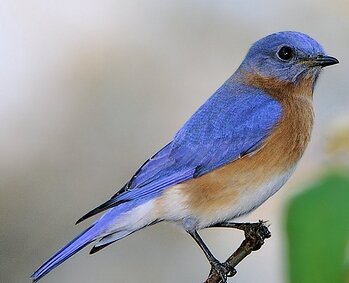
Eastern Bluebirds Photo: Michael Thomas/Audubon Photography Awards
The Wildlife Sanctuary Program’s motto is:
“Let the animals decide.”
Sanctuary Species are native northern Virginia animals that are either suffering or at-risk of population declines due to habitat loss from urbanization. However, these species can benefit greatly from habitat created by homeowners on their properties, so their presence is a great indicator of successful habitat restoration.
Meet the Sanctuary Species
The following Sanctuary Species were selected to measure the Wildlife Sanctuary Program’s success in creating habitat for native animal species.
All are native to northern Virginia as year-round or seasonal residents, or as migrants in transit between winter and summer ranges. They are suffering or are at risk of population declines due to habitat loss from urbanization. They are able to tolerate some amount of development, if suitable habitat is available, so most Wildlife Sanctuary Program participants can expect to attract at least 10 Sanctuary Species in all but the more intensely urbanized parts of our region. None of the Sanctuary Species are so fully adapted to development and human activity, such as Eastern Gray Squirrels or American Robins, as to not need our help.
In developing this list of sanctuary species, NVBA considered the following species criteria. Our selected sanctuary species:
breed in northern Virginia;
have a reasonable chance of being found on and/or attracted to a suburban property;
are considered a beneficial and/or desirable species;
are a population in decline OR at risk of being in decline (in the northern VA area) due to typical suburban land use issues, e.g. pesticides, habitat destruction, etc.
Whether you live on a 10-acre property or have an apartment balcony, you can help many of these species to succeed in northern Virginia.
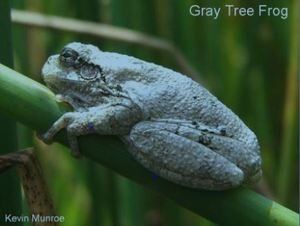
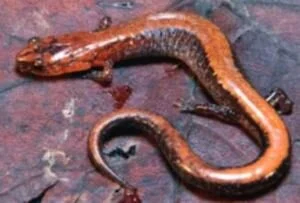
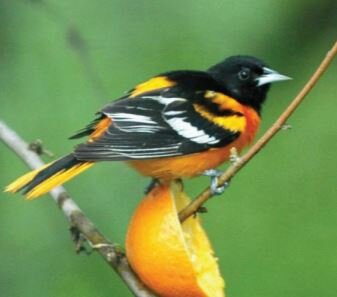
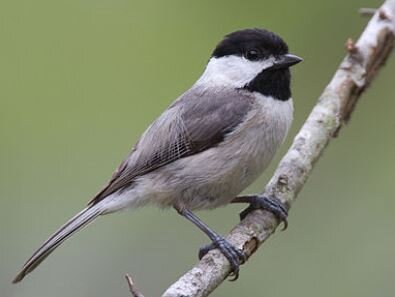
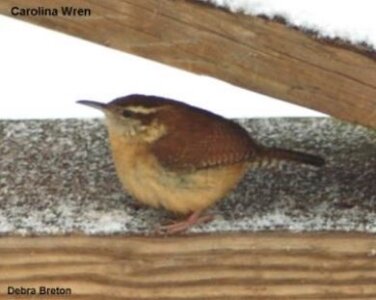
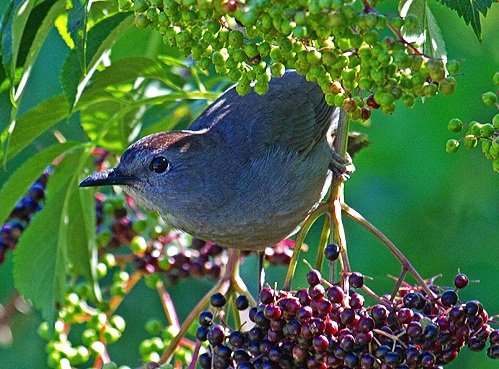
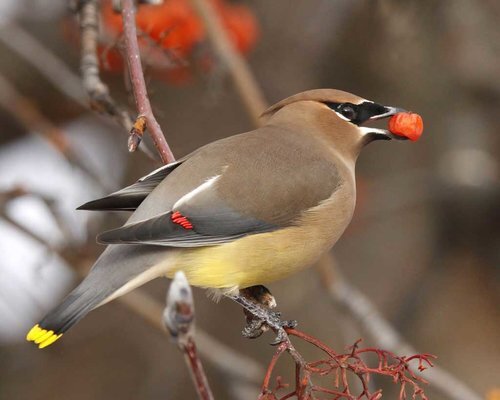
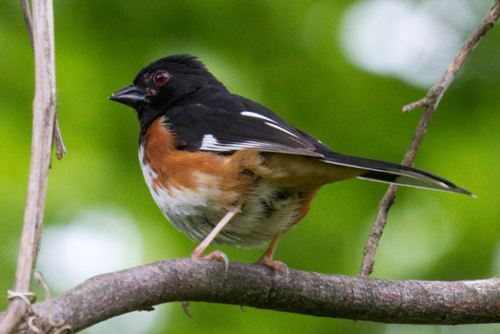
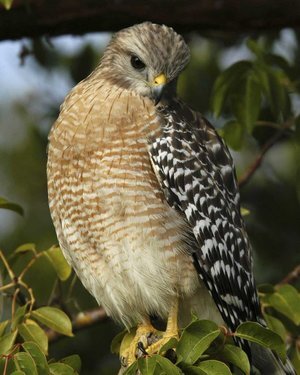
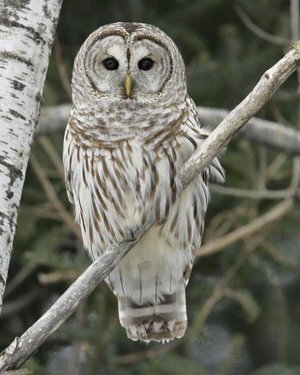
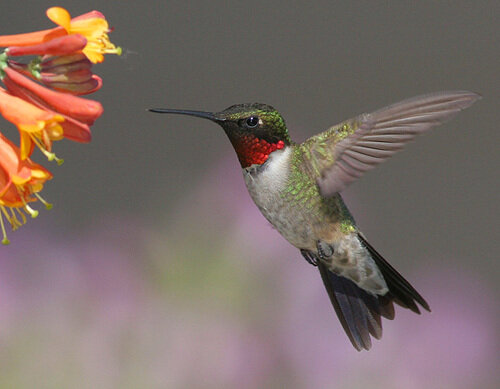
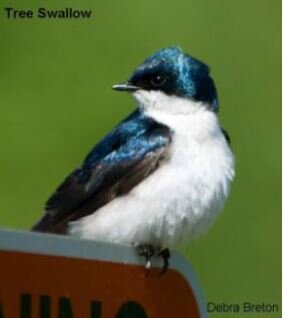
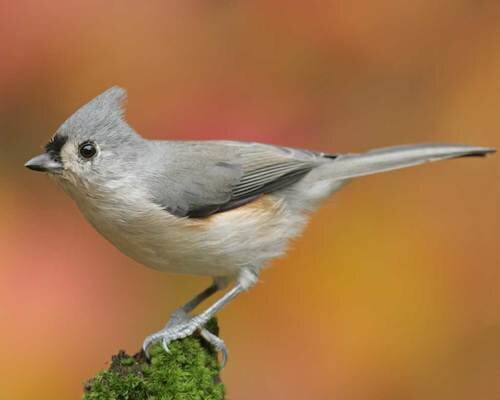
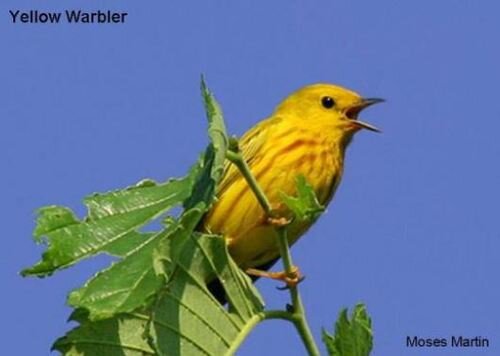
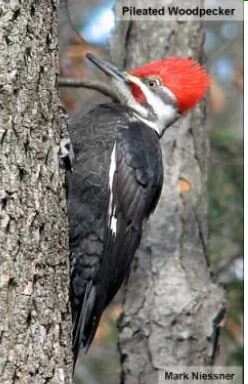
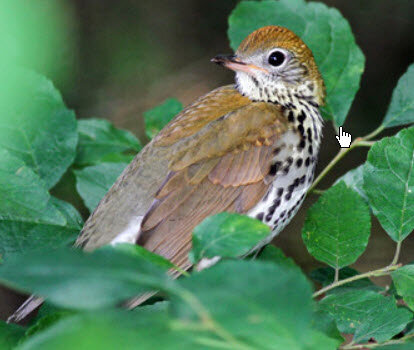
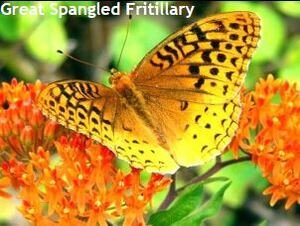
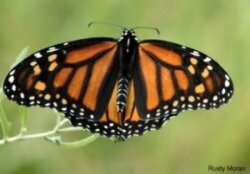
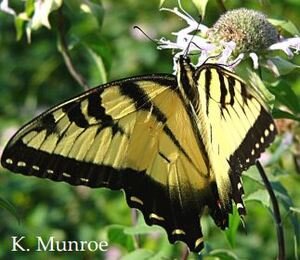
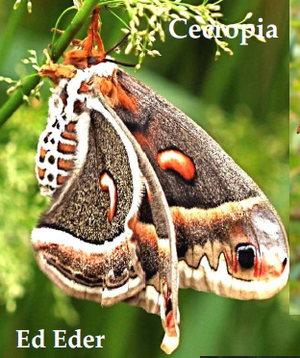
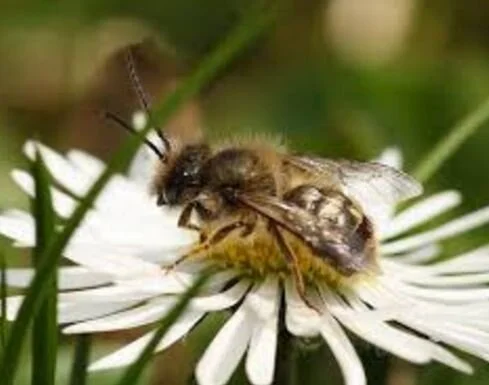
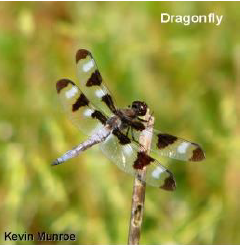
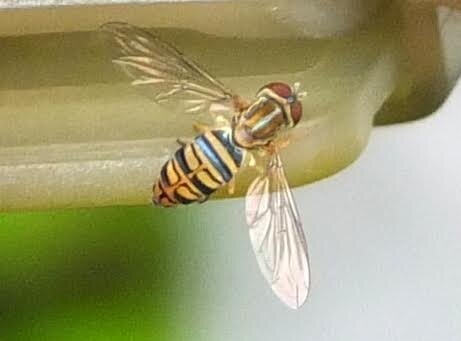
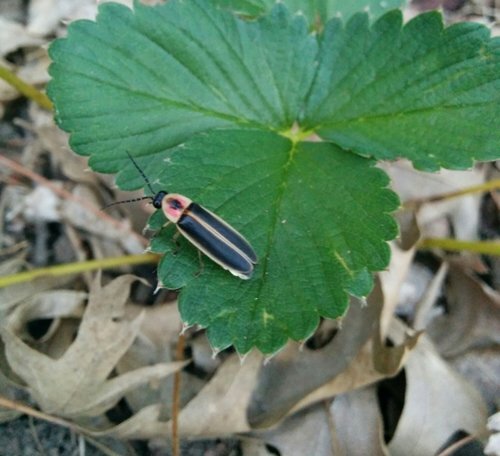
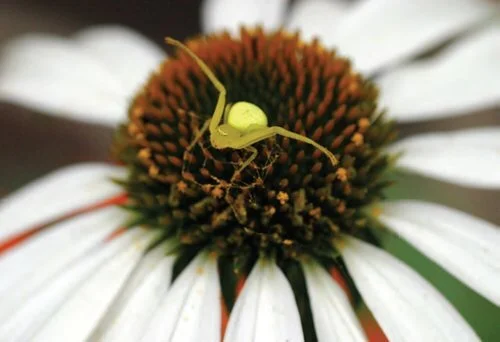
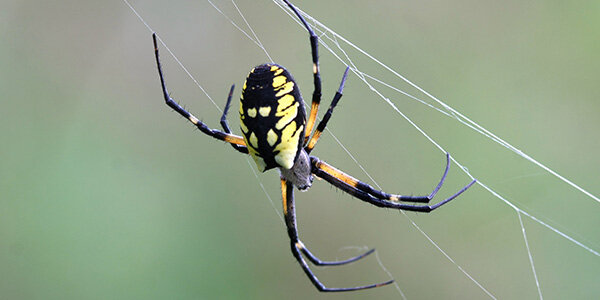
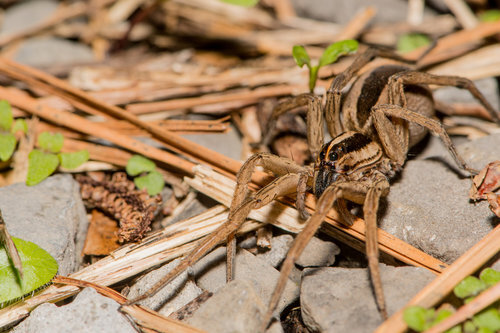
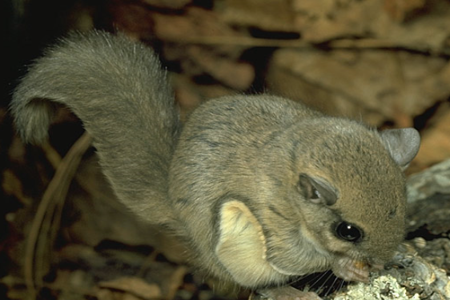
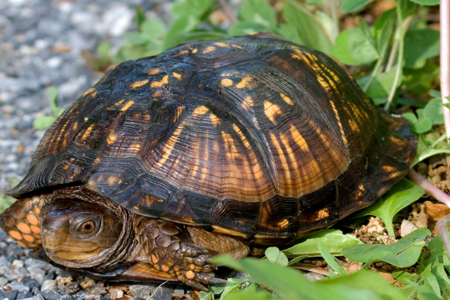
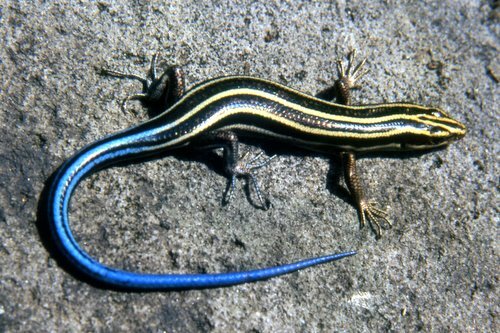
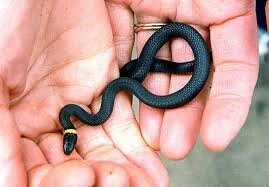
To find out more about each species and what you can do to help, click on their pictures to link to information on the species/species group including help with identification, habitat preferences, range, migration and, for frogs, toads and birds, recordings of their voices.
Amphibians
Birds


Butterflies and Moths

Other Invertebrates

Mammals

Reptiles

More Northern Virginia Wildlife
Of course Northern Virginia has many more species than those on our Sanctuary list. See our Northern Virginia Wildlife Checklist and learn more about them through Bird Walks, Classes and Events and Counts and Surveys.
More Ways to Get Involved with NVBA
Volunteer with Us
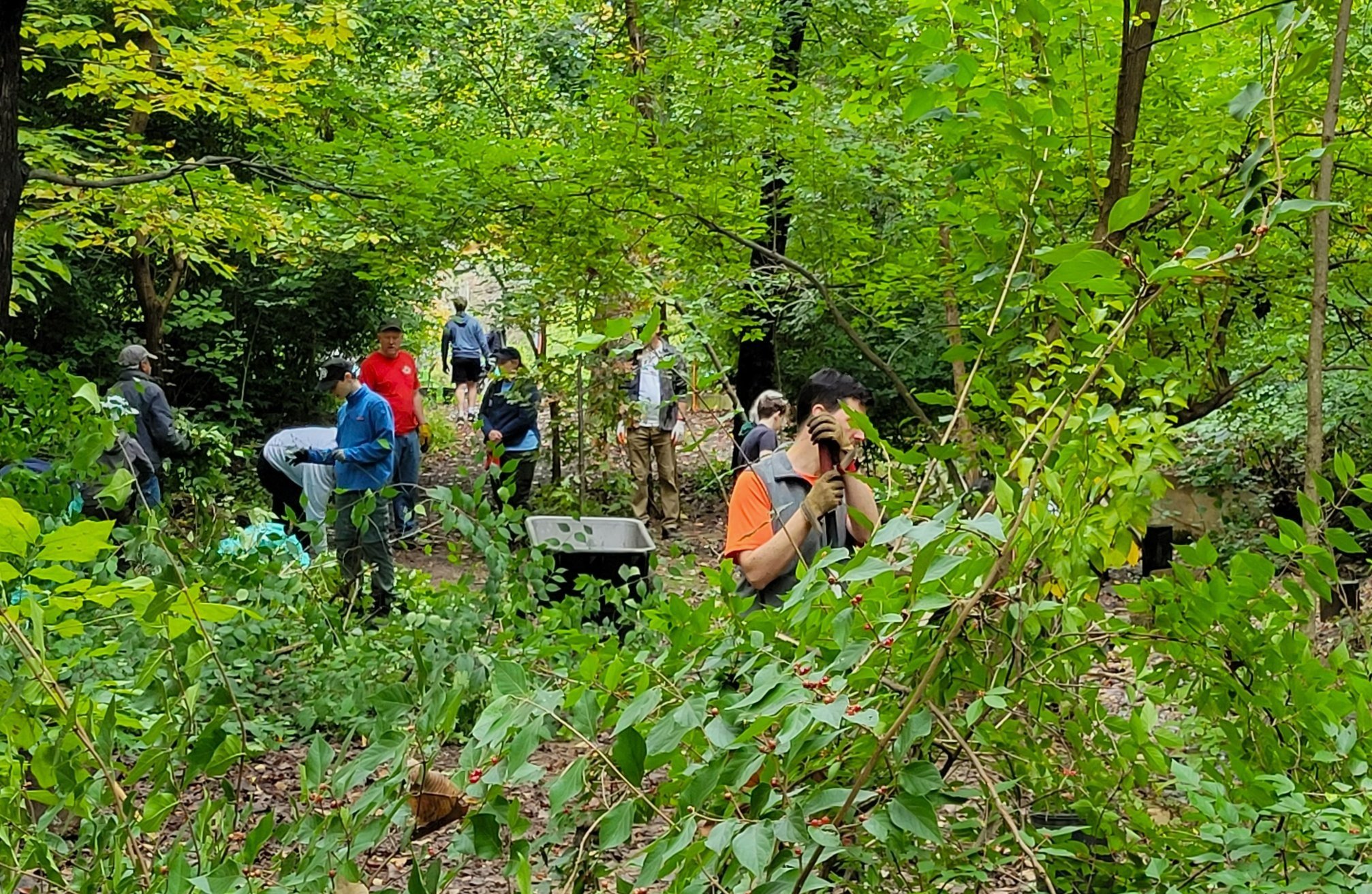
Volunteers are the lifeblood of our organization. Your time and enthusiasm power our conservation and educational outreach efforts, both in the field and behind the scenes, helping us do more for birds, wildlife and habitat in northern Virginia.
Want to join us?
Check out our volunteer page for all the different ways you can lend a hand! From pulling invasive plants at habitat restoration sites to citizen science efforts like counting birds and insects, there’s something for everyone.
Become a Member
Join our roost! NVBA members are eligible for perks like discounted ticket prices on classes, members-only events and bird outings. Plus access to our wonderfully supportive community of birders, conservation advocates and nature lovers.
We have two local membership options: one for individuals and one for families. Check out our membership page for more information. We hope you’ll join us!