
Seeking an Editor for the Potomac Flier
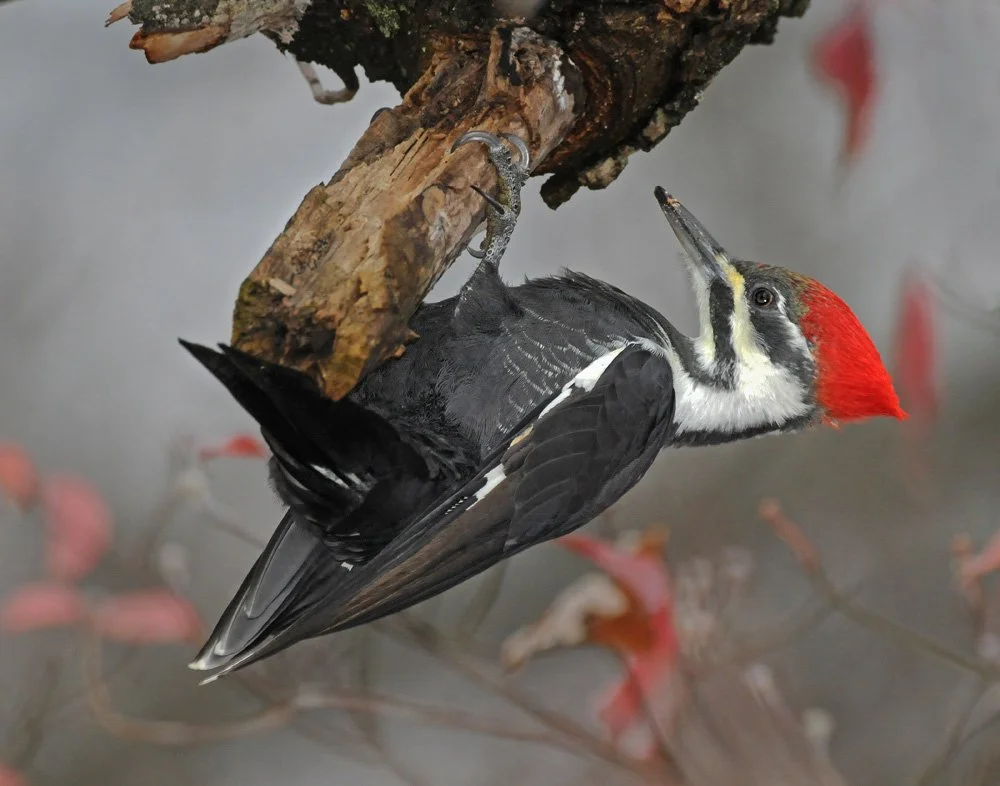
Pileated Woodpecker. Photo: Rolland Swain/Audubon Photography Awards
Volunteer Position: Editor, The Potomac Flier
About the Role:
The Potomac Flier is NVBA's member newsletter. The Editor is responsible for gathering, editing, and preparing each issue's content, then working with our Communications Committee to get it published on schedule.
This is a hands-on editorial role with real ownership. If you enjoy working with writers, care about clear prose, and want a steady way to contribute to bird conservation in northern Virginia, this is a good fit.
Time Commitment:
Approximately 20 hours per month
Ten issues per year: monthly from September through June, plus one combined July/August issue
Issues published on the first of the month; the July/August issue date is flexible
Work is concentrated in the second half of each month, between the article deadline (the 20th) and the layout handoff
Responsibilities:
1. Solicit articles. About 20 days before each issue date, send a call for articles to board members, committee chairs, staff, and the volunteer writer list, with submissions due by the 20th. Follow up with writers who have gone quiet, and match article ideas to writers who need a topic.
Each issue includes three recurring features (a "Closer Look" article, the Wildlife Sanctuary Almanac, and a Letter to Our Members from the President, a board member, or staff), a contributed piece from Plant NOVA Natives, and typically three to four additional articles on timely or seasonal topics — molting, local birding areas, wildlife refuges, and the like. Occasional reprints from other publications require written permission and proper credit.
2. Edit for clarity. Copyedit each article for grammar, flow, and readability — trimming jargon, passive voice, and wordiness. Return a redline or tracked-changes version to each writer for approval. Some contributors need more coaching than others; a short note explaining the reasoning behind edits is often more useful than the redline alone. Occasionally an article needs to be declined.
Maintain the newsletter's house style conventions. A short style guide is provided.
3. Source photographs. Find good, high-resolution images for articles that arrive without them. NVBA has standing access to the National Audubon archive and a cache of images from its calendar competition, and several local photographers permit use of their work on a per-photo basis. Contact information and usage requirements are provided; permission is requested for each image.
4. Prepare the Classes and Events section. Summarize upcoming programs from the NVBA calendar, or point readers to the calendar with a few highlights. NVBA staff will lead creation of materials for this, but you will support providing the space in the newsletter.
5. Hand off and proof. Post articles, photos, the events listing, and a suggested layout to the shared Google Drive for our designer, ideally about a week before the publication deadline. The layout note is brief — article order plus notes on photos and links. When the formatted draft comes back, proofread it and send corrections.
What we're looking for:
Comfort with editing and copyediting — a background in journalism, publishing, English instruction, or professional writing is ideal
Tact and patience with volunteer writers; much of this job is relationships, not red ink
Reliability against a monthly deadline
Working knowledge of Microsoft Word (track changes and compare) or Google Docs
An interest in birds and local conservation is welcome but not required
Support provided:
Current writer and contributor list, with taglines
Style guide and sample layout notes
Access credentials and usage terms for photo archives
A professional designer who handles layout and production
Onboarding from the outgoing editor
To express interest:
Email info@nvbirdalliance.org by October 14th expressing your interest in the role. Please provide up to two paragraphs on why you are interested and explaining your qualifications.