

NVBA News Blog
American Robin. Photo: Mick Thompson/Audubon Photography Awards
Welcome to the blog for Northern Virginia Bird Alliance, a wealth of resources about northern Virginia birds, wildlife, habitat conservation and restoration, native plants, wildlife-friendly gardening, advocacy and more.

The Gray Catbird
One of my favorite sights (and sounds) of spring is my first Gray Catbird (Dumetella carolinensis) of the season. I’ve always found them elegant-looking, with a sleek, slaty body, jaunty black cap and rusty patch under the tail.
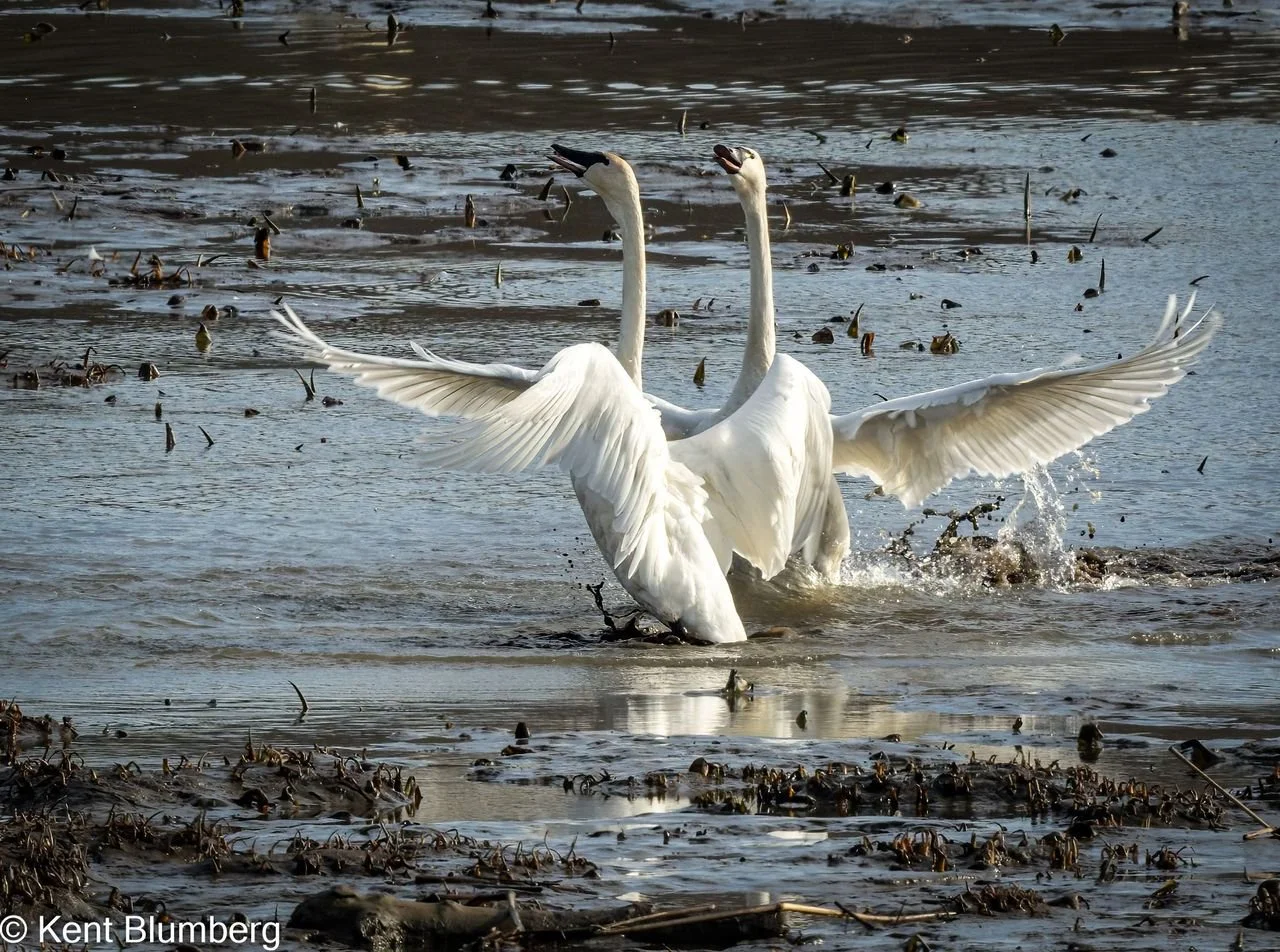
Tundra Swans
You still have time, if you’re lucky, to see one of our most spectacular winter visitors: the Tundra Swan. Hundreds of these graceful white birds spend the winter in the Chesapeake Bay and tidal Potomac from November through mid-March. When they gather in large flocks, the sight is unforgettable.
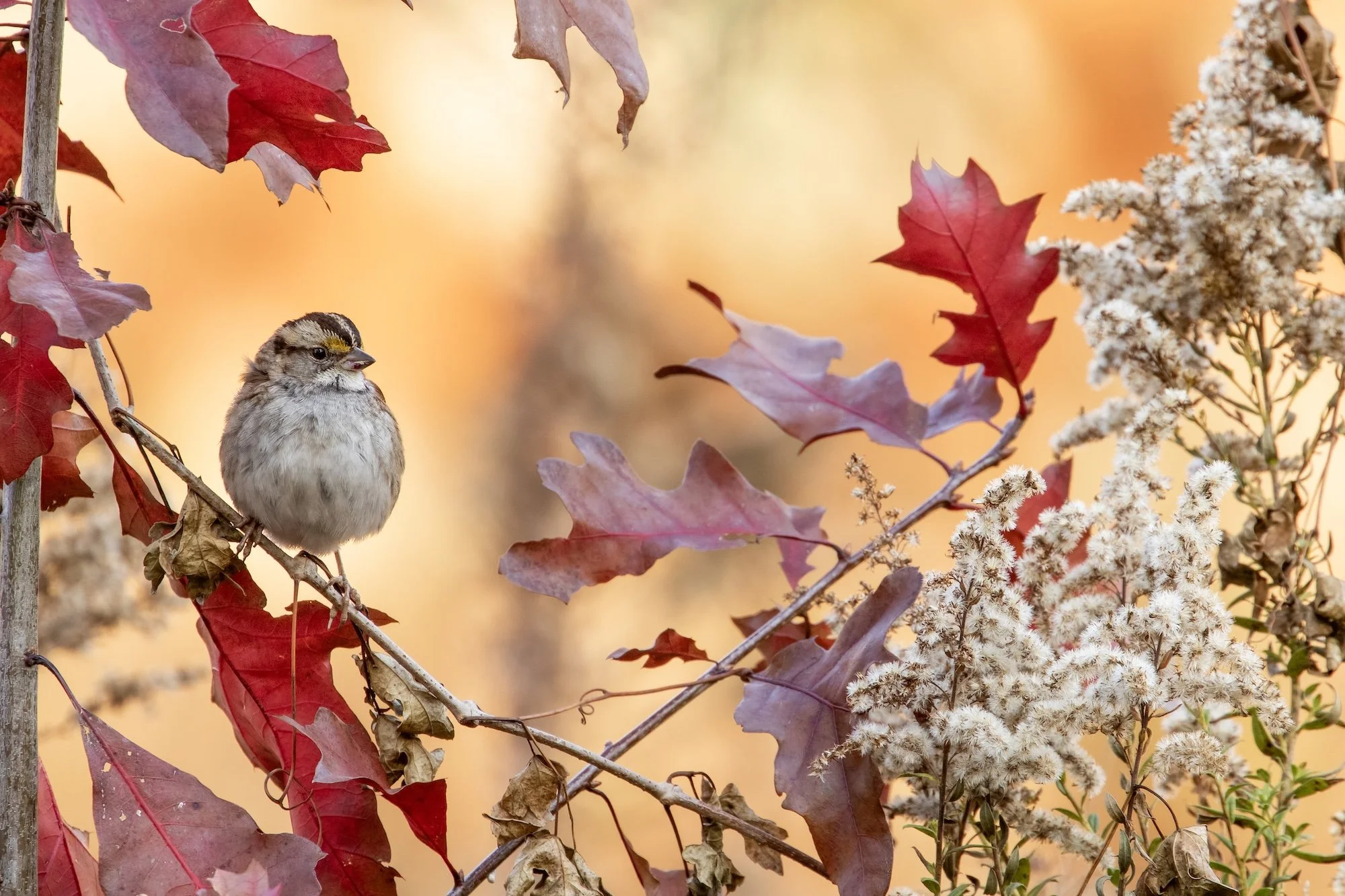
Back for the Holidays: The White-throated Sparrow
“Oh-sweet-Canada-Canada” or “Old-Sam-Peabody-Peabody” – no matter which phrase you associate with the song of the White-throated Sparrow, northern Virginia residents can expect to hear it throughout the coming months as these little birds sing of their return from breeding grounds in Canada.

A Winter Resident Returns: The Yellow-bellied Sapsucker
The return of Yellow-bellied Sapsuckers in northern Virginia coincides with the re-appearance of Halloween decorations in mid-October, and, like the trick-or-treaters who arrive October 31, they seek sweets.
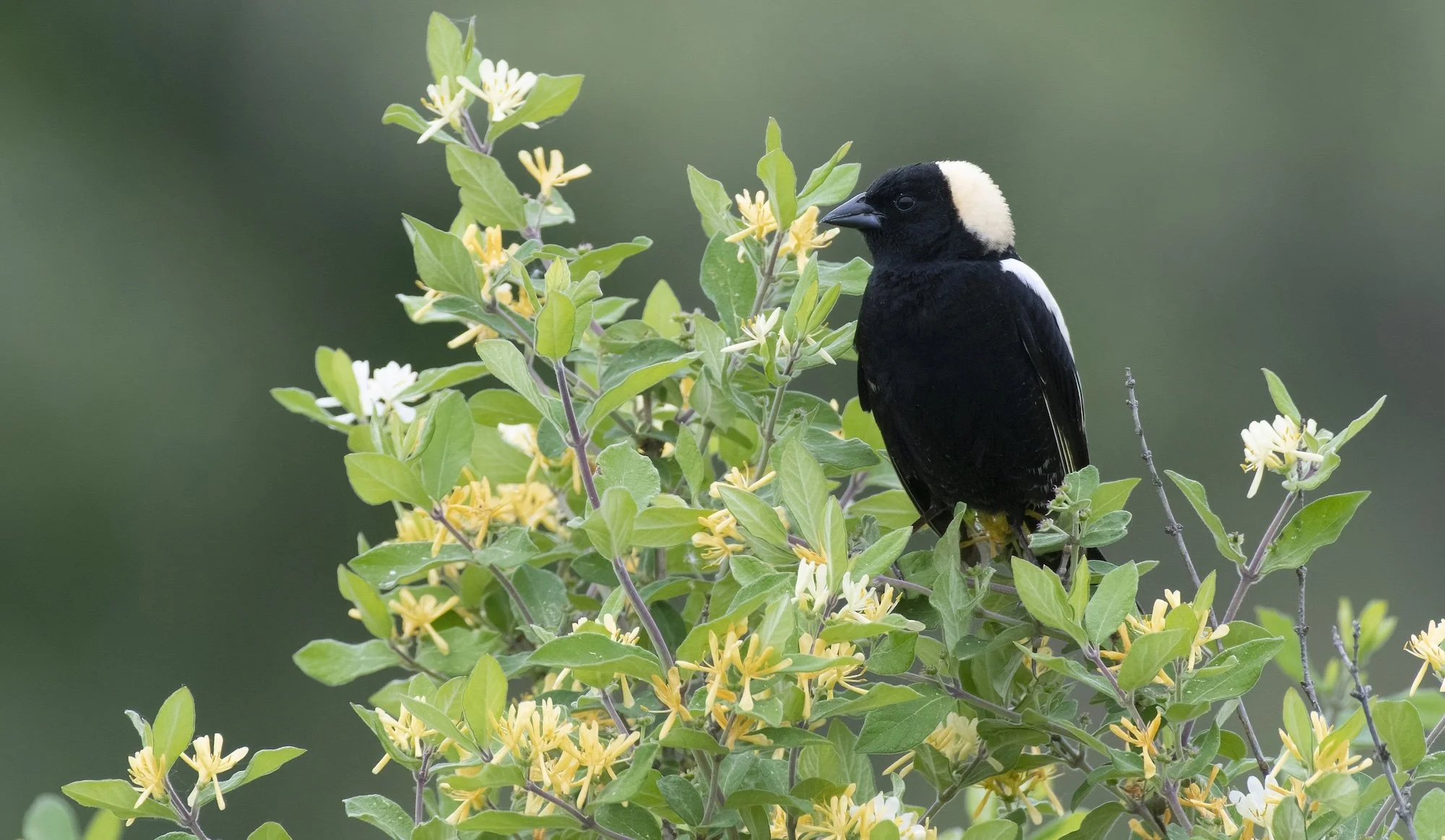
The Bobolink
The Bobolink, Dolichonyx oryaivorus, also called the rice bird or rice bunting, is yet another migrating songbird that has declined in population over the last fifty years.

Ospreys and the Menhaden Question
It’s always a joy when Osprey return to northern Virginia in the spring to breed after their winters in the Southern Hemisphere, but reports of increased nest failure are cause for concern.

The Prairie Warbler
There are more than 50 species to see and hear at this time of year. Most migrants pass through, but the Prairie Warbler, Setophaga discolor, breeds in northern Virginia.
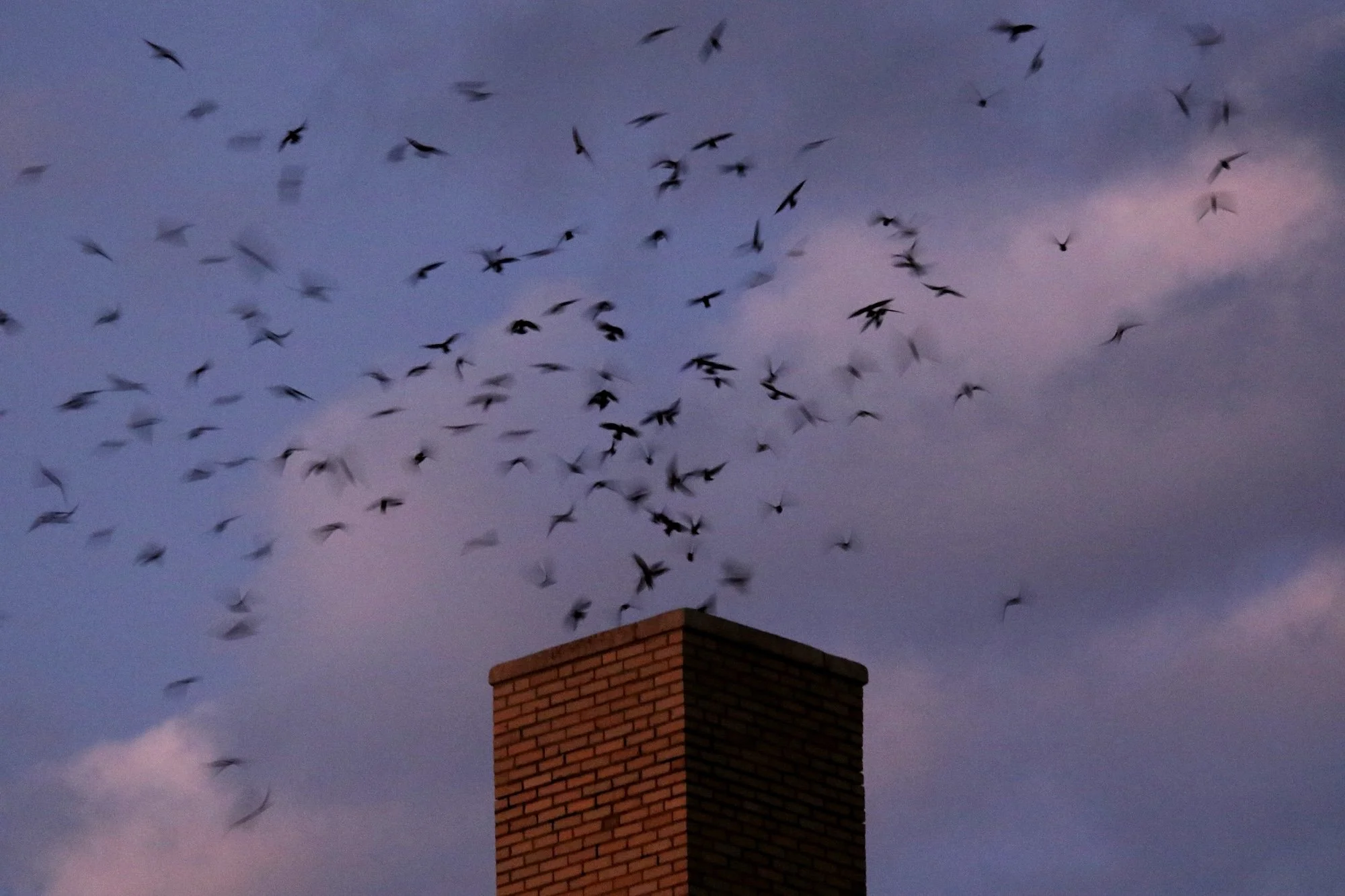
The Chimney Swift
Did you know that until the mid-19th century the Chimney Swift (Chaetura pelagica) was called the American Swift?

The Short-eared Owl, Another Winter Visitor
Some observant DC-area birders were fortunate to catch sight of Short-eared Owl in the DC-northern Virginia urban core late in December and early in January.

It’s Official: The Bald Eagle Is Our National Bird
On December 24 President Joe Biden signed S. 4610, making it official that the Bald Eagle is the national bird of the United States.

Snowy Owl, An Occasional Winter Visitor
Although the Snowy Owl (Bubo scandiacus) is no longer classified as in a separate genus (Nyctea) from typical owls, like the Great Horned Owl, there’s a lot about it that is unique.


The American Kestrel
American Kestrels are often seen perching on utility wires alongside farm fields, or hovering with rapid wingbeats, until dropping to snatch prey from the ground or mid-air. This robin-sized falcon is speedy and fun to watch.

King Rails at the Tipping Point in Northern Virginia
King Rail populations have declined over the last ten years primarily due to habitat loss. King Rails are among northern Virginia birds that BirdLife International’s State of the Birds 2022 identified as at a tipping point for extinction, having lost half of their population in the last 50 years, and on a trajectory to lose another 50% in the next 50 years if nothing changes.

Nuisance Birds
It’s a conundrum. We want birds to visit us, but only certain species, and even under those conditions we want to see them on our terms.

South Arlington’s Ravens
South Arlington birders were thrilled last year when Common Ravens, which had been haunting the Long Branch Nature Center area, built a nest on a Route 50 abutment where the roadway crosses the W&OD Trail. So, they were doubly pleased when the Ravens returned this year to the same nest.

Helping the Lovely Wood Thrush
One of the most anticipated sounds of spring in northern Virginia is the exquisite song of the returning Wood Thrush.

Red-headed Woodpecker: A Species at the Tipping Point
The State of the Birds report identified five species of birds that breed in northern Virginia as at a tipping point. One of the birds at the tipping point is the Red-headed Woodpecker, a year-round resident of northern Virginia that is considered uncommon during every season.

Welcome Back Yellow Warblers
Spring is a busy time for bird-watchers in northern Virginia as flocks of tiny warblers migrate through our area to northern breeding grounds. But there are some that migrate to northern Virginia to breed, and it’s exciting to welcome them back.

If You Build It, They Will Come, Maybe
I am captivated by Eastern Screech Owls. They have the qualities noted above, and they come in two colors – gray and red. They are robin-sized with cute ear tufts. But most important for me, they love nest boxes, suburban areas, and mixed woods, so that creating an environment for them is doable. If you build it, they will come!