
A Closer Look: Nature All Around Us
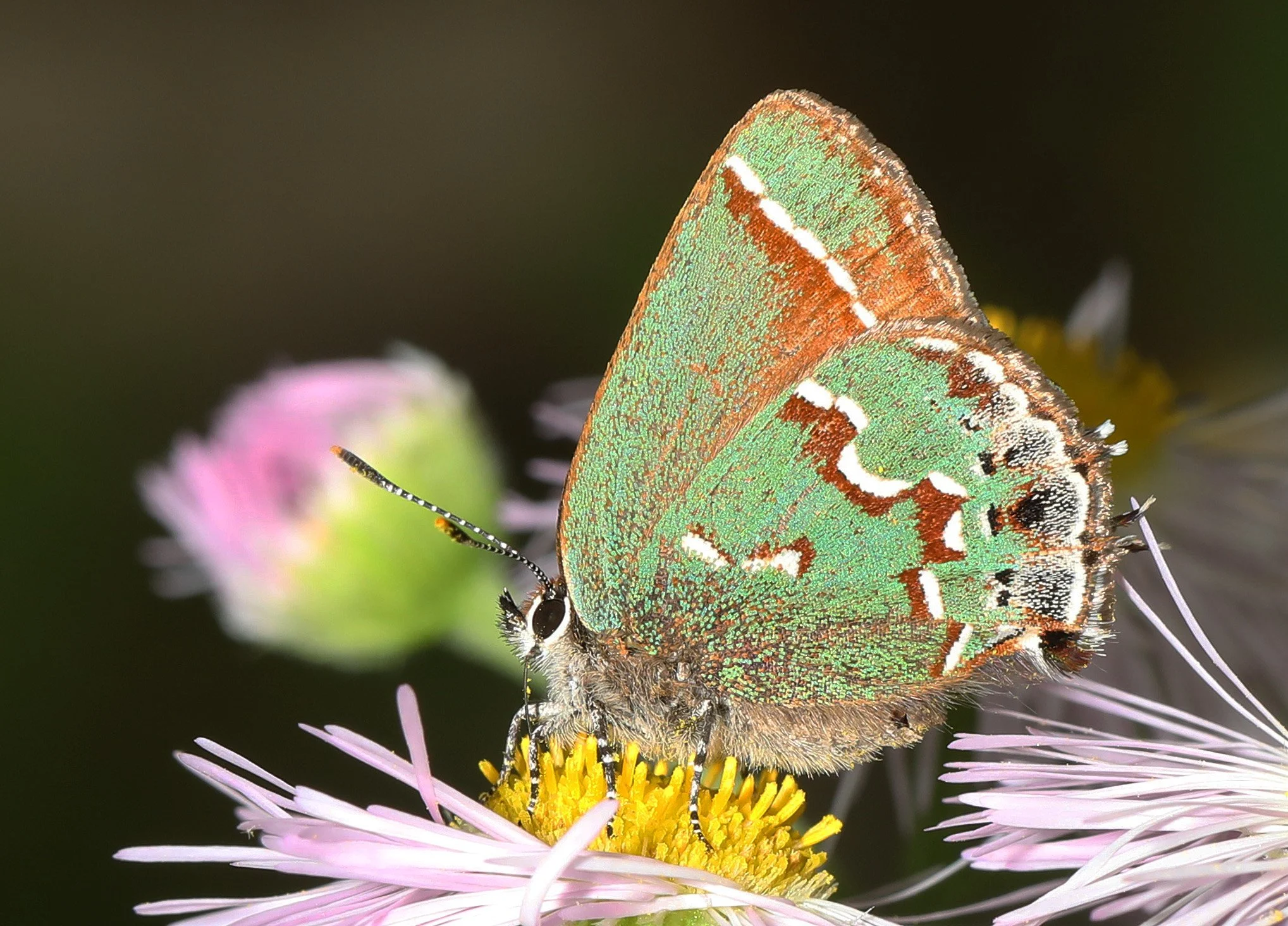
Juniper Hairstreak butterfly. Photo: Judy Gallagher
Take a closer look…
Judy Gallagher photographs local species she observes at sites around northern Virginia, particularly those that you might not ordinarily notice…unless you take a closer look.

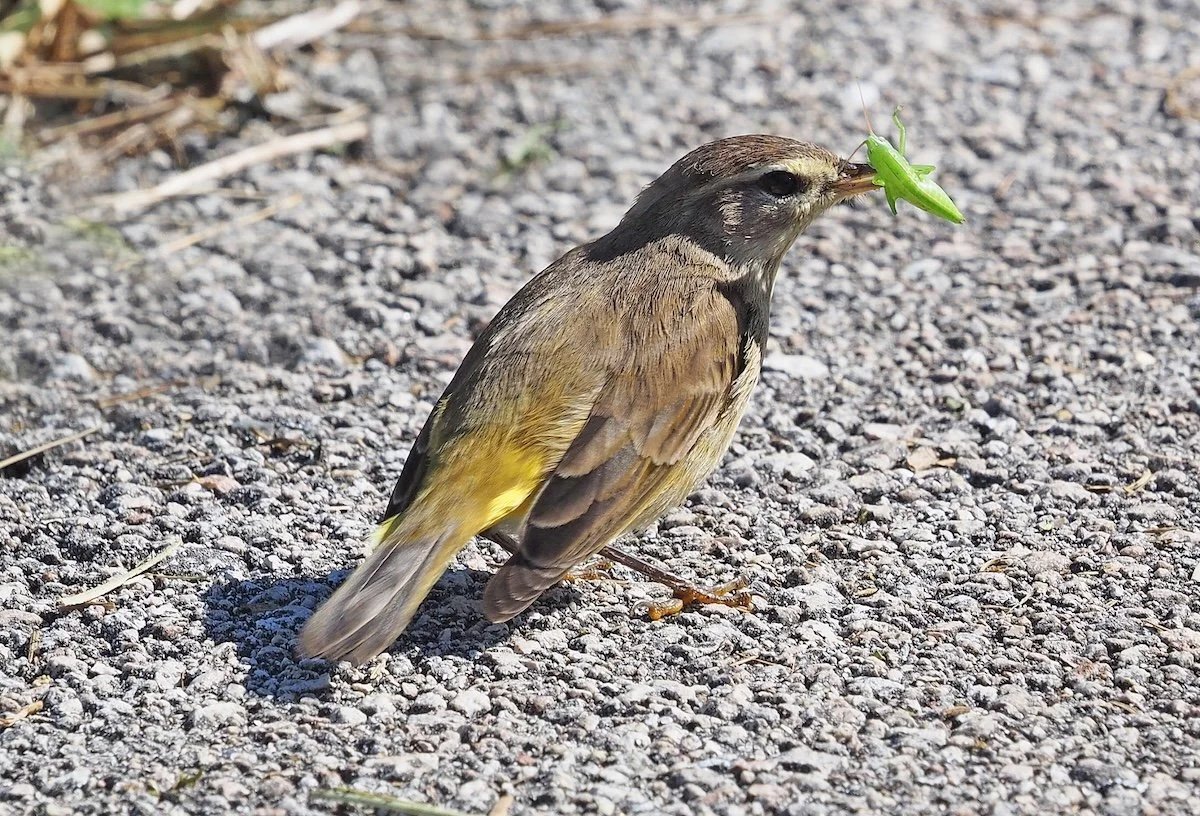
Grasshoppers leap out of my way as I walk through a grassy area, and that inspired this month's column. There are about 10,000 short-horned grasshopper species worldwide, at least 60 of which are found in Virginia.
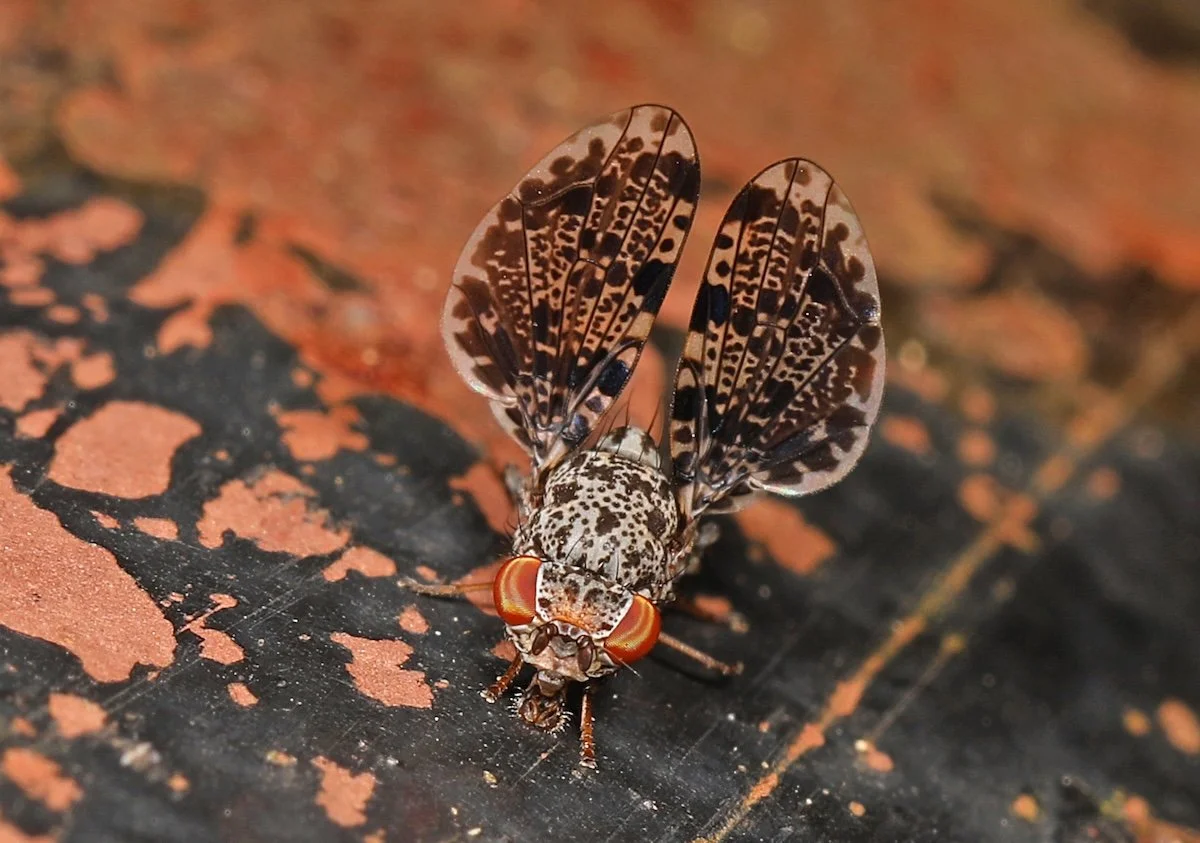
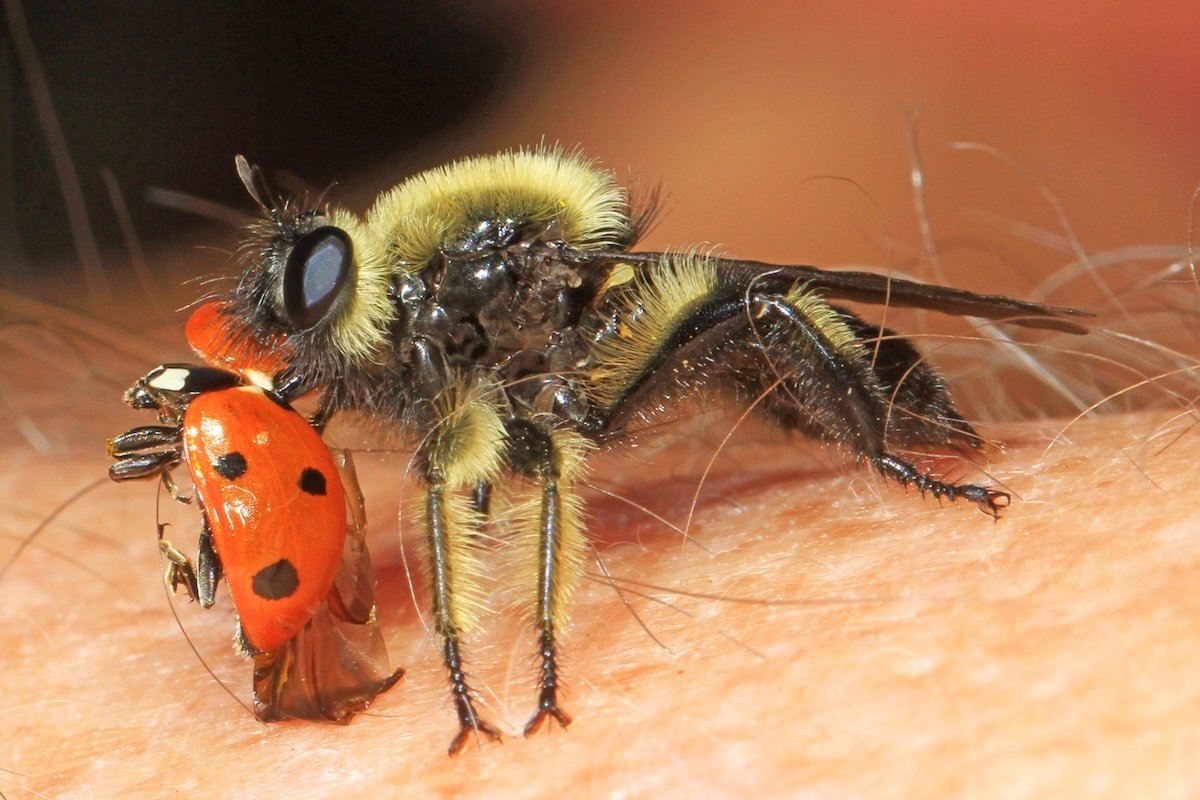
Some flies deserve a much closer look. Explore a few of our lesser-known but fascinating and - dare we say - beautiful fly species.
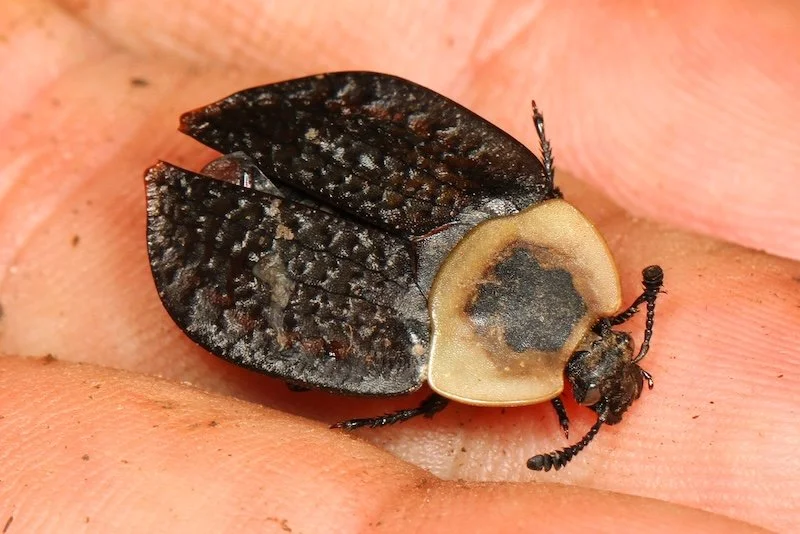
Carrion and burying beetles help the environment by eating carcasses and breaking them down. As Wikipedia so succinctly puts it, this "prevents accumulation of deceased organisms," and they help suppress fly populations. Let's hear it for these charming creatures!
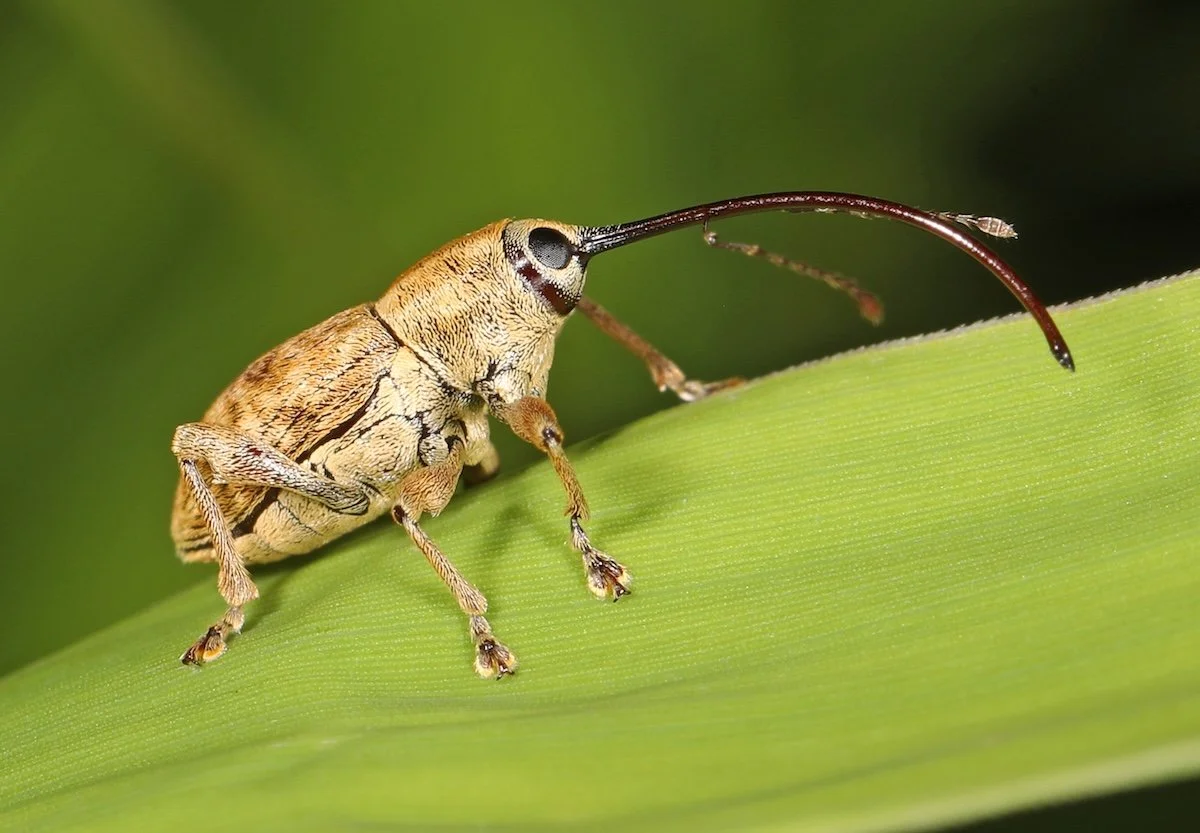
Weevils have a bad reputation. But I've become fascinated with weevils as I see more of them through my macro lens. They are most unusual-looking creatures, and they aren't all pests.
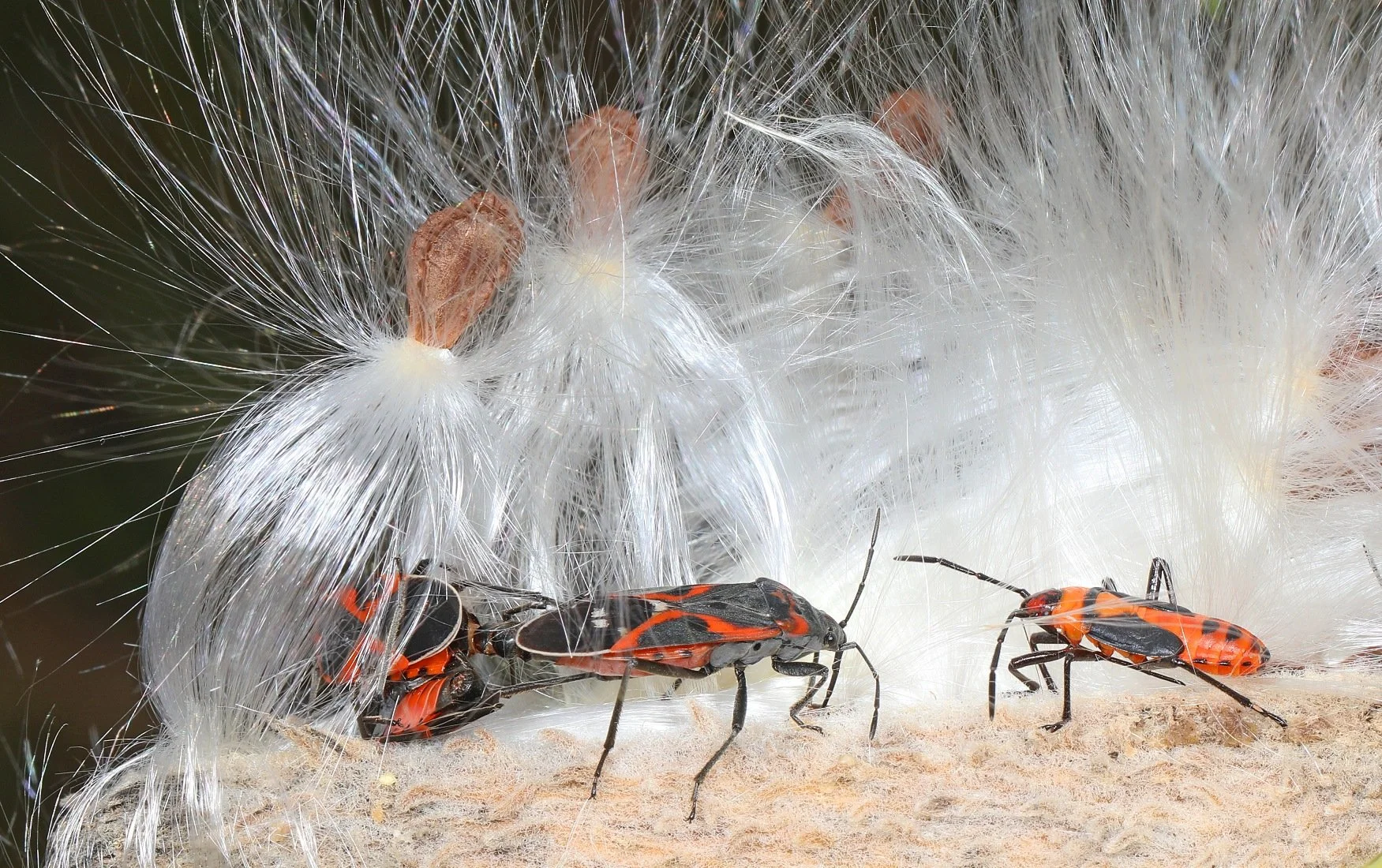
Milkweed will be blooming soon, and with it come Milkweed Bugs. Milkweed Bugs are true bugs, part of the Lygaeidae or Seed Bug family. As the name implies, most species in this family eat seeds, but some can also eat other plant parts. Like all other true bugs, they have piercing-sucking mouthparts, well adapted for piercing hard seeds.
Judy Gallagher is an NVBA board member and a regular surveyor of local wildlife who also captures photos of what she sees, in particular the less common species.
Judy Gallagher is an NVBA board member and a regular surveyor of local wildlife who also captures photos of what she sees, in particular the less common species.
Judy Gallagher is an NVBA board member and a regular surveyor of local wildlife who also captures photos of what she sees, in particular the less common species.
Judy Gallagher is an NVBA board member and a regular surveyor of local wildlife who also captures photos of what she sees, in particular the less common species.

Live insects are challenging to find at this time of year. But signs of them remain in the form of galls, a swelling growth of plant tissue.
Judy Gallagher is an NVBA board member and a regular surveyor of local wildlife who also captures photos of what she sees, in particular the less common species.
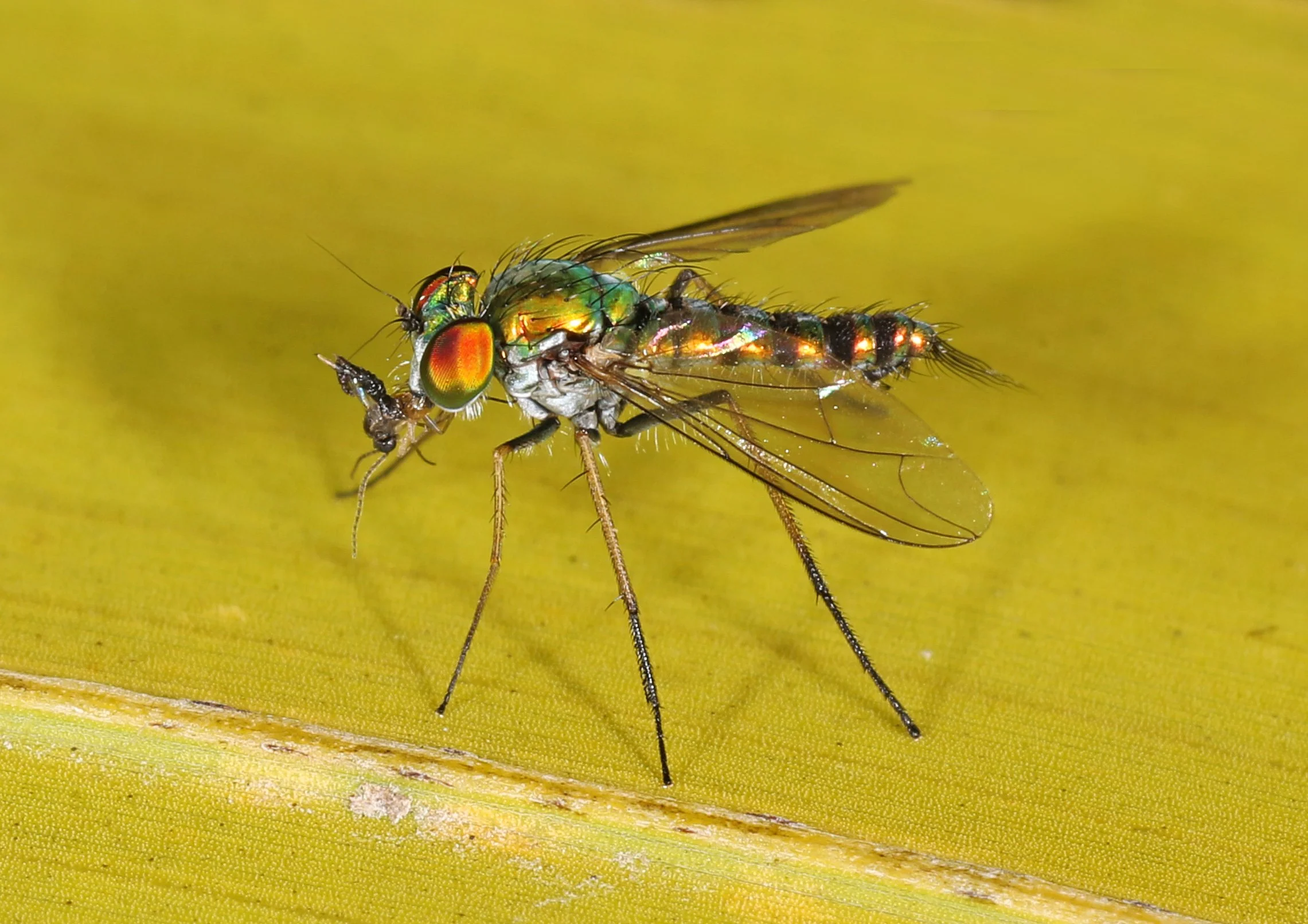
Flies and their food choices play an important role in our environment. It's ironic that I was brought up to think of flies as being dirty, yet without flies, the world would be a much dirtier place. Let's hear it for the flies!

Judy Gallagher is an NVBA board member and a regular surveyor of local wildlife who also captures photos of what she sees, in particular the less common species.
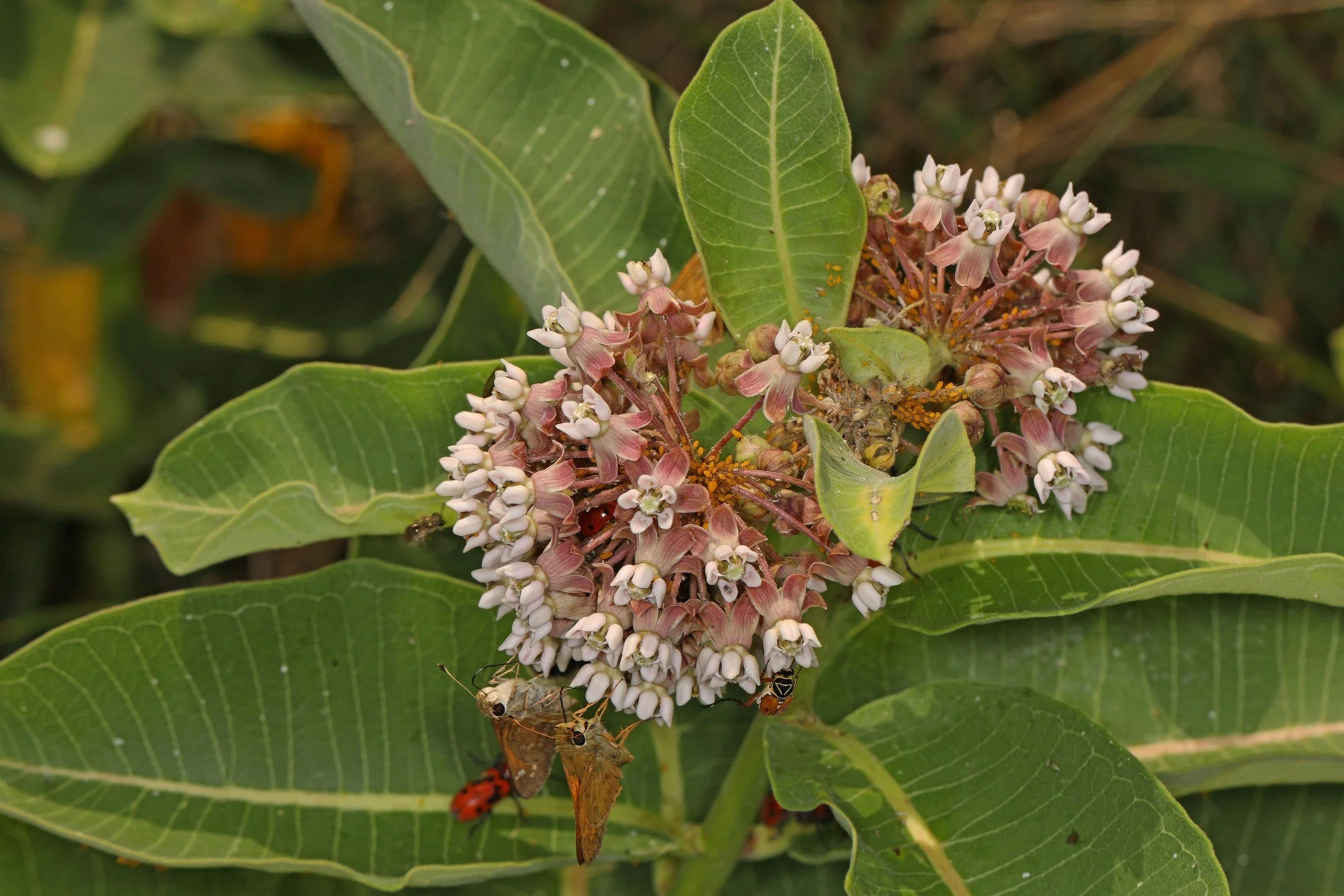
I am fascinated by the concept that plants and insects have co-evolved. Many plants rely on insects to pollinate them and disperse their seeds, and most insects rely on plants for food, either directly, or indirectly by eating other insects that have eaten plants. But it isn't in the plant's best interest to have all its vegetation eaten, and plants have evolved strategies to ensure that they survive the hordes of hungry insects.

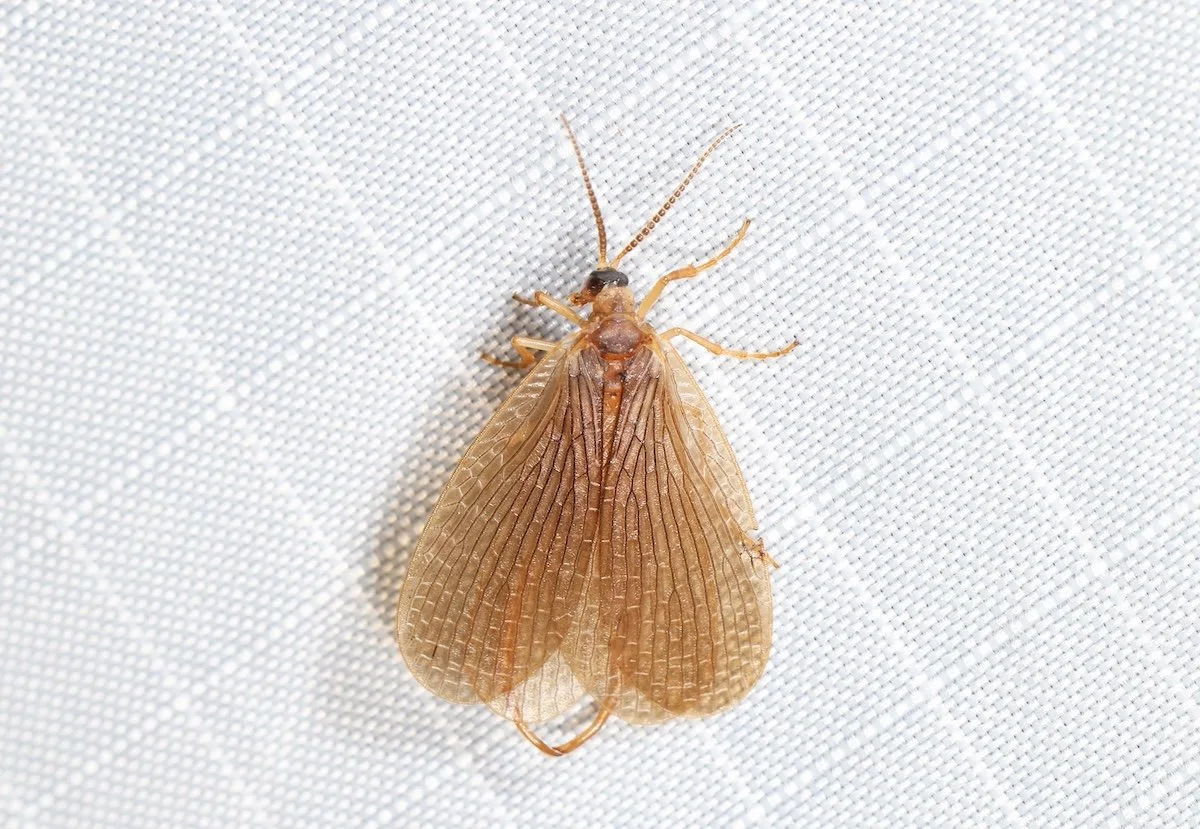
I went to North Carolina recently, searching for early season dragonflies. We searched for dragonflies by day, but at night we set up a black light to see what other insects we could attract. The highlight was a Pleasing Lacewing, an insect I had only seen once before, and it is the inspiration for this month's column.
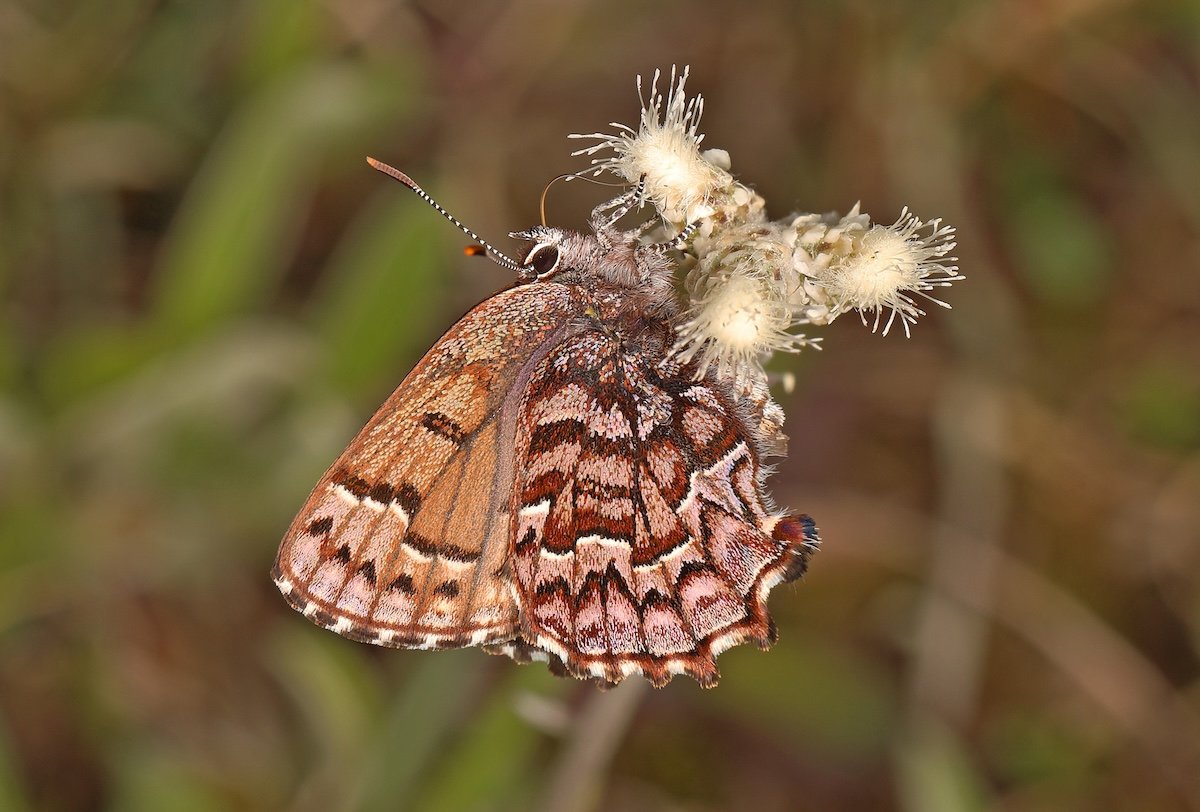
I look forward to spring's arrival each year, and particularly to the start of butterfly season. Elfins are among the first butterflies to emerge each spring. They are small with about a 1-inch wingspan, are furry looking, and have brown, gray and black markings.

While researching something recently, I read that bees were descended from Crabronid or Square-headed Wasps, and I thought that the wasps would be an interesting topic for this column.

Have you ever seen a small insect with a fiber-optic-like tail? If so, you've probably seen a planthopper nymph.

We usually think of bees as our key pollinators. But although they lack specialized structures for collecting pollen, butterflies and their moth cousins are also pollinators.

Judy Gallagher is an NVBA board member and a regular surveyor of local wildlife who also captures photos of what she sees, in particular the less common species.

Judy Gallagher is an NVBA board member and a regular surveyor of local wildlife who also captures photos of what she sees, in particular the less common species.

Judy Gallagher is an ASNV board member and a regular surveyor of local wildlife who also captures photos of what she sees, in particular the less common species.

Judy Gallagher is an ASNV board member and a regular surveyor of local wildlife who also captures photos of what she sees, in particular the less common species.

Judy Gallagher is an ASNV board member and a regular surveyor of local wildlife who also captures photos of what she sees, in particular the less common species.

Judy Gallagher is an ASNV board member and a regular surveyor of local wildlife who also captures photos of what she sees, in particular the less common species.

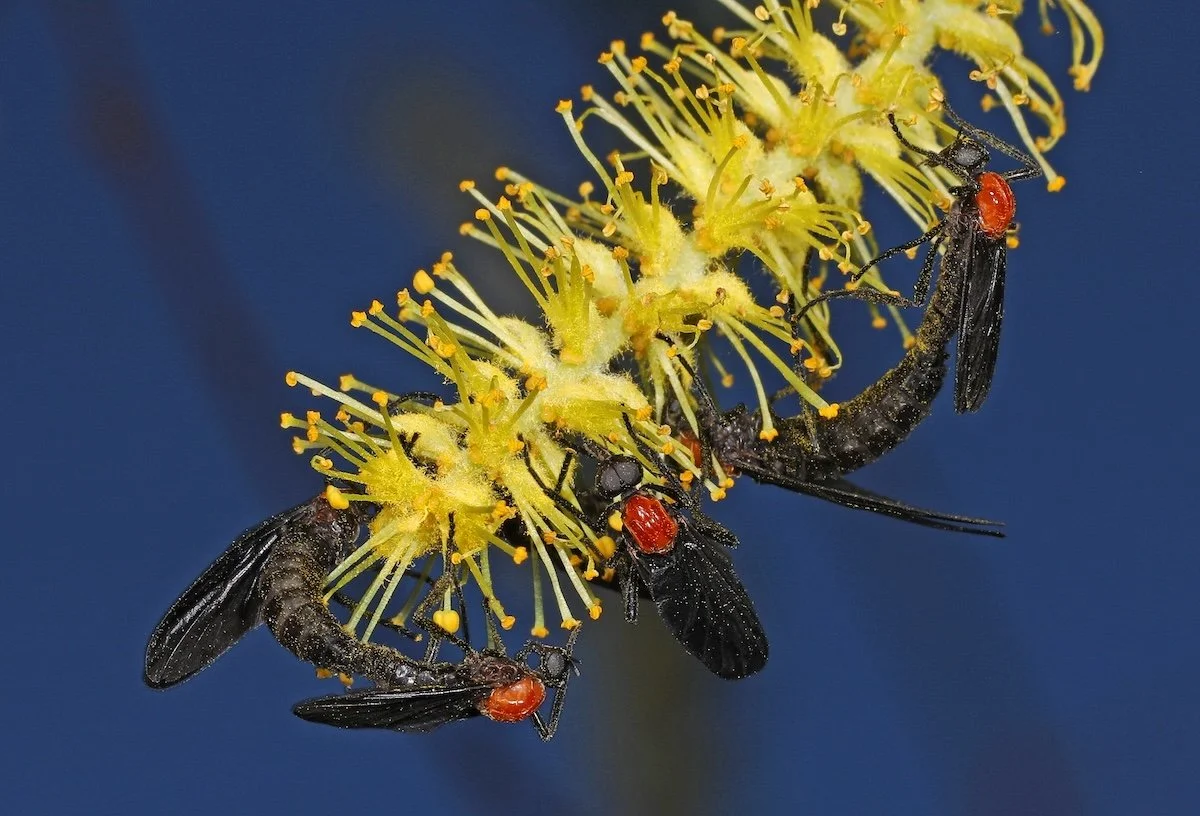
Insects protect themselves from predation in a variety of ways, but one of the more unusual techniques is to resemble the predator they want to avoid.

Judy Gallagher is an ASNV board member and a regular surveyor of local wildlife who also captures photos of what she sees, in particular the less common species.

I will never forget the first time I saw a large spider sprint across the surface of a pond. At the time I thought that I was seeing amazing yet aberrant behavior, but I later learned that this is normal for fishing spiders.

Judy Gallagher is an ASNV board member and a regular surveyor of local wildlife who also captures photos of what she sees, in particular the less common species.

Judy Gallagher is an ASNV board member and a regular surveyor of local wildlife who also captures photos of what she sees, in particular the less common species.
Get Involved with NVBA
Volunteer with Us
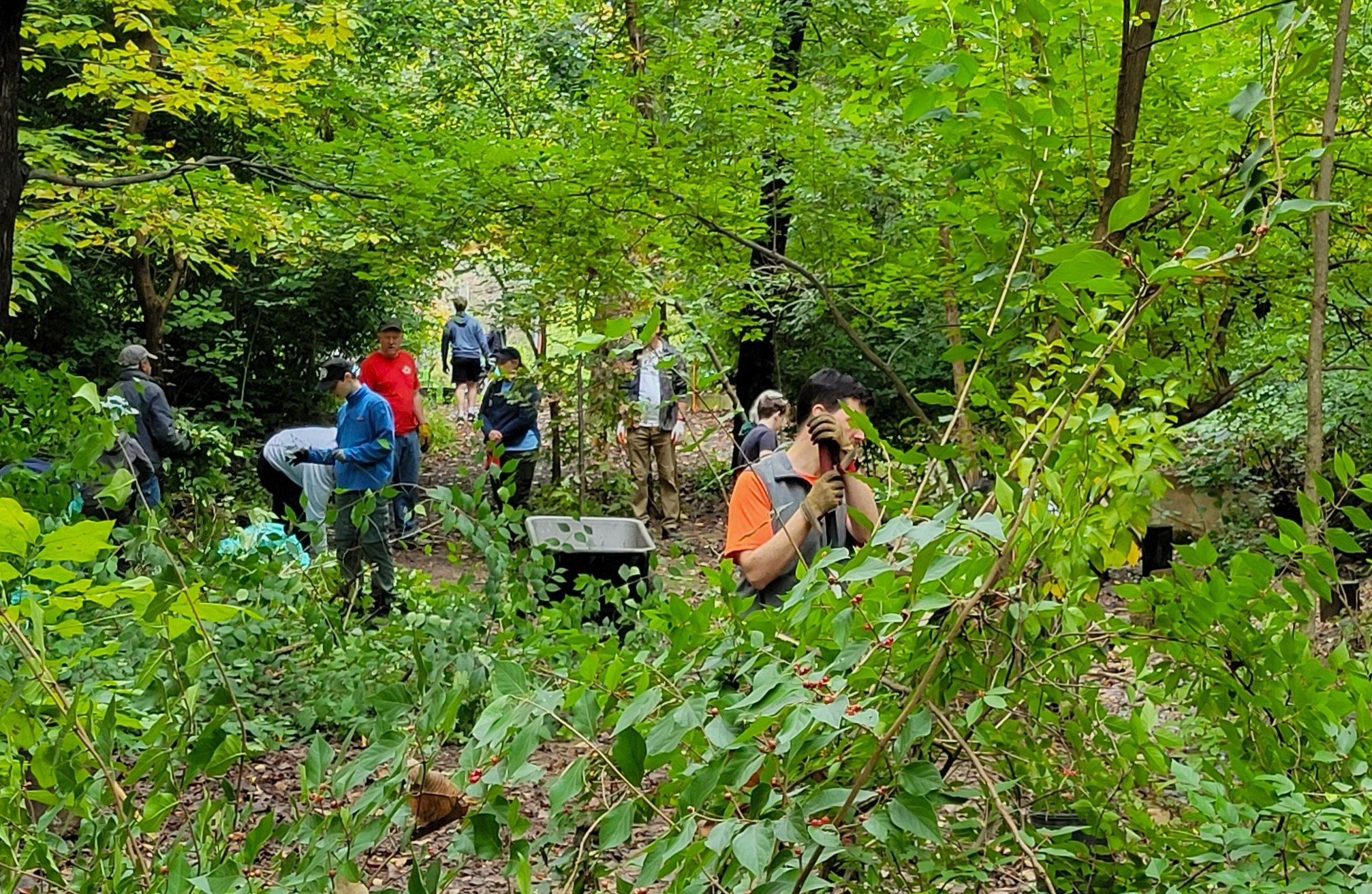
Volunteers are the lifeblood of our organization. Your time and enthusiasm power our conservation and educational outreach efforts, both in the field and behind the scenes, helping us do more for birds, wildlife and habitat in northern Virginia.
Want to join us?
Check out our volunteer page for all the different ways you can lend a hand! From pulling invasive plants at habitat restoration sites to citizen science efforts like counting birds and insects, there’s something for everyone.
Become a Member
Join our roost! NVBA members are eligible for perks like discounted ticket prices on classes, members-only events and bird outings. Plus access to our wonderfully supportive community of birders, conservation advocates and nature lovers.
We have two local membership options: one for individuals and one for families. Check out our membership page for more information. We hope you’ll join us!